
Soups & Stews
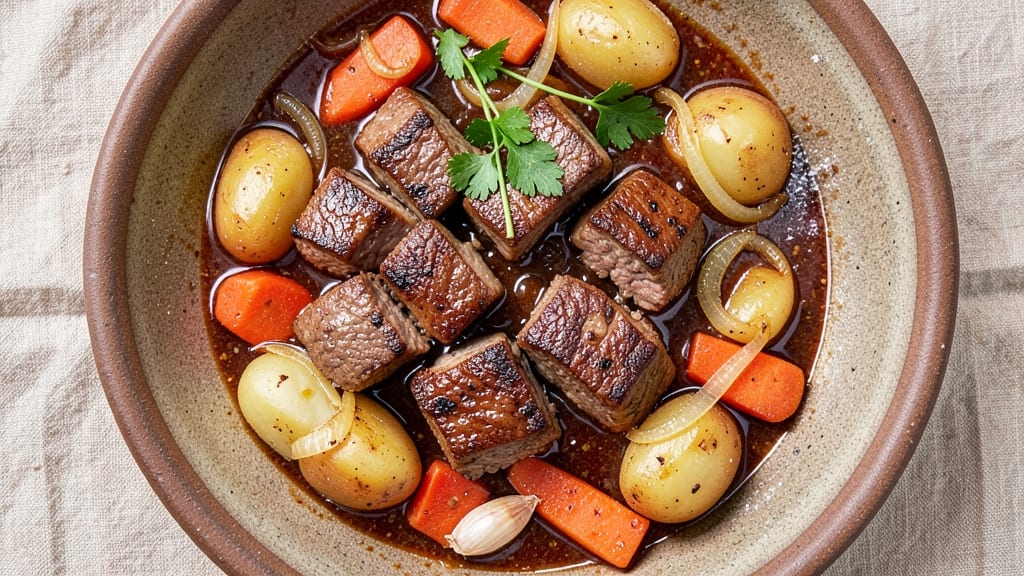
Betty Crocker's classic beef stew recipe delivers the comforting flavors of a homestyle pot roast, where tender beef and hearty vegetables melt into a rich, savory broth.
This is the kind of dish that transforms a simple weeknight into a cozy family meal, with layers of flavor built through careful browning and slow simmering. The secret to achieving that restaurant-quality depth lies in the technique—never rushing the meat or skimping on the vegetables.
What sets this classic beef stew apart is its balance of simplicity and precision. You'll start with a proper sear on the beef to develop rich, caramelized flavors, then layer in potatoes, carrots, and onions for natural sweetness and texture.
The long, slow simmer—at least 2 hours—ensures the beef becomes fork-tender while the vegetables soften just enough to soak up the flavorful broth. This isn't just a stew; it's a meal that feels like a warm embrace on a chilly evening.
The result is a pot of beef stew so hearty and flavorful that every spoonful feels like a hug from your favorite home cook. The beef falls apart easily, the potatoes are creamy yet hold their shape, and the carrots add just the right amount of natural sweetness.
The broth is rich and aromatic, with just enough seasoning to enhance the natural flavors without overpowering them. This is the kind of dish that tastes even better the next day, making it perfect for meal prep or feeding a crowd.
Serve this classic beef stew with crusty bread for soaking up every last drop of that savory broth, or pair it with a simple green salad for a balanced meal.
The beauty of this recipe lies in its versatility—it's hearty enough for a winter dinner but simple enough for a quick weeknight supper. Let's get started on creating this timeless comfort food in your own kitchen.
Ingredients for betty crocker classic beef stew
Six ingredients make the base. The rest is all about technique and patience.
| Ingredient | Amount | Notes |
|---|---|---|
| Chuck Roast 🥩 | 2 ½ lb | Cut into 1-inch cubes, boneless |
| Yellow Onions 🧅 | 1 whole | Medium size, sliced into wedges |
| Carrots 🥕 | 1 ½ lb | Medium size, peeled and chopped |
| Russet Potatoes 🥔 | 2 lb | Cut into 1-inch chunks, peeled |
| Garlic Cloves 🧄 | 4 cloves | Minced, fresh preferred |
| All-Purpose Flour 🌾 | 2 tbsp | For browning beef |
| Beef Broth 💧 | 4 cups | Low-sodium preferred |
| Tomato Paste 🍅 | 2 tbsp | Squeeze tube works fine |
| Worcestershire Sauce 🍯 | 1 tbsp | For depth of flavor |
| Dried Thyme 🌿 | 1 tsp | Or 1 tbsp fresh |
| Salt 🧂 | 1 ½ tsp | Kosher or sea salt |
| Black Pepper 🌶️ | ½ tsp | Freshly ground preferred |
| Bay Leaves 🌿 | 2 whole | Removed before serving |
| Olive Oil 🫒 | 2 tbsp | For searing beef |
The chuck roast is your secret weapon—Costco or Walmart usually have it pre-cut, but if you're buying a whole roast, ask the butcher to cube it for you. Look for good marbling (those white streaks of fat) because that's what makes the meat tender. Kroger's house brand is solid if you're on a budget, but Boar's Head chuck is worth the splurge for a special dinner. The potatoes and carrots? Organic if you can swing it—they're less likely to have dirt or pesticides. Baby carrots work fine too, but whole carrots hold up better during the long simmer. I always peel mine, but if you're feeling fancy, leave the skins on for extra texture.
No beef broth? Chicken broth with an extra splash of soy sauce works in a pinch, but it won't have that deep beefy flavor. Fresh thyme is ideal, but dried at one-third the amount gets you close. Worcestershire sauce giving you trouble? A teaspoon of soy sauce plus a dash of molasses mimics it pretty well. The tomato paste can be the squeeze tube kind from Trader Joe's—no waste, and it keeps forever. Skip the pre-minced garlic though. Fresh takes 30 seconds to chop and makes a world of difference. The bay leaves? Dried or fresh, but dried are easier to find.
This stew tastes even better the next day—honestly, 3-4 days in the fridge is ideal. Freezes beautifully for up to 3 months, so make a double batch. I portion mine into containers with a layer of broth on top to keep everything moist. The broth thickens as it cools, so add a splash of water or broth when reheating. Serve with crusty bread (the kind that turns to mush when dunked) and you've got a meal that feels like a hug.
Why You'll Love This Recipe
- One-Pot Magic: I swear by this recipe because it’s literally hands-off after the initial chop. Toss chuck roast, onions, carrots, and potatoes into a pot—no fancy layers, no stress—and let the slow simmer work its magic. The only thing I do? Stir once, then walk away.
- Garlic-Packed Depth: That minced garlic? Oh, it’s the secret weapon. When it caramelizes into the rich, savory broth, you get this layered flavor—earthy, sweet, and just a little umami punch. Honestly, my husband always asks for the recipe after the first bite.
- Leftovers for Days: This stew tastes better the next day, and I’m not just saying that. The potatoes soak up the broth perfectly, and the beef gets even more tender. I make a double batch on Sundays—freezer meals solved, and no sad lunches midweek.
- Budget-Friendly Feast: Chuck roast is cheap, but it feels like a splurge. For under $15, I feed four people a meal that feels restaurant-worthy—no takeout guilt, just hearty, satisfying bowls. Plus, the veggies stretch the flavor, so every bite feels intentional.
Step-by-step instructions for hearty beef stew
This classic beef stew delivers deep flavor and tender meat—straightforward steps for perfect results.
Brown the Chuck Roast in Olive Oil
Heat the 2 tablespoons olive oil in a large Dutch oven over medium-high heat until shimmering. Add the 2.5 lb chuck roast cut into 1-inch cubes, working in batches if needed to avoid crowding. Let the meat sear undisturbed for 3-4 minutes per side until deeply browned—this builds rich flavor that forms the stew's foundation.
Here's the thing—don't rush this step. You'll see the edges develop a dark golden crust, and that's your signal to flip. If the pan gets too crowded, the meat will steam instead of brown. I press down gently on the cubes during the first minute to prevent curling, which ensures even contact with the pan.
Sauté Vegetables and Deglaze the Pan
Once all the beef is browned, remove it from the pot and set aside. In the same Dutch oven, add the 1 whole yellow onion sliced into wedges and the 1.5 lb carrots chopped into 1-inch pieces. Cook for 5 minutes until the onions soften and the carrots begin to caramelize slightly.
Add the 4 cloves minced garlic and cook for another 30 seconds until fragrant. Now pour in the 2 tablespoons tomato paste and stir to coat the vegetables. Let it cook for 1 minute before adding the 2 tablespoons all-purpose flour. Stir constantly for 1 minute to remove any raw flour taste and create a light roux.
Slowly pour in the 4 cups beef broth while stirring to combine. Scrape up any browned bits from the bottom of the pot—this is where all the flavor hides. Return the beef to the pot and bring everything to a gentle simmer.
Season and Simmer the Stew
Add the 2 lb russet potatoes cut into 1-inch chunks, 1 tablespoon Worcestershire sauce, 1 teaspoon dried thyme, 1.5 teaspoons salt, 0.5 teaspoon black pepper, and 2 whole bay leaves. Stir gently to combine, then reduce heat to low and cover the pot.
This is where patience pays off. Let the stew simmer for 1 hour to 1 hour 15 minutes until the beef is fork-tender and the potatoes are easily pierced with a knife. You'll know it's ready when the meat pulls apart easily and the broth has thickened slightly. If the stew looks too thin, uncover and simmer for another 10 minutes to reduce.
Real talk: Your oven might run hot, so start checking at the 20-minute mark for doneness. The potatoes should be tender but not falling apart, and the beef should be meltingly soft. If it's not quite there, just keep simmering—it'll come together.
Finish and Serve
Remove the 2 whole bay leaves before serving. Taste the stew and adjust seasoning if needed—sometimes the broth needs a little more salt or pepper to balance the flavors. The stew should be rich, hearty, and full of tender beef and vegetables.
Serve the stew hot with crusty bread or over buttered egg noodles. The flavors will only deepen as it sits, so it tastes even better the next day. This classic recipe delivers comfort food at its finest—just like Grandma used to make.
Pro Tips For Making Betty Crocker Classic Beef Stew
- SEAR THE ROAST FIRST: That Betty Crocker packet might say "simmer everything together," but skip the step where you toss raw chuck into cold broth—it’ll turn out gray and bland. Instead, sear the roast in batches over medium-high heat for 3-4 minutes per side until deep brown. The crust locks in flavor and makes the stew taste like it simmered all day, not just a few hours.
- CUT ONIONS IN EVEN SLICES: The recipe probably says "chopped onions," but I learned the hard way—uneven pieces burn at different rates. Cut them into ¼-inch slices instead of random chunks, so they soften uniformly without turning to mush or sticking to the bottom. (Yes, it’s more work, but your stew won’t taste like onion puree.)
- ADD POTATOES LAST: The recipe might call for potatoes early, but trust me: they’ll turn to glue if you throw them in too soon. Wait until the meat is almost tender (about 1.5 hours in) before adding them—this keeps them fluffy and intact. If you’re in a hurry, parboil them for 5 minutes first, but drain well to avoid watering down the stew.
- SKIP THE BOILING BROTH: The recipe likely says to dump in all the broth at once, but that’s a fast track to a watery stew. Instead, deglaze the pan after searing the meat with just ½ cup of broth, scraping up every browned bit—this builds flavor. Then add the rest. The difference is night and day, especially if you’re using low-sodium broth.
Storing and reheating this recipe
Fridge Storage Secrets
Let your stew cool to room temperature for no more than 2 hours before transferring to an airtight container—I use glass Pyrex with snap-on lids to preserve freshness.
Store at 40°F or below for up to 4 days, but honestly, it tastes best after 24 hours as flavors meld together. The broth thickens naturally in the fridge, so add a splash of water or beef broth when reheating. 🌡️
Freezer Prep Tips
For long-term storage, freeze this stew for up to 3 months without losing quality. Portion into quart-sized freezer bags (I use Stasher bags for easy reheating) and squeeze out excess air to prevent freezer burn.
Leave 1-inch headspace for expansion—trust me, you don't want a frozen mess! Label with the date so you can track freshness. ❄️
Stovetop Reheating
My preferred method is stovetop because it maintains the perfect texture. Pour stew into a heavy-bottomed pot and heat over medium-low heat for 10-15 minutes, stirring occasionally. Add ¼ cup water or beef broth if it looks too thick.
Taste and adjust seasoning—fridge storage can make flavors mellow, so a pinch of salt or pepper often helps. The key is gentle heat to avoid breaking up the meat. 🔥
Microwave Shortcuts
For quick reheating, transfer stew to a microwave-safe dish and cover with a damp paper towel. Heat on 50% power for 3-4 minutes, stirring halfway. If it's too thick, add 2-3 tablespoons broth and microwave for another 30 seconds.
This method works best for single servings—just don't skip the stirring! The damp towel prevents splattering and keeps flavors contained. 💫
Oven Refresh Method
For a restaurant-quality reheat, preheat your oven to 300°F and transfer stew to an oven-safe dish. Cover tightly with foil and bake for 20-25 minutes, stirring once halfway.
This gentle heat keeps the meat tender and the broth rich. I use this method when serving guests—it feels special and tastes even better than the original! 🍽️
Serving Leftovers
Leftovers taste even better the next day—just like Grandma used to say! Serve with crusty bread or buttered egg noodles to soak up every last drop of that flavorful broth. For extra richness, top with a dollop of sour cream or sprinkle with fresh parsley.
The stew's depth of flavor makes it perfect for meal prep all week long. 💡
Nutrition facts
Frequently asked questions
Can I substitute chuck roast with another cut of beef?
You can use stew meat or chuck shoulder as direct substitutes—they're cut from the same primal and have similar fat content. For leaner options, try top round, but it won't be as tender. Never use tenderloin or sirloin—they'll turn tough when simmered.
How do I make this stew thicker?
Simmer uncovered for 10-15 minutes to reduce the liquid, or mix 1 tablespoon cornstarch with 2 tablespoons cold water, stir into the stew, and cook for 5 more minutes. For a richer texture, mash a few cooked potatoes and stir them back in.
Can I make this in an Instant Pot?
Yes! Sear the beef first, then add all ingredients and cook on high pressure for 40 minutes, followed by a 10-minute natural release. The potatoes may break down more, so use smaller chunks or add them after pressure cooking.
Why does my stew taste bland?
Check your seasoning—add ½ teaspoon salt or ¼ teaspoon pepper at a time. Browning the beef properly is key; if it's pale, sear it longer. For depth, add a splash of soy sauce or 1 teaspoon smoked paprika while simmering.
What's the best way to reheat frozen stew?
Thaw overnight in the fridge, then reheat on the stovetop over low heat for 15-20 minutes, stirring occasionally. For frozen stew, use medium-low heat for 30-40 minutes, adding ¼ cup water halfway. Never microwave from frozen—it creates a mushy texture.