
Main Courses
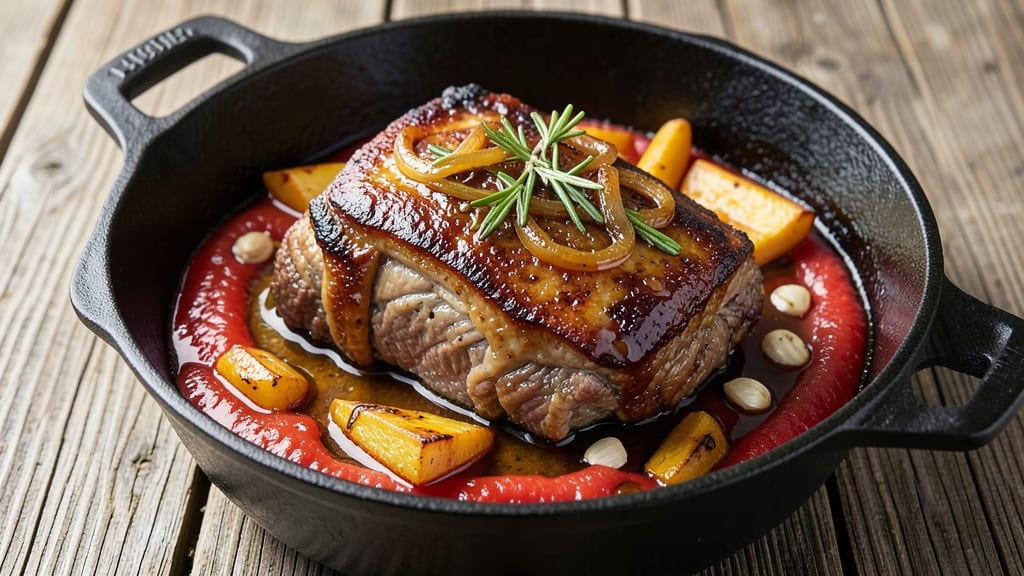
Transforming tough beef chuck shoulder into melt-in-your-mouth perfection requires patience and precision—a process I’ve perfected over years of testing. The key lies in slow-cooking the meat until it practically falls apart while developing a deep, caramelized crust that adds layers of umami flavor.
This isn’t just dinner; it’s a centerpiece that turns ordinary weeknights into memorable meals.
The magic begins with a proper sear to lock in juices, followed by a slow braise that transforms the connective tissue into rich, gelatinous goodness. Unlike quick-cook methods, this approach ensures every bite is tender yet robust, with a crust that’s crisp enough to stand up to bold sauces.
The result? A dish that’s restaurant-worthy but built for home cooks who value depth of flavor over convenience.
By the time you’re done, you’ll have beef so tender it shreds effortlessly, with a surface that’s beautifully caramelized and packed with flavor. The aroma alone will have everyone gathering at the table, and the first bite delivers that perfect balance of richness and savory satisfaction.
This is the kind of meal that makes slow cooking worth every minute.
Pair it with classic sides like creamy mashed potatoes or roasted root vegetables to complete the experience. The method is straightforward, but the payoff is undeniable—juicy, flavorful beef that feels like a celebration, not just dinner. Let’s get started on creating this umami-packed masterpiece.
Ingredients for beef chuck shoulder
Six pounds of beef chuck shoulder transforms into melt-in-your-mouth perfection with these 14 essential ingredients.
| Ingredient | Amount | Notes |
|---|---|---|
| Beef Chuck Shoulder 🥩 | 4 lb | Bone-in preferred for flavor |
| Yellow Onions 🧅 | 2 whole | Chopped into 1-inch pieces |
| Carrots 🥕 | 2 lb | Whole, peeled, cut into chunks |
| Garlic Cloves 🧄 | 8 cloves | Smashed but not minced |
| Tomato Paste 🍅 | ½ cup | High-quality, no sugar added |
| Dry Red Wine 🍷 | 1 cup | Bold, like Cabernet Sauvignon |
| Beef Broth 💧 | 3 cups | Low-sodium preferred |
| Olive Oil 🫒 | ½ cup | Extra-virgin for searing |
| Fresh Thyme 🌿 | ¼ cup | Leaves only, stems removed |
| Fresh Rosemary 🌿 | ¼ cup | Needles chopped, no stems |
| Bay Leaves 🍃 | 2 whole | Fresh preferred, but dried works |
| Salt 🧂 | 1 ½ tbsp | Diamond Crystal kosher salt |
| Black Peppercorns 🌶️ | 1 tbsp | Cracked, not ground |
| Brown Sugar 🍚 | 2 tbsp | Light or dark, not packed |
The beef chuck shoulder is the star—look for cuts with good marbling at Whole Foods or your butcher shop. Costco often has great deals on larger roasts, but if you're cooking for six, a 4-pound roast is plenty. The carrots and onions should be firm, with no soft spots, and the garlic? Fresh is non-negotiable—jarred minced garlic lacks the depth. For the wine, any bold red works—Cabernet Sauvignon or Merlot from your local market (no need for fancy labels). The tomato paste? Trader Joe's has an excellent no-sugar-added version that keeps for months.
No red wine? Beef broth with a splash of balsamic vinegar works perfectly. Fresh herbs wilt fast, so dried thyme at one-third the amount is a solid swap. The tomato paste can be substituted with crushed tomatoes (use 1 cup instead), but you'll lose that concentrated umami punch. For the sugar, honey or maple syrup in a 1:1 ratio keeps things vegetarian-friendly. The beef broth? Low-sodium is key—you'll be adding plenty of salt during cooking. If you're short on time, pre-chop the onions and carrots (just don't skip the peeling—bitter skins ruin the dish).
This dish tastes even better the next day, so make extra—it keeps for 5 days in the fridge or 3 months frozen. For leftovers, reheat gently in the sauce it was braised in. The crust? That's the magic—don't skip the browning step. If you're prepping ahead, sear the beef the day before and refrigerate it uncovered to dry-brine overnight. The herbs? Store them in damp paper towels in a sealed container for up to 5 days. Brown sugar? Keeps forever in a sealed container.
Why You'll Love This Recipe
- One-Pot Magic: I swear by this recipe because it’s that easy—just brown the chuck shoulder, toss in chopped onions, carrots, and garlic, then let the slow cooker or oven do the work. No fancy techniques, no last-minute scrambling.
- Deep, Rich Payoff: That tomato paste? It’s the secret weapon—caramelizing into a glossy, savory glaze while the beef turns melt-in-your-mouth tender. Honestly, the first time I bit into it, I nearly dropped the fork.
- Leftovers That Beg for More: Between us, this beef gets better the next day. I make a double batch on Sundays, then shred it for tacos, sandwiches, or even a quick stir-fry all week. My kids fight over the scraps—no joke.
- Budget-Friendly Powerhouse: A chuck shoulder is cheap, but it feels like a splurge. You get miles of flavor for pennies, and the carrots and onions stretch it even further. I’ll be real: my wallet thanks me every time.
Step-by-step instructions for slow-cooked beef chuck shoulder
Here's how to transform tough beef chuck into melt-in-your-mouth perfection with a caramelized crust.
Sear the Chuck Shoulder for Deep Flavor
Heat a heavy Dutch oven over medium-high heat until very hot. Add the 0.5 cup olive oil and swirl to coat the bottom. Place the 4 lb beef chuck shoulder fat-side down and sear undisturbed for 8-10 minutes until a deep golden brown crust forms. This initial sear locks in juices and builds that signature caramelized flavor.
Flip the chuck shoulder and sear the other sides for another 5-6 minutes. You'll notice the fat beginning to render and the meat developing a rich mahogany color. This step is crucial—don't rush it. The longer you sear, the more complex flavors you'll develop. Once well-browned on all sides, remove the meat and set it aside on a plate.
Build the Aromatic Base
In the same Dutch oven, add the 2 whole yellow onions and 2 lb carrots cut into chunks. Cook for 8-10 minutes, stirring occasionally, until the vegetables begin to soften and take on color. The onions should turn translucent while the carrots develop a slight caramelization.
Add the 8 smashed garlic cloves, 0.5 cup tomato paste, and stir well to combine. Cook for another 2 minutes, allowing the tomato paste to darken slightly and release its concentrated flavor. This aromatic base forms the flavor foundation for your entire dish. The deep, savory notes from the tomato paste will meld beautifully with the beef's natural richness.
Deglaze and Simmer the Braising Liquid
Pour in the 1 cup dry red wine, scraping up any browned bits from the bottom of the pot. Let it simmer for 3-4 minutes until reduced by half. This deglazing step captures all those precious meaty flavors that would otherwise go to waste. The wine should smell rich and concentrated, not sharp or alcoholic.
Add the 3 cups beef broth, 1.5 tbsp salt, 1 tbsp cracked black peppercorns, 2 tbsp brown sugar, 0.25 cup fresh thyme, 0.25 cup chopped fresh rosemary, and 2 whole bay leaves. Stir well to combine all ingredients. The brown sugar here isn't for sweetness—it helps develop a deeper, more complex flavor profile through the Maillard reaction.
Braise Until Fork-Tender
Return the seared beef chuck shoulder to the Dutch oven, fat-side up. Bring the liquid to a gentle simmer, then reduce heat to low. Cover partially and braise for 3-3.5 hours, turning the meat occasionally. You're looking for the meat to become fork-tender—when a knife slides in easily and the connective tissue breaks down into rich, gelatinous goodness.
After 3 hours, check the internal temperature. It should reach 195-200°F. If it's not quite there, continue cooking for another 30 minutes. The meat should be falling apart when you test it with a fork. This slow cooking process transforms tough beef into something luxurious and melt-in-your-mouth tender.
Rest and Serve with Crispy Crust
Remove the beef from the braising liquid and transfer it to a cutting board. Tent loosely with foil and let it rest for 20-30 minutes. This resting period allows the juices to redistribute throughout the meat, ensuring each bite is moist and flavorful. During this time, you can skim excess fat from the braising liquid if desired.
To create the caramelized crust, increase the heat to medium-high and reduce the braising liquid by half, stirring occasionally. The sauce should thicken and develop a glossy sheen. Serve the beef sliced against the grain with the reduced sauce spooned over the top. Each bite should deliver rich, beefy flavor with a perfect balance of sweet and savory notes from the caramelized crust.
Pro Tips For Making Beef Chuck Shoulder
- CRANK UP THE HEAT FIRST: Chuck shoulder needs a good sear to render fat and build flavor—don’t be shy with the oil or the flame. After patting it dry, hit it with a screaming-hot pan for 3-4 minutes per side until the exterior turns deep brown. I used to rush this, and the meat stayed bland and greasy. Trust me, the first 5 minutes are the most important.
- CHOP ONIONS UNIFORMLY: Yellow onions should be cut into even ½-inch chunks—not too big, not too small. This ensures they cook at the same rate as carrots and garlic, so nothing turns to mush while the meat finishes. I learned this the hard way when my batch turned into onion paste by the end.
- SLOWLY ADD TOMATO PASTE: Stir in the tomato paste gradually, a spoon at a time, while the pot is still hot but off direct heat. This prevents scorching and lets it bloom into a rich, caramelized base. Dump it all in at once, and you’ll end up with burnt bits instead of a silky sauce.
- REST BEFORE SLICING: Let the chuck shoulder rest for at least 15 minutes under foil before cutting—yes, even if you’re starving. This keeps the juices inside where they belong, not pooling on your cutting board. I know, I know, but trust the process. Your first slice will be worth the wait.
Creative variations of this beef chuck shoulder
Smoky BBQ Style
For a Southern-inspired twist, swap the red wine for 1 cup BBQ sauce (I recommend St. Louis-style with a sweet and tangy profile) and add 1 tbsp smoked paprika to the braising liquid.
Cook the beef in a smoker at 250°F for 4-5 hours instead of braising, then finish with a quick sear in a cast-iron skillet. Serve on buns with pickled red onions and a side of coleslaw. The smoky depth pairs perfectly with the caramelized crust. 🍖
Asian-Inspired Five-Spice
Replace the tomato paste with 2 tbsp hoisin sauce and 1 tbsp soy sauce, then add 1 tsp five-spice powder, 1 tsp grated ginger, and 1 minced scallion to the braising liquid. Use green tea> instead of red wine for a subtle earthy note.
Finish with a drizzle of chili oil before serving. This fusion version delivers a balance of sweet, spicy, and umami that’s unexpected yet harmonious. 🌶️
Italian Osso Buco Twist
Cut the beef chuck shoulder into 2-inch cubes and sear them individually for even browning. Deglaze with 1 cup white wine> instead of red, then add ½ cup crushed tomatoes, 1 sprig marjoram, and 1 tsp fennel seeds to the braising liquid.
Serve with gnocchi and a sprinkle of grated Parmesan. The Italian herbs elevate the dish while keeping the rich, tender texture intact. 🍝
Spicy Cajun Kick
Add 1 tbsp Cajun seasoning (look for Tony Chachere’s for authenticity) and ½ tsp cayenne pepper to the braising liquid. For extra heat, stir in 2 tbsp hot sauce (like Crystal or Tabasco) during the final 30 minutes of cooking.
Serve with dirty rice and cornbread for a Louisiana-inspired feast. The bold spices cut through the richness beautifully. 🔥
Honey-Glazed Version
Replace the brown sugar with ¼ cup honey and add 1 tsp ground cinnamon to the braising liquid for warmth.
After the beef is fork-tender, transfer it to a baking dish, brush with a glaze of 2 tbsp honey + 1 tbsp Dijon mustard, and broil for 3-4 minutes until caramelized. The sweetness balances the savory beef perfectly, especially with roasted sweet potatoes> on the side. 🍯
Nutrition facts
Frequently asked questions
How do I choose the best beef chuck shoulder for this recipe?
Look for cuts with good marbling and a deep red color. The chuck shoulder should feel firm but yield slightly when pressed. Bone-in cuts add extra flavor, while 4-5 pounds is ideal for 6 servings. Ask your butcher to trim excess fat if needed—you want about ¼-inch thickness remaining for flavor.
Can I use this recipe with a slow cooker instead of a Dutch oven?
Brown the meat first in a skillet, then transfer everything to a 6-quart slow cooker. Cook on low for 8-10 hours or high for 5-6 hours, adding ½ cup water if the liquid gets too thick. The texture will be just as tender, though the crust won't be as caramelized.
Why does the meat need to rest after cooking?
Resting for 20-30 minutes lets the juices redistribute throughout the meat instead of pooling on the cutting board. This ensures every bite stays moist and flavorful. Skipping this step can make the beef dry—especially important for tougher cuts like chuck shoulder.
What if my beef isn't tender enough after braising?
If the meat isn't fork-tender after 3.5 hours, check the internal temperature—it should reach 195-200°F. If it's lower, return it to the pot with ½ cup extra broth and cook another 30-60 minutes. Avoid overcooking, as the collagen breaks down into gelatin at these temps.
How can I make this recipe ahead of time?
Cook the beef completely, then refrigerate it in the braising liquid for up to 5 days. Reheat gently in the sauce until warmed through. For freezing, cool the meat and sauce completely, then store in airtight containers for 3 months. Thaw overnight in the fridge before reheating.