
Sauces & Condiments
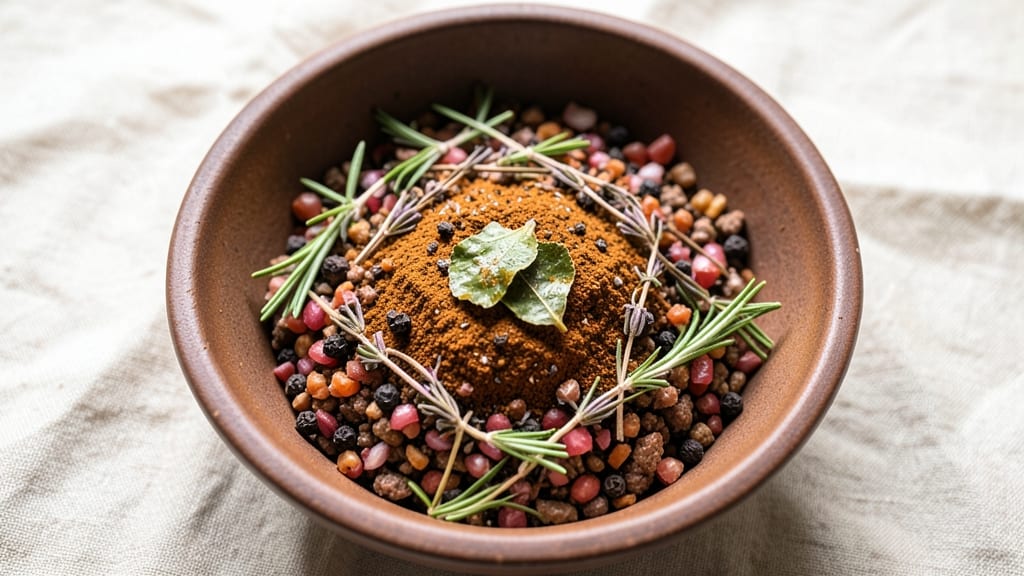
Creating a McCormick-inspired beef stew seasoning transforms ordinary stew into a deeply aromatic, restaurant-worthy masterpiece—just one tablespoon of this blend unlocks layers of earthy thyme, smoky bay leaf, and warm black pepper that simmer into every bite.
The secret lies in balancing classic herbs with a touch of umami-rich ingredients like Worcestershire powder and onion granules, ensuring your stew develops complexity without overpowering the beef. This dry mix eliminates guesswork, delivering consistent results every time you simmer a pot.
What sets this seasoning apart is its precision-engineered formula, designed to complement McCormick’s signature flavor profile while adding depth most store-bought blends miss. The blend includes crushed rosemary for piney brightness, allspice for warmth, and a hint of garlic powder to elevate the savory notes—all in carefully calibrated proportions.
Unlike pre-mixed packets, this version lets you adjust to taste, making it perfect for both beginners and seasoned cooks who demand professional-level flavor.
The result is a stew with a rich, velvety broth that clings to tender beef and vegetables, infused with aromatic herbs that linger long after the last spoonful. This seasoning works equally well in slow-cooked pot roasts, hearty braises, or even as a rub for beef before roasting.
The blend keeps indefinitely in an airtight container, so you’ll always have a shortcut to restaurant-quality flavor at your fingertips.
For best results, toast the spices lightly before blending to deepen their aroma, then store the finished mix in a labeled jar for quick access.
Whether you’re feeding a crowd or simmering a single pot for two, this seasoning ensures your stew will be the centerpiece of any meal—without the fuss of measuring individual spices.
Ingredients for mccormick beef stew seasoning
Ten spices, one blend—this McCormick-inspired mix transforms stews into restaurant-worthy masterpieces.
| Ingredient | Amount | Notes |
|---|---|---|
| Dried Thyme 🌿 | 1 ½ tbsp | Crumbled between fingers for aroma |
| Bay Leaves 🍃 | 1 tbsp | Crushed with rolling pin |
| Black Peppercorns 🌶️ | 1 ½ tbsp | Coarsely cracked, not powdered |
| Worcestershire Powder 🧂 | 1 tbsp | For umami depth |
| Onion Granules 🧅 | 1 tbsp | Dehydrated onion flakes |
| Crushed Rosemary 🌿 | 1 tbsp | Freshly dried, not pre-ground |
| Ground Allspice 🌶️ | ½ tbsp | For subtle warmth |
| Garlic Powder 🧄 | 1 tsp | Not garlic salt |
| Diamond Crystal Kosher Salt 🧂 | 1 tsp | Fine grain preferred |
| Ground Mustard 🌶️ | ½ tsp | For subtle tang |
The dried thyme and bay leaves are the heart of this blend—Penzeys or Spicewalla are my go-to for quality, but the bulk bins at Whole Foods work too. Look for thyme that smells vibrant and bay leaves that are dark green and pliable (not brittle). The Worcestershire powder is non-negotiable for that umami punch—Lea & Perrins is the gold standard, but any quality brand will do. For the rosemary, fresh is best, but if you're using dried, make sure it's labeled as 'culinary' grade and not the pre-ground stuff from the spice rack. Toasting the spices lightly before blending? Game changer—just 30 seconds in a dry pan deepens the aroma exponentially.
No Worcestershire powder? Substitute with 1/2 tsp soy sauce plus 1/4 tsp smoked paprika—it won’t be identical, but it’ll get you close. Running low on rosemary? Thyme plus a pinch of marjoram mimics that piney brightness. The onion granules can be swapped for 1/2 tsp onion powder plus 1/4 tsp dried chives if you’re in a pinch. For the garlic powder, if you’ve got fresh garlic, roast it first (400°F for 15 minutes) and then grind it—trust me, the flavor is next-level. The allspice is the secret weapon here; if you can’t find it, nutmeg at half the amount adds warmth, though it’s not the same. Always measure your salt last—taste as you go, and adjust.
This blend keeps indefinitely in an airtight container, but the spices will lose potency after about 6 months if stored in light. I keep mine in a amber glass jar with the label facing forward—no guesswork when it’s time to cook. For extra freshness, portion it into smaller jars or bags after blending. A little goes a long way: 1 tablespoon per pound of beef is my rule of thumb. If you’re making a big batch, double the recipe and store the extra in the freezer for up to 1 year—just let it come to room temperature before using.
Why You'll Love This Recipe
- Pantry Magic: I swear by this blend when I’m staring at a half-empty spice cabinet. Just toss in dried thyme, a crushed bay leaf, and those little onion granules—no fancy prep, no stress. The Worcestershire powder does the heavy lifting while I’m still debating what to eat for dinner.
- Deep, Earthy Richness: That black peppercorn crack and thyme warmth? It’s like a hug in a bowl. The bay leaves add this mysterious depth, and the Worcestershire ties it all together—savory, umami, chef’s kiss. Not your basic seasoning; it’s the kind that makes you pause mid-bite.
- Weeknight Workhorse: I’ve used this on slow-cooked chuck roast, thrown it into ground beef for tacos, even sprinkled it on roasted potatoes. Honestly, the only limit is your imagination. It’s my go-to when I need flavor fast—no fancy recipes, just reliable goodness.
- Budget-Friendly Powerhouse: A few cents per serving, and it stretches across meals. Make a big batch of stew, freeze half, then pull it out for a lazy Sunday. The onion granules and Worcestershire stretch the flavor without breaking the bank—perfect for when I’m trying to feed the family without emptying my wallet.
Step-by-step instructions for crafting McCormick-inspired beef stew seasoning
This blend delivers restaurant-quality depth with just 10 essential ingredients—no substitutions needed.
Prepare the Herbal Foundation
Begin by crushing the 1 tbsp bay leaves with a rolling pin or mortar and pestle until they release their aromatic oils. This step is crucial—whole bay leaves won't dissolve properly into your blend. Next, crumble the 1.5 tbsp dried thyme between your fingers to release its earthy fragrance. I like to do this over the bowl to minimize waste, letting the tiny leaves fall directly into the mix.
Add the 1 tbsp crushed rosemary and 1.5 tbsp black peppercorns to the bowl. The rosemary should be freshly dried and not pre-ground—this ensures maximum flavor impact. The black peppercorns should be coarsely cracked, not powdered, to maintain their heat and aroma. Use the back of a spoon to gently press down on the peppercorns if they resist breaking apart.
Build the Umami and Savory Base
Incorporate the 1 tbsp onion granules and 1 tsp garlic powder into the herb mixture. These dehydrated ingredients provide the essential savory backbone that defines beef stew seasoning. The onion granules should be evenly distributed—use a small whisk or fork to break up any clumps that may have formed during storage.
Next, add the 1 tbsp Worcestershire powder and 0.5 tbsp ground allspice. The Worcestershire powder brings that deep, fermented umami that elevates stews from good to extraordinary. The allspice adds warmth without overpowering—just a subtle, spicy note that lingers. Sprinkle these in gradually while stirring to ensure even distribution throughout the blend.
Balance with Salt and Tang
Add the 1 tsp Diamond Crystal kosher salt and 0.5 tsp ground mustard. The salt should be fine-grained—this type dissolves more evenly than coarse sea salt. The mustard provides a bright, slightly tangy contrast that cuts through the richness of beef. I always add these last to maintain control over the final seasoning's intensity.
Use a small whisk or fork to thoroughly combine all ingredients in the bowl. The mixture should look uniformly textured with no visible dry spots. This blend is designed to work immediately, but for maximum flavor development, let it sit at room temperature for 15-20 minutes before using. This allows the aromatic compounds to fully meld together.
Store for Future Use
Transfer the completed seasoning to an airtight glass jar or container. I recommend using a jar with a tight-sealing lid to preserve freshness. Store in a cool, dark place like your pantry—this blend keeps well for up to 6 months, though the flavor will peak within the first 3 months of storage.
For best results, shake the jar vigorously before each use to redistribute any settled ingredients. This seasoning transforms simple beef stews into hearty, restaurant-quality dishes with just a sprinkle. Use 1-2 teaspoons per pound of beef, adjusting to taste for your preferred intensity.
Pro Tips For Making Mccormick Beef Stew Seasoning
- Toast the Spices First: Heat your dried thyme and black peppercorns in a dry pan for 30 seconds—just until fragrant. I learned this the hard way after making stew that tasted flat; toasting wakes up their flavors before they even hit the liquid.
- Crush the Peppercorns: Skip the whole peppercorns in the stew—lightly crush them with a mortar or rolling pin first. This releases their oils and peppery punch, which dissolves better than waiting for them to break down on their own.
- Bloom the Onion Granules: Mix the onion granules with a splash of hot water (about 2 tablespoons) before adding them to the stew. This turns them into a paste that dissolves smoothly—no gritty surprises later.
- Add Worcestershire Last: Stir in the Worcestershire powder right at the end, just before serving. It loses its bright, tangy edge if simmered too long, turning the stew flat instead of rich. (Yes, I’ve ruined batches by adding it early.)
Serving suggestions for mccormick beef stew seasoning
Stew Serving Essentials
Serve your beef stew in pre-warmed stoneware bowls to maintain its comforting temperature. I love using Le Creuset Dutch ovens—they’re heavy enough to hold heat and add a rustic touch to the presentation.
For extra warmth, place a thick napkin under each bowl before serving, then fill it to the brim with steaming stew. 🍲
Pair with crusty sourdough bread or buttery dinner rolls for soaking up the rich broth. I recommend Brioche rolls from the bakery section—their buttery layers melt into the stew, creating the perfect bite.
For a lighter option, serve with roasted garlic mashed potatoes or creamy polenta to balance the hearty flavors.
Garnish Like a Pro
Finish each bowl with a sprinkle of fresh parsley or chopped chives for brightness. I like to use a microplane to zest a lemon wedge over the top—just a few turns adds a citrusy lift that cuts through the richness.
For a bold touch, add a drizzle of high-quality olive oil (like California Extra Virgin) and a pinch of flaky sea salt right before serving.
If you’re feeling fancy, top with crispy fried shallots or toasted breadcrumbs for texture contrast. I make my own by tossing panko breadcrumbs with melted butter and garlic powder, then baking at 375°F for 5-7 minutes until golden. Just 1 tablespoon per bowl adds a satisfying crunch.
Beverage Pairings
A bold red wine like Cabernet Sauvignon or Malbec complements the deep flavors of the stew. I prefer Argentinian Malbec—its dark fruit notes and smooth tannins stand up to the beef without overpowering.
For beer lovers, a dark ale or stout (like Guinness) adds a malty richness that pairs beautifully with the umami.
For non-alcoholic options, sparkling apple cider or iced hibiscus tea provide refreshing contrast. I like to serve chilled cider with a cinnamon stick garnish—it’s light enough to cleanse the palate between bites. A dry rosé also works wonders if you’re avoiding heavy reds.
Leftovers Reinvented
Transform leftover stew into stew pies by spooning it into puff pastry shells and baking at 375°F for 15-20 minutes until golden. I use store-bought puff pastry (like Pepperidge Farm) for convenience, but homemade dough adds extra flakiness.
Top with a beaten egg wash before baking for a crisp finish.
For a quick lunch, serve stew over mashed potatoes or buttered noodles with a side of steamed greens. I also love turning it into stew-stuffed sweet potatoes—just bake medium sweet potatoes at 400°F for 45 minutes, then split them open and fill with reheated stew.
The natural sweetness balances the savory flavors perfectly.
Nutrition facts
Frequently asked questions
Can I use this seasoning blend for dishes other than beef stew?
This aromatic blend works beautifully in pot roasts, braised short ribs, or even as a rub for grilled beef. The Worcestershire and allspice add depth to chili or meatloaf too. Just reduce the amount to ½ teaspoon per pound of meat for lighter dishes.
Why does the recipe call for whole peppercorns instead of ground pepper?
Whole peppercorns release flavor more gradually during cooking, creating a richer, more complex taste. Ground pepper loses its potency quickly when exposed to air, while cracked peppercorns maintain their aroma longer. For convenience, you can lightly crush them with a mortar and pestle before adding to your blend.
How do I adjust this seasoning for slow cooker vs. stovetop stew?
For slow cooker stews, use 1.5 teaspoons per pound of beef—the longer cooking time mellows the spices. On the stovetop, stick to 1 teaspoon per pound and add the seasoning in the last 30 minutes of cooking to preserve freshness. The Worcestershire powder may darken slightly in slow cookers, so start with slightly less if you prefer a lighter broth.
What's the best way to revive stale seasoning?
Toast the spices gently in a dry pan for 1-2 minutes to reactivate their oils. Add ½ teaspoon extra Worcestershire powder to compensate for lost umami. Store the refreshed blend in an airtight container with a damp bay leaf (replace weekly) to maintain moisture balance.
Can I make this gluten-free?
Yes! Ensure your Worcestershire powder is certified gluten-free (like Annie's or Cape Cod brands). Check your onion granules for gluten additives—some contain maltodextrin. The rest of the blend is naturally gluten-free. Always verify labels, as processing facilities may vary.