
Soups & Stews
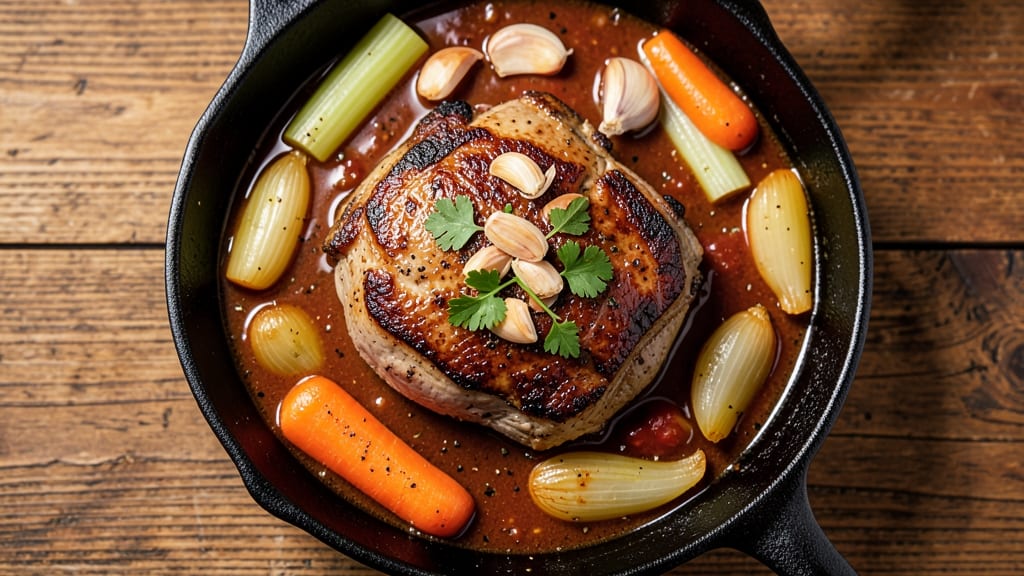
Betty Crocker’s old-fashioned beef stew recipe delivers the kind of deep, comforting flavor that transforms a simple weeknight dinner into a hearty centerpiece. This one-pot wonder relies on slow-simmered beef, tender vegetables, and a rich broth that develops layers of taste over time—just like Grandma used to make.
The secret lies in proper browning of the beef and letting it cook low and slow until every ingredient melds into perfect harmony.
What sets this stew apart is its foolproof technique for achieving restaurant-quality tenderness without requiring special equipment. You’ll start by searing the beef in batches to lock in flavor, then build the stew with aromatic vegetables and a flavorful broth base.
The long simmering time—at least 2 hours—breaks down the meat into melt-in-your-mouth perfection while allowing the vegetables to soften just enough to soak up all that rich flavor.
The result is a deeply aromatic, velvety stew with chunks of beef that fall apart at the touch and vegetables that retain just enough texture to balance the creamy broth.
The aroma alone will have everyone gathering around the table, and each bite delivers that satisfying combination of savory, sweet, and umami flavors that make this a classic. Serve it with crusty bread to soak up every last drop of that delicious broth.
This recipe is designed to be both reliable and rewarding, making it perfect for busy weeknights or cozy family gatherings. The instructions are straightforward, and the ingredients are simple—just high-quality beef, fresh vegetables, and a few pantry staples.
Whether you're feeding a crowd or simply craving a comforting meal, this old-fashioned beef stew delivers the kind of warmth and satisfaction that only a slow-cooked classic can provide.
Ingredients for betty crocker old fashioned beef stew
High-quality beef and aromatic vegetables create this deeply comforting classic stew.
| Ingredient | Amount | Notes |
|---|---|---|
| Chuck Roast 🥩 | 3 lb | Cut into 1.5-inch cubes, trimmed of fat |
| Yellow Onions 🧅 | 2 whole | Medium size, sliced into half-moons |
| Carrots 🥕 | 4 whole | Medium size, peeled and cut into chunks |
| Celery Stalks 🧆 | 4 whole | Trimmed, cut into 1-inch pieces |
| Garlic Cloves 🧄 | 6 cloves | Peeled and lightly crushed |
| Tomato Paste 🍅 | 2 tbsp | High-quality, no sugar added |
| Beef Broth 💧 | 4 cups | Homemade or low-sodium store-bought |
| Red Wine 🍷 | 1 cup | Dry red, like Cabernet Sauvignon |
| All-Purpose Flour 🌾 | 1 tbsp | For thickening, optional |
| Dried Thyme 🌿 | 1 tsp | Or 1 tbsp fresh thyme leaves |
| Dried Bay Leaves 🍃 | 2 whole | Crushed slightly for flavor |
| Salt 🧂 | 1 ½ tsp | Diamond Crystal kosher salt |
| Black Peppercorns 🌶️ | 1 tsp | Freshly cracked |
| Olive Oil 🫒 | 2 tbsp | Extra-virgin for searing |
| Fresh Parsley 🌿 | ¼ cup | Chopped, for garnish |
The chuck roast is the foundation—look for well-marbled cuts at Whole Foods or your local butcher for optimal tenderness. Pre-cut cubes from the grocery store work fine, but trimming excess fat ensures a cleaner flavor. Costco often carries large roasts at a better price per pound, perfect for feeding a crowd. Carrots and celery should be vibrant, not woody—organic produce from the farmers market has superior flavor. The garlic matters too; opt for plump cloves with no green shoots, as they pack more punch. Fresh thyme is ideal, but Penzeys dried thyme works perfectly when fresh isn't available.
No red wine? Dry sherry or additional beef broth maintains the depth of flavor. The tomato paste can be substituted with crushed tomatoes (1 cup), though it will dilute the richness slightly. For a vegetarian adaptation, swap the beef for mushrooms and lentils, adjusting the broth quantity accordingly. The bay leaves should be removed before serving—crush them between your fingers before adding to release the essential oils. If you're short on time, pre-chopped frozen vegetables work in a pinch, though fresh yields superior texture. The olive oil is critical for proper searing—avoid vegetable oils that have a lower smoke point.
This stew develops better overnight, so make it a day ahead if possible. Store in an airtight container in the refrigerator for up to 5 days, or freeze portions for 3 months. The flavors intensify with time, making it perfect for meal prep. For serving, sprinkle with freshly chopped parsley and offer crusty bread to soak up the rich broth. The leftovers reheat beautifully—simply warm on the stove with a splash of broth to restore moisture.
Why You'll Love This Recipe
- One-Pot Magic: This stew basically cooks itself while you chop a single onion and toss in the carrots and celery—no fancy techniques, just a slow simmer. Honestly, the hardest part is waiting for that deep, caramelized flavor to develop.
- Rich Without Effort: That chuck roast turns impossibly tender, and the garlic? Oh, it’s there—layered in every bite with just enough warmth to make your whole kitchen smell like a hug. The onions melt into sweetness, and the carrots stay crisp enough to bite into.
- Leftovers That Beg for More: Between us, this stew only gets better the next day. I make a double batch on Sundays, and by Wednesday, it’s the only thing anyone wants—even my picky teenager. Freezes like a dream too, so you’re set for lazy nights.
- Budget-Friendly Powerhouse: You’re getting a whole pot of hearty goodness for pennies, thanks to that chuck roast and simple veggies. It’s the kind of meal that makes you feel like you’re feeding a crowd without breaking the bank—perfect for when you’ve got guests or just want to treat yourself.
Step-by-step instructions for Betty Crocker's old-fashioned beef stew
Here's the method that delivers deep, rich flavors through precise technique and patience.
Sear the Chuck Roast in Olive Oil
Heat a large Dutch oven over medium-high heat until the olive oil shimmers. Add the 3 lb chuck roast in a single layer, working in batches if needed, and sear for 3-4 minutes per side until deeply browned. This step develops the Maillard reaction, creating complex flavors that form the stew's foundation.
Don't crowd the pot—this prevents proper browning. I press down gently on the roast with a spatula during the first minute to ensure even contact with the pan. Once browned, transfer the roast to a plate and set aside temporarily. You'll notice the pan will have a rich, caramelized layer of fond that will dissolve into the broth later.
Build the Flavor Base with Vegetables and Aromatics
In the same Dutch oven, add the 2 whole yellow onions, 4 whole carrots, and 4 whole celery stalks. Cook for 5-6 minutes, stirring occasionally, until the vegetables begin to soften and the onions turn translucent. This step forms the aromatic backbone of the stew.
Add the 6 cloves garlic cloves and 2 tbsp tomato paste, stirring to combine. Cook for another 1-2 minutes until the garlic becomes fragrant. Here's where it gets important—sprinkle the 1 tbsp all-purpose flour over the vegetables and stir vigorously for 30 seconds. This creates a light roux that will help thicken the stew naturally without relying solely on reduction.
Deglaze and Simmer the Stew
Pour in the 1 cup red wine and scrape the bottom of the pot with a wooden spoon, ensuring you lift all the browned bits from the searing process. Let the wine simmer for 2-3 minutes until it reduces by half. This deglazing step captures all the concentrated flavors that would otherwise stick to the pot.
Add the 4 cups beef broth, 1.5 tsp salt, 1 tsp black peppercorns, 1 tsp dried thyme, and 2 whole dried bay leaves. Return the seared chuck roast to the pot, along with any accumulated juices. Bring the mixture to a gentle boil, then reduce heat to low, cover, and let it simmer for 2 hours. The stew should bubble gently—if it boils vigorously, it will prevent proper flavor development.
Finish and Adjust the Stew
After 2 hours, remove the lid and increase heat to medium. Let the stew simmer uncovered for an additional 30-45 minutes until the liquid has reduced slightly and the vegetables are tender enough to pierce easily with a fork. This final reduction concentrates the flavors and creates the perfect consistency.
Taste the stew and adjust seasoning if needed. The chuck roast should be fork-tender, falling apart easily when pierced. Remove and discard the bay leaves. Stir in the 0.25 cup chopped fresh parsley just before serving to add a bright, fresh finish that balances the rich flavors.
Pro Tips For Making Betty Crocker Old Fashioned Beef Stew
- BROWN THE ROAST FIRST: The Betty Crocker recipe might skip this, but searing the chuck roast in batches—skin-side down for 3-4 minutes per side—builds flavor that the slow simmer can’t create alone. I learned this the hard way when my stew tasted more like broth than beef.
- CHOP VEGETABLES UNIFORM: Cut onions, carrots, and celery into ½-inch chunks—no smaller, or they’ll turn to mush. The recipe calls for "diced," but I used to eyeball it, and the texture suffered. A quick 10-minute prep job saves you from gummy veggies later.
- SIMMER COVERED, NOT BOILING: Keep the stew at a gentle simmer (tiny bubbles, not rolling) to avoid tough meat. After the first hour, I lower the heat to medium-low and prop the lid slightly ajar—just enough to let steam escape. This keeps the liquid rich without overcooking the beef.
- SALT THE WATER LIKE THE SEA: The recipe’s broth base needs bold flavor. Before adding water, dissolve 1½ teaspoons of salt in it—more than you’d use for pasta water. Trust me, your stew will taste homemade, not like a box mix. (Yes, even if the recipe says "salt to taste" later.)
Regional styles of this recipe
Classic American Heartiness
This stew embodies the soul of American comfort food, where a tough cut of beef becomes melt-in-your-mouth tender through slow cooking. The technique mirrors what you'd find in traditional Midwestern homesteads, where chuck roast was a budget-friendly protein that transformed into something luxurious.
The red wine addition—often Cabernet Sauvignon—was a nod to French influences that became popular in 19th-century American kitchens. I always think of this as the ultimate "feed the family" stew, perfect for cold winters or game-day gatherings. 🥘
Southern Slow-Cooked Tradition
In the South, this stew takes on a deeper, almost smoky character thanks to the long simmer and the use of dried bay leaves and thyme.
Many Southern cooks add a splash of hot sauce or a pinch of cayenne pepper at the end for a subtle kick—just ¼ tsp is enough to wake up the flavors.
The tradition here is to serve it with cornbread instead of crusty bread, letting the sweetness of the corn complement the stew's richness. I've seen families pass down their own variations for generations, often adjusting the vegetable ratios based on what's fresh from the garden.
Mid-Atlantic Wine-Inspired Twist
The Mid-Atlantic region, particularly areas like Maryland and Virginia, often incorporates local wines into their stews. Instead of red wine, some cooks use dry Riesling or even a splash of apple cider vinegar for brightness.
The key here is balancing acidity—1 tbsp vinegar can replace the wine entirely if you're avoiding alcohol. This variation keeps the stew light enough to pair with summer vegetables like zucchini or green beans, making it a versatile year-round dish. 🍷
New England Rustic Adaptation
Up north, this stew becomes a true winter warmer, often thickened with mashed potatoes instead of flour. The technique involves simmering the stew until the potatoes break down and absorb the broth, creating a creamy, hearty texture.
Some cooks even add kale or collard greens in the last 30 minutes of cooking to incorporate seasonal produce. The result is a stew that feels like a hug in a bowl—perfect for New England's long, cold winters.
I've made this version with local maple syrup (1 tsp) for a subtle sweetness that balances the savory notes.
Western Ranch-Style Variation
Out West, particularly in ranch country, this stew often includes diced potatoes and corn kernels for a heartier texture. The potatoes are added in the last 45 minutes of cooking to prevent them from turning mushy.
Some cooks also swap the red wine for beer (like a light lager), which adds a malty depth that pairs beautifully with the beef. This version is a staple at cattle drives and rodeos, where it's served in cast-iron skillets straight from the campfire.
The beer addition is a game-changer—I recommend Coors Banquet for its clean, crisp profile. 🌽
Modern Shortcut Adaptation
For today's busy cooks, this stew can be adapted using a slow cooker or Instant Pot. The slow cooker method involves browning the beef first, then transferring everything to the pot and cooking on low for 8 hours or high for 5 hours.
For the Instant Pot, sear the beef as directed, then cook on high pressure for 45 minutes, followed by a 10-minute natural release. This shortcut doesn't compromise flavor—it just saves time. I've even seen cooks use pre-cut frozen vegetable mixes for convenience without sacrificing too much texture.
The key is still the long cook time to tenderize the beef properly.
Nutrition facts
Frequently asked questions
Why does this stew need to simmer for 2 hours?
The long simmer time is what transforms tough chuck roast into melt-in-your-mouth beef. At low heat, the collagen in the meat breaks down into gelatin, creating that rich, velvety texture. This slow process also allows all the flavors to meld together beautifully, resulting in a deeply aromatic stew that tastes even better the next day.
Can I substitute the red wine with something else?
Yes! For a non-alcoholic version, use 1 cup beef broth + 1 tbsp apple cider vinegar. If you prefer beer, try 1 cup light lager for a malty depth. The key is maintaining the acidity to balance the richness—just avoid sweet wines or juices that will overpower the savory flavors.
What if my stew is too thin or too thick?
For a thinner stew, simmer uncovered for 15-20 minutes to reduce the liquid. If it's too thick, stir in 2-4 tbsp hot beef broth gradually. The flour roux helps control thickness, but the natural reduction during simmering creates the perfect consistency—just adjust as needed for your preference.
How do I make this stew in a slow cooker?
Brown the beef first, then transfer everything to the slow cooker. Cook on low for 8 hours or high for 5 hours. The slow cooker maintains gentle heat, which is ideal for tenderizing the beef. Just skip the final uncovered reduction—it's not needed in a slow cooker.
What's the best way to reheat leftovers?
Gently reheat on the stove over medium-low heat until bubbling, then add 1-2 tbsp beef broth to restore moisture. Microwaving can make the stew watery—always reheat slowly to preserve the perfect texture and prevent curdling.