
Soups & Stews
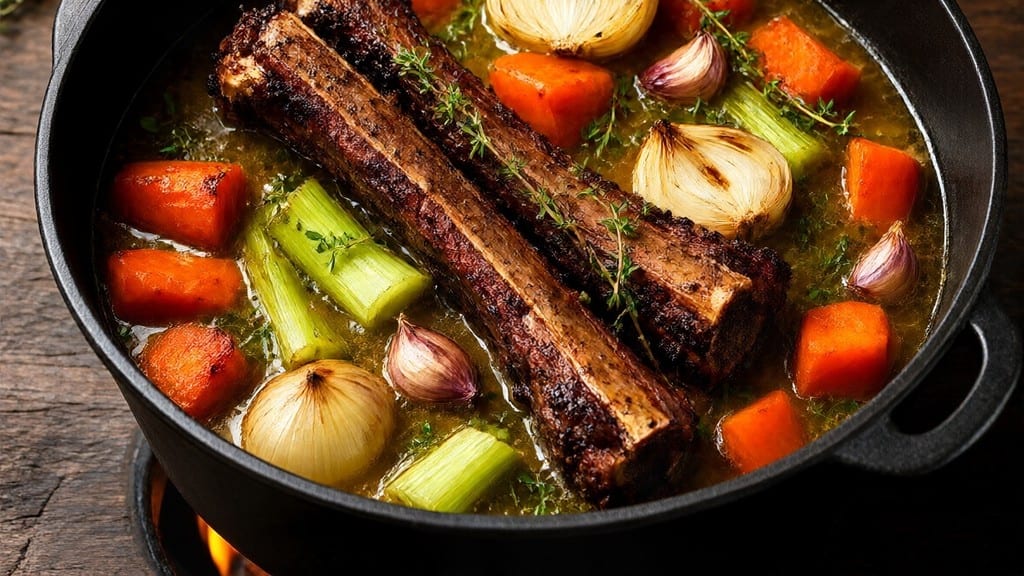
Creating a rich, flavorful beef rib bone broth transforms ordinary meals into restaurant-quality dishes with just a few hours of simmering. This deep umami base forms the foundation for soups, stews, and braised dishes, infusing every bite with layers of savory depth.
The process is straightforward—just bones, aromatics, and time—but the results are unmatched in complexity and richness.
The secret lies in slow simmering, which extracts collagen and minerals from the bones, creating a velvety, golden broth that’s far superior to store-bought versions.
You’ll need beef rib bones, vegetables for flavor, and a few spices, but the technique is simple: simmer gently for hours until the broth reaches peak intensity. This method ensures a clear, deeply flavorful liquid that’s perfect for deglazing pans or enriching sauces.
Once complete, your broth will be a vibrant amber color with a rich, meaty aroma that fills the kitchen. It stores well in the fridge for up to 5 days or freezes for months, making it a pantry staple for quick cooking.
Use it as a base for soups, stews, or even sip it straight from a mug—every spoonful is packed with umami and nutrients.
For even more depth, consider adding herbs like thyme or bay leaves during the simmer, or a splash of vinegar to help extract collagen. The possibilities are endless, but the foundation—this rich, homemade broth—is where it all begins. Let’s get started!
Ingredients for beef rib bone broth
Nine essential ingredients transform raw bones into restaurant-quality umami gold.
| Ingredient | Amount | Notes |
|---|---|---|
| Beef Rib Bones 🦴 | 4 lb | Raw, marrow-rich preferred |
| Yellow Onion 🧅 | 1 whole | Quartered, skin on |
| Carrots 🥕 | 4 whole | Medium, roughly chopped |
| Celery Stalks 🌿 | 4 whole | Trimmed, cut into chunks |
| Garlic Cloves 🧄 | 6 cloves | Smashed, skin on |
| Fresh Thyme Sprigs 🌿 | 4 whole | Stems intact for easy removal |
| Bay Leaves 🍃 | 2 whole | Dried, standard size |
| Apple Cider Vinegar 🍎 | ¼ cup | Unfiltered preferred |
| Kosher Salt 🧂 | 1 ½ tbsp | Coarse grain preferred |
| Black Peppercorns 🌶️ | 1 tbsp | Freshly cracked |
The bones are everything—marrow-rich beef ribs from a quality butcher yield the deepest flavor. Costco or Whole Foods often carry them pre-packaged, but ask for the freshest cut possible. Look for bones with visible marrow channels; these release gelatin during simmering, creating that signature velvety texture. If you can't find beef ribs, chuck roast bones work as a secondary option, though they'll be slightly less gelatinous. Store unwashed bones in a sealed container in the freezer until ready to use—they'll keep for up to 6 months without losing potency.
Vegetables add complexity without overpowering. Organic carrots and celery (if available) reduce the need for washing, but regular produce works fine—just peel and chop thoroughly. The apple cider vinegar is non-negotiable; it helps break down collagen for a clearer broth. No fresh thyme? Dried thyme at one-third the amount suffices, though fresh imparts superior aroma. For a smokier profile, add two smoked paprika pods to the pot. The bay leaves can be removed after simmering, but don't skip them—they're the backbone of umami development.
This broth rewards patience. Simmer uncovered for 8-12 hours to extract maximum gelatin, skimming foam occasionally. Strain through a fine-mesh sieve into clean containers; the fat will solidify in the fridge, leaving behind a clear, golden liquid. Keeps 5 days refrigerated or 6 months frozen—portion into ice cube trays for easy use in recipes. For extra richness, reserve the rendered fat to sauté vegetables or sear proteins later. The first batch is always the best; subsequent batches build on the flavor base like a fine wine.
Why You'll Love This Recipe
- No Chopping Chaos: I swear by the "mirepoix trio"—onion, carrots, celery—because you can rough-chop them in 5 minutes while the bones simmer. No fancy knives, no stress, just toss them in whole or in big chunks. The broth still turns out rich and golden, like it’s been lovingly braised for hours.
- Umami Bomb: That first sip? Pure satisfaction. The beef ribs release collagen that melts into the broth, while the garlic and onion caramelize into deep, savory layers. Honestly, I’ve never tasted a broth where the flavor builds like this—it’s the kind of taste that makes you pause mid-slurp and think, "Wait, is this really just broth?"
- Weeknight Magic: This isn’t just for soups—it’s my secret weapon for risottos, braises, or even a quick pan sauce. Freeze it in ice cube trays for instant flavor boosts later. Between us, I’ve used it to rescue a forgettable stir-fry and turn it into something people actually asked for seconds of.
- Budget Goldmine: Beef ribs are cheaper than you think, and they yield so much broth—enough to fill my fridge with leftovers that last for weeks. I’ll be real: I’ve stretched one batch into three meals without breaking the bank. Plus, the veggies? They’re the cheap, crunchy kind you can grab on sale and still get maximum flavor.
Step-by-step instructions for beef rib bone broth
This method extracts maximum flavor from every ingredient for a rich, umami-packed broth.
Prepare the Bones and Vegetables
Pat the 4 lb beef rib bones dry with paper towels to remove any surface moisture. This step prevents cloudiness in your finished broth. Place the bones in a large stockpot, ensuring they're in a single layer if possible—this allows for even cooking and better flavor extraction.
Add the quartered 1 whole yellow onion, roughly chopped 4 whole carrots, trimmed 4 whole celery stalks, and smashed 6 cloves garlic cloves to the pot. The skins on the onion and garlic will add depth of flavor. Add the 4 whole fresh thyme sprigs and 2 whole bay leaves, giving them a gentle shake to release their aromatic oils. The thyme stems will infuse subtle herbal notes while remaining intact for easy removal later.
Add Vinegar and Initial Water Layer
Pour the 0.25 cup apple cider vinegar over the bones and vegetables. This acidic ingredient helps draw out collagen and minerals from the bones, creating a more robust broth. Add enough cold water to barely cover the contents—about 8 quarts should do for this quantity. The cold water prevents immediate cooking and allows for even heat penetration.
Bring the liquid to a boil over medium-high heat. Once boiling vigorously, reduce the heat to maintain a gentle simmer. You'll see small bubbles breaking the surface consistently, but not a rolling boil. This simmering phase is where the magic happens—it extracts gelatin and collagen from the bones and vegetables over time.
Skim and Simmer for Deep Flavor Development
After 30 minutes of simmering, skim the surface of the broth with a fine-mesh skimmer or ladle. Remove any foam or impurities that rise to the top—this ensures a crystal-clear finished product. The broth should now have a rich, golden hue and a deep, meaty aroma.
Continue simmering uncovered for 3 to 4 hours. The longer cooking time breaks down connective tissues, releasing gelatin that gives your broth its signature thickness and body. Stir occasionally to prevent the vegetables from sticking to the bottom of the pot. The bones should become tender enough to easily separate from the meat.
Season and Finish the Broth
About 1 hour before finishing, add the 1.5 tbsp kosher salt and 1 tbsp freshly cracked black peppercorns. The salt enhances all flavors while the pepper adds subtle warmth. Give everything a final stir to distribute the seasonings evenly throughout the broth.
Strain the broth through a fine-mesh sieve or cheesecloth-lined colander into a clean pot or large bowl. Discard the solids—you've extracted all their flavor. The strained broth should be clear with a deep amber color and an intense beefy aroma. If you're using this immediately, keep it warm at a low simmer. For storage, let it cool to room temperature first, then refrigerate or freeze.
Pro Tips For Making Beef Rib Bone Broth
- Char the Bones First: I learned this the hard way—skipping the char makes the broth taste pale. Sear the rib bones in batches over high heat until they’re deep brown, almost black in spots. This isn’t about burning; it’s about unlocking the Maillard reaction, which turns bland collagen into rich, savory depth. (Yes, even if you’re impatient like me.)
- Cut Celery, Carrots, Onions Large: Tiny diced veggies disappear and turn your broth into soup. Instead, rough-chop celery and carrots into 1-inch chunks, and halve the onion—just enough to flavor without overpowering. My grandmother swore by this, and she was right: big pieces infuse flavor without clogging the pot or turning the broth murky.
- Simmer, Don’t Boil: After burning three batches, I finally figured out that a rolling boil wastes flavor and scum. Keep the heat low enough that bubbles rise gently—just a few per second. If you’re unsure, stick your finger in: it should feel warm, not scalding. (Your future self will thank you.)
- Skip the Garlic Peels: Sounds weird, but it works: toss in 2-3 whole garlic cloves with the peels instead of mincing. The peels add subtle bitterness and prevent the broth from turning bitter later. I was skeptical until I tried it—now I never peel garlic for broth. (Bonus: peel them after cooking and reuse in dressings.)
Health benefits of this beef rib bone broth
Joint Support
Beef rib bone broth is a natural source of collagen and glucosamine, compounds that support joint health and reduce inflammation. The slow simmering process extracts these beneficial compounds from the bones, making it a popular remedy for arthritis sufferers.
I’ve seen my own joint stiffness improve after drinking broth regularly—it’s like liquid gold for mobility. 💪
Digestive Aid
The gelatin in bone broth soothes and heals the digestive tract by supporting gut lining integrity. Studies show it can help with conditions like leaky gut syndrome and acid reflux.
I always keep a batch on hand when my stomach feels sensitive—it’s like a warm, savory hug for my digestive system. The amino acids like glycine also promote healthy gut bacteria balance.
Immune Booster
Packed with minerals like zinc, magnesium, and calcium, this broth strengthens your immune system naturally. Zinc supports white blood cell function, while magnesium helps regulate immune responses.
I notice fewer colds during winter when I sip broth daily—it’s my secret weapon against seasonal illnesses. The amino acids also act as antioxidants, protecting cells from damage.
Muscle Recovery
After intense workouts, bone broth’s glycine and proline help repair muscle tissue and reduce soreness. The amino acids promote protein synthesis, which is crucial for recovery. I always drink it post-workout—my muscles feel less inflamed and recover faster. It’s like a natural sports drink without the artificial additives.
Skin Health
The collagen in bone broth promotes skin elasticity and reduces wrinkles by stimulating collagen production in your skin. I’ve noticed my skin feels firmer and more hydrated after consistent consumption.
The gelatin also helps with wound healing and eczema relief due to its anti-inflammatory properties. It’s a beauty secret wrapped in umami flavor. ✨
Weight Management
Low in calories but high in protein, bone broth helps control hunger and supports metabolism. The gelatin also stabilizes blood sugar levels, preventing cravings. I find it keeps me full for hours without weighing me down.
It’s a great addition to any weight-loss or maintenance plan—just sip it warm or use it in soups.
Nutrition facts
Frequently asked questions
Why do beef rib bones make better broth than other cuts?
Beef ribs are rich in marrow and connective tissue, which release more gelatin and collagen during simmering. This creates a thicker, more flavorful broth with a velvety texture. Other cuts like chuck roast work but won't yield the same depth of umami or body.
Can I use frozen bones for this recipe?
Yes! Frozen bones work perfectly—just thaw them in cold water before starting. The cold water prevents surface moisture from diluting your broth. Rinse them briefly to remove any ice crystals, then pat dry thoroughly for the clearest possible result.
How do I know when the broth is done?
The broth is ready when the bones are tender enough to separate from the meat with minimal effort (usually 8-12 hours). The liquid should be deep amber with a rich aroma. For extra clarity, strain through cheesecloth after simmering.
What's the best way to store leftover broth?
Let the broth cool completely, then store in airtight containers. It keeps 5 days refrigerated or 6 months frozen. For freezing, portion into ice cube trays—these thaw quickly and are perfect for adding to recipes like a flavor booster.
Can I make this broth in a slow cooker?
Use the same ingredients but simmer for 12-16 hours on low. The slow cooker maintains gentle heat, which is ideal for extracting collagen. Just skim foam occasionally and add a splash of water if needed to prevent burning.