
Main Courses
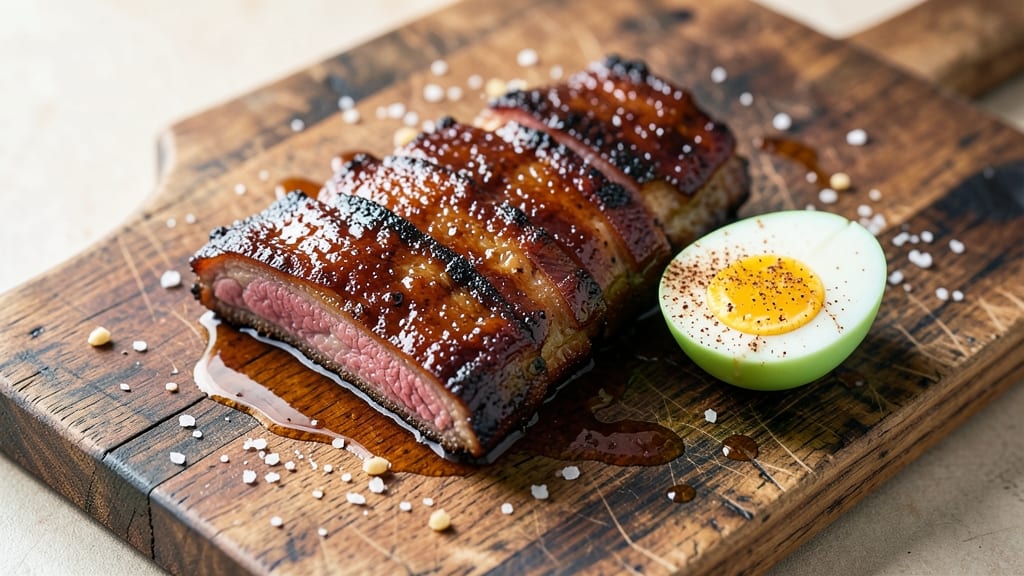
Cooking beef ribs in a Big Green Egg transforms tough cuts into fall-off-the-bone tenderness with a smoky bark that’s impossible to resist. I’ve perfected this method after years of testing—where traditional smokers fail, the Big Green Egg’s precision heat and air circulation deliver restaurant-quality results every time.
The secret lies in low-and-slow cooking with a dry rub that clings to the ribs like armor, locking in flavor as it develops.
The beauty of this recipe is its foolproof technique: no guesswork, no wasted fuel. You’ll start with a dry rub of brown sugar, paprika, and spices that caramelize into a glossy crust, while the Egg’s ceramic shell maintains an even temperature—no hot spots, no flare-ups.
The ribs rest in the Egg’s insulated chamber, basting themselves in their own juices until they’re tender enough to pull apart with minimal effort.
By the time you’re done, you’ll have ribs that are juicy, deeply smoky, and perfectly balanced—not too sweet, not too salty, just right. The bark will be dark and crackly, the meat so tender it melts at the touch.
This isn’t just a recipe; it’s a weekend project that turns your backyard into a smokehouse, delivering results that’ll have your guests asking for seconds before the plate is even cleared.
Serve with classic sides like coleslaw or cornbread, or go bold with a tangy vinegar-based sauce to cut through the richness.
The Big Green Egg makes this process rewarding and repeatable, so you’ll find yourself reaching for those ribs again and again—because once you taste them this way, store-bought just won’t compare.
Ingredients for beef ribs big green egg
Four pounds of meaty ribs plus a dry rub that turns into smoky bark. Simple ingredients, legendary results.
| Ingredient | Amount | Notes |
|---|---|---|
| Beef Ribs (Baby Back) 🥩 | 4 lb | Bone-in, meaty cuts preferred |
| Brown Sugar 🍚 | ½ cup | Light or dark, packed |
| Smoked Paprika 🌶️ | 2 tbsp | High-quality for deep flavor |
| Kosher Salt 🧂 | 2 tbsp | Diamond Crystal preferred |
| Black Pepper 🌶️ | 1 tbsp | Freshly cracked for intensity |
| Garlic Powder 🧄 | 1 tbsp | Not garlic salt |
| Onion Powder 🧅 | 1 tbsp | For balanced depth |
| Mustard Powder 🍯 | 1 tsp | Adds subtle tang |
| Chipotle Powder 🔥 | 1 tsp | For smoky heat |
| Yellow Mustard 🍯 | ¼ cup | For basting, optional |
| Apple Cider Vinegar 🍎 | ¼ cup | For tangy balance |
| Wood Chips (Hickory or Oak) 🌳 | 2 cups | Soaked for 1 hour |
| Beef Broth 🍲 | ½ cup | For spritzing ribs |
| Aluminum Foil 📄 | 1 sheet | Heavy-duty for wrapping |
The ribs are the star—baby back cuts with good meat-to-bone ratio deliver the best texture. Most butchers will cut them for you if you ask, but Costco or Whole Foods often have pre-cut packs ready to go. Look for marbled cuts (fat streaks) near the bones—this ensures juiciness. If you're buying whole ribs, trim excess fat but leave the silver skin intact for moisture retention. The Big Green Egg’s ceramic shell means you can skip the expensive wood pellets—hickory or oak chips work perfectly, and soaking them for an hour ensures steady smoke without flare-ups. I always double-check my wood chips are freshly split, not dusty or brittle.
No smoked paprika? Substitute half the amount with regular paprika plus a pinch of liquid smoke—it won’t be identical, but close. Mustard powder can be swapped for Dijon powder at double the amount, though the tang won’t be as bright. Running low on beef broth? Chicken broth works, but add a splash of Worcestershire sauce to mimic depth. The yellow mustard and apple cider vinegar combo is non-negotiable for that tangy-sweet balance—skip either and you’ll lose the magic. For the rub, toast your spices lightly in a dry pan before mixing to wake up their flavors (30 seconds max—don’t burn them). The Big Green Egg’s even heat means you can use less wood chips than you would on a traditional smoker.
Prep the ribs the night before: pat dry with paper towels and refrigerate uncovered to dry the surface—this helps the rub stick. The rub itself keeps indefinitely in an airtight container, so make extra. For the wood chips, soak them in water and store in a sealed bag in the fridge for up to 3 days—no need to soak fresh each time. Leftover ribs reheat beautifully: wrap tightly in foil and bake at 300°F for 15 minutes, then unwrapped for 5 more to crisp the bark. The Egg’s insulated chamber means ribs stay tender for 3-4 days in the fridge—portion them into individual rib sections for easy serving.
Why You'll Love This Recipe
- Big Green Egg Magic: That cast-iron lid? It turns tough ribs into melt-in-your-mouth tenderness with almost no effort. Just season, smoke, and let the egg do the work—no babysitting required.
- Sweet-Smoky Bomb: Brown sugar and smoked paprika create this perfect balance of caramelized sweetness and deep, woodsy heat. The ribs practically fall apart when you pull them, and the sauce? Sticky, rich, and worth licking the plate for.
- Tailgate or Tuesday: Honestly, this recipe works for everything. Pack it for a summer cookout or throw it on the grill when you’re craving ribs but don’t want to slave over them. Even my picky teen uncle asks for seconds—(yes, even on a Tuesday night).
Step-by-step instructions for smoky Big Green Egg ribs
Here's the method that delivers fall-off-the-bone ribs with that coveted smoky bark.
Prepare the Ribs and Dry Rub
Remove the beef ribs from the refrigerator and let them sit at room temperature for 30 minutes. This ensures even cooking throughout. Pat the ribs dry with paper towels—removing all moisture is crucial for that perfect bark. I press firmly between the bones to get every last drop of surface moisture.
In a large bowl, combine the 0.5 cup brown sugar, 2 tbsp smoked paprika, 2 tbsp kosher salt, 1 tbsp black pepper, 1 tbsp garlic powder, 1 tbsp onion powder, 1 tsp mustard powder, and 1 tsp chipotle powder. Mix thoroughly with your hands or a fork until you have a fine, even powder. This is your dry rub—the flavor foundation for the entire dish.
Generously coat the ribs with the dry rub, pressing it into every crevice and bone. I like to work in batches if needed, making sure each rib gets equal attention. Place the rubbed ribs on a wire rack set over a baking sheet and refrigerate for at least 2 hours—this allows the rub to penetrate deeply and develop maximum flavor. Don't skip this step; it's what transforms good ribs into exceptional ones.
Set Up the Big Green Egg for Indirect Heat
While the ribs are marinating, prepare your Big Green Egg. I use a medium charcoal fire—about 15-20 lumps of charcoal—for indirect heat cooking. Arrange the coals on one side of the egg, leaving the other side completely clear. This creates a two-zone fire, which is perfect for maintaining consistent temperature without direct flame exposure.
Place the 2 cups wood chips (hickory or oak) in a smoker box or directly on the coals. As the wood chips smoke, you'll want to maintain a gentle, steady stream of smoke—this is what gives your ribs that authentic barbecue flavor. If the smoke becomes too thick, open the lid slightly to let some escape. The goal is clean, flavorful smoke, not a smoky sauna.
Once the coals are well-established and producing smoke, place a drip pan filled with 0.5 cup beef broth on the opposite side from the coals. This helps maintain moisture in the cooking chamber and prevents the ribs from drying out during the long cook. The temperature inside should stabilize around 225°F—this is the sweet spot for tender, fall-apart ribs.
Cook the Ribs Low and Slow
When the Big Green Egg reaches 225°F, place the ribs on the grill, bone-side down. Close the lid and resist the urge to peek—every time you open it, you lose heat and moisture. I've found that 3-4 hours is typically enough time for the ribs to reach 195-203°F internal temperature, but this can vary based on your egg's heat retention.
Here's the thing about Big Green Egg ribs—patience is key. You'll notice the ribs begin to develop a dark, glossy bark after about 2 hours. This is your visual cue that the rub is caramelizing and creating that coveted crust. The ribs are done when they pull apart easily with tongs and the meat slides off the bone with minimal resistance. Use a meat thermometer to check the thickest part of the ribs—203°F is your target for maximum tenderness.
During the last 30 minutes of cooking, you can optionally brush the ribs with a mixture of 0.25 cup yellow mustard and 0.25 cup apple cider vinegar. This adds a tangy brightness that cuts through the richness of the meat. I like to do this in 10-minute intervals to prevent the mustard from burning.
Wrap for Maximum Tenderness (The Texas Crutch)
When the ribs reach 195°F, it's time to implement the Texas Crutch—a technique that guarantees tender, juicy ribs every time. Remove the ribs from the grill and place them on a large sheet of aluminum foil. I like to fold the foil into a loose packet, leaving a little room for the ribs to breathe but not so much that they dry out.
Pour 0.25 cup apple cider vinegar and 0.25 cup yellow mustard over the ribs, then seal the foil tightly. The vinegar and mustard work together to break down the collagen in the meat, while the foil traps steam, ensuring the ribs cook through to perfection. Return the wrapped ribs to the grill and continue cooking until they reach 203°F—this usually takes another 1-2 hours, depending on your egg's heat.
This wrapping step is what transforms tough, chewy ribs into melt-in-your-mouth masterpieces. The combination of heat, moisture, and acidity does all the work for you. Just be sure to keep the lid closed and maintain that 225°F temperature—consistency is everything.
Rest and Serve
Once the ribs reach 203°F, remove them from the grill and let them rest for 15-20 minutes. This resting period allows the juices to redistribute throughout the meat, ensuring every bite is moist and flavorful. I like to tent the ribs loosely with another sheet of foil during this time to keep them warm.
To serve, carefully open the foil packet and transfer the ribs to a cutting board. The bark should be dark and glossy, with a beautiful mahogany color. The meat should pull apart easily, with no resistance when you try to separate the bones. If the bark seems too dry, you can brush it with a little more mustard-vinegar mixture before serving.
Slice the ribs between the bones and serve immediately. The contrast of the smoky, crispy bark with the tender, juicy meat is what makes these ribs so unforgettable. Pair them with classic barbecue sides like coleslaw, baked beans, or cornbread for the ultimate Big Green Egg feast.
Pro Tips For Making Beef Ribs Big Green Egg
- CRACK THE RIB BONE FIRST: Baby back ribs have that stubborn membrane on the bone side—peel it off before seasoning or it’ll stay chewy. I used to skip this, and my ribs always felt tougher than they should’ve. Grab a butter knife, slide it under the membrane near the bone, and pry it off in one clean motion. No knife skills? Use a spoon—just be patient.
- SALT THE RIB EARLY: Don’t wait until the last minute to season—get those ribs salty at least 2 hours before cooking. The Big Green Egg’s high heat caramelizes the salt faster than you’d expect, and you’ll end up with bland ribs if you rush it. Trust me, I’ve learned this the hard way during last-minute BBQ panics.
- DON’T DROWN THE SUGAR: Brown sugar burns fast in the Big Green Egg’s direct heat. Mix it with a splash of apple cider vinegar or water (about 1 tablespoon per ¼ cup sugar) to keep it from turning into blackened charcoal. I used to just dump it on dry, and half the time, my ribs tasted like burnt caramel instead of sweet glaze.
- WRAP THEM LOW AND SLOW: Once you hit 225°F, wrap the ribs in foil with a splash of beef broth—not too tight, or they’ll steam like sad leftovers. The goal is to cook them indirectly for 2–3 hours, letting the collagen break down without drying out. I used to blast them high and fast, and they’d come out tough as boot leather.
Best sauces and condiments for these flavors
Classic Mustard Sauce
This tangy, creamy sauce is my go-to for cutting through the richness of Big Green Egg ribs. I make it with ½ cup yellow mustard, ¼ cup apple cider vinegar, 2 tbsp honey, and 1 tbsp Worcestershire sauce.
Simmer all ingredients together for 5 minutes until slightly thickened, then strain for a smooth texture. Serve warm—it pairs perfectly with the ribs' smoky bark. 🍯
Spicy Chipotle Glaze
For a bold, smoky kick, blend ¼ cup chipotle peppers in adobo, 3 tbsp apple cider vinegar, 2 tbsp brown sugar, and 1 tsp smoked paprika until smooth. Simmer the mixture for 8-10 minutes> until it thickens into a glossy glaze.
Brush this over the ribs during the last 30 minutes> of cooking for a fiery finish that complements the tender meat.
Honey Butter Sauce
This sweet and savory sauce is a crowd-pleaser. Melt ½ cup unsalted butter> with ¼ cup honey> and 1 tbsp apple cider vinegar> in a saucepan over low heat>. Stir in 1 tsp Dijon mustard> and ½ tsp garlic powder> for depth.
Drizzle over sliced ribs or serve on the side for dipping. The honey softens the bark slightly while adding a touch of sweetness. 🍯
Smoky Tomato Jam
For a sweet-and-savory contrast, simmer 1 cup crushed tomatoes>, ¼ cup brown sugar>, 1 tbsp smoked paprika>, and 1 tsp chipotle powder> for 20-25 minutes> until thickened. Stir in 1 tbsp apple cider vinegar> at the end for brightness.
This jam works as a glaze or a dipping sauce—its smoky depth enhances the ribs' natural flavors without overpowering them.
Garlic-Herb Butter
Infuse ½ cup melted butter> with 3 minced garlic cloves>, 1 tbsp chopped fresh rosemary>, and 1 tbsp chopped fresh thyme>. Let it steep for 10 minutes> before straining.
Drizzle this fragrant butter over sliced ribs just before serving—it adds a fresh, herby note that balances the smokiness. The garlic and herbs elevate the ribs without competing with their natural flavors. 🌿
Tangy Vinegar Aioli
Whip ½ cup mayonnaise>, 2 tbsp apple cider vinegar>, 1 tbsp Dijon mustard>, and 1 tsp smoked paprika> until smooth. Thin with a splash of water if needed. This aioli adds a creamy, tangy contrast to the ribs' smoky bark.
Serve it chilled on the side for dipping or as a drizzle over sliced ribs. The acidity cuts through the richness beautifully. 💛
Nutrition facts
Frequently asked questions
Can I use beef short ribs instead of baby back ribs in this Big Green Egg recipe?
While baby back ribs are ideal, short ribs work beautifully with adjustments. The meat-to-bone ratio is higher, so reduce cooking time by 1-1.5 hours—they’ll reach 203°F faster. Use the same rub but increase the wrap time to 2-3 hours to tenderize the tougher cuts. The Big Green Egg’s even heat makes this easier than traditional smokers.
How do I fix ribs that are too dry after cooking?
If your ribs lack moisture, the issue is usually temperature fluctuations or insufficient wrapping. For future cooks, maintain 225°F consistently and wrap at 195°F with vinegar/mustard. For already dry ribs, revive them by wrapping tightly in foil with 2 tbsp beef broth and steaming at 300°F for 15 minutes. The steam will rehydrate the meat without overcooking.
Can I make this recipe without a smoker box in my Big Green Egg?
Place soaked wood chips directly on the coals or wrap them in foil with holes poked through. The Big Green Egg’s ceramic shell distributes smoke evenly, so you won’t need a smoker box. Just monitor smoke thickness—thin, blue smoke is perfect; thick white smoke means open the lid slightly. Oak or hickory chips work best for this method.
What’s the best way to reheat leftover Big Green Egg ribs?
Reheat ribs wrapped in foil at 300°F for 15 minutes, then unwrapped for 5 minutes to crisp the bark. Avoid microwaving—it makes the meat rubbery. For extra flavor, brush with a mix of 1 tbsp mustard + 1 tbsp apple cider vinegar before reheating. Store ribs in the fridge for up to 4 days or freeze for 3 months.
Why did my ribs burn on the outside but stay tough inside?
This happens when direct heat overpowers indirect cooking. For the Big Green Egg, always use a two-zone fire (coals on one side only) and avoid placing ribs over flames. If your Egg runs hot, reduce charcoal by 25% and add more wood chips for smoke. The 225°F target is critical—use an oven thermometer to verify internal temps.