
Soups & Stews
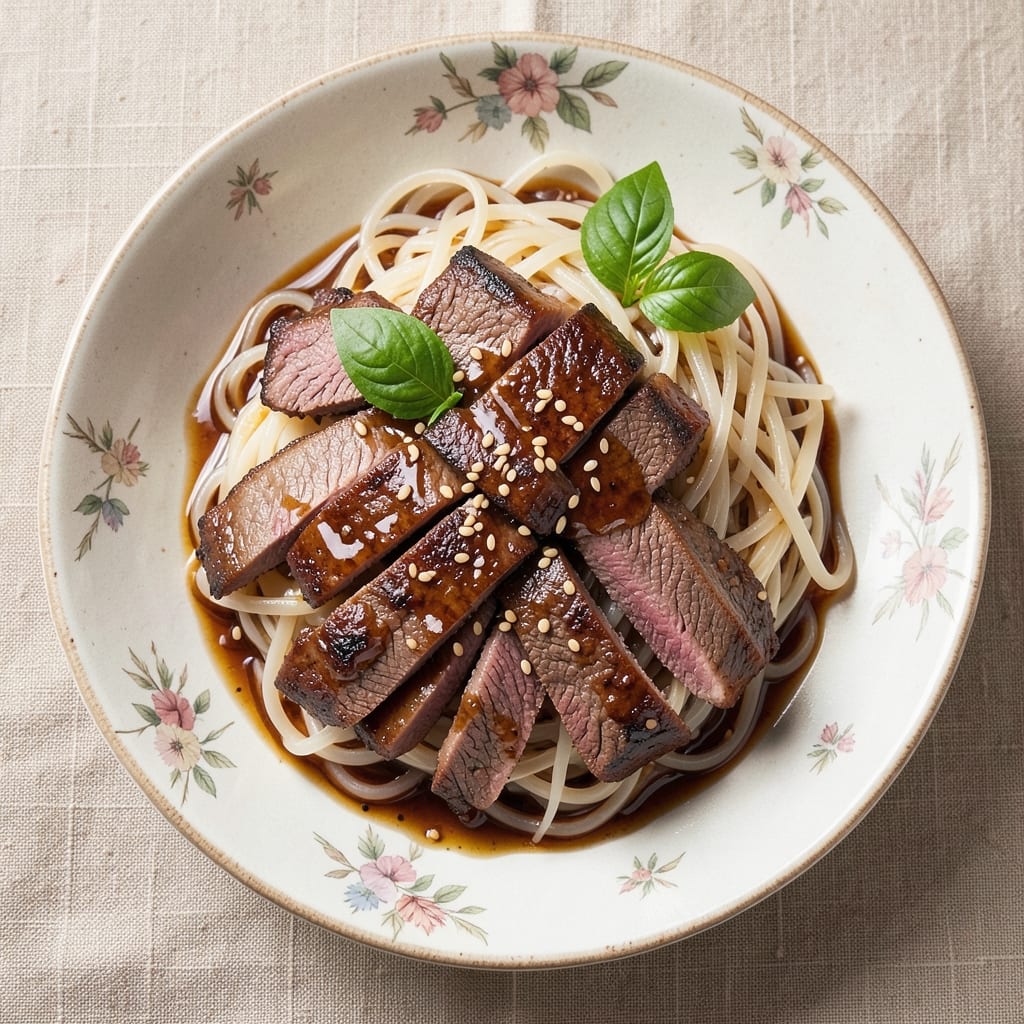
This beef and glass noodle recipe delivers the perfect balance of wok-hei crispy beef and silky, slippery noodles that make every bite irresistible. The secret lies in properly searing thinly sliced beef for maximum flavor and texture, then tossing it with pre-cooked glass noodles that absorb the savory sauce without losing their signature slurp. I've perfected this dish over countless weeknight dinners, and it's become a staple for feeding crowds with minimal effort.
The foundation of this recipe is a simple yet powerful sauce—just soy sauce, oyster sauce, and a touch of sugar—that enhances the natural beef flavor while keeping the dish balanced. Glass noodles require just a quick soak and rinse before stir-frying, ensuring they maintain that signature chewy texture. What makes this dish truly special is how the crispy beef edges contrast with the tender noodles and rich sauce in every bite.
By the time you finish cooking, you'll have a restaurant-quality dish that's ready in under 30 minutes. The beef will be perfectly seared on the outside while staying tender inside, and the glass noodles will be silky yet still hold their shape. Garnish with green onions and sesame seeds for freshness and crunch, then serve immediately while everything is hot.
This dish pairs beautifully with steamed vegetables or a simple side salad to complete the meal. The combination of textures and flavors makes it equally satisfying for weeknight dinners or special occasions. Let's get cooking!
Ingredients for beef and glass noodle
Restaurant-quality wok-hei beef meets silky glass noodles—just 12 ingredients for maximum flavor.
| Ingredient | Amount | Notes |
|---|---|---|
| Flank Steak 🥩 | 1 lb | Thinly sliced against grain |
| Dried Glass Noodles 🍜 | 8 oz | Cellophane noodles, rinsed |
| Low-Sodium Soy Sauce 🥄 | ⅓ cup | For balanced saltiness |
| Oyster Sauce 🍶 | 2 tbsp | High-quality, umami-rich |
| Granulated Sugar 🍚 | 1 tbsp | Dissolved in sauce |
| Sesame Oil 🫒 | 1 tbsp | Toasted for aroma |
| Garlic Cloves 🧄 | 4 cloves | Minced for bold flavor |
| Green Onions 🧅 | 3 whole | Sliced for garnish |
| Toasted Sesame Seeds 🌾 | 1 tbsp | For crunchy texture |
| Neutral Oil 🫒 | 2 tbsp | Vegetable or canola |
| White Pepper 🌶️ | ¼ tsp | Freshly ground preferred |
| Cornstarch 🌾 | 1 tbsp | For tenderizing beef |
The beef is everything here. Flank steak delivers that signature wok-hei texture when sliced thinly against the grain—never skip this step. Most grocery stores carry it pre-sliced for stir-fry, but if you're cutting it yourself, use a sharp knife and freeze it for 20 minutes first to make slicing easier. For the glass noodles, Asian markets have the best selection, but regular supermarkets often stock them too. Look for clear, glossy strands—they should be firm to the touch, not brittle. Cellophane noodles are a must; rice noodles won't give you that signature slurp.
No oyster sauce? Soy sauce plus a splash of fish sauce works in a pinch, though the umami depth won't be identical. The sugar here isn't sweet—it's about balancing the salty-savory flavors. If you're avoiding sugar entirely, substitute with an extra half-teaspoon of soy sauce. For the garlic, fresh is non-negotiable—dried won't give you the same punch. The cornstarch marinade is key for tenderizing the beef; let it sit for at least 15 minutes before cooking. And if you're short on sesame oil, a pinch of ground sesame seeds can mimic some of the aroma, though it won't be the same.
Prep the noodles first—they only need a 5-minute soak in hot water, then rinse immediately in cold water to stop cooking. Store them in the fridge for up to 3 days in a sealed container with a damp paper towel to keep them from drying out. The beef marinade keeps for 2 hours in the fridge, but cook it right away for maximum wok-hei. This dish is best served immediately, though leftovers reheat beautifully—just add a splash of water to prevent drying. For meal prep, portion the sauce separately and toss with reheated noodles and beef.
Why You'll Love This Recipe
- No-Slice Steak Hack: I swear by this trick—just slice flank steak against the grain after cooking, not before. The noodles soak up the juices like a dream, and you skip the tedious pre-slicing. (Yes, even on a Tuesday night.)
- Umami Bomb Combo: That low-sodium soy + oyster sauce + sugar? It’s the trifecta of restaurant-quality flavor without the salt overload. The glass noodles turn tender while the beef stays juicy—crispy edges, silky center. Honestly, I’ve made this for friends who think they hate Asian food, and they’re hooked.
- Lunchbox Legend: Between us, this keeps perfectly for 3 days in the fridge—just reheat with a splash of water. Pack it cold for work or school, and it’s still warm, flavorful, and way better than sad desk salads. My kid’s teacher actually asked for the recipe.
- Pantry Power Move: Flank steak stretches far, glass noodles cost pennies, and you’re using staples you probably already own. I’ve fed four people for under $12 with this—no fancy ingredients, no waste. (And the leftovers? Even better the next day.)
Step-by-step instructions for wok-hei crispy beef with glass noodles
Master the wok-hei technique for perfectly crispy beef and silky noodles in minutes.
Marinate and Tenderize the Flank Steak
Slice the 1 lb flank steak thinly against the grain into ¼-inch thick strips. Place them in a bowl and add the 1 tbsp cornstarch, tossing to coat evenly. This creates a delicate crust that crisps beautifully when seared.
In a small bowl, whisk together the 0.33 cup low-sodium soy sauce, 2 tbsp oyster sauce, 1 tbsp granulated sugar, 1 tbsp sesame oil, 4 minced garlic cloves, and 0.25 tsp white pepper. Pour this marinade over the cornstarch-coated beef and mix thoroughly. Let it marinate for at least 20 minutes at room temperature—this ensures maximum flavor penetration and tenderness.
Prepare the Glass Noodles
Rinse the 8 oz dried glass noodles under cold water to remove any surface starch, then soak them in a large bowl of hot water for 10-12 minutes until they become pliable and translucent. They should float freely when ready. Drain and rinse briefly with cold water to stop the cooking process—this prevents them from becoming mushy.
Drizzle the noodles with 1 tbsp neutral oil and toss gently to coat. Set aside while you prepare the beef. The oil helps maintain their silky texture and prevents sticking when tossed with the sauce.
Sear the Beef for Wok-Hei Crispiness
Heat a wok or large skillet over high heat until it's smoking hot. Add the 2 tbsp neutral oil and swirl to coat the surface. Working in batches if needed, add the marinated beef in a single layer—don't overcrowd the pan. Let it sear undisturbed for 1-2 minutes until the edges develop a deep golden-brown crust.
Stir-fry the beef for an additional 1-2 minutes until it's fully cooked through but still retains its juiciness. Remove from the wok and set aside. The high heat creates that coveted wok-hei (breath of the wok) flavor—crispy edges with tender centers.
Build the Flavorful Sauce
Return the wok to high heat and add the drained glass noodles. Toss them with tongs for 1 minute to heat through and absorb any residual flavor from the pan. Remove the noodles and set aside temporarily.
In the same wok, pour in the beef marinade (straining if needed to remove any cornstarch residue). Bring to a boil, then reduce heat to medium-high and simmer for 2-3 minutes until the sauce thickens slightly. Taste and adjust seasoning if needed—you want a balance of sweet, salty, and umami flavors.
Combine and Finish
Return the seared beef and glass noodles to the wok. Toss everything together vigorously for 1-2 minutes until the noodles are evenly coated with the sauce. The residual heat will finish cooking the beef while keeping it tender.
Garnish with 1 tbsp toasted sesame seeds and 3 sliced green onions. Serve immediately while the beef is still crispy and the noodles maintain their silky texture. Each bite should deliver a perfect contrast between the crispy beef edges and the soft, slippery noodles.
Pro Tips For Making Beef And Glass Noodle
- SEAR STEAK IN BATCHES: I learned this the hard way—trying to cook flank steak all at once in one pan just makes it steam instead of sear. Cut the steak into thin strips first, then work in two batches over medium-high heat with a splash of oil. The difference in flavor is night and day.
- SOAK NOODLES UNTIL SLIGHTLY STICKY: Glass noodles need just enough water to soften but not dissolve—aim for 5-7 minutes in hot water until they’re pliable and cling together when you press them. Drain and rinse briefly in cold water to stop cooking, then toss with a little oil so they don’t stick like glue when stir-frying.
- SAVE THE STEAK JUICES: After searing, don’t pour out that browned pan juice—it’s liquid gold for flavor. Deglaze with a splash of water or white wine (if you’re using it) and scrape up those bits before adding your sauce. That’s where half the depth of flavor hides, especially when paired with oyster sauce.
- SWEAT AROMATICS FIRST: Skip the urge to toss everything in at once. Start by cooking minced garlic and ginger in oil for 30 seconds until fragrant—just until you smell it, not until it burns. Add a pinch of sugar here to caramelize slightly, and your dish will have a complexity that just soy and oyster sauce alone can’t match.
Essential equipment for this dish
Wok Essentials
A carbon steel wok is my go-to for this recipe—it heats up fast and retains heat like a dream, which is crucial for that wok-hei crispiness. I use a 14-inch wok from Made In because it's affordable, lightweight, and gets hot enough to sear beef beautifully. If you don’t have a wok, a heavy-bottomed cast-iron skillet works too, but you’ll need to preheat it for 5-7 minutes to reach the same high heat. 🔥
For even better results, invest in a wok burner if you’re cooking on a gas stove—it gives you more control over the flame and prevents hot spots. If you’re using an electric stovetop, a stainless steel wok with a flat bottom will work, though it may take a little longer to heat up. Just
Knife and Cutting Tools
A sharp chef’s knife is non-negotiable for slicing the flank steak against the grain—it’s the only way to get those ¼-inch thick strips without tearing the meat. I recommend a Japanese-style sashimi knife or a Wüsthof Ikon for precision. If you’re not comfortable with thin slicing, ask your butcher to slice it for you—they’ll often do it for free if you buy the steak from them. 🔪
For the glass noodles, a pair of kitchen shears comes in handy if you need to trim any tangled strands. I also keep a wooden spoon nearby to toss the noodles gently—they’re delicate and can break if you use metal utensils. A fine-mesh strainer is useful for rinsing the noodles after soaking to remove excess starch.
Marinating Gear
I use a glass mixing bowl for marinating the beef because it’s easy to see the cornstarch coating evenly on the meat. A small whisk helps blend the sauce ingredients smoothly, and I like to use a measuring spoon set for precise amounts of sesame oil and white pepper. For the cornstarch marinade, a fork or chopsticks work great for tossing the beef gently to avoid tearing the thin slices. 🥄
A small saucepan is handy for quickly heating the noodle-soaking water—just bring it to a boil and pour it over the noodles in the bowl. If you’re prepping ahead, a resealable plastic bag works well for storing the marinated beef in the fridge for up to 2 hours before cooking.
Serving Tools
For serving, I love using wide, shallow bowls—they let everyone see the beautiful contrast between the crispy beef and silky noodles. A pair of long-handled chopsticks or tongs makes it easy to serve directly from the wok to the bowls. Garnishes like sesame seeds and green onions can be sprinkled from a small bowl or even a spice shaker for an easy, mess-free finish. 🍜
If you’re feeding a crowd, a large serving spoon helps portion the dish efficiently. For leftovers, I transfer them to airtight containers within 30 minutes of cooking to keep the noodles from drying out. A damp paper towel tucked into the container with the leftovers helps maintain moisture overnight.
Nutrition facts
Frequently asked questions
Why do the glass noodles need to be rinsed after soaking?
Rinsing removes excess starch that can make the noodles gummy when cooked. The quick cold water bath also stops the cooking process immediately, preserving that signature silky texture. Skip this step and your noodles will turn mushy when tossed with the sauce.
Can I use regular rice noodles instead of glass noodles?
Not for this recipe—they won't give you that signature slurp or chewy texture. Glass noodles (cellophane noodles) are made from mung bean starch and dissolve beautifully in the sauce while maintaining structure. For a similar dish, try rice vermicelli, but expect a different mouthfeel.
How do I prevent the beef from getting chewy?
Slice against the grain and marinate with cornstarch for at least 20 minutes. High heat and quick cooking (just 1-2 minutes per batch) are key—overcrowding the pan steams instead of sears. Use a meat thermometer to check for 145°F internal temp.
What's the best way to reheat leftovers?
Add 1-2 tbsp water to the pan, cover and heat on medium-low for 2-3 minutes to revive the sauce. Stir gently to avoid breaking the noodles. Microwaving works too—just cover with a damp paper towel and heat in 30-second intervals until hot.
Can I make this dish ahead of time?
Marinate the beef up to 2 hours ahead, but cook immediately for best texture. For meal prep, store components separately: cooked beef (2 days in fridge), cooked noodles (3 days with damp towel), and sauce (5 days). Reheat separately and toss together before serving.