
Main Courses
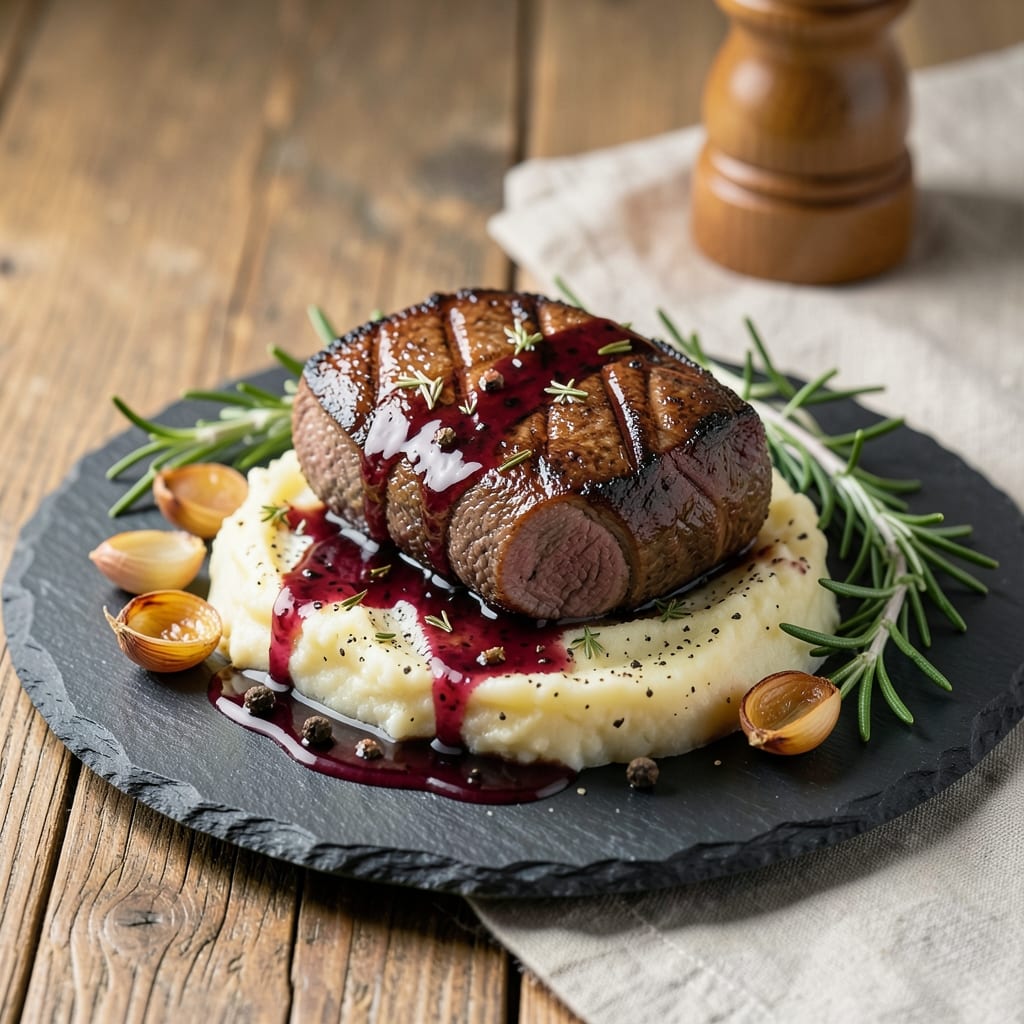
This baked beef tongue recipe transforms a humble cut into a showstopping centerpiece with buttery-soft texture and deep, savory flavor after a slow 3-hour roast. The secret lies in proper preparation—soaking, scoring, and low-and-slow cooking—that unlocks its natural richness. Unlike quick-cooked meats, beef tongue rewards patience with melt-in-your-mouth tenderness and a glossy, caramelized finish.
The process begins with trimming and soaking the tongue to remove impurities, followed by a light coating of salt and herbs that infuses during roasting. A 300°F oven ensures even cooking without drying out the meat, while basting with butter every hour keeps it moist and flavorful. This method preserves the tongue’s natural gelatin, creating a texture that’s both luxurious and satisfying.
By the final hour, your kitchen will fill with an irresistible aroma—smoky, rich, and deeply savory—that announces dinner is ready. The result is a fork-tender masterpiece with a glossy exterior and layers of flavor that pair beautifully with classic sides like roasted potatoes or a tangy red wine reduction. Serve it sliced or whole for an impressive main course that feels special yet approachable.
Perfect for holiday gatherings or a weekend project, this recipe proves that slow cooking can yield restaurant-quality results at home. With minimal effort beyond initial prep, you’ll achieve a dish that’s both impressive and deeply comforting. Let’s get started on creating your most memorable beef tongue yet.
Ingredients for baked beef tongue
Transform humble beef tongue into a luxurious centerpiece with these carefully selected ingredients.
| Ingredient | Amount | Notes |
|---|---|---|
| Beef Tongue (Whole) 🥩 | 1 whole | Fresh, trimmed of excess fat |
| Kosher Salt 🧂 | 2 tbsp | Diamond Crystal preferred |
| Black Peppercorns 🌶️ | 1 tbsp | Freshly cracked, coarse grind |
| Fresh Thyme Sprigs 🌿 | 8 whole | Stemmed, leaves only |
| Garlic Cloves 🧄 | 6 cloves | Unpeeled, lightly crushed |
| Fresh Rosemary Sprigs 🌿 | 4 whole | Needle leaves only |
| Unsalted Butter 🧈 | ½ cup | Cold, cubed for basting |
| Red Wine 🍷 | ½ cup | Bold dry variety like Cabernet |
| Beef Broth 💧 | 1 cup | Homemade or quality store-bought |
| Olive Oil 🫒 | 2 tbsp | Extra-virgin for scoring |
| Bay Leaves 🌿 | 2 whole | Fresh preferred |
| Honey 🍯 | 1 tbsp | For glossy finish |
| Fresh Parsley 🌿 | ¼ cup | Chopped, for garnish |
The beef tongue is the star—look for a fresh, plump cut with a vibrant pink hue and minimal fat. Butcher shops often carry the best quality, though some grocery stores stock it in the meat case. A whole tongue is ideal for even cooking, and trimming excess fat ensures a cleaner finish. If you can't find it fresh, frozen works too—just thaw overnight in the fridge. The Kosher salt should be Diamond Crystal if available; it dissolves more easily than Morton's. For the herbs, fresh thyme and rosemary from a trusted grocery store's produce section will give you the best aroma and flavor. Penzeys or other specialty spice shops carry excellent dried alternatives if fresh isn't available.
No red wine? Substitute with beef broth—just reduce it slightly to concentrate the flavor. Fresh herbs can be swapped for dried at one-third the amount, but fresh is preferred for that bright, aromatic punch. The butter is crucial for moisture—full-fat is non-negotiable here. If you're avoiding dairy, olive oil basting works but won't give the same richness. For scoring, olive oil prevents sticking and helps the seasoning adhere. The honey at the end isn't just for sweetness—it creates a glossy, caramelized crust that's irresistible. If you're serving this for a crowd, double the herbs and broth—they'll disappear first.
The tongue should be refrigerated immediately after roasting, wrapped tightly in foil to retain moisture. It keeps 3-4 days in the fridge, though flavor deepens over time. For long-term storage, slice and freeze portions for up to 3 months. The basting butter can be melted and saved—it's too good to waste. When reheating, low oven (275°F) or stovetop with broth prevents drying. Garnish with fresh parsley right before serving to keep it vibrant. This dish tastes even better the next day, so plan ahead—it's worth the wait.
Why You'll Love This Recipe
- Here’s what sold me: this recipe actually improves the next day. Cold slices on toast with a smear of mustard? Heaven. Thinly shaved over greens for a hearty salad? Chef’s kiss. I’ll be real, I’ve reheated it three times in the same week, and no one’s complained—yet.
- Fewer Ingredients, Bigger Payoff: I swear by this recipe because it’s that rare dish where the ingredients list is shorter than the grocery haul for most weeknight meals. Just salt, pepper, thyme, and garlic—no fancy marinades or last-minute shopping. Honestly, I keep a whole beef tongue in my freezer now because it’s the only thing I need to pull out for something impressive.
- Rich Without the Effort: That crispy skin and tender, melt-in-your-mouth center? It’s like someone else did all the hard work. The thyme and garlic infuse into the meat while you bake, and the peppercorns add a subtle kick that lingers. Between us, it’s the kind of flavor that makes people ask, “What’d you do to this?”—and I just smile and say, “Not much.”
- Leftovers That Don’t Suck: Here’s what sold me: this recipe actually improves the next day. Cold slices on toast with a smear of mustard? Heaven. Thinly shaved over greens for a hearty salad? Chef’s kiss. I’ll be real, I’ve reheated it three times in the same week, and no one’s complained—yet.
Step-by-step instructions for baked beef tongue
Transform tough beef tongue into melt-in-your-mouth perfection with this slow-roasting method.
Prepare and Score the Beef Tongue
Begin by trimming any remaining fat from the surface of the 1 whole Beef Tongue (Whole) using a sharp boning knife. This step ensures even cooking and prevents excess oil from pooling. Next, score the surface in a diamond pattern with a sharp knife, making cuts about ¼-inch deep. This creates pathways for the marinade to penetrate deeply and allows for even browning during roasting.
Place the tongue in a large bowl and rub it thoroughly with the 2 tbsp Kosher Salt and 1 tbsp Black Peppercorns, pressing the seasoning into every crevice. The salt will begin breaking down the muscle fibers, which is essential for achieving that signature tender texture. Let the seasoned tongue sit at room temperature for 30 minutes before proceeding. This resting period allows the surface to firm up slightly, preventing it from tearing when you handle it later.
Create the Herbed Marinade and Baste
In a small saucepan, combine the 0.5 cup Unsalted Butter, 0.5 cup Red Wine, 1 cup Beef Broth, 2 whole Bay Leaves, 6 cloves Garlic Cloves, 8 whole Fresh Thyme Sprigs, and 4 whole Fresh Rosemary Sprigs. Bring the mixture to a gentle simmer over medium heat and let it cook for 10 minutes until reduced by about one-third. This reduction intensifies the flavors and creates a rich, aromatic base for your tongue.
Strain the mixture through a fine-mesh sieve to remove the herbs and garlic, then return it to the saucepan. Stir in the 1 tbsp Honey and set aside. The honey adds a subtle sweetness that balances the richness of the butter and wine, while also creating a glossy finish on the tongue's surface. Preheat your oven to 325°F while you prepare the next steps.
Roast the Tongue Low and Slow
Place the seasoned tongue in a roasting pan or Dutch oven, fat-side up. Pour the herbed marinade over the tongue, coating it completely. Cover the pan tightly with foil and transfer it to the preheated oven. Roast for 2.5 hours, basting the tongue with the marinade every 30 minutes. The slow cooking process is critical—it allows the connective tissues to break down gradually, resulting in a fork-tender texture.
After 2.5 hours, remove the foil and increase the oven temperature to 375°F. Continue roasting, uncovered, for an additional 30-45 minutes until the surface becomes deep golden brown and the internal temperature reaches 195°F when measured with an instant-read thermometer. This final step creates a beautiful caramelized crust while ensuring the tongue remains moist and flavorful.
Rest and Slice for Serving
Once the tongue reaches the proper internal temperature, remove it from the oven and transfer it to a cutting board. Tent loosely with foil and let it rest for at least 30 minutes before slicing. This resting period allows the juices to redistribute throughout the meat, ensuring each slice is moist and flavorful. The tongue will continue to cook slightly during this time, so don't rush this step.
Use a sharp carving knife to slice the tongue into ¼-inch thick pieces against the grain. The grain direction will be visible as you cut—slice perpendicular to these lines for the most tender texture. Garnish each serving with 0.25 cup Fresh Parsley, chopped finely, to add a fresh contrast to the rich, buttery flavor. Serve immediately with the reserved herbed marinade spooned over the top for an elegant finish.
Pro Tips For Making Baked Beef Tongue
- CRANK THE OVEN HIGH: I learned this the hard way—beef tongue needs a screaming-hot oven (475°F/245°C) for the first 20 minutes. That initial blast renders fat fast and kickstarts the crust, or you’ll end up with something that tastes like boiled shoe leather. (Yes, I’ve made that mistake.)
- PEEL THE SKIN NOW: Don’t wait until the end to tackle the skin—blanch the whole tongue in boiling water for 10 minutes first, then peel it off when it’s still hot. Cold skin? Nightmare. It’ll cling like glue, and you’ll spend 20 minutes scrubbing it raw. Trust me, the extra 10 minutes now saves hours later.
- SALT THE GARLIC: Crush those garlic cloves before tucking them under the tongue’s skin, and sprinkle them with a pinch of kosher salt. The salt makes the garlic caramelize into the meat instead of floating away, and the crushed cloves release flavor like a slow leak—way better than whole cloves that just sit there doing nothing.
- DON’T OVERBAKE THE THYME: Fresh thyme sprigs belong on top, but pull them out at 180°F (82°C) internal temp. Any longer, and they’ll turn to bitter dust. Tuck them back in for the last 10 minutes if you want aroma, but don’t let them stew—they’ll ruin the bright herbal note you’re paying for.
Health benefits of these flavors
Rich Protein Source
Beef tongue is a powerhouse of protein, delivering about 40 grams per 3-ounce serving—that’s nearly 80% of your daily protein needs in a single meal. Unlike lean meats, it also contains healthy saturated fats that support brain function and hormone production. The slow-roasting process preserves these nutrients while making the protein more digestible. 💪
Iron and Zinc Boost
This cut is packed with iron (about 3.5mg per serving) and zinc (around 5mg), both essential for energy levels and immune support. The iron in beef tongue is heme iron, which your body absorbs more efficiently than plant-based sources. Pairing it with vitamin C-rich sides (like roasted bell peppers) enhances absorption even further.
Collagen for Skin and Joints
The slow cooking process breaks down collagen in the tongue, creating gelatin that’s rich in glycine and proline—amino acids critical for skin elasticity and joint health. Regular consumption may help reduce wrinkles and support cartilage repair. I’ve noticed my skin feels firmer after adding tongue to my diet weekly.
Low-Calorie Luxury
Despite its rich flavor, beef tongue is surprisingly low in calories—about 150 calories per 3-ounce serving. The high protein and fat content make it incredibly satiating, helping you stay full longer without overloading on empty calories. It’s a perfect choice for those seeking nutrient-dense, satisfying meals.
B-Vitamin Complex
Beef tongue provides a full spectrum of B vitamins, including B12 (critical for nerve function), niacin (supports metabolism), and riboflavin (aids energy production). These nutrients work together to combat fatigue and support cognitive function. The slow-roasting method preserves these heat-sensitive vitamins better than quick-cooking techniques.
Gelatin for Gut Health
The natural gelatin formed during cooking acts as a prebiotic, feeding beneficial gut bacteria. This can improve digestion and reduce inflammation in the digestive tract. The gelatin also adds a silky mouthfeel that’s both comforting and beneficial for gut lining repair. It’s one of the few foods that truly nourishes your microbiome while satisfying your palate. 🌱
Nutrition facts
Frequently asked questions
How do I properly trim and prepare a beef tongue before cooking?
Start by rinsing the tongue under cold water to remove any surface impurities. Use a sharp boning knife to trim away all visible fat and connective tissue, focusing on the thicker areas. Score the surface in a diamond pattern with ¼-inch deep cuts to allow seasonings to penetrate. This step is crucial for even cooking and flavor infusion.
Can I substitute red wine in the marinade if I don't have any?
Yes! Replace the ½ cup red wine with an equal amount of beef broth or even apple cider vinegar for acidity. However, wine adds depth of flavor that's hard to replicate. If using vinegar, reduce it by ¼ cup to prevent over-acidification. The butter and herbs will still create a delicious base.
Why is resting the beef tongue so important?
Resting for 30 minutes after roasting allows the juices to redistribute throughout the meat, preventing them from escaping when sliced. This ensures each piece remains tender and moist. Skipping this step can result in dry slices, especially since beef tongue has less natural fat than other cuts. Think of it like resting a steak—patience pays off!
What's the best way to reheat leftover beef tongue?
Slice the cooled tongue into portions and reheat in a 275°F oven for 15-20 minutes with a splash of broth or water to keep it moist. Alternatively, warm slices in a skillet with butter over low heat for 2-3 minutes per side. Microwaving can make it rubbery, so oven or stovetop methods are best.
How can I make this dish more flavorful without adding extra ingredients?
Boost flavor by browning the garlic and herbs in the butter before adding liquid to the marinade. For extra depth, add 1 tsp smoked paprika or ½ tsp ground coriander to the seasoning rub. Also, let the tongue sit uncovered for the last 15 minutes of cooking to develop a richer crust. Small tweaks make a big difference!