
Soups & Stews
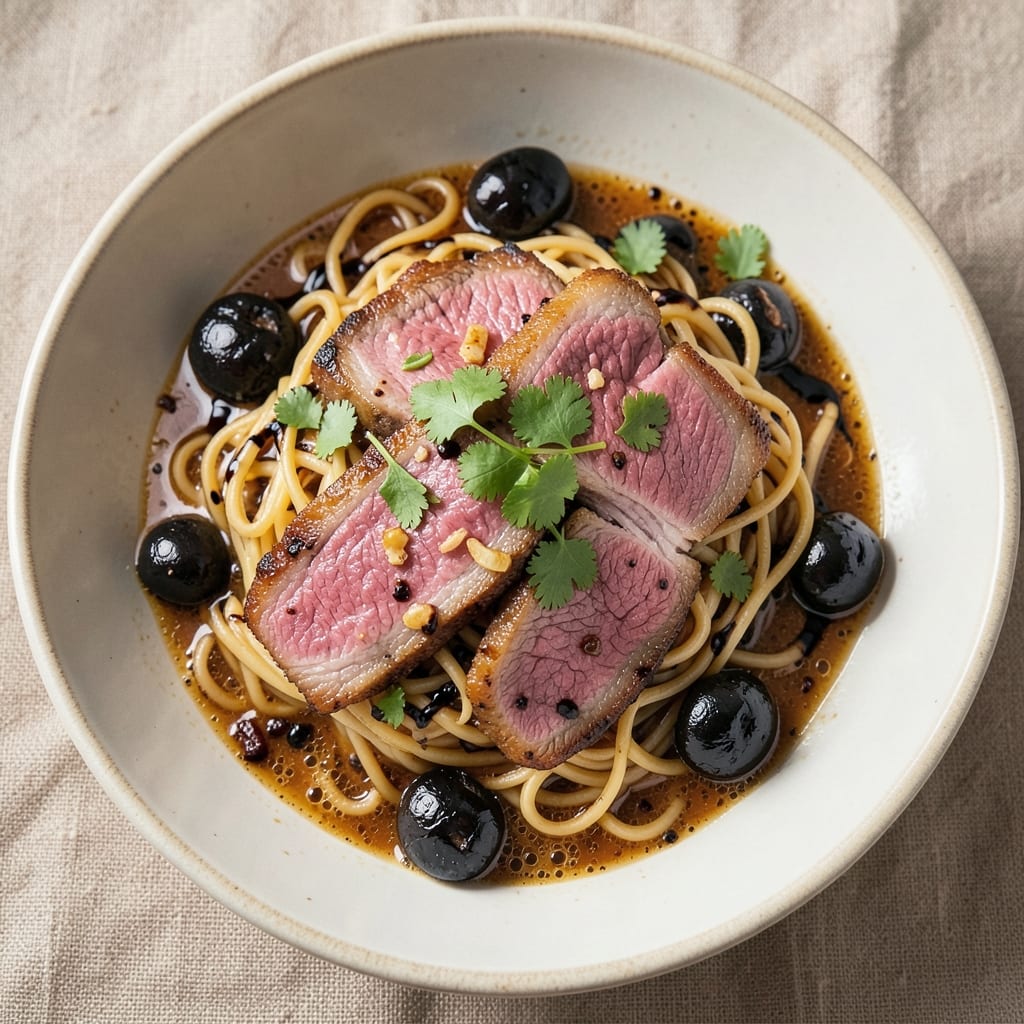
This wok-hei crispy beef and hokkien noodles recipe brings the smoky, aromatic flavors of Singaporean street food to your kitchen. The secret lies in achieving that signature wok-hei (breath of the wok) technique, where high heat transforms tender beef into crispy, caramelized bites that cling to perfectly slippery noodles. I've perfected this dish over countless wok sessions, ensuring every element comes together in a harmonious balance of textures and flavors.
The recipe starts with thinly sliced beef that's quickly seared in a hot wok, creating a crispy exterior while keeping the inside tender. Fresh hokkien noodles are cooked just until al dente, then tossed with a fragrant broth made from chicken stock, soy sauce, and a touch of sugar. The aromatics—garlic, ginger, and chili—infuse the dish with layers of complexity that make it impossible to resist.
What you'll end up with is a steaming bowl of crispy beef that maintains its texture even when submerged in the rich, savory broth, paired with slippery noodles that glide across your tongue. The dish is completed with quick-pickled vegetables for a bright contrast and fresh herbs that add freshness to each bite. This is comfort food at its finest—bold, aromatic, and deeply satisfying.
Perfect for feeding a crowd or enjoying as a hearty weeknight meal, this recipe delivers restaurant-quality results with minimal fuss. The key is keeping everything hot and working quickly, so let's get started on creating this Singaporean classic in your own kitchen.
Ingredients for beef and hokkien noodles
Fresh hokkien noodles and tender beef slices—just the right ingredients for wok-hei magic.
| Ingredient | Amount | Notes |
|---|---|---|
| Sirloin Steak 🥩 | 1 ½ lb | Thinly sliced against grain |
| Hokkien Noodles 🍜 | 12 oz | Fresh, not dried |
| Chicken Stock 🍲 | 4 cups | Homemade or high-quality store-bought |
| Light Soy Sauce 🥄 | ½ cup | Kikkoman preferred |
| Dark Soy Sauce 🥄 | 2 tbsp | For color depth |
| Cornstarch 🌾 | 2 tbsp | For crispy coating |
| Garlic Cloves 🧄 | 6 cloves | Minced, fresh preferred |
| Ginger Root 🌿 | 2 tbsp | Freshly grated |
| Red Chili Flakes 🌶️ | 1 tbsp | Adjust to taste |
| White Sugar 🍬 | 1 tbsp | Balances flavors |
| Vegetable Oil 🫒 | ½ cup | High smoke point |
| Green Onions 🧅 | ¼ cup | Sliced for garnish |
| Fresh Cilantro 🌿 | ¼ cup | Chopped, for garnish |
| Lime Wedges 🍋 | 2 whole | For serving |
| Sesame Oil 🫒 | 1 tsp | Finishing touch |
The beef is everything here. Sirloin slices thinly against the grain for maximum tenderness—ask your butcher to slice it if they won't do it for you. I grab mine from Whole Foods or the Asian market, where they keep it extra cold. Fresh hokkien noodles are a must—dried won't give that signature slippery texture. Look for them in the refrigerated section at H Mart or 99 Ranch. If you can't find them, udon noodles are your backup, but they're thicker and chewier. The chicken stock? Homemade is ideal, but Kitchen Basics or Pacific Foods make solid store-bought versions.
No light soy sauce? Regular soy sauce works in a pinch, but you'll lose that delicate sweetness. Dark soy sauce is non-negotiable for color—no substitutes here. The cornstarch is your secret weapon for crispy beef. Mix it with the sliced beef and let it sit for 15 minutes before cooking. Fresh garlic and ginger? Don't skip the zest—it adds depth. If you're sensitive to heat, reduce the chili flakes to 1/2 tbsp. The sugar isn't just sweetness—it balances the soy and helps caramelize the beef. Brown sugar works too, but white dissolves cleaner. And for the love of wok-hei, use sesame oil at the very end—it burns fast.
Hokkien noodles cook in under 2 minutes—set a timer or you'll overdo it. The beef stays crispy for about 5 minutes after cooking, so work fast. Store leftovers in the fridge for 3 days, but reheat gently—microwave kills the crisp. Instead, pan-fry with a splash of water for 30 seconds. Freezes for 2 months, but texture suffers. Garnish with lime wedges right before serving—they add brightness that fades fast. Double the batch and freeze half—this tastes even better the next day.
Why You'll Love This Recipe
- One-Pan Magic: I swear by this recipe when I’m too tired to wash extra dishes. Sear the sirloin in the same wok where the noodles cook—just toss in the stock, soy sauces, and a splash of water. The dark soy gives that glossy, caramelized crust on the beef while keeping everything in one pot.
- Umami Bomb: That combo of light and dark soy sauce? Absolute flavor gold. The light soy keeps it savory without overpowering, while the dark adds depth—like a secret weapon. And the chicken stock? It turns the noodles silky instead of mushy, so every bite is rich but still light enough for a weekday dinner.
- Lunchbox Hero: Between us, this is my go-to for meal prep. Double the batch, let it cool, and pack it in containers with a side of quick-pickled veggies. The noodles hold up better than you’d think, and the beef stays tender—no sad, dry leftovers here.
- Budget Power Move: Sirloin on sale? Stockpile it. Chicken stock is cheap to make in bulk. Even the hokkien noodles stretch far when you stretch them properly. Honestly, I’ve fed four people for under $15 with this—leftovers for lunch, dinner, or even a quick reheat for a lazy night.
Step-by-step instructions for wok-hei crispy beef with slippery noodles
Master the wok-hei technique for restaurant-quality beef that's crispy on the outside and tender within.
Prepare the Sirloin Steak for Maximum Crispiness
Slice the 1.5 lb sirloin steak thinly against the grain into ¼-inch strips. I use a sharp chef's knife and cut at a 45-degree angle for uniform, paper-thin slices. Toss the sliced steak with 2 tbsp cornstarch in a bowl until fully coated—this creates the crispy crust we're after. Let it sit for 10 minutes while you prep the aromatics.
Here's the thing—if the cornstarch clumps, break it up with your fingers. The goal is an even, thin coating that won't make the beef tough. This step is non-negotiable for achieving that perfect wok-hei texture. The cornstarch will caramelize beautifully when we sear the beef, creating that signature crispy exterior.
Build the Flavor Base with Aromatics and Sauces
Heat 0.5 cup vegetable oil in a wok or large skillet over high heat until shimmering. Add the 6 minced garlic cloves and 2 tbsp freshly grated ginger root, stirring constantly for 30 seconds until fragrant but not browned. This quick cooking preserves their fresh flavor without bitterness.
Next, add 1 tbsp white sugar, 1 tbsp red chili flakes, 0.5 cup light soy sauce, and 2 tbsp dark soy sauce. Stir for 1 minute until the sugar dissolves and the mixture begins to bubble. The dark soy sauce will give us that beautiful mahogany color while the sugar balances the saltiness. Don't walk away—this sauce needs constant attention to prevent burning.
Sear the Beef to Perfect Crispy Perfection
Working in batches if needed, add the cornstarch-coated beef to the wok in a single layer. Stir-fry vigorously for 1-2 minutes until the beef turns deep golden brown and develops a crispy crust. This is where the magic happens—the high heat and cornstarch create that wok-hei effect we're chasing.
Real talk: don't overcrowd the pan or the beef will steam instead of sear. If your wok isn't large enough, work in two batches. Once the beef reaches 160°F internal temperature (about 1-2 minutes per batch), remove it and set aside. We'll finish it later to maintain its tenderness.
Cook the Noodles in Savory Chicken Stock
In the same wok, reduce heat to medium and add 4 cups chicken stock. Bring to a gentle simmer, then add the 12 oz hokkien noodles. Stir gently to submerge the noodles completely. Cook for 2-3 minutes until the noodles are tender but still slightly firm—they'll finish cooking when combined with the beef.
Here's the key: don't overcook the noodles. They should have a slight bite to them at this stage. The residual heat from the beef will finish cooking them perfectly when we combine everything. If you prefer softer noodles, add an extra 30 seconds of cooking time.
Combine and Finish with Signature Touches
Return the seared beef to the wok with the noodles. Add 1 tsp sesame oil and toss everything together for 1 minute until the beef is heated through and the noodles are fully cooked. The beef should reach 165°F internal temperature at this point—probe the thickest piece to check.
Divide the beef and noodles among serving bowls. Garnish with 0.25 cup sliced green onions and 0.25 cup chopped fresh cilantro. Serve immediately with 2 lime wedges on the side for that bright, tangy finish that cuts through the richness. The contrast of textures—crispy beef, slippery noodles, fresh herbs—is what makes this dish truly special.
Pro Tips For Making Beef And Hokkien Noodles
- SEAR THE STEAK FAST: Get your wok or pan screaming hot before adding the sirloin—think 3-4 minutes on high heat until it’s smoking. I used to take it slow, and the beef would turn out gray and tough. Now I blast it for 2-3 minutes per side until the edges are deep brown, then pull it out while it’s still pink inside. The high heat locks in juices, and the residual heat finishes the cook.
- SALT THE NOODLES RIGHT: Toss your cooked hokkien noodles in a bowl with 1 teaspoon of salt immediately after draining—this stops them from sticking and keeps them from turning mushy when they hit the hot broth. I learned this the hard way when my noodles turned into a gluey mess in the wok. Also, rinse them just until they stop sticking, not until they’re soggy.
- DARK SOY FIRST, LIGHT SOY LAST: Add the dark soy sauce to the wok first when stir-frying the aromatics—it caramelizes faster and gives that signature dark glaze. Then, when you toss in the beef and noodles, finish with the light soy sauce last to brighten the flavors without burning. I used to mix them together, and the dish always tasted flat. This keeps the balance sharp.
- RESERVE THAT BROTH: Save ½ cup of your chicken stock before adding it to the wok—use it to thin out the sauce at the end if it’s too thick. Stir-frying beef and noodles can dry out fast, and adding broth in stages lets you control the consistency. I skip this and end up with a sticky, uneven sauce every time. A splash at the end makes all the difference.
Wine and beer pairings for beef and hokkien noodles
Rich Red Wine
For this bold, umami-packed dish, I reach for a medium-bodied red wine with enough acidity to complement the soy sauce and chili heat. A Pinot Noir from Oregon or Syrah from the Rhône Valley works beautifully—their bright fruit notes and subtle spice echo the dish's complexity. The 13-14% ABV range ensures it won't overpower the delicate wok-hei flavors. 🍷
Crisp White Options
If red wine feels too heavy, a dry Riesling or Sauvignon Blanc from New Zealand offers refreshing contrast. The crisp acidity cuts through the richness while the citrus notes brighten the soy and ginger aromatics. I love a Mosel Riesling with its mineral finish—it's light enough to let the beef and noodles shine. Chill slightly before serving for optimal balance.
Asian-Inspired Beers
For beer lovers, a Japanese lager like Sapporo Premium or Asahi Super Dry provides clean, crisp support. The subtle malt sweetness complements the caramelized beef without competing. Alternatively, try a Belgian Witbier—the coriander and citrus notes mirror the dish's aromatic profile. Serve chilled to 40°F for best results. 🍺
Light Brews for Balance
Avoid heavy stouts or IPAs—they'll clash with the dish's delicate textures. Instead, opt for a light pilsner or Hefeweizen if you prefer wheat beers. The subtle yeast character in Hefeweizen pairs surprisingly well with the soy and sesame notes. For maximum freshness, serve with lime wedges on the side to squeeze over both dish and drink.
Non-Alcoholic Pairings
Don't drink alcohol? No problem. A sparkling yuzu soda or ginger beer with lime adds zesty brightness. For something more substantial, try jasmine tea—its floral notes complement the ginger and garlic. I also love a cucumber-mint infused water with a pinch of salt to enhance the umami flavors. 💧
Nutrition facts
Frequently asked questions
Can I substitute regular soy sauce for light and dark soy sauce?
You can use regular soy sauce in a pinch, but you'll lose some key elements. The light soy sauce provides delicate sweetness, while dark soy sauce adds rich color and depth. For a quick fix, mix 1/2 cup regular soy sauce with 1 tbsp molasses or brown sugar to mimic the dark soy's color and sweetness.
Why does my beef turn out tough instead of tender?
Tough beef usually means one of two things: slicing against the grain or overcooking. Always cut beef thinly against the grain (ask your butcher for help if needed), and cook it for just 1-2 minutes at high heat—it should reach 160°F internally. Overcrowding the pan also steams instead of sears the beef.
How do I make the noodles extra slippery like in restaurants?
Fresh hokkien noodles are key—use 12 oz fresh (never dried). Cook them in boiling chicken stock instead of water for 2-3 minutes until just tender, then toss immediately with the beef. The residual heat from the beef finishes cooking them perfectly while adding richness. A splash of sesame oil at the end enhances that signature texture.
Can I make this recipe without a wok?
A large skillet or cast-iron pan works perfectly. The key is maintaining high heat and working quickly to achieve wok-hei. Use 0.5 cup vegetable oil (enough to coat the bottom) and stir-fry in batches if needed. A carbon steel pan also works well—just season it first for better heat retention.
How do I store leftovers without making the beef soggy?
Store leftovers in an airtight container for up to 3 days in the fridge. To reheat, pan-fry the beef and noodles together with 1 tsp oil over medium-high heat for 1-2 minutes—just until heated through. Never microwave, as it turns the beef rubbery. The noodles will soften slightly but maintain their slippery quality.