
Soups & Stews
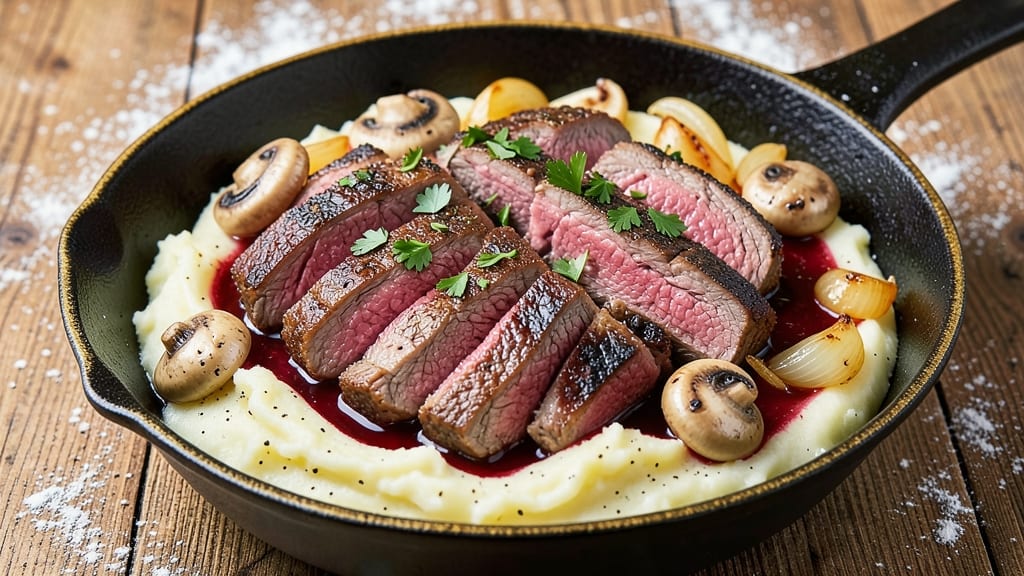
This Pioneer Woman beef bourguignon recipe delivers restaurant-quality depth with tender beef, earthy mushrooms, and rich red wine—all achieved through slow simmering and precise technique. 💫 The secret lies in browning the beef properly and letting the wine reduce into a velvety sauce, transforming tough cuts into melt-in-your-mouth perfection.
What sets this version apart is its balance of tradition and accessibility—no fancy techniques required, just patience and a few key steps. The recipe builds flavor in layers: caramelized onions, toasted mushrooms, and a deep red wine reduction that coats every bite.
It’s the kind of dish that tastes even better the next day, making it perfect for meal prep or a special weekend dinner.
By the time you serve it, you’ll have a steaming pot of tender beef braised in a glossy, wine-infused sauce with mushrooms that melt into the meat.
The aroma alone will have everyone gathering at the table, and the texture—crisp edges on the beef, tender centers, and a sauce that clings perfectly—will make this your go-to French classic.
Pair it with buttery mashed potatoes or crusty bread to soak up every last drop of that luxurious sauce. The best part? This recipe scales easily for a crowd, so you can impress guests without stress. Let’s get cooking—your taste buds will thank you.
Ingredients for pioneer woman beef bourguignon
Bold flavors start with these 15 ingredients—earthy mushrooms, rich wine, and tender beef that melts in your mouth.
| Ingredient | Amount | Notes |
|---|---|---|
| Chuck Roast 🥩 | 2 lb | Cut into 1.5-inch cubes |
| Yellow Onions 🧅 | 2 whole | Thinly sliced, about 3 cups |
| Garlic Cloves 🧄 | 4 cloves | Minced, not pre-minced |
| Cremini Mushrooms 🍄 | 16 oz | Sliced, stems removed |
| All-Purpose Flour 🌾 | 2 tbsp | For dredging beef |
| Dry Red Wine 🍷 | 1 cup | Bold like Cabernet Sauvignon |
| Beef Broth 💧 | 2 cups | Low-sodium preferred |
| Tomato Paste 🍅 | 2 tbsp | Smooth, not chunky |
| Fresh Thyme 🌿 | 2 sprigs | Leaves only, stems removed |
| Fresh Rosemary 🌿 | 1 sprig | Chopped, about 1 tsp leaves |
| Bay Leaves 🍃 | 2 whole | Removed before serving |
| Olive Oil 🫒 | 2 tbsp | Extra-virgin for browning |
| Salt 🧂 | 1 ½ tsp | Kosher or sea salt |
| Ground Black Pepper 🌶️ | 1 tsp | Freshly ground preferred |
| Unsalted Butter 🧈 | 2 tbsp | For finishing sauce |
The chuck roast is non-negotiable—it’s what gives this dish that signature fall-apart texture. Look for well-marbled cuts at your butcher or the meat counter, and ask for it pre-cut into 1.5-inch cubes if you're short on time. Costco or Whole Foods usually carry excellent chuck roasts, but any grocery store’s meat department should have it. If you’re using a whole roast, trim off excess fat (leave some for flavor!) and cut it yourself—it’s worth the 10 minutes. For the mushrooms, cremini are ideal, but white or baby bella work too. Just slice them evenly so they cook at the same rate.
No red wine? Substitute beef broth with 1 tbsp balsamic vinegar—it’ll still taste rich and deep. Fresh herbs are best, but dried thyme at half the amount works in a pinch (just crush the dried leaves between your fingers to release the flavor). The tomato paste can be a squeeze tube from Trader Joe’s for convenience—no need for fancy jars. Browning the beef is key: don’t rush it. Let it develop that deep, caramelized crust before removing it from the pot. That’s where all the flavor hides. And if you’re worried about the wine reducing too much, just add a splash of beef broth to keep it moving.
This dish tastes even better the next day—make extra and freeze half for lazy weeknights. Store leftovers in an airtight container for 4-5 days in the fridge, or freeze for up to 3 months. To reheat, warm gently on the stove with a splash of broth or water. The sauce thickens as it cools, so adding a little liquid when reheating keeps it silky. And if you’re serving a crowd? Double the recipe—it scales perfectly, and everyone will ask for seconds.
Why You'll Love This Recipe
- One-Pot Magic: I swear by this recipe because it’s actually one-pan—no extra bowls, no messy sauces splattering everywhere. The chuck roast browns right in the Dutch oven while you dice onions and mushrooms, and by the time the garlic hits, the whole kitchen smells like a French bistro. (Yes, even on a Tuesday night.)
- Deep, Rich Payoff: That slow simmer with red wine, tomatoes, and thyme? It turns tough chuck roast into melt-in-your-mouth perfection. The cremini mushrooms soak up all the juices, and the flour-toast step gives the sauce that velvety thickness—no lumps, no guesswork.
- Leftover Luxury: This dish begs for seconds, which means it’s basically freezer-friendly comfort food. I’ve reheated portions for lunch the next day, and they taste just as rich—no sad, dry meat here. Honestly, I make it twice and let my husband argue over who gets the bigger portion.
- Budget Hero: Chuck roast is cheap, but it feels like a splurge. You’re getting a whole pot of hearty, restaurant-quality stew for the price of one takeout meal. Between us, I’ve stretched this into four servings, and my wallet and my family have thanked me. (The mushrooms add umami without breaking the bank.)
Step-by-step instructions for slow-cooked beef stew
Here's the method—rich, deep flavors develop through patience and layering.
🔥 Step 1: Sear the Chuck Roast for Maximum Flavor
Heat a heavy Dutch oven over medium-high heat until very hot. Add 2 tablespoons olive oil and swirl to coat the bottom. Pat the 2 lb chuck roast dry with paper towels—this ensures a proper sear. Working in batches if needed, add the roast cubes and sear undisturbed for 3-4 minutes per side until deeply browned and crispy in spots.
Don't crowd the pan—this prevents steam from forming, which keeps the meat from browning properly. Once all pieces are golden brown, transfer them to a plate. You'll see the bottom of the pot develop a rich, caramelized crust—this is flavor gold that will dissolve into your sauce later.
👨🍳 Step 2: Build the Flavor Base with Onions and Mushrooms
In the same Dutch oven, add 2 tablespoons olive oil if needed (you might not need more—the roast rendered fat). Add the 2 whole yellow onions and 16 oz cremini mushrooms, both sliced, and cook over medium heat for 8-10 minutes, stirring occasionally. The onions should soften and turn translucent while the mushrooms release their moisture and begin to brown.
Here's the thing—don't rush this step. The mushrooms should release about ½ cup of liquid, which will evaporate down, leaving behind their meaty texture. When the mushrooms are golden brown and the onions are caramelized, add the 4 cloves minced garlic and cook for 30 seconds until fragrant. This aromatic base forms the foundation of your stew's depth.
🍳 Step 3: Deglaze and Develop the Sauce
Pour in the 1 cup dry red wine and scrape up all those browned bits from the bottom of the pot with a wooden spoon. This deglazing step captures all the meaty, caramelized flavor that would otherwise be lost. Let the wine simmer for 3-4 minutes until it reduces by about half and the alcohol cooks off—you'll smell it evaporating.
Next, stir in the 2 tablespoons tomato paste, 2 cups beef broth, 2 sprigs fresh thyme, 1 sprig fresh rosemary, 2 whole bay leaves, 1.5 teaspoons salt, and 1 teaspoon ground black pepper. Bring the mixture to a gentle simmer, then return the seared chuck roast to the pot. The liquid should come about halfway up the roast cubes—if it's too thin, reduce it slightly over medium-high heat before proceeding.
⏰ Step 4: Slow-Simmer Until Fork-Tender
Cover the Dutch oven and transfer it to the oven preheated to 325°F. Let the stew cook for 2.5-3 hours, checking occasionally. You're looking for the meat to become fork-tender—when you pierce a piece, it should offer minimal resistance and pull apart easily. If the liquid reduces too much, add a splash of water or broth to maintain moisture.
Real talk: This is where the magic happens. The long, slow cook time breaks down the tough muscle fibers in the chuck roast, transforming it into melt-in-your-mouth tenderness. The flavors meld together, creating that rich, complex sauce that defines a great beef stew. Don't peek too often—the temperature fluctuations can slow down the cooking process.
🥘 Step 5: Finish with Butter for Richness
Once the beef is tender, remove the stew from the oven and let it sit uncovered for 10 minutes to thicken slightly. Stir in the 2 tablespoons unsalted butter, which will melt into the sauce, adding a velvety finish and balancing the acidity from the wine. Remove and discard the 2 sprigs fresh thyme and 2 whole bay leaves before serving.
Taste and adjust seasoning if needed—you might need a touch more salt or pepper to balance the flavors after the long cooking time. Serve immediately over crusty bread or with mashed potatoes to soak up every last bit of that luxurious sauce. The stew should be rich, deeply flavorful, and perfectly balanced between the tender beef, earthy mushrooms, and bright wine notes.
Pro Tips For Making Pioneer Woman Beef Bourguignon
- SEAR THE ROAST UNTIL IT BROWNS: The Pioneer Woman’s recipe calls for a quick sear, but don’t rush it—aim for deep, caramelized crusts in 3-4 minutes per side. I used to walk away too soon, and the sauce never tasted as rich. Let that meat develop color first, then worry about the onions.
- SLICE THE ONIONS THIN AND EVEN: The recipe says "chop," but thin, even slices (about 1/8-inch thick) caramelize faster and sweeten the sauce without burning. My first batch turned into onion mush because I eyeballed it—now I use a mandoline for consistency.
- DEGLAZE WITH THE RED WINE IMMEDIATELY: Don’t let the browned bits sit after removing the roast—pour in that wine right away while the pan is still hot. The alcohol evaporates faster, and the sauce builds depth instead of tasting dull. I learned this after a batch where the sauce tasted flat.
- SIMMER LOW AND LONG WITH THE LID OFF: The recipe says "simmer," but I now keep the lid off after the first hour to let excess moisture evaporate. This concentrates the flavors and prevents a watery sauce—just stir occasionally and add a splash of broth if needed.
Perfect pairings for this recipe
Classic Wine Pairings
The deep, earthy flavors of beef bourguignon demand a wine that complements its richness without overpowering it. I always reach for a bold, full-bodied red like a Cabernet Sauvignon or Merlot—both have enough tannins and acidity to stand up to the dish.
A Bordeaux blend (the original inspiration for bourguignon!) is perfect, especially one with notes of blackcurrant and cedar that echo the stew’s depth. 🍷
For a lighter option, try a Pinot Noir from Burgundy—its earthy undertones and bright acidity cut through the sauce’s richness beautifully. Avoid heavy, oaky whites or sweet wines; they’ll clash with the dish’s savory complexity.
If you’re serving a crowd, a Malbec with its dark fruit notes adds a modern twist while keeping the traditional pairing spirit.
Bread and Starch Sides
Crusty baguette or sourdough is a must—it soaks up the sauce like a dream. I love toasting slices lightly and serving them on the side for dipping. For a heartier option, garlic mashed potatoes with a swirl of butter and chives balance the stew’s richness perfectly.
The creaminess of the potatoes contrasts the wine’s acidity, creating a harmonious bite. 🥖
If you prefer grains, wild rice pilaf or creamy polenta add texture and depth. For a lighter touch, a simple arugula salad with lemon vinaigrette cleanses the palate between bites. Avoid heavy, starchy sides like buttered noodles—they’ll make the dish feel too dense.
Cheese and Charcuterie
Add a sharp aged cheddar or Gruyère to your table for a cheesy contrast. The nutty, tangy notes of Gruyère complement the wine’s earthiness, while cheddar’s bold flavor stands up to the beef. Pair it with prosciutto or salami for a salty, savory balance that enhances the stew’s umami. 🧀
For a vegetarian-friendly option, offer roasted nuts (walnuts or pecans) and dried apricots—their sweetness contrasts the stew’s richness. A sprinkle of fresh thyme or rosemary on the cheese board echoes the herbs in the bourguignon, tying the flavors together beautifully.
Unexpected Twists
For a modern twist, serve with crispy duck confit—the fatty, crispy texture mirrors the beef’s richness while adding a luxurious contrast. The duck’s gamey flavor also pairs wonderfully with the red wine. 🦆
If you’re feeling adventurous, try pickled red onions or cornichons on the side. Their bright acidity cuts through the stew’s richness, adding a refreshing pop. For dessert, a dark chocolate tart with raspberry coulis balances the meal’s heartiness with a touch of sweetness.
Nutrition facts
Frequently asked questions
Can I use a slow cooker for this beef bourguignon recipe?
Transfer the seared beef and all ingredients (except butter) to a 6-quart slow cooker. Cook on low for 7-8 hours or high for 4-5 hours until the beef is fork-tender. Stir in butter at the end. The sauce may be thinner than oven-braised, so reduce it on the stove afterward if needed.
What if I don’t have red wine? Can I substitute?
Yes! Use 1 cup beef broth + 1 tbsp balsamic vinegar for depth, or swap for 1 cup cranberry juice + 1 tbsp red wine vinegar. Avoid sweet wines—stick to acidic or savory liquids. The dish will still taste rich, just with a slightly different profile.
How do I make this recipe ahead of time?
This dish tastes even better reheated! Cook as directed, then cool completely. Store in an airtight container in the fridge for 4-5 days or freeze for up to 3 months. To reheat, warm gently on the stove with a splash of broth. The sauce will thicken further—add water if needed.
Why did my beef turn out tough instead of tender?
Undercooking is the most likely culprit. Chuck roast needs 2.5-3 hours at 325°F to break down properly. Check for doneness by piercing a piece—it should shred easily. If it’s still tough, return it to the oven for 30-60 more minutes. Never rush the cooking time!
Can I use ground beef instead of chuck roast?
Not recommended—ground beef lacks the connective tissue that creates a rich sauce. However, if you must, use 80/20 ground chuck (not lean) and simmer for 1.5 hours instead. The texture will be different, but the flavor can still be delicious. For best results, stick with the roast.