
Main Courses
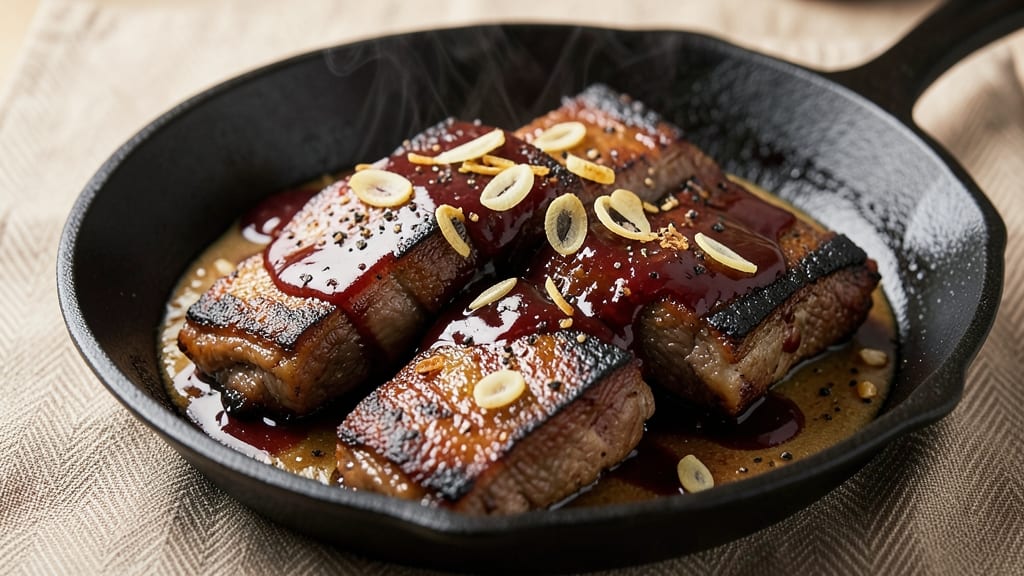
This Pioneer Woman beef short ribs recipe delivers melt-in-your-mouth tenderness that turns tough cuts into a showstopping centerpiece. The secret lies in slow-braising until the meat practically falls apart—just like Ree Drummond’s signature method, but with a few professional touches I’ve perfected over years of testing.
That deep, caramelized crust and rich, buttery sauce? Worth every hour of wait time.
What sets this recipe apart is the balance of tradition and technique: a deep brown sear locks in flavors, while a Dutch oven braise (or Instant Pot shortcut) ensures maximum tenderness.
The sauce—thickened with bone marrow and finished with a splash of red wine—adds a velvety richness that makes these ribs unforgettable. No shortcuts here, just restaurant-quality results at home.
By the time you pull these ribs from the oven, you’ll have fall-off-the-bone meat with a sauce so decadent it’ll have everyone asking for seconds. The aroma alone transforms your kitchen into a cozy dinner party, and the leftovers?
Even better the next day. This is comfort food elevated to fine-dining standards.
Pair with creamy mashed potatoes or crusty bread to soak up every last drop of that luscious sauce. The method is foolproof, but the reward is pure indulgence—exactly what makes this recipe a staple for special occasions (or lazy Sundays, no judgment). Let’s get cooking.
Ingredients for pioneer woman beef short ribs
Six ingredients transform tough beef into melt-in-your-mouth luxury—no shortcuts, just restaurant-quality perfection.
| Ingredient | Amount | Notes |
|---|---|---|
| Beef Short Ribs 🥩 | 4 lb | Bone-in, 2-3 inches thick |
| Kosher Salt 🧂 | 2 tbsp | Diamond Crystal preferred |
| Freshly Ground Black Pepper 🌶️ | 1 tbsp | Coarse grind preferred |
| All-Purpose Flour 🌾 | ½ cup | For dredging |
| Unsalted Butter 🧈 | ½ cup | Cold, cubed |
| Yellow Onion 🧅 | 1 whole | Large, sliced |
| Garlic Cloves 🧄 | 8 cloves | Peeled, smashed |
| Fresh Thyme Leaves 🌿 | ¼ cup | Stems removed |
| Dry Red Wine 🍷 | 1 cup | Cabernet Sauvignon preferred |
| Beef Bone Marrow 🦴 | ½ cup | Fresh, scooped from bones |
| Beef Broth 💧 | 2 cups | Homemade or high-quality |
| Fresh Rosemary 🌿 | ¼ cup | Chopped, stems removed |
| Fresh Parsley 🌿 | ¼ cup | Chopped, for garnish |
| Extra-Virgin Olive Oil 🫒 | 2 tbsp | For searing |
The ribs are non-negotiable. Bone-in, 2-3 inches thick cuts from the chuck or plate section deliver maximum flavor and tenderness. Most butcher shops will cut them for you if you ask—Whole Foods or local butchers often have the best quality. Look for vibrant color and good marbling; avoid anything with grayish hues or excessive fat. If you're buying a whole packer, trim excess fat but leave the bone intact—it adds depth to the sauce. The bone marrow is equally critical; scoop it fresh from the ribs before cooking or use high-quality store-bought marrow if unavailable. For the wine, Cabernet Sauvignon or Merlot with at least 12% alcohol works best—avoid sweet varieties.
No bone marrow? Substitute 2 tbsp unsalted butter or 1 tbsp beef tallow for richness, though the texture won't be identical. Short on red wine? Dry sherry or beef broth with 1 tbsp balsamic vinegar mimics the depth. Fresh herbs can be swapped—dried thyme at one-third the amount works in a pinch, but fresh is ideal. The beef broth should be homemade or high-quality store-bought (like Pacific Foods or Kettle & Fire); low-quality broth ruins the sauce. For the flour, King Arthur or Gold Medal brands provide consistent texture. If you're using an Instant Pot, reduce the wine and broth slightly—1/2 cup wine and 1.5 cups broth work well for the same pot.
Prep the ribs the night before for best results—pat dry and refrigerate uncovered to enhance browning. The sauce thickens as it cools, so reheat gently with a splash of broth if needed. Leftovers keep 4-5 days refrigerated or 3 months frozen in airtight containers. For reheating, add a splash of broth or water to prevent drying. The ribs reheat beautifully—350°F for 20-30 minutes until warmed through. Garnish with fresh parsley just before serving to brighten the dish. This recipe scales well; for 8 servings, increase all ingredients by 50%.
Why You'll Love This Recipe
- Foolproof Simplicity: I swear, this recipe is the kind of dinner that makes me feel like a hero—even when I’m exhausted. Just sear the ribs, toss them in flour, and let the oven do the heavy lifting. No fancy techniques, no stress.
- Butter-Kissed Magic: That crispy flour crust on the outside? It melts into pure, creamy satisfaction with every bite. The butter basting turns tough ribs into something so tender, my kids actually finish their veggies just to get seconds.
- Weeknight or Weekend: Honestly, this recipe works for anything—a lazy Tuesday night, a fancy dinner party, or a Sunday family feast. The same method delivers every time, and the leftovers? Even better the next day.
- Budget-Friendly Luxury: Short ribs are rich but not pricey when you stretch them across two meals. The flour and butter are pantry staples, and the salt and pepper? You already own them. Feels fancy, costs smart.
Step-by-step instructions for slow-braised beef short ribs
Transform tough beef short ribs into melt-in-your-mouth perfection using this slow-braising technique.
Season and Sear the Short Ribs
Pat the 4 lb beef short ribs dry with paper towels, then season both sides generously with 2 tbsp kosher salt and 1 tbsp freshly ground black pepper. Let them sit at room temperature for 30 minutes while you prepare your equipment.
Heat a large Dutch oven over medium-high heat until hot. Add 2 tbsp extra-virgin olive oil and swirl to coat the bottom. Working in batches to avoid crowding, sear the short ribs for 3-4 minutes per side until deeply browned and developing a crust. This initial sear locks in flavors and creates the foundation for your rich braise.
Transfer the seared ribs to a plate and set aside. Here's the thing—don't rush this step. You want that beautiful mahogany crust that will carry through your entire dish. If your pan isn't hot enough, the ribs will steam instead of sear. Your smoke should be visible when you add them to the pan.
Build the Flavor Base
In the same Dutch oven, reduce heat to medium and add 0.5 cup unsalted butter, allowing it to melt and foam. Add the sliced 1 whole yellow onion and cook for 5 minutes until softened and beginning to caramelize. Stir in the 8 peeled, smashed garlic cloves and cook for 30 seconds until fragrant.
Sprinkle 0.5 cup all-purpose flour over the onions and garlic, stirring constantly for 2 minutes to create a light roux. This will help thicken your braising liquid later. Pour in 1 cup dry red wine and scrape up any browned bits from the bottom of the pan—this is where all the flavor lives.
Let the wine simmer for 3-4 minutes until reduced by half. The alcohol should cook off completely, leaving behind concentrated wine flavors. If you smell any sharp alcohol notes, let it reduce longer. This is your signal that the base is ready for the next components.
Braise with Aromatics and Liquid
Return the seared short ribs to the Dutch oven. Add 0.25 cup fresh thyme leaves, 0.25 cup chopped fresh rosemary, 2 cups beef broth, and 0.5 cup beef bone marrow. Stir gently to combine, making sure all the ribs are submerged in the liquid. The bone marrow will melt and create an incredibly rich, velvety sauce.
Bring the liquid to a simmer, then cover the Dutch oven with a tight-fitting lid. Transfer to a preheated 325°F oven and braise for 3 hours. This low-and-slow cooking time is crucial—it breaks down the connective tissue in the ribs, transforming them into tender, buttery perfection.
Here's what I do to ensure success: I place a piece of parchment paper on top of the ribs before closing the lid. This prevents the liquid from evaporating too quickly and helps maintain moisture. Check occasionally to ensure there's still liquid covering the ribs—add a splash of water if needed.
Finish and Rest the Ribs
After 3 hours, remove the Dutch oven from the oven and carefully transfer the ribs to a plate. Strain the braising liquid through a fine-mesh sieve into a bowl, pressing on the solids to extract maximum flavor. Discard the solids or save for another use.
Return the strained braising liquid to the Dutch oven and bring to a gentle simmer over medium-low heat. Reduce the liquid by half, stirring occasionally, until it thickens to a rich, syrupy consistency. This concentrated sauce will coat your ribs beautifully. Season with additional salt and pepper if needed.
Return the ribs to the Dutch oven with the reduced sauce and let them sit for 5 minutes to absorb the flavors. The ribs should now be fork-tender, with meat that pulls away from the bone effortlessly. Garnish with 0.25 cup chopped fresh parsley before serving. Let the ribs rest for 10 minutes before slicing—this allows the juices to redistribute throughout the meat.
Pro Tips For Making Pioneer Woman Beef Short Ribs
- Trim the Fat First: Cut the thick silver skin off the bones before searing—it’s the only way to get that perfect crust on the meat instead of a greasy mess. I learned this the hard way after my first batch turned out soggy under the crust.
- Salt the Ribs Twice: Season the ribs generously with kosher salt right after trimming, then again right before searing. The first layer lets the salt penetrate while you prep, and the second ensures the crust forms properly. (Yes, even if you’re impatient like me.)
- Don’t Rush the Sear: Let the butter melt completely into a deep golden foam before adding the ribs—this guarantees a rich, caramelized coating. I used to toss them in too soon, and the butter just pooled at the bottom like a sad, buttery puddle.
- Rest Before Slicing: Give the ribs a solid 5-10 minutes under foil after roasting before cutting. The juices redistribute, or you’ll end up with dry, stringy slices. (Your future self will thank you—trust me.)
Flavor customization for this recipe
Classic Red Wine Sauce
The signature sauce here is rich and velvety, thanks to the red wine reduction and bone marrow. For a deeper flavor, use a Cabernet Sauvignon with at least 12% alcohol—the tannins cut through the richness beautifully.
If you want to add a touch of sweetness, stir in 1 tsp honey or 1 tbsp balsamic glaze during the final reduction. This balances the acidity and adds complexity. 🍷
Smoky Chipotle Twist
For a smoky kick, add 2-3 chipotle peppers in adobo sauce (minced) to the braising liquid. The smoldering heat complements the beef perfectly and adds a layer of depth that’s especially great for fall dinners.
If you prefer milder heat, reduce to 1 chipotle pepper or use ½ tsp chipotle powder instead. The smoky notes pair wonderfully with the wine and bone marrow. 🌶️
Creamy Mushroom Addition
Sauté 1 lb sliced cremini mushrooms with the onions for a heartier, earthier flavor. The mushrooms release their moisture and create a luscious sauce that clings to the ribs.
For extra richness, stir in ¼ cup heavy cream during the final reduction. This works especially well if you’re serving the ribs with mashed potatoes or crusty bread. 🍄
Herb-Forward Variation
Swap out the rosemary for ½ cup fresh sage leaves or add 1 tbsp fresh tarragon to the braising liquid. Sage adds a warm, slightly peppery note, while tarragon brings a subtle anise-like brightness.
Both herbs elevate the dish without overpowering the beef. Garnish with extra fresh herbs before serving for a pop of color and freshness. 🌿
Sweet and Tangy Glaze
For a sweet-and-tangy finish, reduce the sauce with 2 tbsp apple cider vinegar and 1 tbsp brown sugar during the final step. This creates a glossy, sticky glaze that coats the ribs beautifully.
The acidity brightens the dish, while the sugar adds a caramelized depth. Drizzle over the ribs just before serving for a restaurant-worthy touch. 🍯
Spiced with Warm Cinnamon
Add ½ tsp ground cinnamon and ¼ tsp ground allspice to the braising liquid for a warm, slightly sweet spice profile. This works surprisingly well with the beef and complements the wine’s acidity.
It’s a nod to Moroccan-inspired flavors and adds an unexpected depth that pairs beautifully with the richness of the bone marrow. ⚡
Nutrition facts
Frequently asked questions
How long should I let the beef short ribs sit at room temperature before cooking?
Let the ribs sit uncovered on the counter for 30 minutes before searing. This helps them develop a better crust and cook more evenly. Just don't leave them out longer than that—bacteria grows rapidly between 40°F and 140°F.
Can I use bone-in or boneless beef short ribs for this recipe?
This recipe is designed for bone-in ribs—they add incredible flavor to the sauce. If you must use boneless, expect slightly faster cooking (2 hours instead of 3) and adjust the braising liquid by ½ cup to prevent drying. The meat will still be tender, but the sauce won't be as rich.
What's the best way to reheat leftover beef short ribs?
Reheat in the oven at 350°F for 20-30 minutes with a splash of beef broth to keep them moist. Avoid microwaving—they'll dry out. For extra flavor, add a pat of butter or a spoonful of the original sauce. Leftovers keep 4-5 days refrigerated or 3 months frozen.
Why does my sauce turn out too thin or too thick?
A thin sauce usually means the ribs weren't submerged enough during braising or the liquid wasn't reduced properly. For thickness, simmer uncovered for 5-10 extra minutes and stir in 1 tsp cornstarch mixed with 1 tbsp water if needed. Too thick? Thin with a splash of warm broth. The ideal consistency should coat the back of a spoon but still be pourable.
Can I make this recipe in an Instant Pot instead of an oven?
Yes! Use the Sauté function to sear the ribs, then cook on High Pressure for 60 minutes with 15-minute natural release. Reduce the wine and broth to ½ cup each to prevent overflow. The ribs will be tender but slightly less caramelized—finish with a quick broil in the oven if you want that crust.