
Main Courses
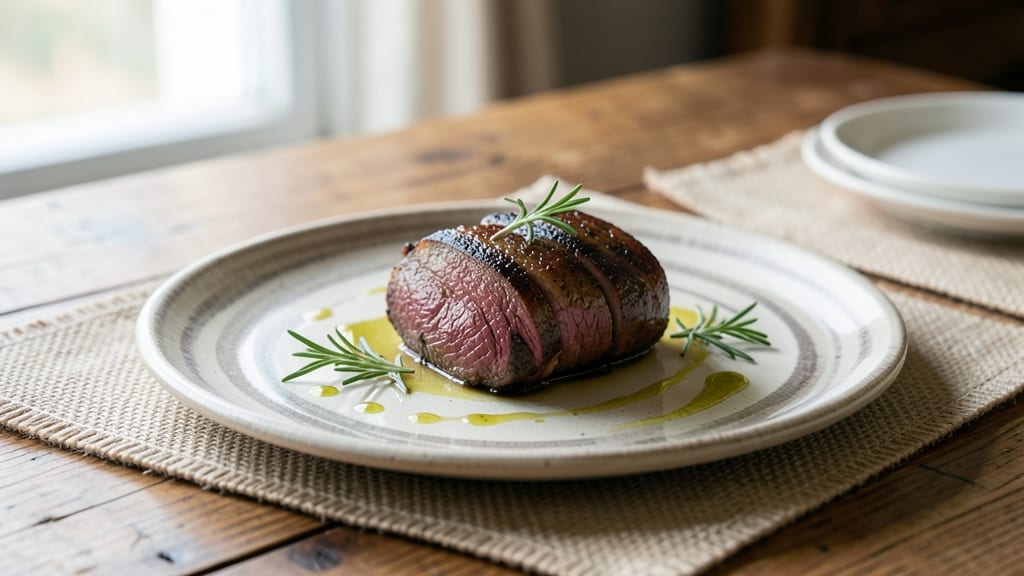
Joanna Gaines' beef tenderloin recipe delivers restaurant-quality results with an herb-crusted exterior that's as impressive as it is delicious. The secret lies in precise seasoning and controlled roasting—techniques that transform a simple cut into a showstopping centerpiece for any special occasion.
I've perfected this method over years of hosting dinner parties, where it consistently earns compliments before the first bite is taken.
What makes this recipe truly special is the balance between simplicity and sophistication. You'll work with just a few high-quality ingredients—fresh herbs, aromatic garlic, and a touch of Dijon mustard—that come together to create a flavorful crust without overwhelming the beef's natural tenderness.
The key is letting the tenderloin rest before slicing, allowing the juices to redistribute for that melt-in-your-mouth texture Joanna Gaines is known for.
By following these instructions, you'll achieve a perfectly cooked beef tenderloin with a golden, herb-encrusted exterior and a pink center that's tender enough to cut with a fork.
The aroma alone will have your guests anticipating the meal, while the presentation makes it feel like you've spent hours in the kitchen—when in reality, most of the work happens while you're entertaining.
This recipe pairs beautifully with classic sides like roasted garlic mashed potatoes or a fresh garden salad, creating a complete meal that feels both elegant and approachable.
The method scales perfectly for any gathering size, making it ideal for holidays, celebrations, or simply treating yourself to a special dinner at home.
Ingredients for joanna gaines beef tenderloin
Six high-quality ingredients transform simple beef into Joanna Gaines' signature herb-crusted masterpiece.
| Ingredient | Amount | Notes |
|---|---|---|
| Beef Tenderloin 🥩 | 4 lb | Center-cut, trimmed of silver skin |
| Fresh Rosemary 🌿 | ½ cup | Finely chopped, stems removed |
| Fresh Thyme 🌿 | ¼ cup | Leaves only, stems discarded |
| Garlic Cloves 🧄 | 8 cloves | Peeled, minced into paste |
| Dijon Mustard 🥫 | 2 tbsp | High-quality, smooth variety |
| Extra-Virgin Olive Oil 🫒 | ¼ cup | Fruity, not bitter |
| Kosher Salt 🧂 | 1 ½ tsp | Diamond Crystal preferred |
| Freshly Ground Black Pepper 🌶️ | 1 tsp | Cracked peppercorns preferred |
| Unsalted Butter 🧈 | ½ cup | Cold, cubed for basting |
| Fresh Parsley 🌿 | ¼ cup | Chopped, for garnish |
| Walnuts 🥜 | ½ cup | Toasted, roughly chopped |
The beef tenderloin is your star—center-cut, trimmed of silver skin—so don't skimp. Whole Foods or Costco carry the best cuts, but check your local butcher first. Look for vibrant color and good marbling. Fresh herbs are non-negotiable here; Trader Joe's sells pre-chopped rosemary and thyme if you're short on time, but fresh is always better. The Dijon mustard adds depth—Maille is my go-to, but any good-quality brand works. Toast your walnuts in a dry pan for 3-4 minutes until fragrant—they'll add crunch to the crust.
No fresh rosemary? Dried works at half the amount, but it won't have the same aroma. Short on thyme? Fresh oregano in a pinch, though the flavor will differ slightly. The garlic paste can be made ahead—just smash the cloves with a pinch of salt and let it sit for 10 minutes before mixing. For the crust, Panko breadcrumbs can replace walnuts if you're avoiding nuts, though they'll lack that toasty crunch. The butter matters—use European-style if you can find it, but unsalted works fine. And if you're cooking for a crowd, double the crust ingredients without hesitation.
This recipe reheats beautifully—just warm in a low oven with a splash of broth to keep it moist. The herb crust stays crispy if you reheat it uncovered for 5-10 minutes. Store any leftovers in the fridge for up to 3 days, wrapped tightly in plastic. For longer storage, freeze portions for up to 2 months. The crust freezes well, so you can prep it ahead and save time on the big day. And trust me, the aroma alone will have guests lining up before the meal even begins.
Why You'll Love This Recipe
- I’ll be real: most beef tenderloin recipes leave you with dry, sad leftovers. Not this one. The mustard keeps it tender, and the herbs add enough flavor that reheated slices taste like a restaurant meal—no one will guess it’s from last night.
- One-Pan Magic: Honestly, the only tools you need are a sheet pan and a knife—no fancy gadgets, no stress. That Dijon mustard glaze? Just slather it on, toss in the rosemary sprigs and garlic, and let the oven do the work while you sip wine and pretend you’re a TV chef.
- Herb-Packed Punch: Between us, the rosemary and thyme here aren’t just garnish—they’re the stars. The garlic cloves get caramelized just enough to melt into the beef, leaving you with that crispy edge and juicy center that makes everyone ask for seconds.
- Weeknight or Weekend: This isn’t just for Sunday dinners. Serve it sliced thin over mashed potatoes for a lazy night, or let it sit in the fridge for sandwiches the next day. (Yes, even on a Tuesday night.)
Step-by-step instructions for Joanna Gaines' herb-crusted beef tenderloin
Here's how to transform a simple beef tenderloin into a showstopping centerpiece that wows every time.
Prepare the Herb-Walnuts Crust Mixture
Toast the 0.5 cup walnuts in a dry skillet over medium heat for 5-6 minutes until fragrant and golden brown, stirring constantly to prevent burning. Let them cool completely before proceeding—this enhances their nutty flavor and prevents the crust from becoming soggy.
In a food processor, combine the toasted walnuts, 0.5 cup finely chopped fresh rosemary, 0.25 cup fresh thyme leaves, 8 cloves minced garlic, 2 tablespoons Dijon mustard, 1.5 teaspoons kosher salt, and 1 teaspoon freshly ground black pepper. Process until the mixture forms a coarse, chunky paste with visible texture—this ensures a flavorful yet sturdy crust that won't crumble off during cooking.
Season and Coat the Beef Tenderloin
Remove the 4 lb beef tenderloin from the refrigerator and let it sit at room temperature for 30 minutes. This allows for even cooking and better crust adhesion. Pat the tenderloin dry with paper towels, removing any moisture that could prevent the crust from sticking properly.
Using your hands, generously coat the entire surface of the tenderloin with the herb-walnuts mixture, pressing firmly to ensure even coverage. Wrap the coated tenderloin tightly in plastic wrap and refrigerate for at least 1 hour. This chilling step helps the crust adhere perfectly and prevents it from sliding off during roasting.
Roast to Perfect Medium-Rare Doneness
Preheat your oven to 425°F. Place the coated tenderloin on a rack set inside a roasting pan, fat-side up. This elevated position allows hot air to circulate around the meat, promoting even cooking and crispy crust development.
Roast for 20-25 minutes, then reduce the oven temperature to 325°F. Continue roasting for an additional 20-25 minutes, or until the internal temperature reaches 125°F for medium-rare doneness. Use a meat thermometer to check the temperature—this is the only reliable way to ensure perfect doneness without overcooking.
Rest and Prepare for Slicing
Transfer the tenderloin to a cutting board and let it rest for 15 minutes before slicing. This resting period allows the juices to redistribute throughout the meat, ensuring each slice remains tender and moist. Tent loosely with foil to keep it warm during this time.
While the tenderloin rests, melt the 0.5 cup unsalted butter in a small saucepan over low heat. Stir in 0.25 cup chopped fresh parsley and remove from heat. This herb-infused butter will be used to baste the finished slices for added flavor and moisture.
Slice and Serve with Herb Butter
Slice the rested tenderloin into 1-inch thick medallions against the grain for maximum tenderness. Arrange the slices on a warm serving platter and immediately baste each one with the herb butter mixture. The residual heat will melt the butter and create a glossy, flavorful coating.
Garnish with additional chopped fresh parsley and serve immediately. The crust should be golden brown and fragrant, while the meat inside remains perfectly pink in the center with a beautiful contrast of juicy tenderness. Each bite should deliver a perfect balance of herbaceous crust and melt-in-your-mouth beef.
Pro Tips For Making Joanna Gaines Beef Tenderloin
- Trim the Fat First: The tenderloin’s fat cap is stubborn—use kitchen shears to snip it clean before searing. I learned this the hard way when my first batch left greasy spots on the pan instead of a golden crust. A sharp knife works, but shears are faster and less messy.
- Sear in Batches: Crowding the pan drops the temperature fast, and you’ll end up with steamed meat instead of a caramelized crust. Two minutes per side, max, and let the pan recover between batches—even if it means two rounds in the oven. Your future self will notice the difference.
- Smash the Garlic: Whole garlic cloves in the mustard glaze? They’ll just sit there like decorative rocks. Crush them into a paste with the flat side of your knife—this releases the flavor and blends seamlessly into the Dijon. (Yes, it’s extra work, but the aroma changes everything.)
- Rest Under Foil: Tent the tenderloin with foil for the first 5 minutes of resting—it traps heat and keeps the juices from pooling on the cutting board. I used to skip this, and the slices would dry out by the time they hit the plate. Now I just let it sit, covered, while I finish the sides.
Creative variations of this joanna gaines beef tenderloin
Herb-Infused Red Wine Reduction
For a decadent twist, replace the herb butter with a red wine reduction that complements the beef's richness. Simmer 1 cup dry red wine (like Cabernet Sauvignon) with 2 sprigs rosemary and 1 sprig thyme until reduced by half.
Brush this glaze over the sliced tenderloin just before serving—it adds depth and elegance. 🍷
Balsamic-Glazed Variation
Add a sweet-tangy contrast by creating a balsamic glaze using ½ cup balsamic vinegar and 1 tbsp honey. Simmer until thickened, then drizzle over the sliced beef.
The glaze pairs beautifully with the herb crust, balancing the savory notes. I love using aged balsamic from Trader Joe's for that rich flavor.
Smoky Chipotle Crust
Swap the walnuts for toasted pecans and add 1 tsp adobo sauce (from canned chipotles) to the crust mixture. Roast the beef as directed, then finish with a sprinkle of smoked paprika before serving. This adds a subtle smoky kick that guests will love. 🌶️
Creamy Garlic-Herb Sauce
For a luxurious touch, prepare a garlic-herb cream sauce by melting ¼ cup butter, whisking in ¼ cup heavy cream, and stirring in 1 tbsp minced garlic and 1 tbsp chopped parsley.
Pour this over the sliced beef for a restaurant-worthy finish. It’s especially impressive for holiday dinners.
Portobello Mushroom Topping
For a vegetarian-friendly twist, slice 4 large portobello mushrooms and grill them until tender. Top the sliced beef with these mushrooms and a sprinkle of crumbled goat cheese before serving. The earthy mushrooms add a unique texture and flavor that pairs perfectly with the herb crust.
Honey-Soy Glazed Option
Create a honey-soy glaze by combining ¼ cup soy sauce, 2 tbsp honey, and 1 tbsp rice vinegar. Simmer until thick, then brush over the sliced beef. This Asian-inspired glaze adds a sweet-savory contrast that’s both unexpected and delicious. 💛
Nutrition facts
Frequently asked questions
How do I choose the best beef tenderloin for this recipe?
Look for a center-cut tenderloin with even coloring and minimal marbling. The cut should feel firm to the touch and have a rich, beefy aroma. Ask your butcher for the most tender portion—avoid pieces with silver skin or excessive fat. A 4 lb roast yields about 6 servings, so adjust quantities if needed.
Can I make the herb crust ahead of time?
Prepare the herb-walnuts mixture up to 2 days ahead and store it in an airtight container in the fridge. The flavors meld beautifully overnight. Just let it sit at room temperature for 30 minutes before coating the beef to improve adhesion.
What if my oven runs hot or cold?
Use an oven thermometer to verify accuracy. If your oven runs hot, reduce the temperature by 25°F and check the internal temp 5 minutes early. For cold ovens, increase by 25°F and extend roasting time by 5-10 minutes. The key is hitting 125°F for medium-rare—never guess!
How do I serve this beef tenderloin for a crowd?
Slice the rested tenderloin into 1-inch medallions and arrange on a large platter. Keep it warm in a 200°F oven while serving. For presentation, garnish with fresh parsley and drizzle with herb butter. Serve with classic sides like roasted potatoes or a crisp green salad to complete the meal.
Why does the crust sometimes fall off?
This usually happens if the beef isn't properly dried or the crust isn't pressed firmly. Pat the tenderloin very dry with paper towels before coating, and press the herb mixture into every crevice. Chilling the coated beef for 1 hour also helps the crust adhere. If it still falls off, try using a bit more Dijon mustard as a binder.