
Main Courses
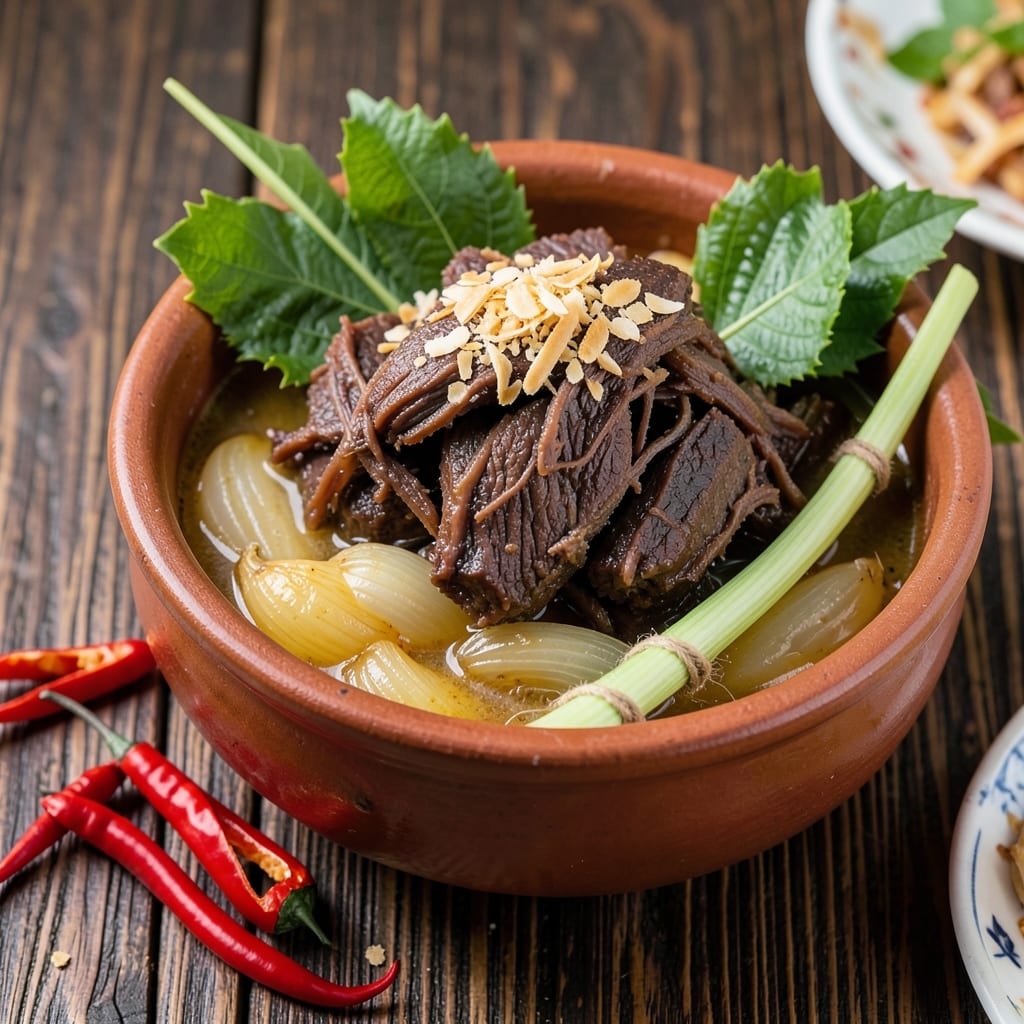
This authentic Malaysian beef rendang recipe brings the rich, aromatic flavors of Malaysia straight to your kitchen, where tender beef simmers for hours in a fragrant coconut milk and spice paste. The slow-cooking process transforms tough cuts into melt-in-your-mouth perfection, creating a dish that's deeply savory, slightly sweet, and bursting with layered spices like turmeric, lemongrass, and galangal. What makes this recipe truly special is its authenticity—every step, from the spice paste to the final reduction, follows traditional techniques passed down through generations.
The beauty of rendang lies in its patience. Unlike quick weeknight meals, this dish rewards you with time—minimum 4-6 hours of slow simmering—allowing the flavors to meld into a harmonious, deeply flavorful sauce that clings to every bite of beef. The result is a dish that’s as impressive as it is delicious, perfect for special occasions or when you want to share a taste of Malaysia with your family. No shortcuts here, just the real deal.
What you’ll end up with is a pot of golden, caramelized beef swimming in a thick, aromatic sauce that’s both rich and complex. The beef falls apart at the touch of a fork, while the sauce—packed with the warmth of cinnamon, the brightness of turmeric, and the earthy depth of galangal—adds layers of flavor with every bite. This is the kind of dish that lingers, not just on your plate but in your memory.
Whether you're serving it with steamed jasmine rice or warm roti canai, this rendang is a labor of love that delivers restaurant-quality results at home. The process might take time, but the reward is a dish that’s worth every minute. Let’s get started on creating something truly special.
Ingredients for authentic malaysian beef rendang
Six hours of slow simmering transforms these simple ingredients into a fragrant, caramelized masterpiece.
| Ingredient | Amount | Notes |
|---|---|---|
| Beef Chuck Roast 🥩 | 3 lb | Cut into 2-inch cubes |
| Full-Fat Coconut Milk 🥥 | 2 cans | 13.5 oz each, unsweetened |
| Yellow Onions 🧅 | 2 whole | Thinly sliced, about 3 cups |
| Garlic Cloves 🧄 | 10 cloves | Peeled and minced |
| Galangal 🌿 | 1 piece | About 3 inches, peeled and sliced |
| Fresh Turmeric 🌶️ | 1 piece | About 2 inches, peeled and grated |
| Fresh Lemongrass 🌿 | 4 stalks | Bruised and cut into 2-inch pieces |
| Fresh Ginger 🌿 | 1 piece | About 2 inches, peeled and sliced |
| Cinnamon Sticks 🌿 | 2 whole | Broken into 1-inch pieces |
| Star Anise 🌶️ | 4 whole | Lightly crushed |
| Cardamom Pods 🌿 | 6 whole | Lightly crushed |
| Cloves 🌶️ | 8 whole | Whole |
| Kaffir Lime Leaves 🍋 | 4 leaves | Torn in half |
| Coconut Oil 🫒 | 2 tbsp | For cooking spice paste |
| Palm Sugar 🍯 | ½ cup | Or brown sugar in a pinch |
| Salt 🧂 | 1 ½ tsp | Adjust to taste |
| Jasmine Rice 🍚 | 3 cups | For serving (uncooked) |
The beef is non-negotiable—chuck roast gives you that melt-in-your-mouth texture, while sirloin stays tough. Grab it from the butcher counter if possible, but the pre-cubed packs at Costco work too. Look for good marbling, not lean cuts. The spices? Asian markets are your best bet for galangal, kaffir lime leaves, and star anise—those little jars at regular grocery stores just don’t cut it. Fresh turmeric and ginger make all the difference too, so skip the powdered versions here. If you can’t find galangal, ginger with extra turmeric works in a pinch, but it won’t be the same.
No coconut milk? Full-fat canned coconut milk from the Asian aisle is essential—light versions won’t give that rich texture. Running out of palm sugar? Brown sugar at half the amount saves the day, though it’ll taste slightly different. Fresh lemongrass is a must—dried loses its citrusy punch. If you’ve never bruised it before, just give it a few firm whacks with a rolling pin. The spice paste is where the magic happens, so don’t skimp on the garlic or onions. For the kaffir lime leaves, if you can’t find them, double the lime zest and add a splash of lime juice—it’s not identical, but it’ll add brightness.
This dish tastes even better the next day, so make it when you’ve got time. The sauce thickens as it cools, so add a splash of water if it gets too stiff. Keeps for 5 days in the fridge or 3 months frozen—portion into containers for easy reheating. Serve with steamed jasmine rice and a sprinkle of fresh cilantro for that restaurant finish. Leftovers make amazing sandwiches too—trust me on that.
Why You'll Love This Recipe
- One-Pot Magic: I swear by this—just toss everything in a Dutch oven, let it simmer, and walk away. No chopping mountains of veggies, no last-minute pan cleanup. That rich coconut-milk aroma alone tells me dinner’s handled.
- Flavor Bomb: The galangal and garlic build layers of heat and depth, while the beef turns fork-tender. It’s the kind of dish where every bite tastes like you spent hours cooking, even though you didn’t.
- Leftovers Heaven: This stuff gets better the next day—yes, really. I make a double batch on Sundays, and by Wednesday, it’s still the star of my lunch. Freeze half for those nights when takeout feels like a chore.
- Budget Stretch: A single chuck roast and a can of coconut milk feed four people heartily. Honestly, it’s one of those rare recipes where the ingredients cost less than delivery, but the taste? Way more impressive.
Step-by-step instructions for authentic Malaysian beef rendang
Let's create this fragrant, slow-cooked masterpiece that captures the heart of Malaysian cuisine.
Prepare the Spice Paste and Cook the Beef
In a food processor, combine the 2 whole yellow onions, 10 cloves garlic, 1 piece galangal, 1 piece fresh turmeric, 4 stalks lemongrass, 1 piece fresh ginger, 2 whole cinnamon sticks, 4 whole star anise, 6 whole cardamom pods, 8 whole cloves, and 4 leaves kaffir lime leaves. Pulse until you get a smooth, thick paste—about 3-4 minutes. With the processor running, slowly add 2 tablespoons coconut oil to create a rich, aromatic base.
Heat a large Dutch oven over medium heat and add the spice paste. Cook for 5-7 minutes, stirring constantly, until the oil separates and the paste turns a deep golden brown. This is your flavor foundation—don't rush this step. Add the 3 lb beef chuck roast cut into 2-inch cubes and cook for 5 minutes, turning occasionally, until the beef develops a light brown crust. This searing locks in flavors and prepares the meat for the long cook ahead.
Build the Coconut Milk Base
Pour in 1 can of full-fat coconut milk and bring to a gentle simmer. The mixture will bubble vigorously as the spices infuse into the coconut milk. Let it simmer uncovered for 15 minutes, stirring occasionally, until the liquid reduces by about one-third and the beef begins to soften slightly. This step develops the rich, caramelized flavors that define rendang.
Add the remaining 1 can of full-fat coconut milk, 0.5 cup palm sugar, and 1.5 teaspoons salt. Stir well to combine. The sugar will help balance the spices and create that signature sweet-savory profile. The mixture should look thick and glossy—this is where the magic begins. Reduce heat to low and let it simmer gently for 1 hour, stirring occasionally to prevent sticking.
Slow-Cook Until Tender and Caramelized
After the initial hour, the beef should be tender but still have some resistance. Here's where the real work begins—cover the Dutch oven and continue simmering on low heat for 2-3 hours. The key is patience; the longer it cooks, the deeper the flavors develop. Every 30 minutes, gently stir the beef and sauce to ensure even cooking and prevent burning.
As it cooks, the sauce will gradually thicken and darken to a rich, caramelized color. This is the hallmark of authentic rendang—what we call "rendang hitam" or "black rendang." The longer it cooks, the more intense the flavors become. You'll know it's ready when the beef is fork-tender and the sauce has a glossy, jam-like consistency. If it's not thick enough, uncover the pot and simmer for another 15-20 minutes to reduce further.
Rest and Serve with Jasmine Rice
Once the beef is perfectly tender and the sauce has reached your desired consistency, remove the pot from heat. Let the rendang rest for 10-15 minutes—this allows the juices to redistribute throughout the beef, ensuring each bite is moist and flavorful. The resting also lets the spices meld completely, creating a harmonious balance of sweet, spicy, and savory notes.
Serve the beef rendang hot over 3 cups of steamed jasmine rice. The fragrant rice acts as a perfect canvas for the rich, complex flavors of the rendang. Garnish with fresh cilantro if desired, though traditional rendang is often served as-is to let the deep flavors shine. This dish tastes even better the next day as the flavors continue to develop, so it's perfect for meal prep or special gatherings.
Pro Tips For Making Authentic Malaysian Beef Rendang
- BLISTER THE ONIONS FIRST: Skip the slow sauté—char those onions over high heat until they’re dark and jammy, almost caramelized. This builds deeper flavor faster than simmering them gently, and it’s the step that makes your paste taste like it came from a Minangkabau kitchen.
- USE TWO COCONUT MILKS: Start with a can of full-fat coconut milk, reduce it by half, then add another can. The first evaporation concentrates the richness, while the second can dilutes the paste just enough to coat the beef properly. I learned this the hard way—my first batch was either too thick or too watery.
- LOW AND SLOW ISN’T SLOW ENOUGH: Rendang needs 3–4 hours at 170°F (75°C) minimum, not just "low heat." Use a meat thermometer—beef should pull apart like butter when it hits 203°F (95°C). I’ve seen people walk away after 2 hours and wonder why it’s still tough.
- GRATE THE GALANGAL FRESH: Store-bought galangal paste lacks the bright, citrusy kick of freshly grated. Use about 2 inches of root per pound of beef, then pound it with the other paste ingredients. Sounds weird, but it works—your rendang will smell like a spice market, not a can of processed shortcuts.
Pro cooking tips for great authentic malaysian beef rendang
Spice Paste Mastery
Your spice paste is the soul of rendang—don’t rush this step! Use a high-quality food processor (I swear by the Ninja BN601) and pulse the ingredients until completely smooth, about 3-4 minutes. The key is to cook it in a Dutch oven over medium heat until it turns deep golden brown—this takes 5-7 minutes of constant stirring. That rich, nutty aroma? That’s the Maillard reaction doing its magic, building complex flavors. If your paste looks dry, add 1 tablespoon water to help it emulsify properly. 🌶️
Low-and-Slow Simmering
Patience is non-negotiable here—rendang needs 4-6 hours of gentle simmering at low heat (around 180-200°F). I use a meat thermometer to monitor the beef’s internal temperature—it should reach 203°F for perfect tenderness. The sauce will gradually reduce and darken into that signature caramelized "black rendang" look. Every 30 minutes, stir gently to prevent sticking and ensure even cooking. If the sauce gets too thick, add 2-3 tablespoons water to maintain moisture. ⏰
Coconut Milk Reduction
Full-fat coconut milk is essential—light versions won’t give that creamy texture. After adding the second can, let it simmer uncovered for 15 minutes to infuse the spices fully. Then reduce heat to low and simmer gently for 1 hour before covering. The sugar (palm sugar if possible) balances the spices beautifully, but don’t skip it—it’s what creates that sweet-savory harmony. If your sauce isn’t thick enough after 2-3 hours, uncover the pot and simmer for another 15-20 minutes to reduce it further. 🥥
Beef Tenderization Tricks
For extra tenderness, I recommend marinating the beef for 12-24 hours in a mix of 1 cup coconut milk, 1 tbsp turmeric, 1 tbsp salt, and 1 tbsp palm sugar before cooking. This pre-cooking step breaks down the meat fibers further. If your beef isn’t tender enough after 4 hours, add ½ cup water and cover the pot to steam the meat gently. The chuck roast is ideal here—it’s tough but becomes melt-in-your-mouth tender when cooked low and slow. 🥩
Equipment Essentials
Skip the nonstick pan—Dutch ovens (like Le Creuset) are a must for even heat distribution and deep flavor development. If you don’t have one, a heavy-bottomed stainless steel pot works too. A meat thermometer (I love the Thermoworks Smoke) ensures perfect doneness, and a wooden spoon prevents scratching your pot while stirring. For long simmering, I place my Dutch oven on a diffuser to prevent hot spots. 🔥
Nutrition facts
Frequently asked questions
Can I substitute any of the spices in this Malaysian beef rendang?
Most spices can be swapped with close alternatives, but some are essential for authenticity. Galangal (substitute with extra ginger + turmeric) and kaffir lime leaves (use lime zest + juice) are key. Star anise and cardamom can be omitted if unavailable, but they add depth. For cinnamon, use ½ teaspoon ground cinnamon instead of a stick.
Why does my rendang sauce turn out too thin or watery?
This usually happens from insufficient simmering time or using light coconut milk. For authentic texture, simmer uncovered for 15-20 extra minutes to reduce. If still thin, blend ½ cup of the sauce separately and stir back in to thicken. Never use evaporated milk—it alters the flavor completely.
How do I make this recipe in a slow cooker?
Transfer all ingredients to a 6-quart slow cooker after browning the beef. Cook on low for 6-8 hours or high for 4-5 hours, stirring occasionally. The sauce may need 10-15 minutes of stove-top reduction afterward to achieve proper thickness.
Can I use chicken or lamb instead of beef?
Yes, but cooking times will differ. Chicken needs 2-3 hours total (remove when internal temp hits 165°F), while lamb requires 4-5 hours (until 203°F). For chicken, reduce coconut milk by ½ can to prevent mushiness. Lamb benefits from longer simmering to develop rich flavors.
What's the best way to reheat leftover rendang?
Gently reheat in a pot with 2-3 tablespoons water over low heat for 10-15 minutes, stirring occasionally. Microwaving can make the sauce greasy. For best results, reheat only until warm, then let it sit 5 minutes before serving—this allows flavors to rebalance beautifully.