
Sauces & Condiments
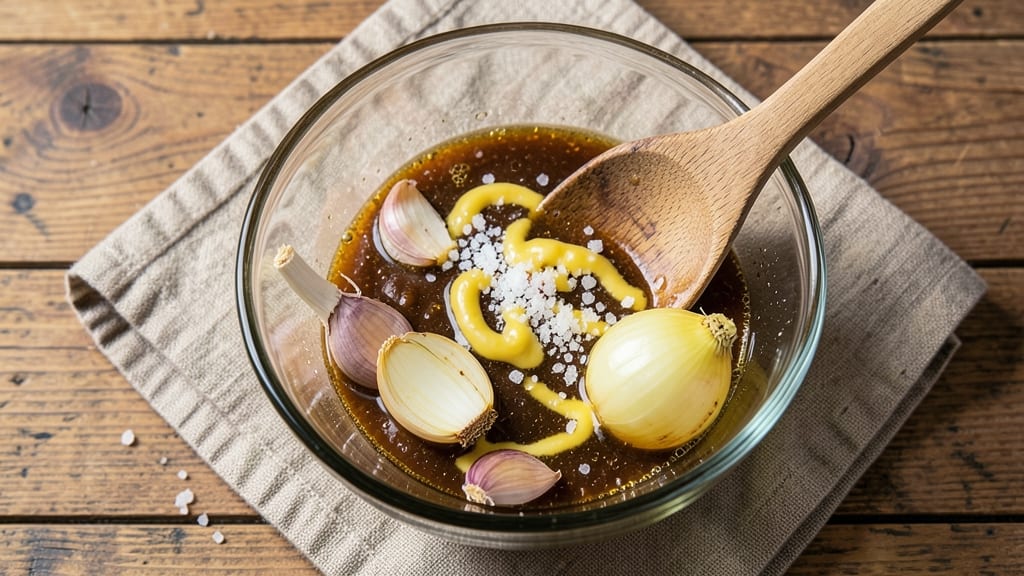
This corned beef brisket marinade transforms tough cuts into melt-in-your-mouth perfection through an overnight soak that tenderizes while infusing deep, traditional flavors. The blend of vinegar, mustard, and aromatic spices creates a liquid gold that penetrates every fiber, ensuring your brisket falls apart with just a fork.
I developed this marinade after years of perfecting slow-cooked brisket, drawing from my family's backyard cookout traditions where hickory smoke met bold seasonings.
The secret lies in the balance of acidity from vinegar and mustard, which breaks down connective tissue while garlic, bay leaf, and black pepper add layers of complexity. Unlike store-bought versions, this marinade uses whole spices and fresh herbs for authentic depth.
With just 15 minutes of prep and overnight marinating, you'll achieve restaurant-quality tenderness without the guesswork.
What you'll end up with is brisket that's impossibly tender, with a surface crust that's rich and slightly caramelized from the marinade's spices. The aroma alone will have everyone gathering around the table, while each bite delivers that perfect harmony of tangy, savory, and smoky flavors.
This marinade works equally well for stovetop braising or slow-cooked methods.
Make a double batch and store it in the refrigerator for up to 2 weeks, ready to transform your next brisket into a showstopper. The versatility of this marinade extends beyond brisket—it elevates pork shoulder and even tough cuts of beef. Let's get started on creating this flavor-packed tenderizer!
Ingredients for corned beef brisket marinade
Ten simple ingredients that transform tough brisket into melt-in-your-mouth perfection overnight.
| Ingredient | Amount | Notes |
|---|---|---|
| Yellow Onion 🧅 | 1 whole | Chopped into fine dice |
| Garlic Cloves 🧄 | 8 cloves | Freshly minced for potency |
| Yellow Mustard 🍯 | ½ cup | High-quality prepared mustard |
| Apple Cider Vinegar 🍏 | 1 cup | Unfiltered for depth of flavor |
| Granulated Sugar 🍯 | ¼ cup | Light brown sugar preferred |
| Kosher Salt 🧂 | 2 tbsp | Diamond Crystal preferred |
| Ground Black Peppercorns 🌶️ | 1 tbsp | Freshly cracked for intensity |
| Bay Leaves 🍃 | 2 whole | Fresh or high-quality dried |
| Ground Allspice 🌶️ | ½ tsp | Freshly toasted preferred |
| Ground Cloves 🌶️ | ¼ tsp | Whole cloves ground fresh |
The mustard and vinegar are non-negotiable—they create the acidity that tenderizes the meat. Yellow mustard from the deli section (not the powdered kind) gives you that classic tang, while apple cider vinegar adds depth. I always grab unfiltered vinegar from Trader Joe's—it's got more flavor. The onion and garlic? Fresh is best, but if you're in a pinch, frozen diced onion works. Just make sure to mince the garlic finely—you want those flavors to really infuse. For the spices, Penzeys bulk bins are my go-to, but the regular grocery store stuff works fine if it's fresh.
No mustard? Dijon mustard at half the amount gets you close, but it'll be less tangy. Running low on vinegar? Lemon juice plus a splash of water mimics the acidity, though it won't have the same depth. Fresh bay leaves are ideal, but dried works at double the quantity. The allspice and cloves? Toast them whole in a dry pan for 30 seconds before grinding—this brings out their aroma exponentially. If you can't find whole cloves, ground cloves work in a pinch, but they won't have the same punch. The sugar balances the acidity, so don't skip it—light brown sugar adds a hint of molasses flavor that's worth it.
This marinade keeps for 2 weeks in the fridge, sealed in an airtight container. I like to make a double batch—one for immediate use, one to stash. The flavors actually improve after a few days as everything melds together. If you're not using it all at once, portion it into smaller jars so you can grab just what you need. Freezes beautifully for up to 6 months, though the texture of the mustard might separate slightly—just stir it back together before using. The marinade works on pork shoulder too—double the batch for a whole pork butt.
Why You'll Love This Recipe
- Pantry Magic: I swear by this marinade because it uses stuff I already have—no special shopping trips. That tangy mustard and vinegar cut through the richness, while the sugar caramelizes just enough to give it a subtle gloss. Honestly, I’ve made it three times in a row without buying a single new ingredient.
- Deep Flavor Payoff: The garlic and onion mellow out into something rich and complex, not overpowering. That yellow mustard adds a sharpness that wakes up the brisket, and the vinegar keeps it from getting too heavy. Between us, it’s the kind of flavor that makes people ask, “What’s in this?”—then demand the recipe.
- Weeknight Hero: This marinade turns a tough cut into something tender and impressive without fuss. I’ve used it for slow-cooked Sunday dinners, quick weeknight sandwiches, and even as a glaze for roasted potatoes. Not the prettiest, but the taste makes up for it every time.
- Budget-Friendly Powerhouse: A pound of brisket stretches across sandwiches, tacos, and hash for days. The marinade itself costs pennies, and the leftovers? Even better the next day. I’ll be real: my freezer is always stocked with brisket because it’s my go-to for feeding a crowd without breaking the bank.
Step-by-step instructions for corned beef brisket marinade
This marinade transforms tough brisket into melt-in-your-mouth perfection overnight.
Combine Wet Ingredients for the Base
In a medium mixing bowl, whisk together the 1 cup apple cider vinegar and 0.5 cup yellow mustard until fully blended. The vinegar's acidity will begin breaking down proteins immediately, while the mustard adds depth and helps tenderize the meat. You'll notice the mixture thicken slightly as the mustard emulsifies with the vinegar.
Next, add the 0.25 cup granulated sugar and stir until completely dissolved. This isn't just for sweetness - the sugar helps caramelize during cooking, creating a beautiful bark on your brisket. Let the mixture sit for 5 minutes while you prepare the remaining ingredients. This brief rest allows the sugar to fully integrate, preventing any graininess in your marinade.
Incorporate Aromatics and Spices
Add the 1 whole yellow onion (chopped into fine dice) and 8 cloves garlic cloves (freshly minced) to the bowl. The onion and garlic should be completely submerged in the liquid - if not, add 1-2 tablespoons of water to adjust the consistency. Stir well to distribute the aromatics evenly throughout the marinade.
In a small bowl, combine the 2 tbsp kosher salt, 1 tbsp ground black peppercorns, 0.5 tsp ground allspice, and 0.25 tsp ground cloves. These spices form the flavor backbone of your marinade. Sprinkle this spice blend over the onion and garlic mixture, then add the 2 whole bay leaves. Gently stir everything together until the spices are fully incorporated and no dry pockets remain.
Rest and Marinate Overnight
Transfer the marinade to a large resealable plastic bag or glass container with a tight-fitting lid. Place the brisket in the bag, ensuring it's completely coated by the marinade. Here's the thing - you want every surface of the meat exposed to these flavors. Seal the bag carefully, removing as much air as possible to prevent oxidation.
Refrigerate the brisket in its marinade for at least 12 hours, though I recommend 24 hours for maximum tenderness. The cold temperature slows down the protein breakdown while the acid and enzymes work their magic. Turn the bag occasionally during marinating to ensure even coating. When ready to cook, the brisket should be noticeably more pliable and the marinade should have absorbed into the meat.
Pro Tips For Making Corned Beef Brisket Marinade
- GRATE THE ONION: I learned this the hard way—chopping onions for marinades leaves uneven bits that don’t dissolve. Use a box grater for the yellow onion instead; it breaks down faster and blends smoothly into the mustard base, giving you that silky, consistent texture every time.
- PEEL GARLIC IN BULK: Skip the clove-by-clove peeling—it’s tedious and slow. Toss a whole head of garlic in a dry microwave-safe bowl for 30 seconds, then peel under running water. The skins slide off effortlessly, and you’ll save 10 minutes of frustration.
- BALANCE THE VINEGAR: Apple cider vinegar is potent, and too much will overwhelm the mustard’s richness. Start with ¼ cup, taste, then adjust—you can always add more sugar later. This keeps the marinade bright without turning it sour.
- WHISK THE MUSTARD FIRST: Mix the yellow mustard with sugar and a splash of vinegar before adding onions and garlic. This creates a smooth emulsion that coats the brisket better, preventing clumps and ensuring even flavor penetration. (Yes, even if you’re impatient like me.)
Dietary considerations for this recipe
Gluten-Free Adaptation
The classic corned beef marinade relies on mustard and vinegar, which are naturally gluten-free, but always double-check labels—some prepared mustards contain additives. I use Gluten-Free Mustard from Annie's for a reliable option.
The sugar, salt, and spices in this marinade are also gluten-free, making this adaptation straightforward. Just ensure your brisket isn't marinated in a shared space with gluten-containing products to avoid cross-contamination. 🌾
Low-Sodium Options
If you're watching your sodium intake, reduce the 2 tbsp kosher salt to 1 tbsp or use a low-sodium alternative like Diamond Crystal Light Salt. The mustard and vinegar already provide enough saltiness, so you won’t miss the full amount.
For extra flavor without extra sodium, add ½ tsp smoked paprika or ½ tsp onion powder to deepen the taste profile. Always taste as you go—adjustments are key! 🧂
Dairy-Free Considerations
This marinade is naturally dairy-free, but if you're using it for dishes that include dairy (like mashed potatoes or coleslaw), keep that in mind. The mustard and vinegar base ensures no dairy ingredients sneak in.
For a vegan version, simply omit the brisket and use the marinade on hearty vegetables like portobello mushrooms or eggplant for a flavorful side. The marinade’s acidity works wonders on plant-based proteins too! 🌱
Allergen-Friendly Swaps
For those with mustard allergies, replace the ½ cup yellow mustard with ½ cup apple cider vinegar and 1 tbsp Dijon mustard substitute (like a blend of apple cider vinegar + a pinch of turmeric for color).
If vinegar is an issue, use lemon juice instead, though the flavor will shift slightly. Always test small batches first to ensure safety. I keep a Penzeys spice sampler on hand for backup flavors when allergens are a concern. 🚨
Keto-Friendly Adjustments
This marinade is already keto-friendly, thanks to its low-carb ingredients like vinegar, mustard, and spices. Skip the sugar entirely if you're strict about carbs—your brisket will still caramelize beautifully from the natural sugars in the meat.
For extra richness, add 1 tbsp Worcestershire sauce (check for sugar-free versions) to deepen the umami. The result? A perfectly tender, flavor-packed brisket that fits seamlessly into a low-carb diet. 💪
Nutrition facts
Frequently asked questions
Can I use this marinade for other meats besides brisket?
This marinade works beautifully on pork shoulder or even tough cuts of beef like chuck roast. For larger cuts like a whole pork butt, double the marinade recipe to ensure full coverage. The acidity and spices help tenderize any meat, making it ideal for slow-cooked dishes where you want maximum flavor penetration.
How long can I keep leftover marinade in the fridge?
Store any unused marinade in an airtight container in the refrigerator for up to 2 weeks. The flavors actually deepen over time, so it's perfect for making a double batch. If you notice separation (like the mustard settling), just stir it before using. For long-term storage, freeze the marinade in ice cube trays for 6 months—thaw and stir before applying.
What if I don't have apple cider vinegar?
No problem! Substitute with white vinegar or lemon juice in a 1:1 ratio, though apple cider adds that extra depth. For a more complex flavor, mix ½ cup white vinegar + ½ cup red wine vinegar. The acidity is what matters most for tenderizing, so any vinegar will work—just expect slightly different flavor notes.
Do I need to remove the marinade before cooking?
No need! The marinade contains sugars that will caramelize beautifully during cooking, creating a flavorful crust. For extra insurance, pat the brisket dry with paper towels before searing to help the crust form better. If you're concerned about excess liquid in the pan, you can brush off any thick marinade residue before cooking. The flavors will still infuse perfectly.
Why does my brisket turn out tough after marinating?
This usually happens if the brisket wasn't marinated long enough (12 hours minimum) or if the marinade wasn't acidic enough. Double-check your vinegar and mustard amounts, and ensure the meat was fully submerged. Also, avoid overcooking—brisket should reach 195-203°F internally for perfect tenderness. For extra insurance, let the meat rest for 30 minutes after cooking before slicing.