
Main Courses
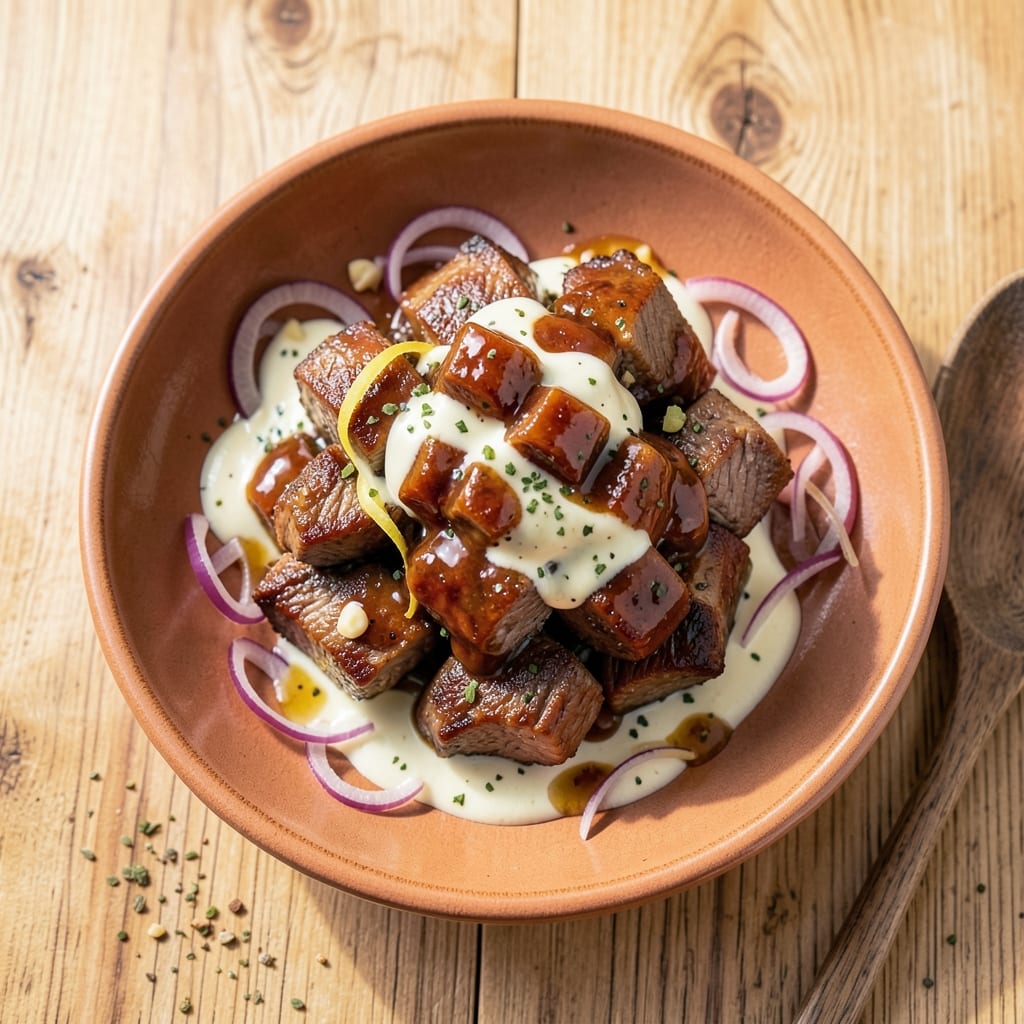
Beef achar gosht transforms tough beef into melt-in-your-mouth tenderness through a tangy tamarind marinade and slow-cooked spice gravy—a dish that balances sour, sweet, and savory in every bite. The secret lies in the marinade, where yogurt and tamarind work together to tenderize the meat while building complex flavors. This recipe stays true to tradition, delivering restaurant-quality results at home with just a few key ingredients and patience.
The cooking process begins with a vibrant marinade that infuses the beef with bright, tangy notes, then simmers in a rich gravy of tomatoes, ginger, garlic, and aromatic spices until the meat falls apart. What makes this dish special is how the tamarind's acidity tenderizes the beef while the slow cooking develops deep, layered flavors that keep improving over time. No shortcuts here—just authentic technique that transforms simple ingredients into something extraordinary.
By the time you serve this dish, you'll have perfectly tender beef swimming in a glossy, spiced gravy that's both bold and balanced. The tangy-sweet profile pairs beautifully with steamed basmati rice, warm roti, or crusty naan, making it a complete meal. This is comfort food at its finest—rich, flavorful, and deeply satisfying, perfect for family gatherings or special occasions.
Ready to master this classic? The recipe includes traditional methods with optional slow-cooker adaptations for modern convenience. Let's create a dish that will have everyone asking for seconds.
Ingredients for beef achar gosht
Transform tough beef into tender perfection with these carefully balanced ingredients—each playing its part in the tangy-spiced symphony.
| Ingredient | Amount | Notes |
|---|---|---|
| Beef Chuck Roast 🥩 | 2 lb | Cut into 1.5-inch cubes |
| Plain Yogurt 🥛 | 1 cup | Full-fat preferred for creaminess |
| Tamarind Paste 🍯 | ½ cup | Adjust for tartness preference |
| Red Onion 🧅 | 1 whole | Finely chopped for marinade |
| Garlic Cloves 🧄 | 6 cloves | Minced for marinade and gravy |
| Ginger Root 🌿 | 2 tbsp | Freshly grated, not powdered |
| Green Chilies 🌶️ | 4 whole | Slit lengthwise for marinade |
| Tomatoes 🍅 | 4 whole | Ripe, chopped for gravy |
| Cumin Seeds 🌾 | 1 tbsp | Toasted for aroma |
| Ground Cumin 🌿 | 1 tbsp | For gravy depth |
| Ground Coriander 🌿 | 1 tbsp | Freshly ground preferred |
| Turmeric Powder 🧂 | ½ tsp | For color and earthiness |
| Garam Masala 🌶️ | 1 tsp | For finishing touch |
| Salt 🧂 | 1 ½ tsp | Adjust to taste |
| Vegetable Oil 🫒 | ½ cup | High smoke point preferred |
The beef selection is critical here. Chuck roast delivers the best texture—its marbling ensures tenderness as it breaks down. Look for well-marbled cuts at your local butcher shop or the meat department of Whole Foods; avoid lean cuts like sirloin that won't tenderize properly. The tamarind paste can be tricky to find in regular grocery stores, but Indian specialty markets carry it in jars or blocks. For a quick substitution, mix 1/4 cup lemon juice with 1/4 cup brown sugar plus 1 tsp vinegar to mimic the tartness, though it won't be identical. Fresh ginger and garlic are non-negotiable—powdered versions lack the depth of flavor this dish demands.
No tamarind? As mentioned, the lemon-brown sugar-vinegar mix works in a pinch, though the flavor profile will differ slightly. For chilies, green serrano peppers are ideal, but jalapeños will add more heat. If you're using dried spices, toast them in a dry pan for 30 seconds to enhance their aroma—ground coriander should be freshly ground if possible, as pre-ground loses potency quickly. The yogurt should be plain and full-fat; Greek yogurt works well if that's what you have. For the tomatoes, San Marzano canned tomatoes provide the best flavor without excess water, but fresh tomatoes work beautifully if you're in season.
This dish rewards patience—both in marinating and cooking. Marinate the beef for at least 4 hours (overnight is ideal) to ensure maximum tenderness. The gravy can be made ahead and reheated gently, though the beef should be added fresh to the pot. Store the marinade in an airtight container in the fridge for up to 2 days before using. Leftover beef keeps for 3 days in the fridge or 3 months frozen, though the flavor deepens with time. The gravy freezes well separately for up to 2 months, perfect for quick weeknight meals.
Why You'll Love This Recipe
- Tamarind Magic: The yogurt and tamarind paste work together like a dream—tangy, sweet, and just a little funky. That slow-cooked beef falls apart at the touch of a fork, soaking up all the flavors like a sponge.
- One-Pot Wonder: Honestly, I’ve made this with just a Dutch oven and a spoon. The onions caramelize right in the pot while the beef tenderizes, and cleanup? One pan, one spatula, done. Minimal chopping required—just dice the onions and smash the garlic.
- Leftovers That Shine: Between us, this dish tastes better the next day. I’ll make a big batch on Sunday, and by Wednesday, it’s my lunch again—packed in wraps or over rice. The flavors deepen, and the beef gets even more melt-in-your-mouth.
- Budget-Friendly Feast: A chuck roast stretches for days, and the yogurt-tamarind marinade costs pennies. I’ve fed six people for under $15, and everyone’s left happy. Plus, the tamarind paste lasts forever—no wasted ingredients here.
Step-by-step instructions for beef achar gosht
Master this traditional Persian dish with perfectly tender beef infused in tangy tamarind marinade.
Marinate the Beef for Maximum Tenderness
Cut the 2 lb beef chuck roast into 1.5-inch cubes and place in a large mixing bowl. In a separate bowl, whisk together the 1 cup plain yogurt, 0.5 cup tamarind paste, 1.5 tsp salt, 0.5 tsp turmeric powder, and 1 tbsp ground coriander. This marinade creates the signature tangy flavor while breaking down the beef fibers.
Pour the marinade over the beef cubes, coating them evenly. Add the 1 whole red onion (finely chopped), 6 cloves garlic (minced), 2 tbsp ginger root (freshly grated), and 4 whole green chilies (slit lengthwise). Mix thoroughly until every piece of beef is well-coated. Cover the bowl and refrigerate for at least 8 hours, preferably overnight. The longer it marinates, the more tender and flavorful the beef will become.
Cook the Beef Until Fork-Tender
Heat the 0.5 cup vegetable oil in a heavy-bottomed pot over medium-high heat. Once the oil shimmers, add the marinated beef in a single layer, ensuring it doesn't overcrowd the pan. Cook undisturbed for 5-7 minutes until the beef develops a golden crust on all sides. This initial searing locks in the juices and builds flavor.
Reduce heat to medium-low and cover the pot. Allow the beef to cook for 1.5 to 2 hours, stirring occasionally, until it becomes fork-tender. The beef should pull apart easily with minimal resistance. If the marinade reduces too quickly, add ¼ cup water to maintain moisture. The goal is tender beef with a rich, caramelized sauce.
Prepare the Tangy Gravy
Increase the heat to medium-high and add the 1 tbsp cumin seeds to the pot. Toast them for 30 seconds until fragrant—this releases their aromatic oils. Add the 4 whole tomatoes (chopped), 1 tbsp ground cumin, and 1 tbsp ground coriander, cooking for 5 minutes until the tomatoes soften and the spices deepen in color.
Stir in 1 tsp garam masala and simmer for 10 minutes, allowing the flavors to meld. The gravy should thicken slightly, coating the beef in a glossy, tangy sauce. Taste and adjust the seasoning with additional salt if needed. The gravy should balance the tamarind's tartness with the warmth of the spices, creating a harmonious flavor profile.
Rest and Serve for Optimal Texture
Remove the pot from heat and let the beef rest for 10 minutes, covered. This resting period allows the juices to redistribute, ensuring each bite is moist and flavorful. Serve the beef achar gosht hot, garnished with additional minced garlic and chopped green chilies for a fresh finish.
The dish should have tender, melt-in-your-mouth beef with a vibrant, tangy gravy that clings to every piece. Pair it with steamed basmati rice or naan bread to soak up the rich, spiced sauce. The tamarind marinade ensures a distinctive flavor that sets this dish apart from other beef preparations.
Pro Tips For Making Beef Achar Gosht
- Marinate the Beef Overnight: I learned this the hard way—rushing the marinade means the yogurt and tamarind won’t penetrate deep enough. Give the beef chuck roast at least 12 hours in the fridge with yogurt, tamarind paste, and crushed garlic, so the acid and spices transform tough meat into something tender and flavorful. (Yes, even if you’re impatient like me.)
- Sear in Batches: Crowding the pan turns your beef achar into a sad, greasy mess. Sear the chunks in a single layer over high heat first—this builds the crust that locks in juices. Only add more beef once the first batch is golden brown. (Your future self will thank you.)
- Thin the Tamarind: Tamarind paste is sticky and stubborn—dilute it with warm water first. A smooth, runny consistency blends better with the yogurt marinade and coats the beef evenly. I used to skip this, and the flavor felt clumpy and uneven. (Sounds weird, but it works.)
- Deglaze with Onion Water: After searing, don’t just toss in chopped onions—save the onion scraps and boil them in the leftover beef drippings. Strain and use that rich, caramelized liquid to deglaze the pan. It adds depth the recipe often misses. (This isn’t the prettiest method, but it’s the tastiest.)
Serving suggestions for leftovers
Classic Pairings
Serve your beef achar gosht with steamed basmati rice—its delicate, slightly floral aroma complements the dish's tangy-spiced profile beautifully. I always cook 1 cup basmati rice for every 2 servings of beef, rinsing it thoroughly before steaming to achieve that perfect fluffy texture. The rice acts as a neutral canvas that lets the rich flavors of the beef shine. 🥘
Bread Companions
For a heartier meal, offer warm naan or roti alongside. I recommend brushing the bread with garlic-infused ghee before serving—just mix 1 tbsp ghee with 1 minced garlic clove and a pinch of salt. The bread soaks up the delicious gravy while adding a satisfying chewiness that balances the dish's tenderness. Store-bought naan from the Indian grocery aisle works perfectly if you're short on time.
Fresh Contrasts
Add a bright, fresh element to cut through the richness with a simple cucumber raita. Mix 1 cup yogurt with ½ cup grated cucumber, 1 tsp roasted cumin powder, and a pinch of salt. The cool, creamy texture and mild crunch provide a refreshing contrast to the warm, spiced beef. For extra zing, add 2 tbsp chopped mint or cilantro at the end. 🥒
Pickled Accents
Elevate the meal with quick-pickled onions—just slice ½ red onion thinly and soak in a mix of ¼ cup vinegar, 1 tbsp sugar, and ½ tsp salt for 15 minutes. The sharp, tangy onions add another layer of acidity that enhances the tamarind's flavor. I like to sprinkle them generously over the beef just before serving for a pop of color and texture.
Modern Twists
For a contemporary touch, serve the beef with crispy potato wedges instead of rice. Toss 2 large potatoes (cut into wedges) with 1 tbsp oil, ½ tsp paprika, and ½ tsp salt, then bake at 425°F for 25-30 minutes until golden. The salty, crispy wedges provide a fun contrast to the rich, tender beef. This works especially well for family-style gatherings where variety is key. 🍟
Garnish Finishes
Finish your dish with toasted cumin seeds and chopped green chilies for an aromatic, fresh garnish. Just toast 1 tsp cumin seeds in a dry pan for 30 seconds until fragrant, then sprinkle over the beef. The nutty crunch and mild heat from the chilies add depth and brightness. For extra flair, drizzle with 1 tsp ghee just before serving—it adds a luxurious sheen and enhances the overall presentation. ✨
Nutrition facts
Frequently asked questions
What makes beef achar gosht different from other beef curries?
The key difference lies in the tamarind marinade and slow-cooked spice gravy. Unlike traditional curries that rely on yogurt and cream, achar gosht uses tamarind for its signature tangy-sweet balance, while the beef cooks low-and-slow in a rich tomato-cumin base until fork-tender. The result is a dish with both vibrant acidity and deep, caramelized flavors.
Can I substitute tamarind paste if I can't find it?
Yes! Mix ¼ cup lemon juice with ¼ cup brown sugar and 1 tsp vinegar for a similar tartness. For best results, let the marinade sit for 1 hour before using so the flavors meld. However, tamarind's unique depth is hard to fully replicate—if possible, visit an Indian grocery store for authentic paste.
How do I know when the beef is fully tender?
The beef is ready when it easily pulls apart with a fork and the edges look slightly translucent. For best results, cook until the internal temperature reaches 195°F (90°C)—this ensures maximum tenderness. If using a meat thermometer, insert it into the thickest piece without touching bone. The gravy should also coat the back of a spoon smoothly.
Can I make this recipe in a slow cooker?
After searing the beef, transfer it to your slow cooker with the marinade and spices. Cook on low for 6-7 hours or high for 3-4 hours, then add the tomatoes and cumin seeds during the last 1 hour of cooking. The slow cooker method actually enhances tenderness while keeping the flavors concentrated. Just stir occasionally to prevent sticking.
What if my gravy turns out too thin?
Simmer the gravy uncovered for 5-10 minutes to reduce it naturally. If it's still too thin, mix 1 tbsp cornstarch with 2 tbsp water, stir into the gravy, and cook for 2 more minutes until thickened. Avoid over-reducing, as this can make the sauce bitter. For extra richness, stir in 1 tbsp ghee at the end.