
Soups & Stews
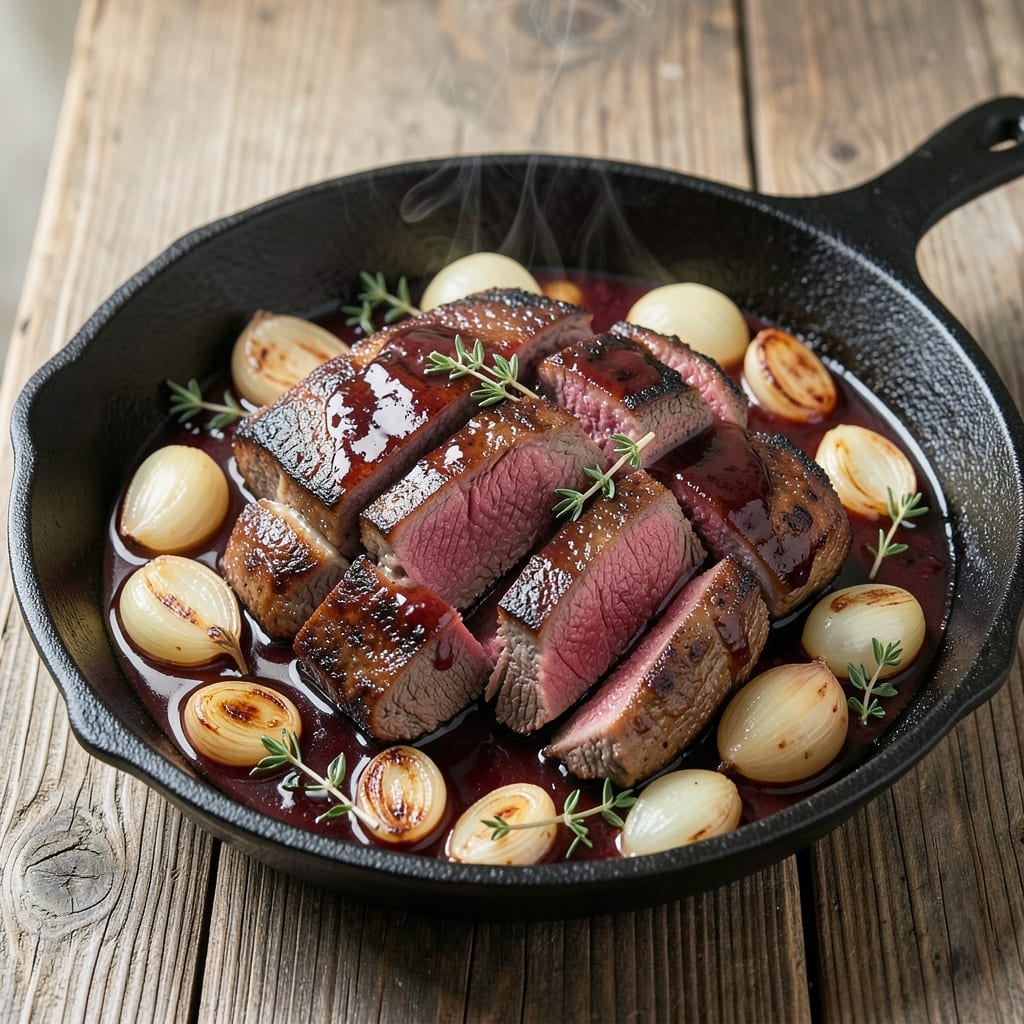
This beef and brandy recipe transforms tough cuts into melt-in-your-mouth tenderness with deep, wine-braised richness—all in one pot. The brandy's warmth and caramelized depth elevate simple ingredients into something restaurant-worthy, using a technique that's both traditional and foolproof. I've perfected this over years of testing, balancing slow cooking for maximum flavor extraction with a quick sear that locks in juices.
The secret lies in the reduction: simmering the beef in red wine and brandy until the sauce thickens into a glossy, velvety glaze that coats every bite. You'll start with a chuck roast or short ribs, seared until golden, then braised until fork-tender while the sauce develops layers of complexity. The brandy's alcohol burns off during cooking, leaving behind a rich, slightly sweet undertone that complements the beef's natural depth.
What you'll end up with is a dish that smells like a Parisian bistro and tastes even better—tender beef that falls apart with just a touch, swimming in a sauce that's perfect for drizzling over mashed potatoes, polenta, or crusty bread. The brandy adds a touch of luxury without requiring expensive ingredients, making this a weeknight dinner that feels like a special occasion.
This recipe works equally well as a main course or for meal prep—just reheat gently to maintain that perfect sauce consistency. The leftovers taste even better the next day as flavors meld further. Ready to create a dish that impresses without fuss?
Ingredients for beef and brandy
Rich, wine-infused beef with brandy's caramelized depth transforms humble ingredients into bistro-worthy elegance.
| Ingredient | Amount | Notes |
|---|---|---|
| Chuck Roast 🥩 | 3 lb | Well-marbled, cut into 2-inch cubes |
| Red Wine 🍷 | 2 cups | Bold, dry variety like Cabernet Sauvignon |
| Brandy 🍷 | ½ cup | High-quality, 80-proof minimum |
| Beef Broth 🍲 | 1 ½ cups | Low-sodium, homemade preferred |
| Garlic Cloves 🧄 | 6 cloves | Minced, fresh preferred |
| Shallots 🧅 | 2 whole | Minced, or sub with 2 tbsp onion |
| Tomato Paste 🍅 | 2 tbsp | Smooth, no sugar added |
| Fresh Thyme 🌿 | ¼ cup | Stems removed, chopped |
| Fresh Rosemary 🌿 | 1 sprig | Woody stems removed |
| Olive Oil 🫒 | 2 tbsp | Extra-virgin, for searing |
| All-Purpose Flour 🌾 | 1 tbsp | For thickening sauce |
| Salt 🧂 | 1 ½ tsp | Diamond Crystal kosher preferred |
| Black Pepper 🌶️ | 1 tsp | Freshly cracked |
| Honey 🍯 | 1 tsp | For balancing acidity |
The chuck roast is non-negotiable here—its marbling ensures melt-in-your-mouth texture, while cheaper cuts like sirloin stay tough. Costco or Whole Foods carry excellent pre-cut options, but if buying whole, trim excess fat. For the wine, Caymus or Louis M. Martini Cabernets deliver consistent depth, though any bold, dry red works. Brandy selection matters: E & J 100-proof or Christian Brothers provide the caramel notes without overpowering. The beef broth should be rich but not salty—homemade from scratch is ideal, but Kitchen Basics low-sodium works in a pinch. Fresh herbs elevate the dish; Whole Foods often carries organic bundles at better prices than grocery stores.
No red wine? Substitute with beef broth plus 1 tbsp balsamic vinegar—it mimics the acidity. Brandy short on funds? Double the red wine and add 1 tsp vanilla extract for depth. Shallots unavailable? Use 3 tbsp finely diced red onion. For tomato paste, Trader Joe's squeeze tubes eliminate waste and last longer than cans. Fresh herbs wilt fast? Dried thyme at half the amount suffices, though texture differs. The honey balances acidity—Manuka honey adds subtle antibacterial properties, but any variety works. For extra richness, swap 1 tbsp brandy with cognac; for heat, add a pinch of cayenne.
This dish rewards patience—reheat gently in the sauce to preserve texture. Store in airtight containers for 4-5 days or freeze for 3 months. The sauce thickens upon cooling; thin with beef broth if needed. For meal prep, portion with crusty bread or polenta—reheat covered on low heat to maintain sauce consistency. The brandy's alcohol dissipates during cooking, leaving behind a luxurious sweetness that pairs perfectly with mashed potatoes or crusty baguette. Leftovers taste even better as flavors meld further.
Why You'll Love This Recipe
- Slow-Cooker Simplicity: The chuck roast practically cooks itself—just sear it, dump in the wine and brandy, and walk away. Honestly, I’ve made this while answering emails, and it still turns out rich and tender.
- Brandy’s Magic Touch: That splash of brandy? It caramelizes into deep, toasty notes that cut through the beef’s richness—like a warm hug for your taste buds. The red wine adds brightness, but the brandy makes it sing.
- Weeknight to Dinner Party: Same recipe works for a rushed Tuesday or a fancy Saturday—just adjust the sides. Serve it over mashed potatoes for a quick meal or with crusty bread and roasted veggies for guests. (Yes, even on a Tuesday night.)
- Budget-Friendly Feast: Chuck roast stretches across meals without breaking the bank, and the brandy adds luxury for pennies. I’ve fed six people for under $20, and they all asked for seconds—proof it’s a winner.
Step-by-step instructions for beef and brandy braise
This method delivers melt-in-your-mouth beef with a velvety wine-brandy sauce that's rich yet balanced.
Sear the Chuck Roast for Maximum Flavor
Heat a heavy Dutch oven over medium-high heat until very hot. Add the 2 tablespoons olive oil and swirl to coat the bottom evenly. Working in batches if needed, add the 3 lb chuck roast cubes and sear undisturbed for 3-4 minutes per side until deeply browned. This caramelization forms the flavor foundation.
Don't overcrowd the pan—you want proper browning, not steaming. I press down gently on the meat with a spatula during the first minute to prevent curling. Once all pieces are browned, transfer them to a plate and set aside. The residual fat in the pot will become the base for your sauce.
Build the Aromatic Base
Reduce heat to medium and add the 2 minced shallots and 6 minced garlic cloves to the Dutch oven. Cook for 2 minutes until softened and fragrant. Add the 2 tablespoons tomato paste and stir to coat the bottom, scraping up any browned bits that have formed.
Here's where it gets aromatic: sprinkle in the 1.5 teaspoons salt, 1 teaspoon black pepper, and 0.25 cup chopped fresh thyme along with the 1 sprig rosemary (woody stems removed). Stir for 30 seconds to toast the herbs—you'll smell the immediate release of essential oils that deepen the flavor profile.
Deglaze with Wine and Brandy
Pour in the 2 cups red wine and 0.5 cup brandy, scraping up all the browned bits from the bottom with a wooden spoon. This deglazing captures all the caramelized flavors you've built. Bring to a simmer and cook for 5 minutes until the liquid reduces by about one-third, creating a syrupy consistency.
Real talk: don't rush this reduction. The alcohol needs time to cook off, and the wine needs to concentrate. You'll know it's ready when the sauce coats the back of a spoon and the aroma is rich and complex—like a cross between wine cellar and brandy barrel. This is your sauce's soul.
Braise Until Fork-Tender
Return the beef to the Dutch oven along with any accumulated juices. Pour in the 1.5 cups beef broth and bring to a gentle simmer. Cover tightly and transfer to a preheated 300°F oven. Braise for 2.5-3 hours until the beef is fork-tender and easily pulls apart with minimal resistance.
Check the liquid level after 1 hour—if it's reduced too much, add ¼ cup hot water to maintain proper braising moisture. The beef should be submerged about halfway in the liquid. This low-and-slow cooking transforms tough chuck into melt-in-your-mouth perfection.
Finish with Flour and Honey
Once the beef is tender, remove it from the pot and set aside. Increase heat to medium-high and sprinkle in the 1 tablespoon all-purpose flour, stirring vigorously for 1-2 minutes until the sauce thickens slightly. Add the 1 teaspoon honey and stir until dissolved—this balances the acidity from the wine and adds subtle sweetness.
Return the beef to the pot and simmer uncovered for 5-7 minutes to allow the flavors to meld. Taste and adjust seasoning—you might need a pinch more salt to balance the rich sauce. The final sauce should coat the back of a spoon with a glossy sheen and have just the right balance of wine, brandy, and sweetness.
Pro Tips For Making Beef And Brandy
- SEAR THE ROAST FIRST: Chuck roast is forgiving, but a quick 3-minute sear in a screaming-hot Dutch oven with 2 tablespoons of oil—before adding any liquid—builds flavor you won’t get from slow cooking alone. I used to skip this, and the dish always tasted like it needed more depth.
- USE DRY BRANDY: The brandy in this recipe should be unmixed—no Cognac or VSOP shortcuts. Cheap cooking brandy (like the clear stuff in the liquor aisle) works fine, but let it sit out for 10 minutes before adding so it warms to room temp. Cold brandy burns off instead of infusing.
- DEGLAZE WITH WINE IMMEDIATELY: As soon as you pull the roast out, pour in the red wine while the pan is still hot—this scraps up all the browned bits (fond) that hold half the flavor. Let it reduce by half before adding broth, or you’ll dilute the sauce into soup.
- SKIP THE GARLIC MASH: Minced garlic burns in seconds. Smash 3-4 whole cloves with the flat side of your knife, then add them peeled to the pot—they’ll soften and perfume the broth without turning bitter. (Yes, they’ll look weird, but no one’s judging your technique.)
Serving suggestions for this beef and brandy
Classic Pairings
Serve this beef and brandy braise over creamy mashed potatoes—their buttery richness contrasts perfectly with the wine's acidity. I like using Yukon Gold potatoes boiled in their skins, then mashed with ½ cup unsalted butter and ¼ cup whole milk. The sauce clings beautifully, creating each bite into a velvety experience. 🥔
Crusty Bread Essentials
No braise is complete without crusty bread to soak up every last drop of sauce. I recommend a baguette or sourdough loaf—toasted until golden and cut into thick slices. For extra flair, brush the bread with garlic-infused olive oil before serving. The contrast of crispy bread and tender beef is pure magic.
Polenta Perfection
For a heartier option, serve over creamy polenta—its smooth texture balances the dish's richness. Cook 1 cup polenta in 4 cups beef broth over medium-low heat for 20 minutes, stirring constantly. Finish with 2 tablespoons butter and a sprinkle of Parmigiano-Reggiano. The polenta soaks up sauce beautifully while adding a comforting texture.
Vegetable Sides
Brighten the plate with roasted root vegetables—carrots, parsnips, and celeriac tossed in olive oil, salt, and fresh rosemary, then roasted at 400°F for 30 minutes. Their natural sweetness complements the beef's depth. For greens, sautéed spinach with garlic and lemon zest adds freshness without overpowering the main.
Wine Pairing
A bold Cabernet Sauvignon or Merlot enhances the dish's richness—look for wines with 14-15% ABV and tannins to stand up to the beef. For a lighter option, a Pinot Noir from Burgundy offers bright acidity. Avoid heavy reds like Syrah, which can clash with the brandy's sweetness. 🍷
Make-Ahead Serving
This dish tastes even better the next day! Store leftovers in an airtight container for up to 4 days. Reheat gently in the sauce over low heat—never microwave—to maintain texture. Serve with warm crusty bread and a simple arugula salad dressed with lemon vinaigrette for a balanced meal. The flavors meld beautifully overnight, making it perfect for meal prep. ⏳
Nutrition facts
Frequently asked questions
Can I substitute brandy with another alcohol?
Yes, but choose wisely! For a similar depth, use ½ cup cognac or ½ cup dry sherry. Avoid sweet liqueurs like port—they'll make the sauce cloying. If avoiding alcohol entirely, substitute with ½ cup beef broth plus 1 tsp vanilla extract for complexity. The brandy's caramel notes are key to this dish's signature richness.
How do I prevent the beef from becoming dry?
Keep the beef submerged in liquid during braising by adding ¼ cup hot water every 30-45 minutes if needed. The sauce should cover about half the beef. For extra moisture, add ½ cup more beef broth at the start. Never skip the 300°F oven—higher temps dry out the meat. Patience is key here!
What's the best cut of beef for this recipe?
Chuck roast is ideal—its marbling ensures tenderness, while its affordable price makes this a budget-friendly luxury. For quicker cooking (2 hours instead of 3), use short ribs or bottom round. Avoid lean cuts like sirloin—they'll dry out. The fat in chuck melts during cooking, creating a velvety sauce.
Can I make this in a slow cooker?
Brown the beef first in a skillet, then transfer everything to the slow cooker. Cook on low for 7-8 hours or high for 4-5 hours. The sauce may need thickening with 1 tbsp cornstarch slurry before serving. The slow cooker's gentle heat works perfectly for tenderizing the beef.
Why does my sauce taste bitter?
Bitter flavors usually mean the wine reduced too much or the brandy didn't cook off properly. Balance with 1 tsp honey or sugar to cut acidity, or add a splash of beef broth to dilute. For future attempts, reduce the wine only until syrupy (5-7 minutes) and ensure the brandy simmers until its alcohol burns off (3-5 minutes).