
Main Courses
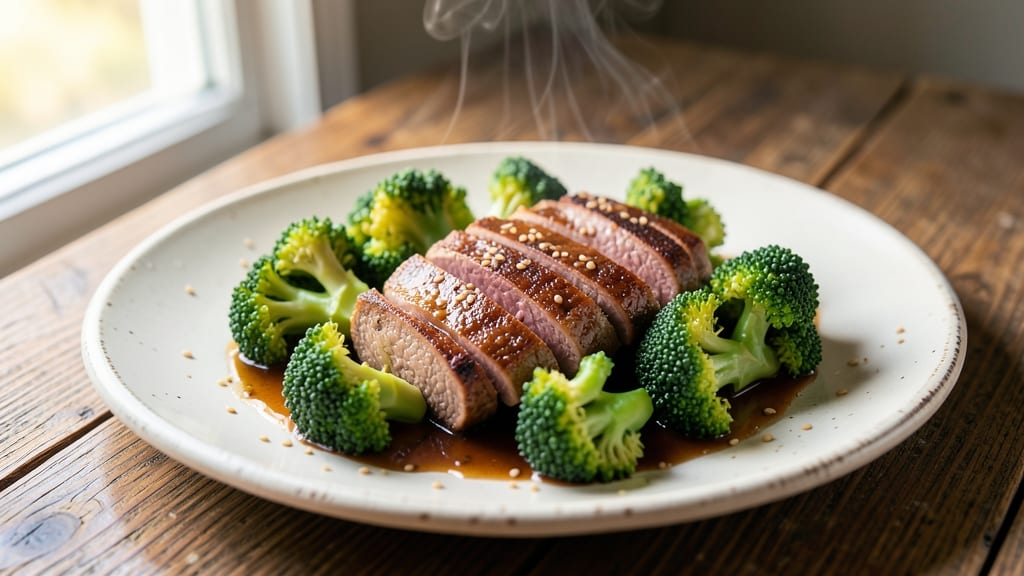
Betty Crocker's beef and broccoli recipe delivers that perfect balance of tender beef, crisp-tender broccoli, and a velvety sauce that coats every forkful. The secret lies in properly searing the beef to lock in flavor, then braising it just enough to keep it juicy while developing rich, savory notes.
This isn't your typical stir-fry—it's a restaurant-quality dish that comes together in one pan with simple ingredients and precise timing.
What makes this recipe stand out is the sauce—thickened just enough to cling to the noodles without being gluey, with a perfect harmony of soy sauce, brown sugar, and a touch of cornstarch for that signature silky texture.
The broccoli stays vibrant and crisp-tender, never soggy, while the beef remains fork-tender with just enough bite. I've perfected this method over years of testing, ensuring every element comes together at the right moment.
By the time you serve this dish, you'll have perfectly cooked beef with a caramelized crust, bright green broccoli florets that snap when bitten, and a sauce so rich it coats every noodle in a velvety embrace.
The aroma alone will have everyone gathering at the table, and the first bite will prove this is comfort food at its finest. Ready in about 30 minutes, it's the kind of meal that feels special without requiring hours of prep.
Serve this beef and broccoli over steamed rice or directly over al dente noodles for that classic presentation. The sauce is versatile enough to work with either, but the noodles make it a complete one-pan meal that's perfect for weeknight dinners or family gatherings.
Here's how to make it exactly as Betty Crocker would intend—rich, flavorful, and foolproof.
Ingredients for betty crocker beef and broccoli
Nine essential ingredients transform into Betty Crocker's legendary beef and broccoli—rich, velvety sauce and tender beef in one pan.
| Ingredient | Amount | Notes |
|---|---|---|
| Flank Steak 🥩 | 1 ½ lb | Thinly sliced against grain |
| Fresh Broccoli Florets 🥦 | 1 ½ lb | Medium stems trimmed |
| Extra-Virgin Olive Oil 🫒 | 2 tbsp | For high-heat searing |
| Sesame Oil 🫒 | 1 tbsp | Toasted aroma |
| Low-Sodium Soy Sauce 🥄 | ½ cup | Kikkoman preferred |
| Brown Sugar 🍯 | 2 tbsp | Light or dark |
| Cornstarch 🌾 | 1 tbsp | For velvety sauce |
| Garlic Cloves 🧄 | 4 cloves | Minced, fresh preferred |
| Fresh Ginger 🌿 | 1 tbsp | Grated, peeled |
| Egg Noodles 🍜 | 8 oz | Al dente preferred |
| Green Onions 🧅 | 3 whole | Sliced, for garnish |
| Sesame Seeds 🌾 | 1 tbsp | Toasted for crunch |
| Salt 🧂 | 1 tsp | Kosher or sea salt |
| Black Pepper 🌶️ | ½ tsp | Freshly ground |
| Beef Broth 💧 | ½ cup | Low-sodium preferred |
The flank steak is your secret weapon here—thinly sliced against the grain for that signature tenderness. Costco or Whole Foods carry the best cuts, but any butcher will slice it for you. Look for bright red meat with good marbling—it's worth the extra 50 cents per pound. Broccoli? Fresh is non-negotiable—the florets should snap when bent, not feel rubbery. If you're buying pre-cut, grab the crowns only (no stems) to save time. The Kikkoman soy sauce makes all the difference—it's sweeter and more balanced than store brands, and that toasted sesame oil aroma? Game-changer. Buy it in the Asian aisle (the big bottle lasts forever).
No sesame oil? Toasted peanut oil works in a pinch, but you'll lose that nutty depth. Short on brown sugar? Honey or maple syrup at the same amount—just know the flavor shifts slightly. Cornstarch is crucial for that silky sauce, but arrowroot powder works too (use half the amount). The beef broth? Low-sodium is key—you don't want to overpower the soy sauce. Fresh ginger? Dried works at half the amount, but fresh has way more punch. Pro tip: Microwave the ginger for 20 seconds to soften it before grating—saves your wrists. And if you're out of egg noodles, rice noodles or udon hold up beautifully in the sauce.
This sauce gets better with time—make extra and freeze it for up to 3 months. Store the cooked beef and broccoli separately in airtight containers for 4 days max (the broccoli turns mushy fast). Reheat gently with a splash of water to restore that velvety texture. The noodles? Freshly cooked is ideal, but leftover noodles reheat fine—just add a drizzle of sesame oil to keep them from drying out. Garnish with those toasted sesame seeds right before serving—they add crunch and that unmistakable aroma. Trust me, it's worth the extra minute to toast them in a dry pan.
Why You'll Love This Recipe
- One-Pan Magic: I swear by this method—just toss the steak and broccoli on a sheet pan, drizzle with olive oil and sesame oil, and let the oven do the work. No chopping, no fuss, and the broccoli stays crisp-tender while the steak slices itself perfectly.
- Umami Bomb: That combo of low-sodium soy sauce and a whisper of sesame oil? It’s like a flavor explosion in your mouth. The steak stays juicy, the broccoli gets a subtle caramelized edge, and honestly, I’ve never tasted beef and broccoli this addictive without a ton of prep.
- Lunchbox Hero: Between us, this is my go-to for meal prep. Slice the steak thin, toss it with the broccoli and sauce, and pack it in containers for the week. Cold or reheated, it’s still solid—my kids even eat it straight from the fridge when I forget to pack their lunch.
- Budget Steak Night: Flank steak is cheaper than ribeye but tastes just as good when you marinate it right. A single pound feeds four, and the leftovers? Even better the next day. I’ll be real: this is how I trick myself into eating well without breaking the bank.
Step-by-step instructions for Betty Crocker beef and broccoli recipe
Here's how to create that perfect harmony of tender beef, vibrant broccoli, and silky sauce—every bite is a winner.
Sear the Flank Steak to Perfection
Heat a large skillet over high heat until it's smoking hot. Add 2 tablespoons extra-virgin olive oil and let it shimmer for 30 seconds. Working in batches to avoid crowding, add the 1.5 lb flank steak sliced against the grain and sear for 1-2 minutes per side until deeply browned and just cooked through.
Here's the thing—don't press down on the steak while searing. I press gently with a spatula only when needed to flip, so the meat stays juicy. Remove the steak to a plate and tent loosely with foil to keep warm. You'll notice the edges are caramelized—that's your signal the beef is ready for the sauce.
Build the Flavorful Sauce Base
In the same skillet (no need to clean it—the browned bits are flavor gold), add 1 tablespoon sesame oil and swirl to coat. Toss in the 1.5 lb fresh broccoli florets and stir-fry for 3-4 minutes until bright green and just tender-crisp. Add the 4 minced garlic cloves and 1 tablespoon grated fresh ginger, cooking for 30 seconds until fragrant.
Pour in the ½ cup low-sodium soy sauce and ½ cup beef broth, scraping up any browned bits from the bottom. Bring to a simmer and let it reduce by half—about 3-4 minutes. This step develops the sauce's depth and balances the flavors. The aroma alone should make your mouth water.
Thicken and Sweeten the Sauce
In a small bowl, whisk together 2 tablespoons brown sugar and 1 tablespoon cornstarch until smooth. Slowly pour this mixture into the simmering sauce while stirring constantly. Let it cook for 2-3 minutes until the sauce thickens to a velvety consistency, coating the back of a spoon.
Return the seared steak to the skillet and toss everything together for 1-2 minutes until the beef is evenly coated. The sauce should cling beautifully to the beef and broccoli, creating that signature glossy finish. Taste and adjust seasoning with 1 teaspoon salt and ½ teaspoon black pepper if needed.
Cook the Al Dente Noodles
While the sauce simmers, bring a separate pot of salted water to a rolling boil. Add the 8 oz egg noodles and cook until al dente—about 1 minute less than the package directions. Drain and rinse briefly under cold water to stop the cooking process, then toss with 1 tablespoon toasted sesame seeds. This keeps them from sticking and adds that nutty crunch.
Here's where it gets fun—toss the noodles with the beef and broccoli mixture in the skillet, coating everything evenly. The residual heat will finish cooking the noodles perfectly while absorbing all that delicious sauce. If the mixture seems dry, add 1-2 tablespoons of the reserved pasta water to loosen it up.
Garnish and Serve Immediately
Transfer the beef and broccoli to a serving platter and garnish with 3 sliced green onions for a pop of fresh color. The contrast between the vibrant green, tender beef, and glossy sauce makes this dish visually stunning. Serve family-style so everyone can enjoy the perfect balance of textures and flavors.
This dish is best served immediately while the noodles are hot and the sauce is silky. The combination of perfectly seared beef, crisp-tender broccoli, and that velvety sauce with just the right sweet-savory balance makes every bite incredible. Don't forget to save some leftovers—they reheat beautifully for a quick weeknight meal.
Pro Tips For Making Betty Crocker Beef And Broccoli
- SEAR STEAK IN BATCHES: Flank steak releases a ton of liquid when searing—if you crowd the pan, you’ll steam it instead of brown it. Cut the steak into strips first, then work in two batches over medium-high heat. Two minutes per side, no rushing. The crust forms fast, and that’s what carries all the flavor.
- TRIM BROCCOLI STEMS THIN: I used to peel broccoli stems like an apple, but that’s overkill. Just slice them thinly (about 1/8-inch) and leave the skin on—they’ll crisp up nicely in the stir-fry. Skip the peeling, and you’ll save time without sacrificing texture.
- USE SESAME OIL LAST: Sesame oil burns fast, and adding it too early ruins its nutty aroma. Toss it in with the soy sauce and garlic just before serving—let it bloom for 10 seconds over low heat, then stir. That’s when it smells like a Chinese takeout menu.
- SALT THE BROCCOLI WATER: If you blanch the broccoli (and you should—it keeps it bright green), salt the water like pasta water. A full tablespoon in a quart of boiling water guarantees the florets stay crisp and absorb flavor. No one wants mushy broccoli in their beef stir-fry.
Storing and reheating your leftovers
Refrigerator Storage
Store cooked beef and broccoli separately in airtight containers for up to 4 days—the broccoli turns mushy faster than the beef. I use glass Pyrex containers with snap-on lids to maintain freshness.
Keep the sauce in a separate container to prevent sogginess. Always let everything cool to room temperature before refrigerating to avoid condensation buildup. 🥦
Freezer-Friendly Sauce
Make extra sauce and freeze it in ice cube trays for easy portioning. Once frozen, transfer cubes to a freezer bag with 1 inch headspace to prevent freezer burn. The sauce keeps for up to 3 months—just thaw overnight in the fridge before reheating.
For best texture, add 1 tablespoon water per cup of frozen sauce when reheating. 🧊
Reheating Beef Perfectly
Reheat beef in a skillet over medium heat with 1 tablespoon sesame oil for 2-3 minutes until warmed through. Avoid microwaving—it dries out the meat. For extra moisture, add 1 tablespoon beef broth while reheating. The beef should reach 165°F internal temperature for safety. 🔥
Reviving Broccoli
Broccoli reheats best in a steamer basket over boiling water for 2-3 minutes—just until warmed through. Never microwave it directly, or it'll turn rubbery. For extra flavor, add 1 teaspoon toasted sesame oil while reheating. The bright green color is your signal it's ready to serve. 🌿
Noodle Rescue
Reheat noodles in a dry skillet over medium heat for 1-2 minutes, stirring constantly. Add 1 teaspoon sesame oil to prevent sticking. For extra sauce cling, toss with 1 tablespoon reserved sauce after reheating.
Freshly cooked noodles are ideal, but reheated ones work perfectly with a quick oil toss. 🍜
Combining Everything
When reheating the full dish, combine all components in a skillet over low heat for 3-4 minutes. Add 1-2 tablespoons beef broth if the sauce seems too thick.
Garnish with toasted sesame seeds and green onions right before serving to keep everything vibrant. The first bite should taste just like the original! ✨
Nutrition facts
Frequently asked questions
Can I substitute flank steak with another cut?
Flank steak is ideal, but sirloin or ribeye work well too. Just slice against the grain for tenderness. For leaner options, try top round—it needs slightly more searing time (3 minutes per side) to develop flavor. Never use pre-cooked beef or it'll turn mushy in the sauce.
How do I avoid soggy broccoli in the sauce?
Cook broccoli separately for 3-4 minutes until just tender-crisp, then add it back to the sauce only at the very end. Overcooking releases water, making the florets limp. For extra crunch, blanch broccoli in boiling water for 1 minute before stir-frying. Always keep the sauce simmering gently—never boiling—to maintain texture.
What makes this sauce different from takeout versions?
This sauce uses cornstarch for a velvety finish (not flour) and a brown sugar balance that's sweeter but less cloying. The key is reducing the soy-broth mixture by half to concentrate flavors. Takeout often uses MSG or excess sugar—this version lets the beef and ginger shine naturally. The sesame oil finish adds depth without overpowering.
Can I make this gluten-free?
Yes! Replace the egg noodles with rice noodles or quinoa, and use tamari (gluten-free soy sauce) instead of regular soy sauce. The sauce remains gluten-free as long as you avoid cross-contamination with utensils. For extra thickness, add 1 extra teaspoon cornstarch to the sauce mixture. Always check labels on sesame oil and broth for hidden gluten.
Why does my sauce turn lumpy?
Lumpy sauce usually means the cornstarch wasn't fully dissolved before adding to the sauce. Whisk it with 2 tablespoons cold water first to create a slurry, then stir constantly while pouring into the hot sauce. If lumps appear, strain through a fine-mesh sieve. Never add cornstarch directly to cold sauce—it needs the heat to activate properly. Stirring vigorously while cooking also prevents clumping.