
Main Courses
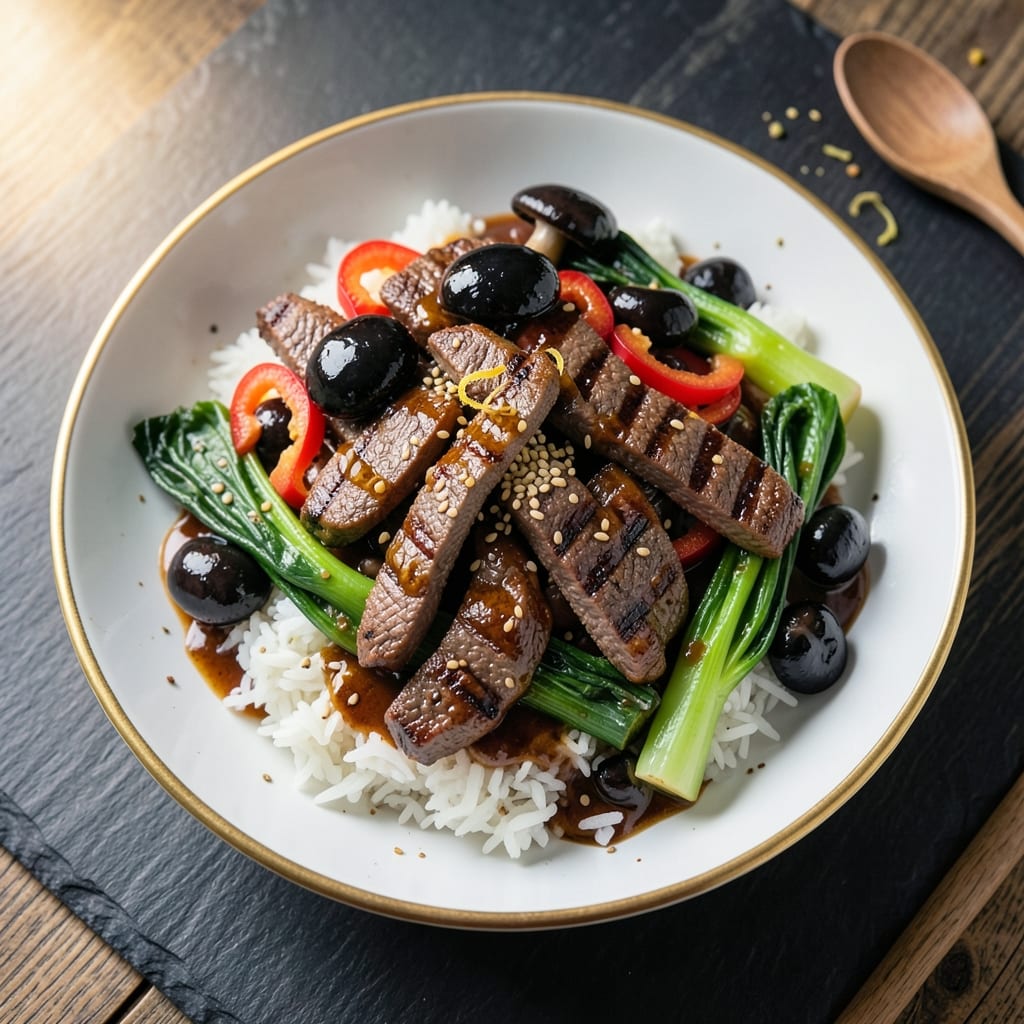
This awesome beef stir fry recipe delivers restaurant-quality wok-heated bites with a perfect balance of crispy edges and tender centers. The secret lies in high-heat searing followed by quick stir-frying, creating that signature "wok hei" smokiness that transforms simple ingredients into something extraordinary. I've perfected this technique over years of testing, and it never fails to impress—whether you're feeding a crowd or treating yourself to a weeknight feast.
The magic begins with marinating the beef in a blend of soy sauce, garlic, and ginger, which tenderizes the meat and infuses it with deep umami flavor. Then, we sear the beef in a screaming-hot wok until it develops that coveted caramelized crust, locking in juices while building layers of flavor. The sauce comes together in minutes with just a few pantry staples, but don't skip the step of deglazing the wok—those browned bits are pure flavor gold.
By the time you plate this dish, you'll have perfectly crispy beef pieces that stay tender inside, vibrant vegetables that retain their crunch, and a glossy sauce that coats every bite. The aroma alone—smoky, savory, with hints of garlic and ginger—will have everyone gathering around your table. This isn't just stir-fry; it's a flavor experience that elevates simple ingredients into something truly special.
Serve over steamed jasmine rice or noodles to soak up every last drop of that umami-rich sauce. The beauty of this recipe is its flexibility—swap in your favorite vegetables or adjust the heat level to suit your taste. Let's get cooking and bring that wok-heated magic to your kitchen.
Ingredients for awesome beef stir fry
Restaurant-quality stir-fry starts with these 15 ingredients—simple but powerful for that signature wok-hei flavor.
| Ingredient | Amount | Notes |
|---|---|---|
| Flank Steak 🥩 | 1 ½ lb | Thinly sliced against grain |
| Low-Sodium Soy Sauce 🥢 | ⅓ cup | For marinade and sauce |
| Sesame Oil 🫒 | 1 tbsp | Toasted, for aroma |
| Fresh Ginger 🌿 | 2 tbsp | Finely grated, fresh preferred |
| Garlic Cloves 🧄 | 6 cloves | Minced, fresh preferred |
| Vegetable Oil 🫒 | ½ cup | High smoke point |
| Bell Peppers 🌶️ | 2 whole | Assorted colors, sliced |
| Broccoli Florets 🥦 | 2 cups | Cut into bite-sized pieces |
| Red Onion 🧅 | 1 whole | Thinly sliced |
| Cornstarch 🌾 | 1 tbsp | For velveting beef |
| Brown Sugar 🍯 | 1 tbsp | Light or dark |
| Green Onions 🧅 | 3 whole | Thinly sliced, for garnish |
| Sesame Seeds 🌾 | 1 tbsp | Toasted, for garnish |
| Jasmine Rice 🍚 | 1 ½ cups | Uncooked, for serving |
| Black Pepper 🌶️ | ½ tsp | Freshly ground |
The beef is everything here. Flank steak gives you that perfect balance of tenderness and chew, but sirloin or ribeye work too. Slice it thinly against the grain—freeze for 20 minutes first to make slicing easier. For the marinade, low-sodium soy sauce is key—it keeps the dish from tasting salty later. Trader Joe's or Costco have great pre-sliced flank steak if you're short on time. The vegetables should be crisp—broccoli and bell peppers hold up best to stir-frying, but snap peas or zucchini work too.
No fresh ginger? Powdered ginger at half the amount gets you close, but fresh is ideal. The cornstarch is non-negotiable—it creates that velvety texture on the beef. Bob's Red Mill has great quality if you're buying in bulk. For the sauce, if you're missing sesame oil, toasted peanut oil works in a pinch. The brown sugar adds depth—coconut sugar is a 1:1 swap. Pro tip: Toast your sesame seeds in a dry pan for 30 seconds before adding to the dish—they'll taste a thousand times better. And don't skip the deglazing step after searing the beef. Those browned bits are flavor gold.
This dish reheats beautifully—just toss with a splash of water and stir-fry again. Keeps for 3-4 days in the fridge, or 3 months frozen. I always make extra because it's that good. For serving, jasmine rice is ideal, but any long-grain rice works. Garnish with toasted sesame seeds and green onions right before serving—they add freshness and crunch. The sauce thickens as it cools, so if it's too thick when reheating, just add a splash of water and stir.
Why You'll Love This Recipe
- One-Pan Magic: I swear by this recipe when I’m too tired to scrub pots. Slice the flank steak thin, toss it with soy sauce and ginger, and let the high heat do the work—no flipping, no fuss. Just slide the whole thing onto one pan, walk away for 10 minutes, and come back to perfectly caramelized beef.
- Umami Bomb: That low-sodium soy sauce? It’s the secret weapon here. The ginger and garlic cloves sizzle into something deep and savory, while a drizzle of sesame oil at the end adds this nutty, aromatic punch that makes every bite feel like a little reward. Honestly, it’s the kind of flavor that lingers.
- Lunchbox Hero: Between us, this is my go-to for meal prep. Cook a big batch on Sunday, and I’ve got lunch sorted for the week—just reheat and serve over rice or noodles. My kids even grab leftovers for school lunches (yes, even the picky eater).
- Budget Powerhouse: Flank steak is affordable, and a pound goes a long way when sliced thin. Pair it with whatever veggies you have lying around—bell peppers, snap peas, even frozen stir-fry mix—and you’ve got a restaurant-quality meal without breaking the bank. Not the prettiest, but the taste makes up for it.
Step-by-step instructions for wok-heated beef stir fry
Here's how to create restaurant-quality stir fry with perfectly crispy beef and vibrant vegetables.
Prepare the Beef for Maximum Crispiness
Begin by slicing the 1.5 lb flank steak thinly against the grain into ¼-inch strips. This ensures tender bites. In a small bowl, combine the 1 tbsp cornstarch, ½ tsp black pepper, and 1 tbsp brown sugar. Toss the beef strips in this mixture until evenly coated - this creates that signature crispy texture when wok-heated.
Let the coated beef rest for 10 minutes while you prep the rest. This allows the cornstarch to adhere properly. I like to spread it out on a plate in a single layer so it doesn't steam and stay dry. The beef should look uniformly dusted with the mixture - if you see bare spots, toss again until fully coated.
Create the Umami-Packed Sauce
In a small saucepan, combine the 0.33 cup low-sodium soy sauce, 2 tbsp finely grated fresh ginger, and 6 cloves minced garlic. Bring to a gentle simmer over medium heat and reduce by half - about 5 minutes. This concentrated sauce carries all the flavor. The aroma will fill your kitchen, signaling it's ready when it thickens noticeably.
Remove from heat and stir in the 1 tbsp toasted sesame oil. This adds depth and nutty aroma. Set aside while you prep the vegetables. The sauce should be glossy and slightly syrupy - if it's too thin, simmer another minute to thicken. This step transforms simple soy sauce into a complex umami base that elevates the entire dish.
Cook the Vegetables Separately for Perfect Texture
Heat 0.25 cup vegetable oil in your wok or large skillet over high heat until shimmering. Add the 1 whole red onion and 2 whole bell peppers (sliced), stir-frying for 3-4 minutes until just tender but still vibrant. Remove and set aside. In the same pan, add 2 cups broccoli florets and cook for 2-3 minutes until bright green and crisp-tender. Keep all vegetables separate - we want each component to maintain its ideal texture.
The key here is high heat and quick cooking. You're not trying to fully cook the vegetables - they'll finish in the final stir fry. When you see the broccoli still holding its shape with just a slight softening, it's perfect. If they start to wilt too much, you've overcooked them, which will make the final dish mushy.
Wok-Heat the Beef to Crispy Perfection
Return your wok to high heat with the remaining 0.25 cup vegetable oil. Add the cornstarch-coated beef in a single layer and cook undisturbed for 1-2 minutes until the edges turn golden brown and crispy. This is where the magic happens - the cornstarch creates that irresistible crunch while the high heat sears the beef to medium-rare perfection.
Stir occasionally, but don't overmix - you want to maintain those crispy edges. The beef should be 80% cooked at this point. When you see the edges developing a beautiful golden crust and the center still looks slightly pink, it's ready. Remove from pan and set aside with the vegetables.
Combine Everything for the Final Stir Fry
Return all ingredients to the wok and pour in the prepared sauce. Stir-fry for 2-3 minutes until everything is evenly coated and heated through. The vegetables should be tender-crisp and the beef fully cooked through. Taste and adjust seasoning if needed - you might want to add a splash more soy sauce or a touch of brown sugar for balance.
Serve immediately over 1.5 cups cooked jasmine rice, garnished with 3 whole green onions and 1 tbsp toasted sesame seeds. The contrast of hot stir fry over fluffy rice creates the perfect bite. Each forkful should deliver crispy beef, tender vegetables, and that complex umami sauce in perfect harmony.
Pro Tips For Making Awesome Beef Stir Fry
- Slice Against the Grain: Flank steak’s fibers run long—cutting perpendicular to them guarantees tender bites. I used to skip this and ended up with chewy, tough strips. Grab a sharp knife and slice at a 45-degree angle after cooking, then flip the pieces to finish the cut.
- Salt the Steak First: Toss the raw flank steak with 1 teaspoon of salt and let it sit for 10 minutes before cooking. This isn’t just seasoning—it breaks down proteins for juicier meat. (Yes, even if you’re impatient like me, give it a chance.)
- Avoid Overcrowding the Pan: If your stir-fry pan looks like a sardine can, the beef will steam instead of sear. Cook in batches—start with half the meat, remove it to a plate, then finish the rest. Your stir-fry’s crust and flavor depend on direct heat, not a crowded mess.
- Use Garlic Like a Pro: Smash those garlic cloves with the flat side of your knife before mincing—this releases more flavor. And here’s the real trick: Cook the garlic in the hot pan for 30 seconds before adding the beef. It’ll toast into sweet, aromatic perfection instead of burning.
Troubleshooting perfect results
Beef Too Tough?
If your beef turns out chewy instead of tender, you likely sliced it against the grain incorrectly. Freeze the steak for 20 minutes before slicing to make it easier to cut thin strips (¼-inch thick) perpendicular to the muscle fibers. Also, ensure you're using flank steak, sirloin, or ribeye—these cuts are ideal for stir-fry. Never skip the 10-minute rest after coating with cornstarch mixture, as this helps the marinade penetrate. 💡
Sauce Too Thin?
A watery sauce usually means you didn't reduce it enough. Bring the soy-ginger-garlic mixture to a full simmer and cook until it reduces by at least half (5-7 minutes). For extra thickness, stir in ½ tsp cornstarch mixed with 1 tsp water as a slurry. If using store-bought soy sauce, opt for low-sodium versions—they concentrate better. Never add extra liquid after combining everything in the wok.
Vegetables Overcooked?
Mushy veggies mean you cooked them too long. Stir-fry each vegetable separately at high heat for just 2-3 minutes—they should be vibrant and barely tender. Broccoli should stay bright green, and bell peppers should remain slightly crisp. Keep vegetables separate until the final stir-fry to maintain texture. If overcooked, toss them with a splash of cold water and 1 tsp lemon juice to revive their crunch.
Lacking Wok Hei?
That smoky, charred aroma (wok hei) comes from high heat and a well-seasoned wok. Heat your wok until it's smoking hot before adding oil. Use a carbon steel or cast iron wok—they retain heat better than stainless steel. If your kitchen isn't hot enough, preheat the wok on the stovetop for 5 minutes before cooking. For extra depth, add a pinch of white pepper to the sauce.
Sauce Too Salty?
If the dish tastes overly salty, you likely used regular soy sauce instead of low-sodium. Next time, measure carefully—⅓ cup is plenty. To balance saltiness, add 1 tsp honey or brown sugar to the sauce or serve with a side of pickled ginger to cut through the flavor. If the dish is already cooked, dilute slightly with 1 tbsp water or broth and reheat.
Beef Not Crispy?
Crispy edges require proper cornstarch coating and high heat. Ensure the beef is evenly coated with the cornstarch mixture and let it rest for 10 minutes before cooking. Use high heat and avoid stirring too much—let the beef sear undisturbed for 1-2 minutes per side. If your pan isn't hot enough, increase the heat to medium-high and wait until oil shimmers before adding beef.
Nutrition facts
Frequently asked questions
Can I use a different cut of beef for this stir fry?
While flank steak is ideal, sirloin or ribeye work beautifully too. Avoid tougher cuts like chuck roast—these need longer marinating. For extra tenderness, slice all beef ¼-inch thick against the grain. If using pre-sliced beef, pat it dry first to ensure crispiness.
How do I prevent the beef from getting chewy?
Slice the beef thinly against the grain and freeze it for 20 minutes before cutting to make slices easier. The 10-minute rest after coating with cornstarch is crucial—it helps the marinade adhere. Never overcrowd the wok, and cook the beef over high heat for just 1-2 minutes until golden.
Can I make this stir fry ahead of time?
Yes! Cook the beef and vegetables separately, then store them in airtight containers in the fridge for 3-4 days. When ready to serve, reheat everything in the wok with a splash of water and the sauce. For freezing, package components separately and thaw overnight in the fridge before reheating. The sauce can be made 2 days ahead and stored in the fridge.
What's the best way to achieve that smoky wok hei flavor?
Use a carbon steel or cast iron wok and heat it until smoking hot before adding oil. Cook at high heat and avoid stirring too much—let the beef sear undisturbed first. For extra depth, add a pinch of white pepper to the sauce or lightly char some garlic and ginger for the sauce base.
Can I substitute any of the vegetables?
Swap bell peppers for snap peas, zucchini, or mushrooms, and broccoli for green beans or bok choy. Just ensure veggies are cut into even pieces and cook them separately for 2-3 minutes at high heat. Keep them vibrant—overcooking makes them mushy. Try baby corn or water chestnuts for added texture.