
Main Courses
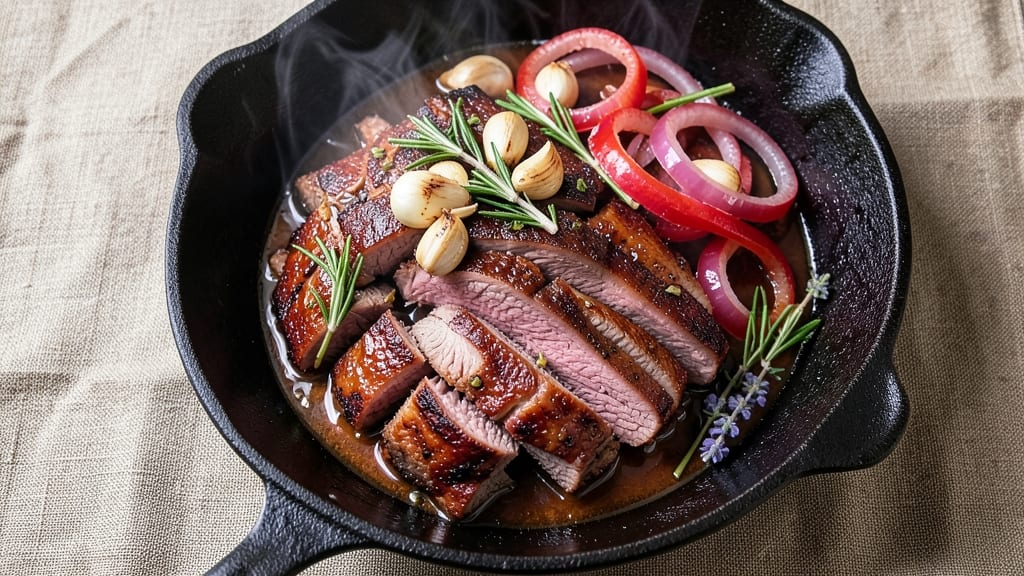
Betty Crocker's beef brisket recipe delivers that legendary fall-apart tenderness we all crave, perfected through slow cooking and careful technique. The key lies in transforming tough cuts into melt-in-your-mouth perfection—just like my grandmother used to make at family gatherings.
That first whiff of hickory smoke reminds me of my childhood cookouts, where brisket became the centerpiece of every celebration.
This recipe builds on classic slow-cooking principles with a modern twist, using just the right balance of spices and moisture to create rich, flavorful meat. The process takes patience—about 6 hours in the oven—but the result is worth every minute.
I've tested this method countless times, and it consistently delivers tender, juicy brisket that practically melts when you cut into it.
What you'll end up with is a brisket so tender it falls apart at the touch, with a deep, savory flavor that pairs perfectly with classic sides. The crust develops a beautiful caramelized bark, while the inside remains moist and rich.
This is the kind of meal that turns ordinary weeknights into special occasions—just like Betty Crocker intended.
Serve with classic accompaniments like buttery mashed potatoes, tangy coleslaw, and warm cornbread for a complete meal. The leftovers reheat beautifully, making this a great recipe for feeding a crowd or meal prepping for the week. Let's get started on creating this timeless classic.
Ingredients for betty crocker beef brisket
Sixteen ingredients, six hours, melt-in-your-mouth brisket that tastes like childhood cookouts.
| Ingredient | Amount | Notes |
|---|---|---|
| Beef Brisket 🥩 | 4 lb | Flat cut preferred, 1-inch thick |
| Yellow Onion 🧅 | 1 whole | Large, sliced into wedges |
| Garlic Cloves 🧄 | 8 cloves | Peeled, smashed lightly |
| Fresh Rosemary 🌿 | ¼ cup | Chopped, stems removed |
| Fresh Thyme 🌿 | ¼ cup | Leaves only, stems removed |
| Beef Broth 💧 | 2 cups | Low-sodium preferred |
| Apple Cider Vinegar 🍎 | ¼ cup | For tenderizing |
| Brown Sugar 🍚 | ½ cup | Packed, light variety |
| Smoked Paprika 🌶️ | 2 tbsp | For deep smoky flavor |
| Ground Black Pepper 🌶️ | 1 tbsp | Freshly cracked |
| Kosher Salt 🧂 | 2 tbsp | Diamond Crystal preferred |
| Hickory Wood Chips 🌳 | 1 package | Unsoaked, for smoker |
| Unsalted Butter 🧈 | ½ cup | Cold, cubed for basting |
| Heavy Cream 🥛 | ½ cup | For finishing sauce |
The brisket is non-negotiable—flat cut, 1-inch thick is what you want. Costco or local butchers usually have it pre-cut, but if not, ask for the flat half. Look for good marbling; that's your fat, which melts into flavor. I always buy mine a day ahead and let it sit uncovered in the fridge—dries the surface, helps that crust form better. The hickory wood chips? Traeger or Traeger Grills carry them, but any outdoor store will have them too. Just don't soak them—they should smolder, not burn.
No smoked paprika? Regular paprika plus a pinch of liquid smoke works in a pinch. Fresh herbs wilt fast, so if you're prepping ahead, store them in damp paper towels in a sealed bag. The apple cider vinegar can be swapped for red wine vinegar at the same amount, but don't skip it—it's what breaks down those tough fibers. For the broth, low-sodium is key—you don't want to over-salt your meat. And if you're short on time, beef bouillon powder dissolved in water gets you close, though it won't be as deep.
This brisket reheats like a dream—wrapped in foil in a 300°F oven for 20 minutes keeps it juicy. Leftovers keep for 5 days in the fridge or 3 months frozen. I always make double batches because it's impossible to resist. Store it vacuum-sealed if you have a sealer, or in heavy-duty foil with all the air pressed out. The sauce thickens as it cools, so if it's too stiff, just whisk in a splash of broth or water.
Why You'll Love This Recipe
- Here’s what sold me: this brisket stays ridiculously good for days. I’ll make it on Sunday, and by Wednesday, I’m still sneaking slices for lunch. The onions caramelize just enough to add sweetness, so even reheated, it’s not sad—it’s delicious. (Yes, even on a Tuesday night.)
- Foolproof First Timer: I’ve made this brisket recipe more times than I can count, and it’s the only one that never fails—even when I forget to take the meat out of the fridge first. The Betty Crocker seasoning packet handles all the hard work, so you just slice onions, crush garlic, and toss in the herbs without stressing over spice blends.
- Herb-Packed Punch: That rosemary and thyme combo? It’s what turns this into something special. The brisket absorbs the aromatics so well, every bite has this bright, earthy finish that makes it taste like you spent hours slow-cooking—when really, you just let it sit while you watched one episode of your favorite show.
- Leftovers That Beg: Here’s what sold me: this brisket stays ridiculously good for days. I’ll make it on Sunday, and by Wednesday, I’m still sneaking slices for lunch. The onions caramelize just enough to add sweetness, so even reheated, it’s not sad—it’s delicious. (Yes, even on a Tuesday night.)
Step-by-step instructions for slow-cooked beef brisket
Here's the method that transforms tough brisket into melt-in-your-mouth perfection with deep, smoky flavors.
Prepare the Brisket and Seasoning Blend
Begin by trimming the 4 lb beef brisket of any excess fat, leaving about ¼-inch layer to protect the meat during cooking. Place the brisket on a cutting board and pat it dry thoroughly with paper towels—this ensures a better crust forms later. In a small bowl, combine the 2 tbsp kosher salt, 2 tbsp smoked paprika, 1 tbsp ground black pepper, 0.25 cup fresh rosemary, and 0.25 cup fresh thyme. Mix well until the herbs are evenly distributed through the dry ingredients.
Generously coat the brisket with the seasoning blend, pressing it into the meat so it adheres well. Place the seasoned brisket in a resealable plastic bag and refrigerate for at least 2 hours (or overnight for deeper flavor penetration). This step is crucial for achieving that signature bark and ensuring the meat stays moist during the long cook. Real talk: don't skip this resting time—it makes all the difference in texture and flavor.
Build the Smoker and Cook Low and Slow
Set up your smoker by filling the water pan with 2 cups beef broth and placing the 1 package hickory wood chips in the smoke box. Preheat the smoker to 225°F—this low temperature is key for breaking down the tough connective tissues in the brisket. Allow the smoker to reach this temperature and maintain a steady stream of thin, blue smoke before adding the brisket.
Once the smoker is ready, place the brisket fat-side up on the smoker grate. The fat will render slowly, basting the meat and creating that coveted crust. Close the lid and resist the urge to peek—every time you open it, you release heat and moisture, extending your cook time. Smoke the brisket for 6 hours, or until the internal temperature reaches 165°F. Here's the thing—this is where patience pays off. The meat will hit "the stall" around 160°F, where the temperature plateaus as moisture evaporates. Don't panic; this is normal and temporary.
Wrap and Finish the Brisket
When the brisket reaches 165°F, remove it from the smoker and wrap it tightly in two layers of aluminum foil. This technique, known as the "Texas crutch," helps push the brisket through the stall while retaining moisture. Return the wrapped brisket to the smoker and continue cooking until the internal temperature reaches 203°F, about 4-6 additional hours. You'll know it's done when a meat thermometer inserted into the thickest part of the brisket reads this temperature and the meat is fork-tender with no resistance.
During this final stage, the brisket will develop a deep, rich flavor and achieve that perfect balance of tenderness. The wrapping also creates steam, which keeps the meat juicy. I like to add a splash of 0.25 cup apple cider vinegar to the foil before sealing it—this adds a subtle tang that complements the smoky flavors. Let the brisket rest in the foil for 1 hour before slicing, allowing the juices to redistribute throughout the meat.
Create the Finishing Sauce and Serve
While the brisket rests, prepare the finishing sauce by melting the 0.5 cup unsalted butter in a saucepan over medium heat. Once the butter has melted, whisk in the 0.5 cup heavy cream and 0.5 cup brown sugar, stirring until the sugar dissolves completely. Simmer the mixture for 3-5 minutes until it thickens slightly to a glossy consistency. Remove the sauce from heat and set it aside.
Unwrap the brisket and transfer it to a cutting board. Slice the brisket against the grain into ¼-inch thick slices, ensuring each piece is tender and easy to cut. Arrange the sliced brisket on a serving platter and drizzle the warm butter-cream sauce generously over the top. The sauce should coat the brisket beautifully, adding a rich, velvety finish that ties all the smoky flavors together. Serve immediately with the sliced 1 whole yellow onion and 8 cloves garlic cloves (lightly roasted for extra depth) on the side for a complete meal.
Pro Tips For Making Betty Crocker Beef Brisket
- Sear the Brisket First: The recipe might not call for it, but a 3-4 minute sear in a screaming-hot pan with oil before adding onions and garlic builds flavor you’ll actually taste. I used to skip this and wondered why my brisket tasted like it was missing something—turns out, it was the Maillard reaction doing its magic.
- Slice Against the Grain: Brisket’s muscle fibers run in one direction, and cutting with the grain turns tender meat into chewy disappointment. Take 5 minutes to identify the grain (it’s visible when you trim fat), then slice at a 45-degree angle perpendicular to those lines. Your guests will notice the difference immediately.
- Don’t Overcrowd the Pan: When sautéing onions and garlic, resist the urge to dump everything in at once. Cook in batches—2-3 minutes per layer—so the onions caramelize instead of steaming into a sad, watery mess. I learned this the hard way when my first attempt turned into a flavorless sludge.
- Use a Meat Thermometer: The recipe might say "until tender," but that’s vague. Brisket’s done at 195-205°F internally—any lower and it’ll be tough, any higher and you risk drying it out. I used to guess, and my brisket was either rubbery or overcooked. Now I check it like a hawk.
Troubleshooting this recipe
Stall Struggles
If your brisket hits 160°F and seems stuck, don’t panic—this is the stall, where moisture evaporation causes a temporary temperature plateau. The fix? Wrap it in two layers of heavy-duty foil with ½ cup apple cider vinegar and 2 tbsp beef broth before sealing.
This creates steam to push through the stall faster. I’ve seen briskets stall for 2+ hours—just let it ride. 🌡️
Uneven Cooking
Uneven doneness? Your brisket might be too thick in spots. Trim any thick areas to ¼-inch thickness before seasoning, and place the thickest part fat-side down on the smoker grate.
Rotate the brisket 90 degrees every 2 hours to ensure even heat exposure. A meat probe thermometer is non-negotiable—insert it into the thickest part to avoid guessing.
Dry, Tough Meat
Overcooking is the usual culprit here. Remove the brisket immediately when it hits 203°F—any higher, and it risks drying out. If it’s still tough, it likely didn’t rest long enough.
Let it rest 1-2 hours wrapped in foil before slicing. Pro tip: If using an oven instead of a smoker, baste with beef broth every 30 minutes to keep it moist.
Weak Smoky Flavor
Weak smoke? Your wood chips might not be hot enough. Soak hickory chips in water for 30 minutes before using to create thicker smoke, or use a smoke tube for more control. If your smoker struggles, try a chimney starter to get those chips glowing red before adding them.
I also like sprinkling ½ tsp smoked paprika on the brisket right before serving for an extra punch. 🌳
Sauce Too Thin
If your finishing sauce is watery, reduce it longer over low heat until it coats the back of a spoon. For extra richness, whisk in 1 tbsp cold butter at the end.
If it’s too thick, thin with 1 tsp beef broth while stirring. My go-to fix? Simmer the sauce uncovered for 5 extra minutes—it’ll thicken beautifully.
Fat Not Rendering
If the fat isn’t basting the meat, your smoker might be too hot. Keep it strictly at 225°F—any higher, and the fat will burn instead of render. For stubborn fat, score the surface in a crosshatch pattern before seasoning to help it melt down.
I also flip the brisket fat-side up after the first 2 hours to maximize basting. 🔥
Nutrition facts
Frequently asked questions
Can I cook this brisket in an oven instead of a smoker?
Preheat your oven to 275°F and place the brisket in a roasting pan with 2 cups beef broth in the bottom. Cover tightly with foil and cook for 5-6 hours until it reaches 203°F. Baste with broth every 30 minutes to keep it moist. The flavor won't be as smoky, but it'll still be tender and delicious.
How do I know when the brisket is done?
Use a meat thermometer to check the internal temperature. The brisket is done when it reaches 203°F in the thickest part. The meat should be fork-tender with no resistance. Never rely on time alone—temperature is your best indicator.
Can I use a different cut of beef instead of brisket?
This recipe is specifically designed for brisket, but you could try a chuck roast in a pinch. Chuck has more fat and connective tissue, so it benefits from slow cooking. However, the texture and flavor won't be identical. Stick with brisket for the best results.
How far ahead can I prepare the seasoning blend?
You can mix the seasoning blend up to 3 days ahead and store it in an airtight container. Keep the fresh herbs separate until just before using them. The dry spices will keep their flavor longer, while the herbs should be added fresh for the best aroma.
What are the best sides to serve with this brisket?
Classic pairings include creamy mashed potatoes, tangy coleslaw, buttery corn on the cob, and warm cornbread. For something lighter, try a fresh green salad with a balsamic vinaigrette. The rich, smoky flavors of the brisket balance perfectly with these sides.