
Sauces & Condiments
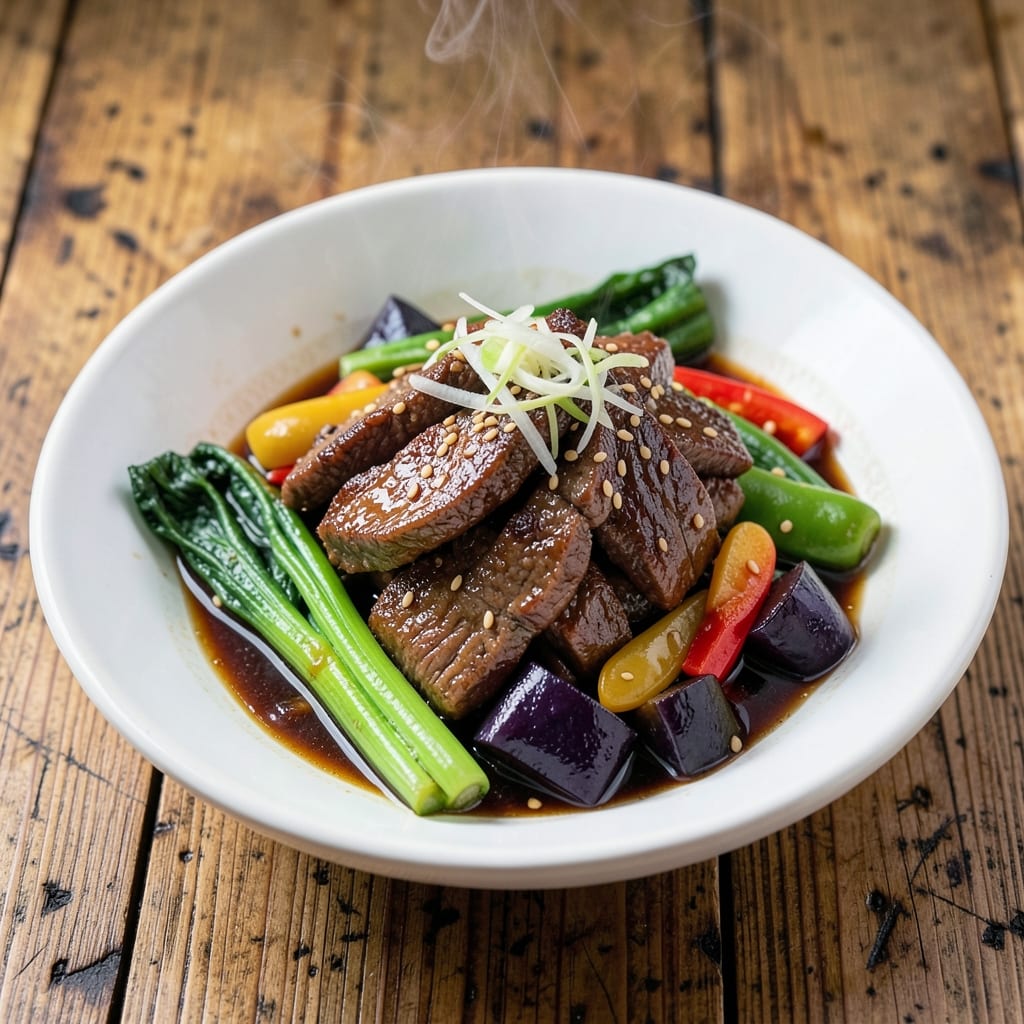
This beef and vegetable stir-fry sauce recipe unlocks the secret to restaurant-quality wok hei flavor in just 10 minutes. The balance of soy sauce, garlic, ginger, and a touch of sweetness creates a sauce that caramelizes beautifully while cooking, adding depth to every stir-fry. I developed this after years of testing—it's the one sauce that transforms simple vegetables and beef into a dish that tastes like it came from a bustling Asian kitchen.
The foundation of this sauce lies in its umami-rich components: dark soy sauce for color, light soy sauce for saltiness, and a splash of oyster sauce for complexity. Fresh garlic and ginger add aromatic warmth, while a hint of honey or brown sugar balances the savory notes. What makes this sauce special is its versatility—it works equally well with tender beef strips, crisp vegetables, or even tofu for a plant-based version.
When you mix this sauce with 1 tablespoon of oil before stir-frying, it creates a glossy, sticky coating that caramelizes as it cooks, adding layers of flavor to each bite. The sauce reduces slightly during cooking, intensifying its taste and creating a perfect glaze. Store any leftovers in the fridge for up to 5 days or freeze for 3 months—it keeps beautifully and tastes even better the next time you use it.
This isn't just a sauce—it's the flavor bridge that turns a simple stir-fry into a memorable meal. Whether you're cooking for a weeknight dinner or prepping for meal prep, this recipe delivers consistent, professional results every time. Let's make it.
Ingredients for beef and vegetable stir fry sauce
Ten simple ingredients transform any stir-fry into a restaurant-worthy dish with wok hei flavor.
| Ingredient | Amount | Notes |
|---|---|---|
| Light Soy Sauce 🥄 | ½ cup | Use Japanese-style for best flavor |
| Dark Soy Sauce 🥄 | 1 tbsp | For deep color and richness |
| Oyster Sauce 🍲 | 1 tbsp | Look for 100% pure oyster sauce |
| Sesame Oil 🥜 | 1 tbsp | Toasted sesame oil preferred |
| Garlic Cloves 🧄 | 6 cloves | Minced finely for aromatic punch |
| Fresh Ginger 🌿 | 1 tbsp | Grated finely for zesty kick |
| Honey 🍯 | 1 tbsp | Substitute brown sugar if vegan |
| Rice Vinegar 🍶 | 1 tbsp | White or seasoned variety |
| Cornstarch 🌾 | 1 tsp | For thickening the sauce |
| Vegetable Oil 🫒 | 1 tbsp | For cooking and sauce base |
The soy sauces are non-negotiable here—Kikkoman light soy sauce and Lee Kum Kee dark soy sauce are my go-tos, but any quality brands work. Oyster sauce adds that signature umami depth, so avoid the watery, overly sweet versions—look for brands like Lee Kum Kee or Golden Boy. Fresh garlic and ginger should be pungent and vibrant; if your ginger smells musty or your garlic is sprouting, toss it. For sesame oil, toasted varieties have more complex flavor, but regular works in a pinch. I usually grab my oyster sauce and soy sauces from the Asian market, but the big-box stores carry decent options too.
No oyster sauce? A splash of fish sauce plus a pinch of sugar mimics the umami, though it won’t be identical. Running out of honey? Brown sugar or maple syrup works, but honey’s floral notes balance the sauce perfectly. Cornstarch is key for that glossy finish—arrowroot powder works too, but cornstarch gives the classic stir-fry sheen. The rice vinegar adds brightness; if you’ve only got apple cider vinegar, reduce it by half to avoid overpowering. For a vegetarian version, swap honey for brown sugar and ensure your oyster sauce is vegan-friendly (some brands use fish-based ingredients).
This sauce keeps beautifully—5 days in the fridge sealed tightly, or 3 months frozen in ice cube trays for single-use portions. The oil separates when refrigerated, so give it a quick stir before using. For extra flavor, toast the garlic and ginger in the oil for 30 seconds before adding other ingredients. Double the batch if you’re meal prepping; it’s worth the extra time and freezes like a dream.
Why You'll Love This Recipe
- Pantry Magic: I swear by this sauce—no special shopping needed. Light and dark soy sauce, oyster sauce, and a splash of sesame oil turn basic beef and veggies into something restaurant-worthy with just five ingredients. Honestly, it’s the kind of recipe that makes me feel like a chef even when I’m too tired to chop much.
- Umami Bomb: That garlic-clove punch? Chef’s kiss. The dark soy sauce adds depth, while oyster sauce brings a salty richness that clings to every bite. It’s the kind of flavor that lingers long after the last forkful—no bland stir-fry here.
- Double-Duty Sauce: Serve it over rice for dinner, drizzle it on noodles for lunch, or toss it with tofu for a quick weeknight meal. Between us, I’ve even used it to glaze roasted chicken—versatile enough to handle whatever you throw at it.
- Budget-Friendly Powerhouse: A single jar of oyster sauce and a bottle of soy sauce stretch across multiple meals, saving me serious cash. Plus, the leftovers? They taste just as good reheated as they do fresh—no sad, soggy stir-fry here.
Step-by-step instructions for beef and vegetable stir fry sauce
This sauce delivers that signature wok hei flavor with perfect balance and depth every time.
Prepare the Aromatics and Base
Heat the 1 tablespoon vegetable oil in a small saucepan over medium heat until shimmering but not smoking. Add the 6 cloves minced garlic cloves and 1 tablespoon grated fresh ginger—you'll immediately smell that bright, zesty aroma. Cook for 30 seconds until the garlic turns golden around the edges but doesn't brown completely. This prevents bitterness while building flavor.
Here's the thing—don't walk away. Garlic burns faster than you think, and once it darkens, you lose that sweet, aromatic punch we're after. If you notice the oil starting to smoke, reduce the heat to medium-low immediately. The aromatics should sizzle gently, filling your kitchen with that irresistible fragrance that signals great things are happening.
Combine the Soy Sauces and Seasonings
Pour in the 0.5 cup light soy sauce, 1 tablespoon dark soy sauce, and 1 tablespoon oyster sauce. Stir constantly for 1 minute until the mixture comes together and begins to simmer gently. The dark soy sauce will create that beautiful mahogany color we associate with classic stir fry sauces—this is where the visual appeal comes from.
Add the 1 tablespoon honey and 1 tablespoon rice vinegar next. The honey will help balance the saltiness while adding just a touch of natural sweetness that complements the umami depth. Let the mixture simmer for another 2 minutes until it thickens slightly and coats the back of a spoon. You're building layers of flavor here—salty, sweet, tangy, and umami all working together.
Finish with Sesame Oil and Thicken
Remove the sauce from heat and stir in the 1 tablespoon sesame oil. This is where the magic happens—the toasted sesame aroma becomes the signature note of your stir fry sauce. The oil should be fully incorporated but still visible as delicate streaks throughout the sauce. Set the sauce aside to cool slightly while you prepare your beef and vegetables.
In a small bowl, whisk together the 1 teaspoon cornstarch with 1 tablespoon water until completely dissolved. Return the sauce to low heat and slowly pour in the cornstarch slurry while stirring constantly. The sauce will thicken dramatically within 30-45 seconds—this is your signal to taste and adjust seasoning if needed. It should be glossy, well-balanced, and ready to coat your stir fry perfectly.
Test and Adjust for Perfect Balance
Let the sauce cool for 5 minutes before tasting. The flavors will meld even more during this time. At this point, you might notice one element needs adjustment—perhaps more sweetness, a touch more acidity, or deeper umami. If needed, add a pinch more honey, a splash of rice vinegar, or even a tiny bit more oyster sauce to intensify the savory notes.
This sauce works best when used immediately, but it will keep in an airtight container in the refrigerator for up to 5 days. When reheating, warm gently over low heat with a splash of water to prevent skinning. The perfect stir fry sauce should cling beautifully to your beef and vegetables, delivering that complex wok hei flavor in every bite—salty, sweet, tangy, and deeply umami all at once.
Pro Tips For Making Beef And Vegetable Stir Fry Sauce
- STIR ON HIGH HEAT: I learned this the hard way—low heat makes the sauce turn into glue. Once your beef is seared and veggies are prepped, crank the burner to medium-high and keep that wok or pan moving. The sauce should bubble and sizzle, not simmer like a sad pot of soup.
- MINCE GARLIC FINE: Skip the rough chop and actually mince those garlic cloves—think paste, not confetti. Finely minced garlic melts into the sauce instead of lingering as chewy bits, and it deepens that savory aroma. (Yes, even if you’re impatient like me.)
- SALT THE OYSTER SAUCE: Store-bought oyster sauce is often bland—fix it by adding a pinch of salt (½ tsp per 2 tbsp) before mixing it into the sauce. Dark soy sauce is salty enough on its own, but light soy and oyster sauce need that extra boost to balance the flavors.
- ADD SESAME OIL LAST: Drizzle the sesame oil in at the very end, right when you’re plating. It burns fast and turns bitter if you toss it in early. A few drops over the finished dish add aroma without overpowering—this isn’t the time to go heavy-handed. (Your nose will thank you.)
Essential equipment for this dish
Wok Essentials
Your carbon steel wok is the star of stir-fry cooking—it heats evenly and develops a natural non-stick patina over time. I recommend the Made In wok for its balance of affordability and performance. If you're new to woks, start with a 14-inch size—it's versatile for both small and large batches. For even heat distribution, always use a gas burner or a high-heat electric skillet rated for wok cooking. 🔥
Heat Control Tools
A long-handled spatula (I use Winco stainless steel) is essential for tossing ingredients without overcrowding the pan. Pair it with a heat-resistant silicone spatula for delicate vegetables like bell peppers. For precise temperature control, invest in a thermometer probe—keep your wok between 350-400°F for optimal stir-fry action. A wok lid with a handle helps contain splatters when deglazing the pan with sauce.
Sauce Prep Gear
Small tools make sauce-making easier. A microplane for garlic and ginger ensures fine, even grates that dissolve smoothly into the sauce. I keep a small whisk (like OXO Good Grips) handy for mixing the cornstarch slurry. For measuring, a set of stainless steel measuring spoons (I love West Bend) gives precise control over the sauce's balance. A fine-mesh strainer catches any garlic skins or ginger fibers that might make the sauce gritty.
Storage Solutions
Keep your sauce fresh with the right containers. Glass mason jars with airtight seals preserve flavor better than plastic, and their wide mouths make pouring easy. For freezer storage, use silicone ice cube trays—portion the sauce into individual cubes, then transfer to a freezer bag. Label everything with dates using a permanent marker to track freshness. A small saucepan with a tight-fitting lid is perfect for reheating portions on the stovetop.
Optional Upgrades
For next-level results, consider a wok burner attachment if you cook on electric stoves—they provide the high, direct heat needed for authentic wok hei. A tongs set (like Victorinox) helps flip beef strips and vegetables without piercing them. For extra sauce depth, keep dried shiitake mushrooms or fish sauce on hand as flavor boosters. A small digital scale ensures precise measurements when doubling recipes for meal prep.
Nutrition facts
Frequently asked questions
Can I make this sauce without cornstarch?
Yes, but the texture will be thinner. For a cornstarch-free version, use 1 teaspoon arrowroot powder instead—it thickens more gently. Alternatively, simmer the sauce uncovered for 5-7 extra minutes to reduce it naturally, though you'll lose some of that glossy finish. The sauce will still taste great, just with a lighter consistency.
How much sauce should I use for beef and vegetables?
For 1 pound of beef and 4 cups mixed vegetables, use 2-3 tablespoons of this sauce mixed with 1 tablespoon oil. Start with less and add more as needed—it's easier to adjust than to fix an over-sauced stir-fry. The sauce should just coat the ingredients without making them soggy.
Can I substitute fish sauce for oyster sauce?
Use 1 tablespoon fish sauce plus ½ teaspoon sugar to mimic oyster sauce's umami-sweet balance. Fish sauce adds a deeper savory punch, so taste and adjust—you might need slightly less soy sauce to prevent over-saltiness. This swap works especially well for vegetarian versions where oyster sauce isn't suitable.
Why did my sauce turn bitter?
Bitterness usually comes from overcooking the garlic or using low-quality soy sauce. Always cook garlic just until golden (30 seconds max) and use Japanese-style soy sauces. If your sauce tastes bitter, balance it with ½ teaspoon more honey or rice vinegar. For prevention, keep heat at medium-low when cooking aromatics.
Can I use this sauce for other proteins?
This sauce works beautifully with chicken, shrimp, pork, or tofu! For seafood, reduce the soy sauce slightly (¼ cup light soy) to avoid overpowering delicate flavors. With tofu, add ½ teaspoon sugar to caramelize the sauce better. The same ratios apply—2-3 tablespoons per pound of protein.