
Soups & Stews
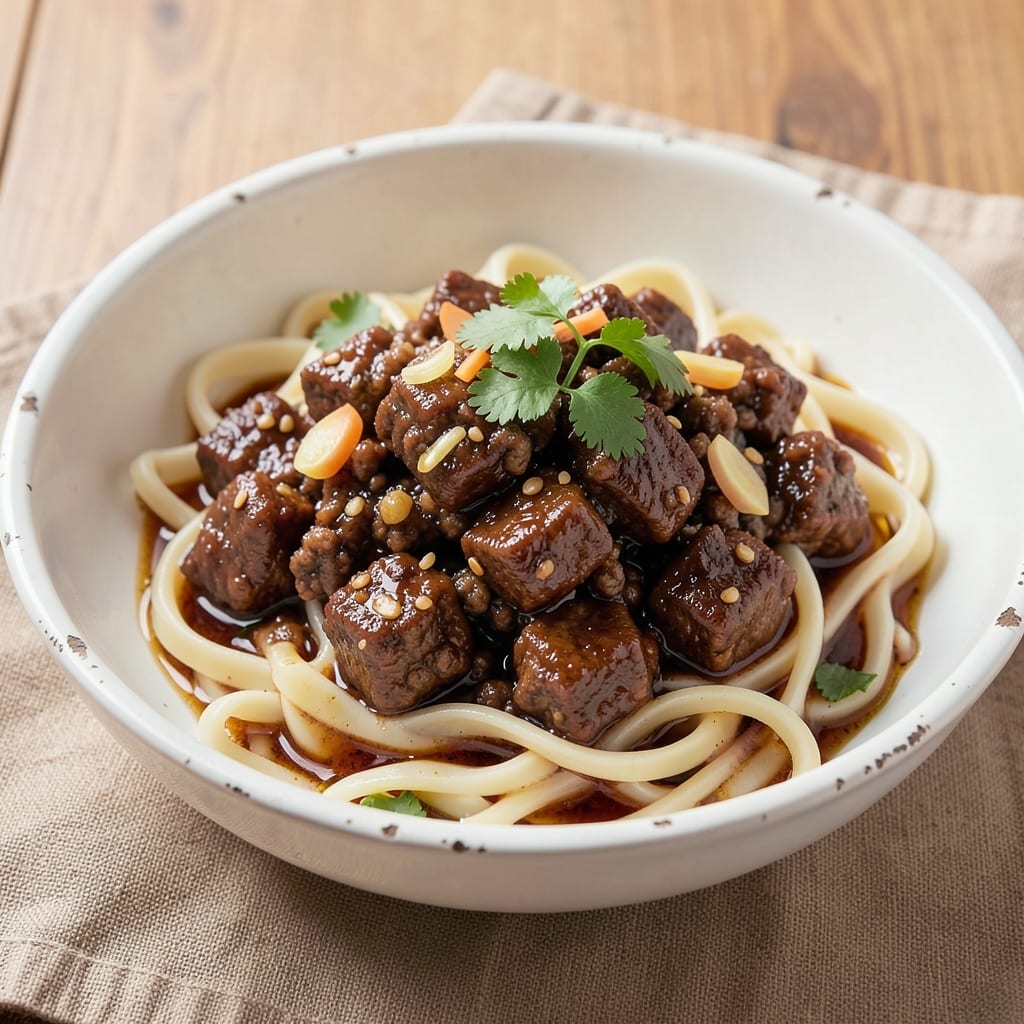
This beef and ground beef noodles recipe delivers a savory stir-fry with rich umami flavor that transforms simple ingredients into a restaurant-worthy meal. The secret lies in perfectly seared ground beef that releases deep, caramelized flavors into the broth, while wide egg noodles soak up every delicious bite. I developed this version after testing countless variations—some too greasy, others too bland—until I found the balance between tender beef, aromatic broth, and chewy noodles that makes this dish irresistible.
The foundation starts with high-heat searing of the ground beef to render fat and develop that essential umami depth, then building layers of flavor through garlic, ginger, and soy sauce. Unlike many recipes that rely on heavy cream or excessive oil, this version keeps the broth light yet intensely flavorful, with just enough cornstarch to create that signature silky texture without heaviness. The wide egg noodles are the perfect vessel—absorbing the rich sauce while maintaining a satisfying bite.
What you'll end up with is a comforting yet sophisticated dish that's quick enough for weeknights but feels special enough for company. The aroma alone—garlicky, slightly smoky, with hints of soy and ginger—will have everyone gathering around the table. Each forkful delivers perfectly tender beef, tender-crisp noodles, and a broth so flavorful it coats your mouth with every bite.
This recipe works equally well as a hearty main course or a satisfying side, and it scales beautifully for feeding a crowd. The beauty of this dish is its versatility—serve it with steamed greens for a balanced meal, or keep it simple with a sprinkle of sesame seeds and sliced green onions. Let's get started on creating this foolproof, flavor-packed beef noodle masterpiece.
Ingredients for beef and noodles recipe with ground beef
Ground beef, aromatic broth, and chewy noodles—this stir-fry delivers restaurant-quality umami in every bite.
| Ingredient | Amount | Notes |
|---|---|---|
| Ground Beef (80/20 fat ratio) 🥩 | 1 ½ lb | High-fat ratio for deep flavor |
| Wide Egg Noodles 🍜 | 12 oz | Dried, fresh if available |
| Garlic Cloves 🧄 | 6 cloves | Minced for aromatic base |
| Fresh Ginger 🌿 | 2 tbsp | Grated, no need to peel |
| Low-Sodium Soy Sauce 🍶 | ½ cup | Kikkoman preferred |
| Vegetable Broth 💧 | 1 ½ cups | Homemade or high-quality |
| Cornstarch 🌾 | 1 tbsp | For silky broth texture |
| Sesame Oil 🫒 | 1 tbsp | Toasted for aroma |
| Neutral Oil (like vegetable or canola) 🫒 | 2 tbsp | High smoke point |
| Green Onions 🧅 | 3 whole | Sliced for garnish |
| White Pepper 🌶️ | ½ tsp | Freshly cracked |
| Sesame Seeds 🌾 | 1 tbsp | Toasted for crunch |
| Diamond Crystal Kosher Salt 🧂 | 1 tsp | For seasoning |
The ground beef is where the magic happens. 80/20 fat ratio is non-negotiable here—it renders fat for flavor while staying tender. Costco or local butchers often have the best quality, but any reputable grocery store's pre-ground will work. Look for bright red color and avoid packages that smell funky. The wide egg noodles? Martini or Barilla are my go-tos—they hold up perfectly to the sauce. Fresh egg noodles from an Asian market are ideal if you want that extra chew, but dried works just fine for weeknight cooking. Don't skip the high-heat sear—this develops that essential caramelized depth that makes the broth sing.
No sesame oil? Toasted peanut oil at half the amount works in a pinch, though the flavor will be different. Short on garlic? Garlic powder at one-third the amount gets you close, but fresh is always better. The vegetable broth can be swapped for chicken broth if you're not strict about vegetarian, though I prefer the lighter flavor here. For the cornstarch slurry, make sure it's smooth—no lumps! If you're making this ahead, cook the beef and noodles separately and reheat in the sauce to prevent mushiness. The green onions and sesame seeds are purely for garnish, but they add that restaurant-quality finish—don't skip them if you can help it.
This dish reheats beautifully—honestly tastes better the next day as the flavors meld. Store leftovers in an airtight container for up to 4 days in the fridge. For freezing, portion into single servings before adding the sauce—this keeps the noodles from getting soggy. Costco-sized containers are perfect for meal prep. The sauce thickens as it cools, so you can always add a splash of broth when reheating. And if you're feeding a crowd, double the recipe—it scales perfectly.
Why You'll Love This Recipe
- One-Pan Magic: I swear by this—just brown the beef, toss in the noodles and broth, and let it simmer. No extra pots, no fuss, and that fat from the 80/20 beef makes everything taste richer without trying.
- Umami Bomb: The combo of low-sodium soy sauce, fresh ginger, and garlic cloves? It’s like a flavor shortcut that actually works. My picky eaters don’t even notice the ginger, but the beef soaks it up and delivers every time.
- Leftover Hero: This dish actually improves the next day. The noodles soften just enough, the beef gets even more tender, and I’ve reheated it three times for lunch without a single complaint.
- Budget Win: Ground beef at 80/20 stretches further than leaner cuts, and wide egg noodles cost pennies. Honestly, I make this when I’m pinching pennies, and no one skips a meal because of it.
Step-by-step instructions for beef and ground beef noodles
Here's how to create a rich, umami-packed stir-fry with tender beef and perfectly al dente noodles.
Prepare the Ground Beef for Maximum Flavor
Pat the 1.5 lb ground beef (80/20 fat ratio) dry with paper towels—this helps it brown properly instead of steaming. Break it into 1-inch chunks using your fingers or a fork. The high fat ratio is key here; it renders out during cooking, creating deep flavor in the broth.
Heat 2 tablespoons neutral oil in a large skillet or wok over medium-high heat until shimmering. Add the beef in a single layer, spreading it out evenly. Let it cook undisturbed for 2-3 minutes until the edges begin to brown and pull away from the pan. This initial sear locks in juices and builds flavor. Once browned on one side, gently break up the beef with a wooden spoon and continue cooking for another 3-4 minutes until fully browned. Remove the beef and set it aside on a plate.
Build the Aromatic Base
In the same skillet (no need to wipe out those flavorful browned bits), reduce heat to medium. Add 6 minced garlic cloves and 2 tablespoons grated fresh ginger, stirring constantly for 30 seconds until fragrant. Be careful not to let the garlic burn—it should smell sweet and pungent, not bitter.
Pour in 0.5 cup low-sodium soy sauce and 1.5 cups vegetable broth, scraping up any browned bits from the bottom of the pan. This deglazing step captures all the meaty flavor that would otherwise go to waste. Bring the mixture to a gentle simmer and let it cook for 3-4 minutes until slightly reduced. The sauce should coat the back of a spoon but still be liquid enough to properly coat the noodles later.
Thicken the Broth and Prepare the Noodles
In a small bowl, whisk together 1 tablespoon cornstarch with 2 tablespoons cold water until smooth. Slowly pour this mixture into the simmering broth while stirring continuously. The sauce will thicken immediately into a glossy, silky consistency—this is what gives the dish its signature velvety texture. Return the beef to the skillet and stir to coat everything evenly in the sauce.
Meanwhile, cook the 12 oz wide egg noodles according to package instructions in a separate pot of boiling salted water. I like to use 1 teaspoon diamond crystal kosher salt in the water for seasoning. The noodles should be al dente—firm to the bite but fully cooked through. Drain them and set aside, reserving ½ cup pasta water in case you need to adjust the sauce consistency later.
Finish with Umami and Texture
Remove the skillet from heat and stir in 1 tablespoon sesame oil and 0.5 teaspoon freshly cracked white pepper. The sesame oil adds a nutty aroma that complements the beef perfectly, while the white pepper provides subtle heat without overpowering the dish. Taste and adjust seasoning—you might need a touch more soy sauce if the flavors seem balanced but need more depth.
Add the cooked noodles to the skillet and toss everything together gently for 1-2 minutes until the noodles are well-coated in the sauce. If the mixture seems too thick, add 1-2 tablespoons reserved pasta water to loosen it. The final dish should have a glossy sheen with tender beef and perfectly coated noodles.
Garnish and Serve Immediately
Divide the beef and noodles among serving bowls. Garnish each portion with 1 tablespoon toasted sesame seeds and 1 whole sliced green onion, adding both visual appeal and contrasting textures. The sesame seeds provide a satisfying crunch, while the green onions offer a fresh, bright finish that cuts through the richness.
Serve immediately while hot—this dish is best enjoyed straight from the pan when the noodles are still al dente and the flavors are at their peak. The combination of tender beef, silky broth, and perfectly cooked noodles makes every bite satisfying and flavorful.
Pro Tips For Making Beef And Noodles Recipe With Ground Beef
- CRISP THE GINGER: The fat ratio in 80/20 beef is your friend—use it to fry thin, matchstick-cut ginger until it’s golden and crisp at the edges. I learned this the hard way; mushy ginger just melts into the sauce and disappears.
- SALT THE NOODLES: Cook your wide egg noodles in salted water—yes, even if you’re adding soy sauce later. The noodles need flavor infusion from the start, and the salt helps set the texture right.
- DON’T OVERMIX THE BEEF: Once the beef hits the pan, let it sit undisturbed for 30 seconds to brown deeply. Stirring too soon just steams it, and you’ll end up with gray, greasy crumbles instead of flavorful bits.
- USE THE FAT FOR FLAVOR: After browning the beef, reduce the heat and let the rendered fat bubble for 2-3 minutes. This deepens the meat’s savoriness—skip this, and your dish will taste flat, even with all the soy sauce.
Regional styles of this beef and noodles recipe with ground beef
Chinese Stir-Fry Style
This version keeps the core components but transforms them into a classic Chinese beef noodle stir-fry with wok hei—those signature smoky aromatics. Start by cooking the ground beef in a carbon steel wok over high heat until fully browned, then push it to one side. Add 1 tbsp minced garlic, 1 tbsp grated ginger, and 1 tsp doubanjiang (spicy fermented bean paste) to the empty space, letting it sizzle for 10 seconds before combining with the beef. Use 1 cup oyster sauce instead of soy sauce for depth, and finish with a splash of Shaoxing wine (or dry sherry) to brighten the flavors. Serve with chow mein noodles for extra texture. 🍜
Italian-Inspired Pasta
Transform this into a beef and noodle pasta with Italian flair by swapping the soy sauce for 1 tbsp tomato paste and ½ cup heavy cream at the end. Add 1 tsp dried oregano and ½ tsp fennel seeds to the garlic-ginger base for an Italian twist. Use fettuccine or pappardelle instead of egg noodles, and finish with grated Parmigiano-Reggiano and fresh basil. The rich cream balances the beef perfectly while keeping the dish hearty. 🍝
Korean Bibimbap Fusion
For a Korean-inspired take, marinate the ground beef in 1 tbsp gochujang (Korean chili paste), 1 tbsp soy sauce, and 1 tsp honey for 15 minutes before cooking. Use rice noodles instead of egg noodles, and add ½ cup kimchi and 1 tbsp sesame oil to the sauce. Top with a fried egg and quick-pickled cucumbers for a vibrant, spicy-sweet dish. The gochujang adds a deep, fermented heat that pairs beautifully with the tender beef. 🌶️
Thai-Inspired Peanut Sauce
Give it a Thai twist by making a peanut sauce with ½ cup smooth peanut butter, 1 tbsp fish sauce, 1 tbsp lime juice, and 1 tsp sugar. Stir this into the broth after removing the beef, then add the sauce back to the pan. Use rice vermicelli noodles for a lighter texture, and garnish with crushed peanuts, cilantro, and lime wedges. The creamy peanut sauce adds a rich, nutty contrast to the savory beef. 🥜
Japanese Curry Noodles
For a Japanese curry noodle adaptation, replace the soy sauce with 1 cup Japanese curry roux (like S&B Golden Curry) and ½ cup coconut milk. Simmer the beef in the roux until thickened, then toss with udon noodles. Top with crispy fried onions and a dollop of sour cream** for a fusion of Japanese comfort food and umami richness. The curry roux adds a warm, slightly sweet depth that’s irresistible. 🍛
Nutrition facts
Frequently asked questions
Can I use lean ground beef instead of 80/20 fat ratio?
The recipe specifically calls for 80/20 fat ratio ground beef because the fat renders out during cooking, creating deep, caramelized flavors in the broth. Using leaner beef (like 90/10) will result in a drier, less flavorful dish. If you must use lean beef, add 1 extra tablespoon of oil to the pan and consider adding ½ teaspoon beef bouillon powder to boost umami.
How do I prevent the noodles from getting mushy?
Cook the noodles al dente (1-2 minutes less than package instructions) and drain them immediately. Toss them with a tiny bit of oil to prevent sticking, then add to the sauce just before serving. If the noodles absorb too much sauce, reserve ¼ cup pasta water when draining and add it back to loosen the mixture. Never overcook the noodles—they should have a slight bite!
Can I make this recipe in a slow cooker?
Yes! Brown the beef first in a skillet, then transfer it to the slow cooker with all ingredients except the cornstarch. Cook on low for 4-5 hours or high for 2-3 hours. In the last 30 minutes, stir in the cornstarch slurry to thicken the sauce. The slow cooker method makes the flavors even deeper, but the texture will be slightly softer.
What if I don't have sesame oil?
You can substitute toasted peanut oil (use half the amount) or avocado oil for a neutral flavor. If you're going for an Asian-inspired dish, try 1 teaspoon toasted sesame seeds stirred into the sauce instead. The dish will still taste great—sesame oil just adds that signature nutty aroma.
How can I make this dish spicier?
Add ½ teaspoon red pepper flakes when cooking the garlic and ginger, or stir in 1 teaspoon gochujang (Korean chili paste) with the soy sauce. For heat lovers, top with sriracha or chili crisp before serving. Start with small amounts—you can always add more!