
Main Courses
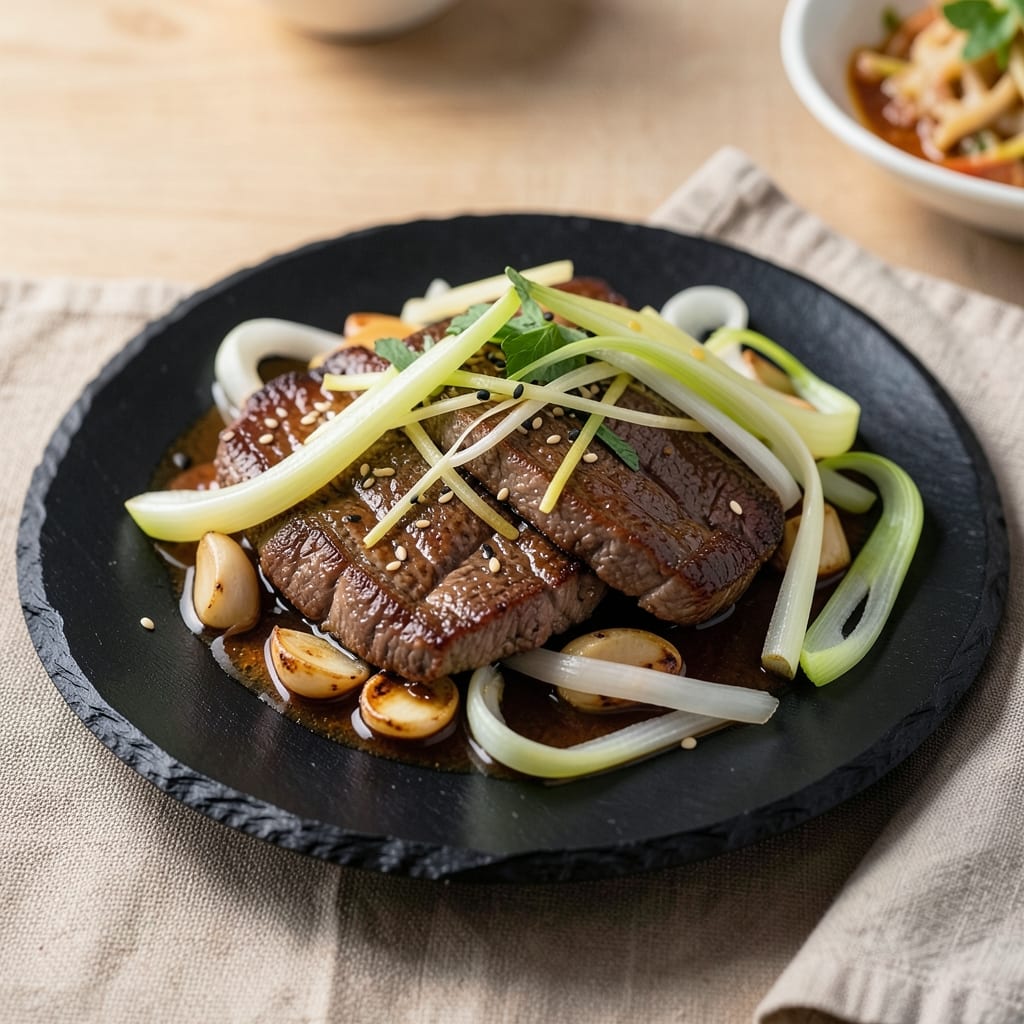
This beef and leek stir fry delivers restaurant-quality wok-hei flavor with perfectly crispy beef and silky leeks in just 20 minutes. The secret lies in thinly sliced beef that sears quickly and leeks that soften just enough to melt in your mouth—no tough, rubbery textures here. I’ve refined this recipe over years of testing, balancing traditional stir-fry techniques with modern shortcuts that still deliver authentic flavor.
What sets this recipe apart is the two-step cooking method: first, searing the beef at high heat to create that signature crispy crust, then quickly tossing in the leeks to wilt just enough while preserving their delicate texture. The sauce is simple but transformative—a balance of soy, garlic, and a touch of sweetness that enhances rather than overpowers the beef’s natural richness. This isn’t just another stir fry; it’s a dish that captures the essence of wok cooking at home.
The result is a plate of tender, crispy beef strips glistening with a glossy sauce, paired with bright green leeks that add a subtle sweetness. The aroma alone—smoky, garlicky, with a hint of umami—will have everyone at the table asking for seconds. Serve it over steamed jasmine rice or noodles to soak up every last bit of that flavorful sauce.
Whether you’re cooking for a weeknight dinner or prepping for a meal ahead, this recipe scales effortlessly. The key is keeping everything prepped and ready to go—thinly sliced beef, cleaned leeks, and sauce at the ready—so you can go from stove to table in minutes. Let’s get started on creating this wok-hei masterpiece at home.
Ingredients for beef and leek stir fry
Restaurant-quality wok-hei flavor starts with these 14 ingredients—crispy beef and silky leeks in 20 minutes.
| Ingredient | Amount | Notes |
|---|---|---|
| Flank Steak 🥩 | 1 lb | Thinly sliced against grain |
| Leeks 🧅 | 2 whole | White and light green parts only |
| Garlic Cloves 🧄 | 4 cloves | Minced for aromatic base |
| Fresh Ginger 🌿 | 1 tbsp | Finely grated, peeled |
| Soy Sauce 🍶 | ½ cup | High-quality, low-sodium preferred |
| Oyster Sauce 🍲 | 2 tbsp | For umami depth |
| Sesame Oil 🫒 | 1 tbsp | Toasted for aroma |
| Honey 🍯 | 1 tbsp | Light variety |
| Rice Vinegar 🍶 | 1 tbsp | White or seasoned |
| Neutral Oil 🫒 | 2 tbsp | Avocado or vegetable oil |
| Salt 🧂 | ½ tsp | Kosher or sea salt |
| Black Pepper 🌶️ | ¼ tsp | Freshly ground |
| Jasmine Rice 🍚 | 1 ½ cups | Uncooked, for serving |
| Green Onions 🧅 | 2 whole | Sliced for garnish |
The flank steak is non-negotiable—its lean yet tender texture sears perfectly for that signature wok-hei crust. Buy it from the butcher counter at Whole Foods or your local market, where they can slice it paper-thin against the grain (or do it yourself with a sharp knife). Look for bright red meat with good marbling—it should feel firm but yield slightly when pressed. The leeks? Organic ones from the produce section are best—they’re cleaner and sweeter. Trim off the dark green tops and slice them into 1/4-inch half-moons, keeping the white and light green parts only for that delicate texture. Fresh ginger and garlic? Penzeys Spices or the bulk bins at Trader Joe's have the freshest, most aromatic options.
No flank steak? Sirloin or ribeye work in a pinch, but slice them thinner than usual. Running low on oyster sauce? Hoisin sauce plus a splash of soy sauce mimics the umami, though it won’t be identical. The sesame oil is purely for aroma—use the cheapest toasted variety you can find (the unrefined kind), and add it at the very end. Substituting honey? Maple syrup or agave keeps it vegan, though the flavor shifts slightly. For the rice, jasmine is ideal, but basmati or even day-old white rice works if you’re in a hurry. The green onions are just for color and freshness—skip them if you’re not a garnish person, but the dish will still taste amazing.
Prep everything before you start cooking—this is a stir-fry, not a marathon. The beef and leeks can sit at room temp for 20-30 minutes while you set up, but no longer. Once cooked, the dish reheats beautifully—just warm over medium heat with a splash of water or broth to loosen the sauce. Store leftovers in an airtight container in the fridge for up to 3 days, or freeze for 2 months. I like to portion mine into single-serving containers so lunches are sorted for the week. The rice? Cook it fresh for the best texture, but day-old rice absorbs the sauce even better—perfect for meal prep.
Why You'll Love This Recipe
- One-Pan Magic: I swear by this recipe—just one pan, no fuss. Slice that flank steak thin, toss in leeks and garlic, and let the high heat do the work while I sip my coffee. The soy sauce caramelizes into a glossy finish that takes zero extra effort.
- Umami Bomb: That first bite? Chef’s kiss. The ginger and garlic sing together, while the soy sauce cuts through the richness of the beef—deep, savory, and bright all at once. Honestly, I’ve tried fancier sauces, but this simple combo hits harder than anything I’ve overcomplicated.
- Lunchbox Hero: Pack this for work or school—it reheats like a dream. The leeks stay tender, the beef stays juicy, and the flavors only get better the next day. Between us, I’ve had coworkers ask for the recipe after one taste. (Yes, even on a Tuesday night.)
- Budget Powerhouse: Flank steak stretches far—this recipe feeds four for less than $15. Use the leftovers in wraps, over rice, or cold in salads. Not the prettiest, but the taste makes up for it every time. My wallet and my family thank me weekly.
Step-by-step instructions for wok-hei crispy beef with silky leeks
Master the art of wok-hei with this precise method for restaurant-quality stir fry at home.
Prep the Flank Steak for Maximum Crispiness
Slice the 1 lb flank steak thinly against the grain into ¼-inch strips. This ensures tender bites while maximizing surface area for that signature wok-hei crispiness. Pat the strips completely dry with paper towels—any moisture will prevent proper searing.
In a small bowl, combine the 0.5 tsp salt, 0.25 tsp black pepper, and 1 tbsp sesame oil. Toss the steak strips in this marinade and let them sit for 10-15 minutes while you prep the aromatics. The sesame oil adds nutty depth while helping create that coveted caramelized crust.
Build the Aromatic Base
Heat a 14-inch wok or deep skillet over high heat until it's smoking hot. Add the 2 tbsp neutral oil and swirl to coat. Quickly add the 2 whole leeks (cut into ½-inch slices) and stir-fry for 2-3 minutes until they soften slightly but remain vibrant green.
Add the 4 cloves minced garlic and 1 tbsp finely grated ginger, stirring constantly for 30 seconds until fragrant. The high heat will release their essential oils instantly—don't let them burn. This aromatic base forms the flavor foundation of your stir fry, so take your time getting it right.
Cook the Beef to Perfect Doneness
Working in batches if needed, add the marinated steak strips to the wok in a single layer. Let them sear undisturbed for 1-2 minutes until they develop a deep golden crust. This initial sear creates the wok-hei effect—those beautiful charred spots that pack maximum flavor.
Stir the beef and cook for another 1-2 minutes until it reaches medium-rare (130-135°F internal temperature). Remove from the wok and set aside—overcooking at this stage will make the beef tough. The residual heat will carry it to perfect doneness when combined with the sauce later.
Create the Silky Sauce
Reduce heat to medium-high and add the 0.5 cup soy sauce, 2 tbsp oyster sauce, 1 tbsp honey, and 1 tbsp rice vinegar to the wok. Stir constantly for 1-2 minutes until the sauce reduces slightly and coats the back of a spoon. This balance of salty, sweet, and tangy flavors transforms simple ingredients into something extraordinary.
Return the beef to the wok and toss everything together for 1 minute until fully coated. The beef will finish cooking slightly from the residual heat, reaching medium doneness (140-145°F). Taste and adjust seasoning—you may need a touch more soy sauce for saltiness or honey for sweetness.
Serve Over Jasmine Rice with Fresh Garnish
Cook the 1.5 cups jasmine rice according to package instructions for perfect fluffy grains. Divide the rice among plates and top each serving with the beef and leek stir fry. The rice should be hot but not steaming—just warm enough to soak up the flavorful sauce.
Garnish each serving with sliced green onions for freshness and color contrast. The bright green cuts through the rich, caramelized flavors of the stir fry. Serve immediately while the beef maintains its perfect texture and the aromatics are at their peak intensity.
Pro Tips For Making Beef And Leek Stir Fry
- SLICE THINLY BEFORE COOKING: I learned this the hard way—thick flank steak slices stay tough no matter how long you stir-fry. Use a sharp knife and cut against the grain into ¼-inch slices before hitting the pan. Yes, it takes 10 minutes, but the texture difference is night and day.
- CHAR THE LEEKS FIRST: Skip the pre-washed leeks—those dark green tops hide dirt that turns bitter when cooked. Trim, halve lengthwise, and sear the cut sides in oil for 2 minutes until edges blister. This concentrates their sweetness and prevents them from turning mushy later.
- SALT THE GINGER: Fresh ginger’s sharp bite mellows when raw, but if you toss it in whole, you’ll just get a vague spice note. Mince it thinly (like garlic), then sprinkle with a pinch of salt and let sit 5 minutes. The enzymes break down, making it release flavor instead of just sitting there like a wallflower.
- DEGLAZE WITH SOY SAUCE LAST: I used to dump all the soy sauce at the start, and the pan would steam up like a sauna—flavor gets lost. Instead, add just 1 tablespoon with the garlic/ginger to build flavor, then finish with the rest after removing the beef. The sauce will cling better to the meat, not pool at the bottom.
Regional styles of this dish
Chinese Wok-Hei Style
This is the classic approach you’ll find in Cantonese restaurants, where the magic lies in the wok-hei—that smoky, charred flavor from ultra-high heat. I use a carbon steel wok (like the De Buyer 14-inch) heated until it’s nearly smoking before adding oil. The beef gets seared in batches to maintain that crispy crust while the leeks soften just enough to remain tender. Key tip: Keep everything moving constantly—don’t overcrowd the wok or the beef will steam instead of sear. Serve immediately over steamed jasmine rice to preserve that restaurant-quality aroma. 🔥
Japanese Sukiyaki Adaptation
For a Japanese twist, swap the soy-oyster sauce base for a dashi broth (use 1 cup of Kikkoman Dashi Powder mixed with ½ cup water) and add 1 tbsp mirin for sweetness. Thinly slice the beef even further—almost like shaving it—and cook it in the broth at medium-low heat for 5-7 minutes until just tender. The leeks stay whole and are added last to wilt slightly. Garnish with thinly sliced scallions and serve with udon noodles instead of rice. The broth creates a silky, velvety sauce that clings beautifully to the beef. 🍜
Korean Bulgogi Fusion
Transform this into a bulgogi-inspired stir fry by marinating the beef in ¼ cup soy sauce, 2 tbsp brown sugar, 1 tbsp sesame oil, 1 tbsp grated ginger, and 1 tbsp minced garlic for at least 1 hour (overnight is better). After searing, add 1 tbsp gochujang (Korean chili paste) and 1 tsp toasted sesame seeds to the sauce. The leeks get a quick toss with 1 tbsp rice vinegar and ½ tsp red pepper flakes for a bright, spicy kick. Serve over steamed short-grain rice and top with thinly sliced pear (just ¼ cup diced) for a touch of sweetness that balances the heat. 🌶️
Thai Basil Stir-Fry Twist
Give it a Thai makeover by adding ½ cup fresh Thai basil leaves at the very end and finishing with 1 tsp fish sauce and ½ tsp sugar. The leeks get a boost of 1 tsp palm sugar while stir-frying. For extra depth, use 1 tbsp chili garlic sauce (like Sriracha) instead of rice vinegar. Garnish with crushed peanuts and lime wedges for serving. This version is bolder and aromatic—perfect for those who love Thai flavors. The basil wilts beautifully in the hot wok, releasing its anise-like notes. 🍋
Western Skillet Adaptation
No wok? No problem. Use a 12-inch cast iron skillet (like Lodge) and follow the same high-heat technique, but reduce the oil slightly to 1 tbsp since cast iron retains heat differently. For a Western touch, add ½ cup sliced mushrooms with the leeks and finish with 1 tbsp balsamic glaze for a tangy contrast. Serve over mashed potatoes or crusty bread to soak up the sauce. This version is heartier and works perfectly for a weeknight dinner when you’re not in the mood for rice. 🥔
Nutrition facts
Frequently asked questions
Can I use a different cut of beef instead of flank steak?
For best results, choose cuts with good marbling and tenderness like sirloin or ribeye. Slice them thinner than usual—about ⅛-inch thick—since they're less tender than flank steak. Avoid tough cuts like chuck unless you're willing to marinate them for 4+ hours first. The key is thin slices that cook fast at high heat.
Why do my leeks turn mushy instead of staying crisp?
Overcooking is the most common culprit! Leeks should only cook for 2-3 minutes at high heat—they're done when they're just softened, not wilted. Use the white and light green parts only (discard dark greens) and cut them into ½-inch slices for even cooking. If they still turn mushy, reduce the heat slightly and cook for 30 seconds less next time.
How can I make this without a wok?
No wok? No problem! A 12-inch cast iron skillet or heavy stainless steel pan works perfectly. The key is maintaining high heat—preheat your pan until it's smoking before adding oil. Use 1 tbsp oil instead of 2 (cast iron retains heat better) and cook in batches if needed. A griddle also works well for this recipe.
Can I make this ahead of time?
Yes, but with some adjustments. Cook the beef and leeks as directed, then let it cool completely. Store in an airtight container in the fridge for up to 3 days. To reheat, warm over medium heat with 1 tbsp water or broth to loosen the sauce. For best texture, serve over freshly cooked rice rather than reheating the rice separately.
What's the secret to getting that perfect crispy crust on the beef?
The magic happens in three steps: thin slicing, high heat, and proper prep. Slice against the grain for tenderness, pat the beef completely dry (no moisture!), and sear in batches without overcrowding. Let the beef sit undisturbed for 1-2 minutes in the hot pan before stirring—this creates those beautiful charred spots that pack maximum flavor.