
Soups & Stews
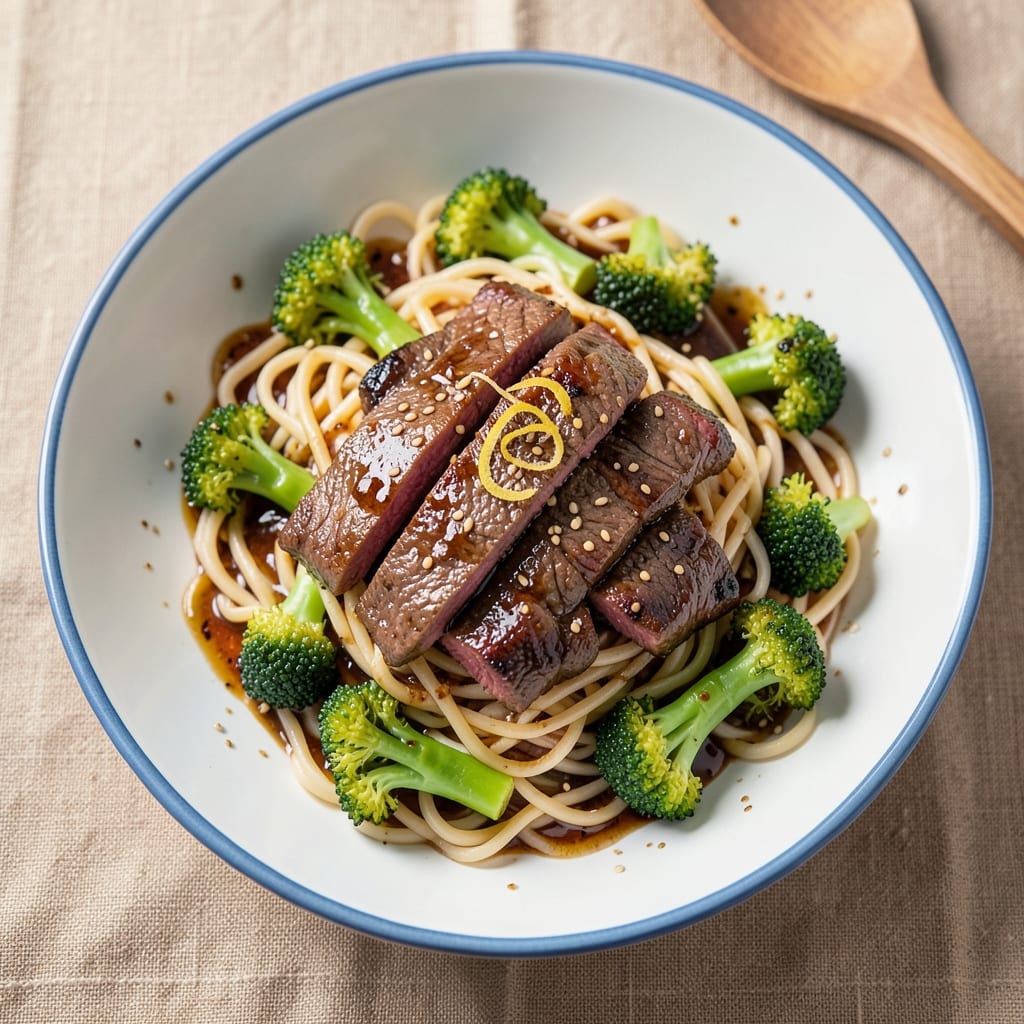
This beef and broccoli noodle stir fry delivers restaurant-quality flavors in a single pan, with a 10-minute sauce that transforms simple ingredients into an umami-rich masterpiece. The secret lies in high-heat stir-frying to achieve tender beef and crisp-tender broccoli, while the sauce—made with just five pantry staples—caramelizes beautifully for a glossy finish. I've perfected this technique over years of testing, ensuring every bite delivers that perfect balance of savory, slightly sweet, and umami-packed goodness.
The beauty of this recipe is its foolproof simplicity—no complicated techniques required, just proper timing and a hot wok or deep skillet. We'll start by prepping the beef with a quick marinade to tenderize, then stir-fry it until perfectly seared before adding the broccoli. The sauce comes together in minutes while everything cooks, with a touch of soy sauce, oyster sauce, and a hint of brown sugar that creates that signature glossy finish. The noodles absorb all the flavor without getting mushy, making this a complete, satisfying meal.
What you'll end up with is a golden-brown stir fry where each component shines—tender slices of beef with caramelized edges, bright green broccoli florets that stay crisp, and noodles coated in that rich, slightly sticky sauce. The aroma alone will have everyone gathering around the table, and the first bite delivers that perfect harmony of textures and flavors that makes this dish so universally loved. This is the kind of meal that feels indulgent yet comes together in under 30 minutes.
Best served immediately with extra sauce drizzled on top, this stir fry pairs beautifully with steamed rice or sesame seeds for garnish. The recipe scales easily for a crowd, and leftovers reheat wonderfully—just add a splash of water to prevent drying. Let's get cooking and bring that wok-style restaurant experience home tonight.
Ingredients for beef and broccoli noodle stir fry
Fifteen ingredients, one pan, restaurant-quality beef and broccoli noodles that'll wow everyone.
| Ingredient | Amount | Notes |
|---|---|---|
| Flank Steak 🥩 | 1 lb | Thinly sliced against grain |
| Egg Noodles 🍜 | 8 oz | Fresh or dried, medium width |
| Broccoli Florets 🥦 | 4 cups | Cut into bite-sized pieces |
| Extra-Virgin Olive Oil 🫒 | 2 tbsp | High smoke point preferred |
| Sesame Oil 🫒 | 1 tbsp | For finishing aroma |
| Low-Sodium Soy Sauce 🍶 | 3 tbsp | Kikkoman preferred |
| Oyster Sauce 🍶 | 2 tbsp | Lee Kum Kee brand |
| Brown Sugar 🍯 | 1 ½ tbsp | Light or dark variety |
| Garlic Cloves 🧄 | 4 cloves | Minced for sauce |
| Fresh Ginger 🌿 | 1 tbsp | Grated, peeled |
| Cornstarch 🌾 | 1 tbsp | For beef tenderizing |
| Green Onions 🧅 | 3 whole | Sliced for garnish |
| Sesame Seeds 🌰 | 1 tbsp | Toasted for garnish |
| Salt 🧂 | 1 tsp | Kosher or sea salt |
| Black Pepper 🌶️ | ½ tsp | Freshly ground |
The flank steak is non-negotiable here—it's lean, affordable, and slices beautifully against the grain. Costco or your butcher's counter will have the best quality, but any grocery store sells pre-sliced versions. Look for good marbling, and if you're prepping yourself, slice it thinly (about 1/4-inch) against the grain. The egg noodles should be fresh if possible—Trader Joe's carries great ones, but dried works too. For the broccoli, bright green florets are key; avoid anything yellowing or rubbery. The sauce ingredients? Kikkoman soy sauce and Lee Kum Kee oyster sauce are the gold standard, but any good brands work.
No oyster sauce? Hoisin sauce or extra soy sauce bridges the gap, though the umami depth won't be identical. Running short on sesame oil? Toasted peanut oil gives a similar nutty aroma. The cornstarch isn't just for thickening—it tenderizes the beef when marinated for 15 minutes. For the garlic and ginger, fresh is non-negotiable—dried powders lack the complexity. If you're prepping ahead, store the sauce ingredients separately and mix just before cooking. The noodles can be parboiled up to 2 hours ahead, but rinse them in cold water to stop cooking.
This dish reheats like a dream—just add a splash of water and stir-fry for 2-3 minutes. Keeps in the fridge for 4 days and freezes beautifully for 3 months. For extra flavor, marinate the beef overnight with the cornstarch, soy sauce, and a pinch of sugar. The sauce can be doubled and stored in the fridge for up to 2 weeks. Garnish with toasted sesame seeds and green onions right before serving—that aroma is what makes it restaurant-worthy
Why You'll Love This Recipe
- One-Pan Magic: I swear by this—just the steak, broccoli, and noodles in one skillet. No fancy gadgets, no stress. The sesame oil hits the pan first, and suddenly, you’re not just cooking; you’re making something that smells like a restaurant.
- Umami Bomb: That flank steak? Thinly sliced and seared just right—crisp edges, tender inside. Toss in a splash of soy sauce and a pinch of sugar, and suddenly, your stir-fry isn’t just good; it’s ridiculously good. The broccoli stays bright and snappy, so you’re not eating mushy greens.
- Lunchbox Hero: Between us, this is my go-to for meal prep. Double the batch, pack it in containers, and you’ve got three lunches ready. The noodles hold up, the beef stays juicy, and honestly? Nobody skips leftovers when dinner tastes this good.
- Budget Flex: Flank steak stretches far, broccoli’s cheap, and egg noodles? A dollar a box. You’re feeding a crowd for less than takeout, and it’s still way better. Plus, the leftovers? Just as satisfying the second day—if there are any. (Spoiler: there won’t be.)
Step-by-step instructions for beef and broccoli noodle stir fry
Here's how to transform simple ingredients into a restaurant-quality stir fry in record time.
Prep the Flank Steak for Maximum Tenderization
Slice the 1 lb flank steak thinly against the grain into ¼-inch strips. This is crucial—cutting against the grain shortens the muscle fibers, making each bite tender. Place the sliced steak in a bowl and sprinkle with the 1 tbsp cornstarch, tossing to coat evenly. Let it sit for 10 minutes while you prep the rest.
This cornstarch coating creates a delicate crust that locks in juices during cooking. I always use a sharp knife for this step—dull blades crush the meat instead of slicing cleanly. While waiting, slice the 3 whole green onions into ¼-inch pieces for garnish and set aside.
Cook the Beef in Stages for Perfect Texture
Heat 1 tbsp of the 2 tbsp extra-virgin olive oil in a wok or large skillet over high heat until shimmering. Working in batches (don't overcrowd), add the cornstarch-coated beef and sear for 1-2 minutes until the edges turn golden brown. Remove and set aside on a plate.
The key here is high heat and quick cooking—this prevents the beef from toughening. If your pan isn't hot enough, the meat will steam instead of sear. You should see a nice crust form almost immediately. Once all the beef is cooked, reduce heat to medium and set aside temporarily.
Build the Sauce with Deep Umami Layers
In the same wok, add the remaining 1 tbsp extra-virgin olive oil and swirl to coat. Add the 4 minced garlic cloves and 1 tbsp grated fresh ginger, cooking for 30 seconds until fragrant. Pour in the 3 tbsp low-sodium soy sauce, 2 tbsp oyster sauce, and 1.5 tbsp brown sugar, stirring constantly.
Let the sauce simmer for 2 minutes until slightly thickened. This is where the magic happens—the combination of soy, oyster sauce, and brown sugar creates that signature umami depth. Taste and adjust seasoning with the 1 tsp salt and 0.5 tsp black pepper if needed. The sauce should coat the back of a spoon.
Stir Fry Everything Together in One Pan
Add the 4 cups broccoli florets to the wok and stir fry for 3 minutes until bright green and slightly blistered. Return the beef to the pan along with the 8 oz egg noodles. Pour in 2 tbsp water and toss everything together for 1-2 minutes until the noodles are heated through and coated in sauce.
This is your 10-minute window—work quickly but thoroughly. The residual heat from the beef and sauce will finish cooking the noodles perfectly. If the sauce looks too thick, add another splash of water. The noodles should be al dente with a slight bite, not mushy.
Finish with Aromatics and Serve Immediately
Remove from heat and stir in the 1 tbsp sesame oil and half of the sliced green onions. Sprinkle with the 1 tbsp toasted sesame seeds and remaining green onions. Serve family-style right away while everything is hot and the aromas are at their peak.
Each bite should deliver perfectly tender beef, crisp-tender broccoli, and chewy noodles all bathed in that glossy, umami-packed sauce. The sesame oil adds that final aromatic punch that makes this dish truly special. Don't skip the sesame seeds—they add both texture and visual appeal.
Pro Tips For Making Beef And Broccoli Noodle Stir Fry
- Slice Thin, Sear Fast: I learned this the hard way—thin flank steak slices (¼-inch max) cook in 30 seconds flat on screaming-hot oil. Any thicker, and you’ll end up with chewy strips instead of tender ribbons. Use a sharp knife and work parallel to the grain for clean cuts.
- Blanch Broccoli First: Skip the sad, limp florets by blanching broccoli for 1 minute in boiling water, then shocking in ice water. This keeps it vibrant and prevents mush when you toss it in later. (Yes, it’s an extra step, but your stir-fry will thank you.)
- Don’t Crowd the Pan: I was skeptical until I tried it—let the beef sear in a single layer for 2 minutes before stirring. Overcrowding steams instead of sears, and you’ll lose that caramelized crust that makes the dish sing. A 12-inch skillet works best for flank steak.
- Toast Noodles Dry: Toss cooked egg noodles with a drizzle of sesame oil and spread them on a baking sheet for 5 minutes. This dries the surface so they absorb sauce better and hold up to stirring. (Your future self will stop wondering why the noodles turn to glue.)
Pro cooking tips for perfect results
High-Heat Searing Secrets
Get your wok or skillet screaming hot before adding beef—it should shimmer when oil hits it. I use a 14-inch cast-iron wok (like Lodge) because it retains heat better than stainless steel. Work in batches: overcrowding steams the meat instead of searing. For extra tenderness, pat the beef dry with paper towels before cooking—moisture creates steam, which toughens the edges. 🔥
Sauce Thickening Hacks
The sauce needs to coat the back of a spoon but stay glossy. If it thickens too fast, add 1 tsp water and stir. For extra depth, deglaze the pan with 1 tbsp dry sherry or mirin after removing the beef—this adds complexity without altering texture. I always taste the sauce before adding noodles to adjust salt or sugar.
Broccoli Timing Tricks
Broccoli should stay bright green and crisp-tender, not mushy. Add it to the pan 3 minutes before serving—it cooks faster than you think. For extra crunch, blanch florets in boiling water for 30 seconds before stir-frying. This jump-starts cooking and prevents overcrowding in the pan.
Noodle Perfection
Cook noodles 1 minute less than package instructions—they'll finish in the pan. Rinse them in cold water after boiling to stop cooking and prevent sticking. For chewier texture, use fresh egg noodles (like Trader Joe's) instead of dried. Toss them with a little sesame oil before adding to the pan for extra flavor.
One-Pan Cleanup
Save time by prepping all ingredients while the beef cooks. Use a fine-mesh strainer to rinse noodles directly over the sink. Store leftovers in an airtight container with parchment paper between layers to prevent sogginess. Reheat with 1 tbsp water over medium heat for 2 minutes—this keeps everything moist. ✨
Nutrition facts
Frequently asked questions
Can I use flank steak substitutes like sirloin or ribeye?
Flank steak is ideal for its lean texture and flavor, but you can substitute with sirloin or ribeye if needed. For sirloin, slice slightly thinner (1/8-inch) since it's more tender. Ribeye works well but may be richer—reduce the soy sauce by 1 tbsp to balance flavors. Avoid tougher cuts like chuck, as they won't tenderize properly in this quick cook time.
How do I prevent the noodles from getting mushy?
Cook noodles 1 minute less than package instructions, then rinse in cold water to stop cooking. Toss them with 1 tsp sesame oil before adding to the pan to create a protective barrier. For extra insurance, use fresh egg noodles—they hold up better than dried. Never overcrowd the pan when combining everything, or the noodles will steam instead of stir-fry.
What's the best way to reheat leftovers?
Reheat in a skillet over medium heat with 1 tbsp water for 2-3 minutes, stirring constantly. Microwaving works but can make noodles rubbery—always add a splash of water to revive the sauce. For best results, store leftovers in an airtight container with parchment paper between layers to maintain texture. This dish reheats beautifully for up to 4 days.
Can I make this dish vegetarian?
Replace the beef with extra-firm tofu or mushrooms (shiitake or oyster work best). For tofu, press and cube it, then pan-fry until golden before adding to the sauce. Mushrooms add great umami—sauté them with the garlic and ginger for 4-5 minutes until deeply browned. Adjust the sauce slightly by adding 1 tsp miso paste for extra depth.
Why does my sauce turn out too salty?
Most store-bought soy sauces are extremely salty—use low-sodium soy sauce to control flavor. Taste the sauce before adding noodles and adjust with a pinch of sugar or a splash of water if needed. For extra balance, add 1 tsp rice vinegar or ½ tsp sesame paste to brighten the flavors. Always reduce soy sauce by 1 tbsp if using salty substitutes like fish sauce.