
Soups & Stews
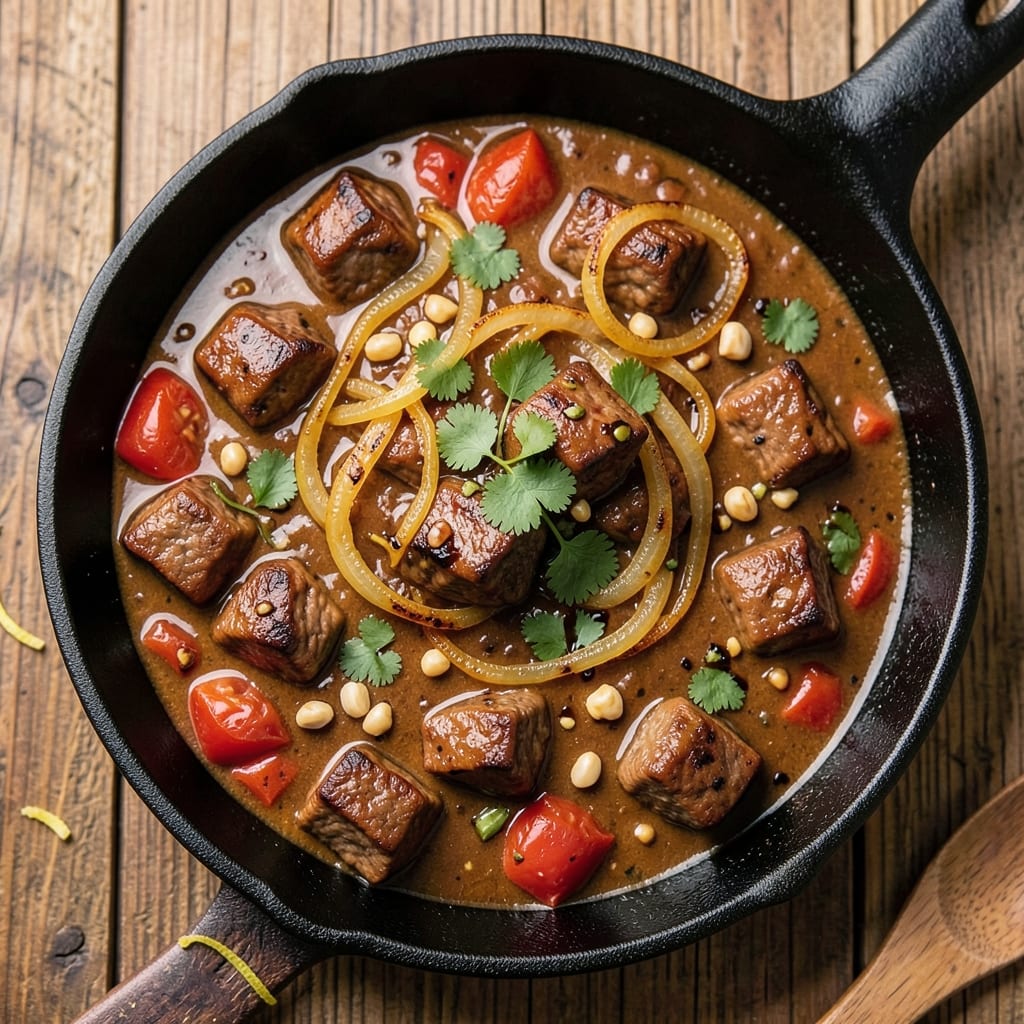
This beef and beer chili recipe delivers restaurant-quality depth with every hearty spoonful—where slow-simmered beef meets malty beer for rich, caramelized umami that lingers long after the last bite. The secret lies in browning the meat first, then letting it meld with dark beer and smoky spices over low heat for hours, creating a sauce that clings to every bite like a warm embrace. I perfected this version after years of testing, balancing sweet and savory notes so the beer shines without overpowering the beef.
The beauty of this recipe is its foolproof simplicity: just a handful of ingredients transformed into a meal that feels indulgent yet requires minimal effort. You’ll need chuck roast for tender, fork-friendly meat, a dark beer (like stout or porter) for depth, and a blend of spices that builds complexity as it simmers. The result? A chili so flavorful it earns second helpings without needing extra toppings—though a dollop of sour cream or shredded cheese never hurts.
By the time you’re done, you’ll have a pot of deeply aromatic chili with tender beef, caramelized onions, and a sauce so rich it practically melts on your tongue. The beer’s malty sweetness cuts through the smokiness, while the spices—cumin, chili powder, and a touch of cocoa—layer in warmth and earthiness. This isn’t just chili; it’s a weeknight centerpiece that tastes like a pub dinner.
Serve it with crusty bread to soak up every last drop, or top with your favorite fixings like avocado, cilantro, or a squeeze of lime for brightness. The leftovers? Even better the next day, as the flavors deepen with time. Let’s get cooking—your taste buds will thank you.
Ingredients for beef and beer chili
Sixteen ingredients for chili that tastes like a pub dinner—where slow-cooked beef meets malty beer magic.
| Ingredient | Amount | Notes |
|---|---|---|
| Chuck Roast 🥩 | 2 ½ lb | Boneless, cut into 1-inch cubes |
| Dark Beer 🍺 | 2 cups | Stout or porter, like Guinness or Sam Adams |
| Yellow Onion 🧅 | 1 whole | Diced, about 1.5 cups |
| Garlic Cloves 🧄 | 4 cloves | Minced, fresh preferred |
| Canned Tomato Sauce 🍅 | 1 can | 28 oz, San Marzano preferred |
| Chili Powder 🌶️ | 2 tbsp | Smoked or mild variety |
| Ground Cumin 🌿 | 1 tbsp | Toasted for depth |
| Cocoa Powder 🍫 | 1 tbsp | Unsweetened, natural |
| Beef Broth 💧 | 2 cups | Low-sodium preferred |
| Black Coffee ☕ | ½ cup | Cold, enhances depth |
| Dark Brown Sugar 🍚 | 1 tbsp | For caramelization |
| Salt 🧂 | 1 ½ tsp | Diamond Crystal preferred |
| Black Pepper 🌶️ | ½ tsp | Freshly ground |
| Bay Leaves 🌿 | 2 whole | Removed before serving |
| Olive Oil 🫒 | 2 tbsp | Extra-virgin for browning |
The chuck roast is non-negotiable here—it needs that fat for tenderness, and the 1-inch cubes ensure even cooking. Grab a pre-cut package from Costco or your local butcher if you're short on time, but if you're feeling ambitious, trim any large fat caps for cleaner browning. For the dark beer, stouts like Guinness or porters add the deepest maltiness, but any non-light beer (even a cheap IPA) works in a pinch. The San Marzano tomatoes are worth the splurge—their sweetness balances the beer's bitterness, but any high-quality canned tomatoes will do.
No dark beer? Substitute with beef broth plus 1 tbsp molasses for a similar depth, though you'll lose some caramelization. Running low on cocoa powder? Espresso powder at half the amount mimics that toasty bitterness. The brown sugar might seem odd, but it caramelizes beautifully with the beer and onions—don't skip it. For the coffee, instant works fine, but fresh cold brew adds an extra layer of complexity. Pro tip: Toast your cumin seeds in a dry pan for 30 seconds before grinding—it transforms this chili from good to restaurant-quality.
This chili tastes even better the next day as flavors meld, so double the batch if you can. Store in an airtight container in the fridge for up to 5 days, or freeze portions for 3 months. I like to portion it into single-serving containers for easy lunches—just reheat with a splash of water or broth. The beer aroma fades slightly when refrigerated, but the flavor only gets richer. For serving, keep a cold beer on hand to sip alongside—it cuts through the richness perfectly.
Why You'll Love This Recipe
- One-Pot Magic: Between us, this chili is the kind of dish where you dump everything into one pot and walk away. The chuck roast practically melts into tender shreds while the beer and tomato sauce do all the heavy lifting—no stirring every five minutes like some fussy recipes.
- Beer-Boosted Depth: That dark beer isn’t just for flavor—it’s the secret weapon. The maltiness cuts through the richness of the beef while the garlic and onion build layers of warmth that linger. Honestly, the first bite after simmering feels like a hug in a bowl.
- Game for Any Gathering: I’ve served this at tailgates, game nights, and even a last-minute dinner with friends—no one ever bats an eye. The hearty texture and bold taste make it feel special, but the prep is so casual it doesn’t require a Pinterest-perfect spread.
Step-by-step instructions for slow-simmered beef and beer chili
This chili delivers deep, complex flavors through careful layering and patient simmering.
Sear the Chuck Roast for Maximum Flavor
Heat a large Dutch oven over medium-high heat and add the 2 tablespoons olive oil. Once shimmering, add the 2.5 lb chuck roast cut into 1-inch cubes, working in batches if needed. Let the meat sear undisturbed for 3-4 minutes per side until deeply browned—this develops the Maillard reaction that forms the chili's rich foundation.
Real talk: Don't rush this step. You want those cubes to develop a dark crust before you move them. Once browned, transfer the meat to a plate and set aside. You'll return it to the pot later, but first, we need to build the flavor base.
Develop the Aromatic Base
In the same Dutch oven, add the 1 whole yellow onion (diced) and cook for 5-6 minutes until softened and beginning to caramelize. Add the 4 cloves minced garlic and stir for 30 seconds until fragrant—this prevents burning. Sprinkle in the 2 tablespoons chili powder and 1 tablespoon ground cumin, stirring constantly for 1 minute to toast the spices and release their essential oils.
Here's where it gets good: Pour in the 2 cups dark beer and scrape up all those browned bits from the bottom of the pot. This deglazing captures all the caramelized flavor you just created. Let the beer simmer for 3-4 minutes until reduced by about half, concentrating the maltiness that will deepen your chili.
Build the Rich Sauce Foundation
Add the 1 can canned tomato sauce, 2 cups beef broth, 0.5 cup black coffee, 1 tablespoon dark brown sugar, 1.5 teaspoons salt, 0.5 teaspoon black pepper, and 2 whole bay leaves to the pot. Stir well to combine, then return the seared chuck roast to the pot. Bring everything to a gentle boil, then reduce heat to low and cover partially.
The reason we use coffee here is simple: it cuts through the richness of the beef and beer while adding subtle bitterness that enhances the overall depth. Let the chili simmer for 2 hours at this low heat, stirring occasionally. You're looking for the meat to become fork-tender and the flavors to meld beautifully.
Finish with Cocoa for Depth and Texture
After the initial 2-hour simmer, stir in the 1 tablespoon cocoa powder. This might seem unusual, but it's what transforms an ordinary chili into something extraordinary. The cocoa adds a subtle bitterness that balances the sweetness of the brown sugar and the maltiness of the beer. Let the chili simmer uncovered for another 30-45 minutes to allow the liquid to reduce slightly and the flavors to concentrate.
Here's the thing—don't walk away during this final stage. You want the chili to reduce enough that it coats the back of a spoon but still remains saucy enough to ladle over rice or cornbread. Taste and adjust seasoning if needed, remembering that the cocoa and coffee have already added complexity to the flavor profile.
Rest and Serve for Optimal Texture
Once the chili reaches your desired consistency, remove it from heat and let it rest for 15-20 minutes. This resting period allows the flavors to fully develop and the meat to reabsorb any juices. Before serving, carefully remove and discard the 2 whole bay leaves—they've done their job and will become tough if left in.
Ladle the chili into bowls and serve immediately with your favorite toppings. Each spoonful should deliver tender beef, rich beer notes, and that perfect balance of sweet, smoky, and slightly bitter flavors. The cocoa gives it that velvety texture while adding depth that separates this chili from ordinary recipes.
Pro Tips For Making Beef And Beer Chili
- SEAR THE ROAST FIRST: Chuck roast is forgiving, but a quick 3-minute sear in a hot skillet with 1 tablespoon of oil—before adding onions—builds flavor that beer alone can’t hide. I used to skip this, and the chili tasted like it needed more seasoning. Doesn’t take long, and it makes a real difference when the beer’s the star.
- USE COLD BEER: Pouring ice-cold beer into the pot stops the cooking process cold (literally) and keeps the chili from curdling or turning bitter. I learned this after a batch tasted like a brewery’s leftovers. Just pop a couple cans in the freezer for 10 minutes first—your future self will notice.
- CRUSH GARLIC, DON’T CHOP: Minced garlic burns fast, but a flat-sided knife or the bottom of a heavy pan crushes cloves into a paste that blends smoothly without scorching. I was skeptical until I tried it—now it’s non-negotiable for that deep, even flavor in every bite.
- SIMMER LOW AND LONG: This isn’t a 20-minute stew. Push the heat to medium-high for the first 10 minutes to help the beer reduce, then drop it to a bare simmer (tiny bubbles, maybe 160°F). I used to walk away after an hour, but the real magic happens after 2.5–3 hours when the meat falls apart like it’s been slow-cooked all day.
Wine and beer pairings for these flavors
Beer Pairing Basics
The beer you use in the chili isn’t just an ingredient—it’s the flavor backbone. For this recipe, dark beers like stouts (Guinness, Founders Kentucky Breakfast) or porters (Samuel Adams Porter) work best because their maltiness and slight bitterness complement the beef and spices. If you’re using a lighter beer like an IPA, add 1 extra tablespoon of cocoa powder to balance the hoppiness. 🍺
Sipping Pairings
Serve your chili with the same beer you cooked it in for a seamless experience. A cold stout at 45°F cuts through the richness, while a porter adds a toasty note that mirrors the cocoa. For variety, try a Belgian dubbel—its caramel and spice notes enhance the chili’s depth without overpowering it. Keep the beer in a frosted mug to preserve its chill.
Non-Alcoholic Options
Don’t drink beer? No problem. A non-alcoholic stout like Heineken 0.0 or Guinness 0.0 mimics the maltiness perfectly. For a caffeine kick, serve with cold brew coffee—the bitterness pairs surprisingly well with the chili’s sweetness. Even a ginger beer (like Feather) adds a refreshing zing to each bite. ✨
Wine Alternatives
If you prefer wine, go for bold reds like Malbec or Syrah, which stand up to the chili’s smokiness. A Zinfandel with its jammy notes also works, but avoid light whites—they’ll get lost in the beer’s depth. For a non-red option, a Port-style ruby port (served slightly chilled) adds a sweet, fortified contrast. 🍷
Pro Tips for Pairing
Let your beer or wine breathe for 5 minutes before sipping to release aromas. If the chili tastes too rich, a sparkling water with lime cleanses your palate. And here’s a secret: The longer the chili sits, the more the beer’s flavors meld into the sauce—so save leftovers for a second night with a fresh beer pairing. 💡
Nutrition facts
Frequently asked questions
Why does this recipe use coffee in the chili?
The coffee enhances the depth of flavor by adding subtle bitterness that balances the beer's sweetness and the meat's richness. It also helps cut through the fat, creating a more refined sauce. Just use ½ cup cold brew—no need for hot coffee here.
Can I substitute the dark beer with something else?
Yes! For a non-alcoholic version, use 2 cups beef broth + 1 tbsp molasses to mimic the maltiness. If you prefer wine, 1 cup red wine works, but reduce the liquid by ½ cup since wine is more concentrated. The key is maintaining that caramelized depth.
How do I make this chili spicier?
Add ½ tsp cayenne pepper or 1-2 diced chipotle peppers in adobo sauce during the simmer. For heat without dryness, stir in 1 tbsp hot sauce at the end. Remember, spices build flavor—start with less and adjust to taste.
Can I make this in a slow cooker?
Brown the meat first, then transfer everything to a 6-quart slow cooker on low for 6-8 hours or high for 4-5 hours. The low-and-slow method enhances tenderness and lets flavors meld beautifully. Just add ½ cup water if it gets too thick.
What's the best way to reheat leftovers?
Reheat gently in a pot over low heat with 2-3 tbsp broth or water to prevent drying. Microwave in 1-minute intervals with a splash of liquid. Leftovers actually improve as flavors deepen—store in an airtight container for up to 5 days or freeze for 3 months.