
Soups & Stews
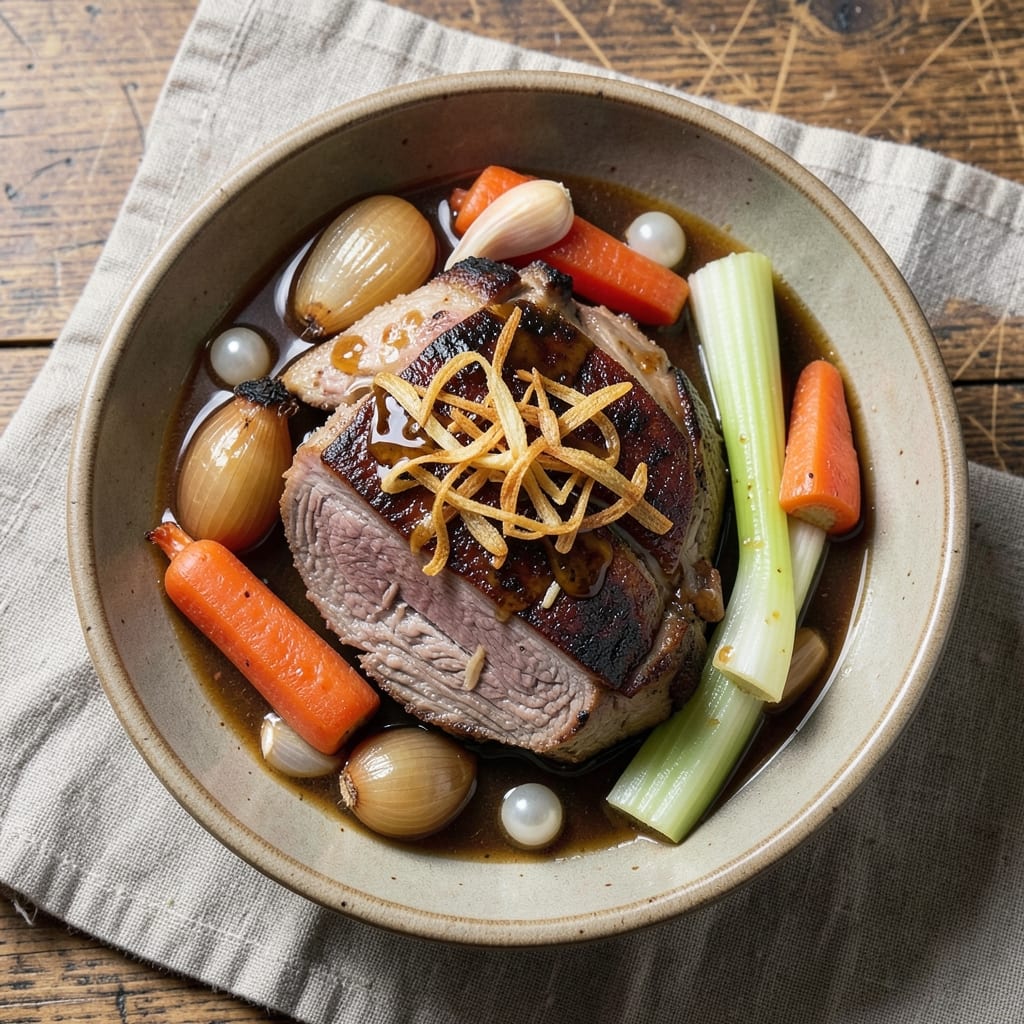
Slow-braised beef ale stew transforms tough cuts into melt-in-your-mouth perfection through a technique that's equal parts science and art. The key? A deep, umami-rich broth built from seared beef, dark ale, and slow simmering that develops layers of flavor over hours—not minutes. I've perfected this recipe after years of testing, and it consistently delivers restaurant-quality results at home with minimal effort after the initial prep.
What sets this stew apart is the balance of flavors: the malty depth of ale, the caramelized richness from searing the beef, and the natural sweetness of root vegetables. The process begins with a proper sear to create fond (those flavorful browned bits), which we deglaze with ale to form the base of our sauce. This isn't just another beef stew—it's a hearty, aromatic dish that warms the soul on cold evenings.
The result is tender beef that practically falls apart with a fork, swimming in a velvety sauce that's rich yet balanced. Each bite delivers layers of flavor: the smoky depth of the ale, the earthy sweetness of carrots and onions, and the umami punch from the beef. The long braising time ensures maximum tenderness while developing complex flavors that come together in perfect harmony.
Serve this stew with crusty bread to soak up every last drop of that flavorful sauce, or pair it with roasted root vegetables for a complete meal. The beauty of this recipe is its versatility—it's hearty enough for a family dinner but elegant enough for company. Let's create this comforting classic that will become a staple in your recipe rotation.
Ingredients for beef ale stew
Six hearty ingredients build the perfect base for this rich, umami-packed stew.
| Ingredient | Amount | Notes |
|---|---|---|
| Chuck Roast 🥩 | 3 lb | Tough cut, well-marbled preferred |
| Dark Ale 🍺 | 2 cups | Stout or porter, 6-8% ABV |
| Yellow Onions 🧅 | 2 whole | Medium, sliced into wedges |
| Carrots 🥕 | 4 whole | Medium, peeled and cut into chunks |
| Celery Stalks 🌿 | 4 whole | Cut into 1-inch pieces |
| Garlic Cloves 🧄 | 6 cloves | Minced, not pre-minced jar |
| Tomato Paste 🍅 | 2 tbsp | Smooth, not chunky |
| Beef Broth 💧 | 2 cups | Low-sodium preferred |
| Bay Leaves 🍃 | 2 whole | Fresh if possible |
| Thyme Sprigs 🌿 | 4 whole | Fresh, stems removed |
| Black Peppercorns 🌶️ | 1 tbsp | Freshly cracked |
| Salt 🧂 | 1 ½ tsp | Kosher or sea salt |
| Olive Oil 🫒 | 2 tbsp | For searing |
| Flour 🌾 | 2 tbsp | All-purpose, for dredging |
The beef is where it all starts. Chuck roast is your best bet—it's tougher but turns melt-in-your-mouth after braising. Look for good marbling at Costco or your local butcher shop; the fat renders down and makes the stew silky. If you can't find chuck, brisket or short ribs work too. The ale? Grab a dark stout or porter—Guinness or Samuel Smith's Nut Brown Ale are my go-tos. If you're feeling fancy, Trader Joe's carries some great craft options. For the veggies, no need to peel the carrots if you're in a rush—their skins add texture, but I usually do it for a cleaner bite.
No dark ale? Beef broth with a splash of balsamic vinegar mimics the depth, though it won't have that malty richness. Fresh thyme is ideal, but dried at one-third the amount works in a pinch. The tomato paste can be swapped for crushed tomatoes (1 cup), but paste gives you that concentrated umami punch. For the flour, all-purpose is fine, but if you've got bread flour, it adds a nice chewiness to the fond. Pro tip: Toast your flour in the pan before adding the beef—it deepens the flavor. And if you're prepping ahead, cut all your veggies and store them in the fridge** for up to 3 days before cooking.
This stew tastes even better the next day—honestly, 3-4 days in the fridge is ideal as the flavors meld. For leftovers, portion into containers with a little extra broth to keep it moist. Freezes beautifully for up to 3 months, though the texture might get a bit softer after thawing. If you're serving a crowd, make it in a Dutch oven—it's easier to transfer to the table. And trust me, the last few bites** are always the best when you've soaked up all that sauce with crusty bread.
Why You'll Love This Recipe
- One-Pot Magic: I swear by this recipe—just dump everything in a Dutch oven and let it do the work. No fancy techniques, no last-minute chopping frenzies. The chuck roast practically melts into tender perfection while you sip that dark ale (yes, you can use some from the bottle).
- Deep Umami Bomb: That dark ale isn’t just for drinking—it’s the secret weapon. The malty richness blends with caramelized onions and slow-cooked beef into something so hearty, it feels like a hug in a bowl. The carrots and celery soak up all the flavor, turning them into the best part.
- Budget Beef, Big Payoff: A chuck roast is cheap, but it doesn’t taste cheap—especially when it’s braised until fall-apart tender. The ale adds depth without breaking the bank, and the veggies stretch the meal into a full week’s worth of dinners. Frugal? Absolutely. Delicious? Ridiculously.
Step-by-step instructions for beef ale stew
Here's how to transform tough chuck roast into melt-in-your-mouth beef using dark ale's magical depth.
Sear the Chuck Roast for Maximum Flavor
Pat the 3 lb chuck roast completely dry with paper towels—this ensures a proper sear. Heat 2 tablespoons olive oil in a large Dutch oven over medium-high heat until shimmering. Place the roast in the pot, fat-side down, and let it sear undisturbed for 4-5 minutes until a deep golden-brown crust forms.
Flip the roast and sear the other side for another 4-5 minutes. This step isn't just about browning—it's building flavor through the Maillard reaction. Once both sides are deeply browned, remove the roast and set it aside on a plate. You'll notice the pot now has beautiful browned bits stuck to the bottom—this is your flavor foundation.
Build the Flavor Base with Vegetables and Ale
In the same Dutch oven, add 2 tablespoons flour and stir vigorously for 30 seconds to coat the browned bits. This creates a roux that will thicken your stew. Add the sliced 2 whole yellow onions, 4 whole carrots cut into chunks, and 4 whole celery stalks cut into 1-inch pieces. Cook for 5-6 minutes, stirring occasionally, until the vegetables begin to soften.
Add the minced 6 cloves garlic, 2 tablespoons tomato paste, 1 tablespoon freshly cracked black peppercorns, 1.5 teaspoons salt, 2 whole bay leaves, and 4 whole thyme sprigs. Stir everything together and cook for another 2 minutes until fragrant. Pour in the 2 cups dark ale and scrape up any browned bits from the bottom—this is where the real flavor develops.
Simmer the Stew Until Fork-Tender
Return the seared chuck roast to the Dutch oven. Pour in 2 cups beef broth until the roast is about ¾ submerged. Bring the mixture to a gentle boil, then reduce heat to low and cover with a lid. Let it simmer for 2½ hours, turning the roast occasionally to ensure even cooking.
After 2 hours, check the doneness by inserting a fork into the thickest part of the meat. If it pierces easily with no resistance, your stew is ready. If not, continue simmering for another 30 minutes to 1 hour. The liquid should reduce to a rich, thick consistency—this is where the ale's depth transforms into velvety richness.
Finish and Rest for Perfect Texture
Remove the roast from the stew and let it rest on a cutting board for 10 minutes. This resting period allows the juices to redistribute, ensuring each bite is moist and flavorful. While it rests, skim any excess fat from the surface of the stew. Taste and adjust seasoning if needed—you might want to add a pinch more salt or a splash of ale to balance the flavors.
Slice the chuck roast against the grain into ½-inch thick slices and return it to the stew. Let the whole dish sit together for 5 minutes before serving. The result should be tender beef that falls apart easily, surrounded by a rich, aromatic sauce where every ingredient shines. Serve with crusty bread to soak up every last drop of that umami-packed ale goodness.
Pro Tips For Making Beef Ale Stew
- SEAR THE ROAST FIRST: I learned this the hard way—skipping the sear means flavorless beef. Get that chuck roast screaming hot in a Dutch oven with oil, and let it develop a deep crust before adding anything. The Maillard reaction here isn’t optional.
- DON’T SKIMP ON ALE: That dark ale isn’t just liquid—it’s the soul of the dish. Use at least 2 cups (more if your roast is big), and pick a beer with actual malt depth, not some light lager. Thin it later with broth if needed, but start with the good stuff.
- CHOP VEGETABLES UNIFORM: I used to toss in random celery and carrot chunks, but even cooking is a myth in stews. Cut everything into ½-inch pieces—onions, carrots, celery—so they all soften at the same time. No sad crunchy bits.
- LET THE BEER REDUCE: After browning the meat, don’t rush to add the ale. Let it simmer uncovered for 5-7 minutes first—this concentrates the flavors and cuts the alcohol bite. Your stew will taste richer if you resist the urge to fill the pot right away.
Perfect pairings for these flavors
Crusty Bread Pairings
Nothing complements this hearty stew like a crusty artisan loaf to soak up every last drop of that rich ale sauce. I recommend a baguette or sourdough—their open crumb structure traps the flavorful broth beautifully. For extra indulgence, toast the bread until golden and crisp, then rub it with a garlic clove before serving. 🥖
If you're feeling fancy, try a focaccia drizzled with extra virgin olive oil and sprinkled with sea salt—the salty, herby notes balance the stew's depth perfectly. For a gluten-free option, cornbread with a slightly sweet crumb works surprisingly well, especially if you add a pinch of smoked paprika to the batter.
Roasted Root Vegetables
Transform simple carrots, potatoes, and parsnips into a side that enhances the stew's flavors. Toss them in olive oil, rosemary, and sea salt, then roast at 400°F for 40-45 minutes until caramelized. The earthy sweetness of the roots complements the ale's malty depth while adding texture contrast. 🥕
For a quicker option, try sautéed kale with crispy pancetta—the smoky, salty bite cuts through the stew's richness. Toss 4 cups chopped kale with 2 tbsp olive oil, 2 tbsp pancetta, and a squeeze of lemon juice for brightness. Serve alongside the stew for a balanced plate.
Ale-Inspired Garnishes
Elevate your stew with ale-inspired garnishes that highlight its malty, umami profile. A sprinkle of toasted breadcrumbs adds crunch, while fresh thyme leaves bring a bright, herbal note. For a smoky touch, top with crumbled blue cheese—its tangy sharpness contrasts beautifully with the ale's richness. 🧀
If you're using a dark stout, consider a stout-infused caramel drizzle—simmer ½ cup stout with ¼ cup brown sugar until reduced by half, then drizzle over the stew. This adds a subtle sweetness that enhances the ale's depth without overpowering the dish.
Warm Beer Pairings
A warm Guinness or porter served alongside the stew enhances its flavors by echoing the ale's malty profile. The warmth of the beer complements the stew's cozy, hearty nature, while the carbonation cleanses your palate between bites. 🍺
For a non-alcoholic option, sparkling apple cider with a cinnamon stick adds a refreshing contrast. The acidity brightens the stew's richness, while the cinnamon subtly mirrors the ale's warmth. Serve chilled for the best experience.
Nutrition facts
Frequently asked questions
Can I substitute dark ale with another liquid?
Yes! If you don't have dark ale, use 2 cups beef broth plus 2 tablespoons balsamic vinegar for depth, or 1 cup beef broth + 1 cup red wine for richness. For a non-alcoholic option, try stout-flavored soda (like Guinness Draught soda) mixed with broth. The key is balancing sweetness and umami—just avoid watery liquids like chicken broth alone.
How do I know when the beef is tender enough?
Use the fork test: pierce the thickest part of the beef. If it slides in easily with no resistance, it's ready. For chuck roast, this typically takes 2½-3 hours of simmering. If you're unsure, check after 2 hours—the stew will continue cooking while resting. Overcooking can make the meat mushy, so err on the side of slightly underdone if needed.
Can I make this stew in a slow cooker?
Sear the beef first in a skillet, then transfer everything to a 6-quart slow cooker. Add all ingredients except broth, cook on low for 8 hours or high for 4-5 hours, then add broth and cook another 2-3 hours until tender. The sauce may be thinner—reduce it on the stove for 10 minutes at the end. The slow cooker method is perfect for hands-off prep!
Why did my stew turn out too salty?
This usually happens when using salty broth or ale with high sodium content. To fix it, add ½ cup warm water or ale and simmer for 10 minutes to dilute. For prevention, use low-sodium beef broth and check your ale's sodium—some craft beers can be surprisingly salty. Taste as you go! If it's still too salty, serve with extra bread to balance the flavors.
How far ahead can I prep this stew?
You can prep everything 2 days ahead! Cut all veggies, sear the beef, and store components separately in the fridge. When ready to cook, simply assemble and simmer. For even better flavor, let the stew rest in the fridge overnight**—the flavors meld beautifully. Reheat gently on the stove with the lid slightly ajar to prevent over-reducing.