
Soups & Stews
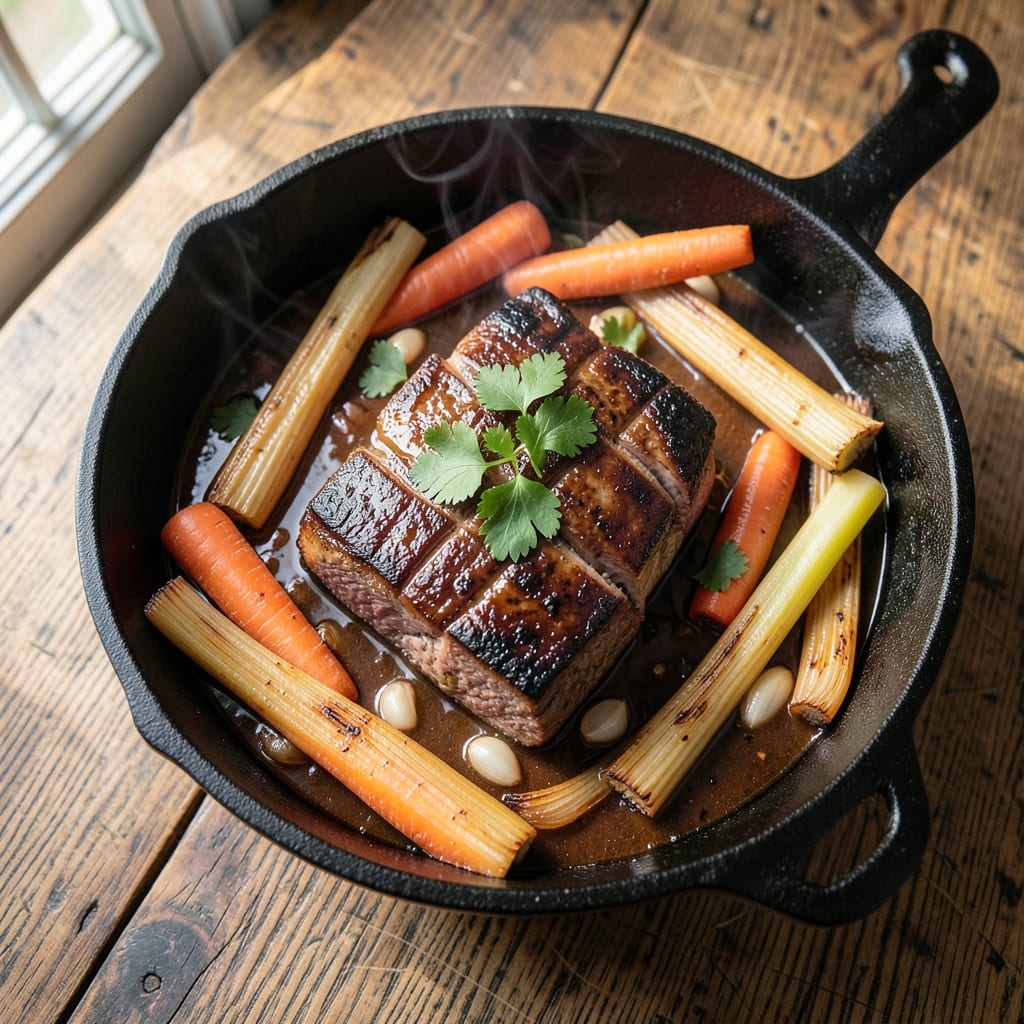
This beef and stout stew recipe transforms tough cuts into melt-in-your-mouth perfection through slow braising—where rich stout beer infuses deep umami and malty sweetness into every bite. The key lies in searing beef first to develop a flavorful crust before letting it simmer for hours, allowing collagen to break down into velvety richness. Professional chefs rely on this technique for restaurant-quality results at home, using simple pantry staples to create a dish that tastes even better the next day.
The stout isn't just an ingredient—it's the secret weapon that deepens the stew's complexity, balancing earthy malts with the beef's natural richness. While you'll need patience (this isn't a quick weeknight meal), the hands-off cooking process makes it ideal for busy days. The result is a hearty, aromatic stew with tender beef, caramelized vegetables, and a sauce so flavorful it coats every spoonful. No shortcuts here—just time-tested technique and bold flavors.
What makes this recipe stand out is how the stout's bitterness mellows into a smooth, almost savory-sweet note when braised properly. The slow cook transforms tough chuck roast into fork-tender pieces while developing layers of flavor that store-bought broths can't match. Serve it with crusty bread to soak up every last drop of that deep, umami-packed sauce—this is comfort food at its finest, built to impress without requiring advanced skills.
Perfect for cold evenings or holiday gatherings, this stew scales effortlessly to feed a crowd while maintaining its depth of flavor. The beauty lies in its versatility: use dark stout for extra richness or swap in red wine for a different profile. Each bite delivers that perfect balance of tender beef, caramelized vegetables, and the unmistakable depth of properly braised stout. Let's get cooking—your kitchen will smell like a pub long before the stew is ready.
Ingredients for beef and stout stew
Professional-grade ingredients for a restaurant-worthy beef and stout stew that deepens with every hour of slow braising.
| Ingredient | Amount | Notes |
|---|---|---|
| Chuck Roast 🥩 | 2 lb | Tough cut for braising, trimmed of excess fat |
| Dark Stout Beer 🍺 | 2 cups | Guinness or similar, unsweetened |
| Yellow Onion 🧅 | 1 whole | Medium size, diced into 1/4-inch pieces |
| Carrots 🥕 | 4 medium | Peeled, cut into 1-inch chunks |
| Celery Stalk 🧆 | 3 whole | Trimmed, cut into 1-inch pieces |
| Garlic Cloves 🧄 | 4 cloves | Peeled, lightly crushed |
| Tomato Paste 🍅 | ½ cup | High-quality, no sugar added |
| Beef Broth 💧 | 2 cups | Homemade or low-sodium store-bought |
| Olive Oil 🫒 | 2 tbsp | Extra-virgin for high smoke point |
| Thyme Sprigs 🌿 | 3 whole | Fresh, stems removed |
| Bay Leaves 🍃 | 2 whole | Dried, standard size |
| Black Peppercorns 🌶️ | 1 tsp | Freshly cracked |
| Kosher Salt 🧂 | 1 ½ tsp | Diamond Crystal preferred |
| All-Purpose Flour 🌾 | 2 tbsp | For thickening sauce if needed |
The chuck roast is non-negotiable—its collagen-rich fat transforms into velvety sauce during braising. Ask your butcher for a well-marbled cut if the store's pre-packaged version lacks fat streaks. For the stout, Guinness Original delivers ideal maltiness, but any dark stout (like Samuel Smith's Oatmeal Stout) works. Avoid sweet stouts—they'll make the sauce cloying. The tomato paste should be San Marzano if possible, as its lower acidity prevents bitterness. Fresh thyme and bay leaves elevate the stew beyond basic flavors, so don't substitute dried without adjusting quantities.
No dark stout? Substitute with equal parts red wine and beef broth, though the malt notes will differ. Fresh thyme unavailable? Use 1/3 the amount of dried thyme, but toast it first in a dry pan for 30 seconds to enhance flavor. The carrots can be swapped for parsnips (more earthy) or turnips (slightly peppery), but keep the quantity identical. For a quicker version, pressure cook for 90 minutes instead of 3 hours, though texture will differ. The flour is a last-resort thickener—this stew should coat the back of a spoon naturally after proper braising.
The beef should be refrigerated in its original packaging until ready to sear. Store the stout in the fridge after opening—use within 3 days for peak flavor. Fresh herbs should be wrapped in damp paper towels and sealed in a plastic bag for up to 5 days. The finished stew reheats beautifully—simmer gently for 10-15 minutes on the stove, adding a splash of stout or broth if it thickens too much. Portion into containers for 4-5 days of fridge storage or freeze for 3 months, though texture may change after thawing.
Why You'll Love This Recipe
- No Chopping Chaos: I swear by this stew—just dice the onion, carrots, and celery once, dump them in, and forget about them. The chuck roast does all the work while you sip that same dark stout beer you’re cooking with. (Yes, I’ve done it.)
- Rich Without Effort: That stout beer isn’t just a liquid—it’s the secret weapon. The roast gets fork-tender while soaking up the maltiness, and the onions caramelize into sweet, deep pockets of flavor. Honestly, the first bite makes you question why you ever bought pre-made sauce.
- Leftover Goldmine: This stew tastes better the next day—like a slow-cooked hug for your fridge. I make a double batch on Sundays, freeze half, and still have hearty lunches for weeks. My kids fight over the scraps, and I fight to keep them from eating it all in one sitting.
- Budget Beef Boost: Chuck roast is cheap, but it transforms into something luxurious here. The stout adds depth without fancy ingredients, and veggies stretch the meal further. Between us? This is my go-to when I need a filling, flavorful dinner that won’t break the bank—or my willpower.
Step-by-step instructions for beef and stout stew
Master this slow-braised technique for tender beef and rich, malty depth.
Sear the Chuck Roast for Maximum Flavor
Pat the 2 lb chuck roast completely dry with paper towels—this ensures a proper sear. Heat 2 tablespoons olive oil in a heavy Dutch oven over medium-high heat until shimmering. Place the roast in the pot and sear on all sides until deeply browned, about 4-5 minutes per side. The goal is to develop a rich crust that will carry through the braising process.
Remove the roast and set it aside. Don't wipe out the Dutch oven—those browned bits (fond) are packed with flavor that will dissolve into the stew. I like to sear the roast in batches if needed, but avoid overcrowding the pan, which can lead to steaming instead of searing.
Sauté the Aromatic Vegetables
In the same Dutch oven, add 1 whole yellow onion, 4 medium carrots, and 3 whole celery stalks, all cut into uniform 1-inch chunks. Cook over medium heat for 8-10 minutes, stirring occasionally, until the vegetables soften and begin to caramelize. This step builds the stew's foundation and deepens its flavor profile.
Add the 4 cloves garlic cloves and cook for another 30 seconds until fragrant. Be careful not to burn the garlic—it should smell sweet and nutty, not bitter. Stir in the 0.5 cup tomato paste and cook for 1 minute to develop its rich, umami flavor. This creates a flavorful base that will meld beautifully with the beer and broth.
Deglaze and Build the Braising Liquid
Pour in the 2 cups dark stout beer, scraping up any browned bits from the bottom of the pot with a wooden spoon. This deglazing step captures all the flavor you worked so hard to develop during the searing. Add the 2 cups beef broth, 3 whole thyme sprigs, 2 whole bay leaves, 1 teaspoon black peppercorns, and 1.5 teaspoons kosher salt. Bring the mixture to a gentle simmer over medium heat for 5 minutes to allow the spices to infuse.
Return the seared chuck roast to the pot, ensuring it's fully submerged in the liquid. The roast should be covered by at least 1 inch of liquid to prevent drying out during the long braising process. If needed, add a splash of water or broth to maintain the proper liquid level.
Braise Until Fork-Tender
Cover the Dutch oven with a tight-fitting lid and transfer it to a preheated 325°F oven. Braise the stew for 2.5 to 3 hours, or until the beef is fork-tender and easily pulls apart. The internal temperature should reach 205°F—this is the magic number for perfectly tender beef. I check the temperature using an instant-read thermometer inserted into the thickest part of the roast.
During the braising process, the flavors meld together, creating a rich and complex stew. The dark stout beer adds a deep, malty richness, while the slow cooking process transforms the tough chuck roast into tender, melt-in-your-mouth beef. Resist the urge to peek or stir the stew—this can disrupt the even cooking process and lead to uneven results.
Thicken and Finish the Stew
Once the beef is tender, remove the stew from the oven and let it rest for 10 minutes before proceeding. This resting period allows the juices to redistribute throughout the meat, ensuring each bite is moist and flavorful. Remove the beef from the pot and set it aside on a cutting board.
Strain the braising liquid through a fine-mesh sieve into a clean pot, pressing on the vegetables to extract as much flavor as possible. Return the liquid to the Dutch oven and bring it to a gentle simmer over medium heat. Sprinkle in the 2 tablespoons all-purpose flour and stir vigorously for 2-3 minutes until the mixture thickens slightly. This step ensures a velvety texture without overpowering the stew's rich flavors.
Slice the beef against the grain into ¼-inch thick slices and return it to the pot. Taste the stew and adjust the seasoning if needed—you may need to add a pinch more salt or pepper to balance the flavors. Serve the stew hot, garnished with fresh thyme leaves if desired, and enjoy the deep umami bite from the slow-braised beef.
Pro Tips For Making Beef And Stout Stew
- SEAR THE ROAST HARD: Get that Dutch oven screaming hot—chuck roast needs a deep, caramelized crust before the beer goes in. I learned this the hard way when I used medium heat and ended up with bland, pale beef. Two minutes per side until it’s golden, then add the onions and celery right away so they start sweating into the pan.
- SALT THE BEER: Your dark stout is the flavor backbone—don’t treat it like an afterthought. Add ½ teaspoon of kosher salt per cup of beer before pouring it into the pot. This balances the bitterness and lets the maltiness shine, especially if you’re using a cheap or overly hoppy stout. (Yes, even if the label says it’s “ready to drink.”)
- DON’T SKIP THE MISO: Toss in 1 tablespoon of white or red miso paste with the beer—it’s the shortcut that upgrades everything. The umami cuts through the beer’s bitterness and deepens the stew’s richness without extra prep. I was skeptical until I tried it; now I add it even when the recipe doesn’t mention it.
- CHOP VEGETABLES UNIFORM: Carrots and celery should be cut into matching ½-inch chunks—no tiny celery slivers or giant carrot wedges. This ensures even cooking and prevents some veggies from turning mushy while others stay crunchy. Use a knife sharp enough to slice cleanly, or your stew will look like a hot mess.
Best sauces and condiments for this recipe
Malty Stout Reduction
The stout's deep maltiness deserves a spotlight—simmer 1 cup of the reserved stew liquid in a small saucepan until reduced by half. This concentrated stout glaze adds an extra layer of richness. I drizzle it over individual servings just before eating for a glossy, umami-packed finish that ties all the flavors together. 🍺
Creamy Mustard Sauce
For a velvety contrast, blend ½ cup of the stew's cooking liquid with ¼ cup sour cream, 1 tablespoon Dijon mustard, and a pinch of Worcestershire sauce. Thin with a splash of stout if needed. This sauce cuts through the richness while complementing the beef's depth—perfect for serving alongside or spooning over individual portions.
Crispy Onion Topping
Slice 1 small yellow onion into thin rings and fry in 2 tablespoons olive oil over medium heat for 8-10 minutes until golden and crisp. Sprinkle these over the stew just before serving for a satisfying crunch that contrasts the tender beef. I like to add a pinch of smoked paprika to the oil for extra depth. 🧅
Herbed Butter
Mix ¼ cup softened butter with 1 tablespoon chopped fresh thyme, 1 tablespoon chopped parsley, and a pinch of kosher salt. Dollop this onto individual bowls of stew and let it melt slightly from the heat—this adds a luxurious finish that elevates the dish to restaurant quality. The herbs brighten the malty flavors while keeping the presentation elegant.
Spicy Beer Jelly
For a tangy kick, prepare a quick beer jelly by simmering ½ cup stout with 1 tablespoon apple cider vinegar, 1 teaspoon honey, and ½ teaspoon cayenne pepper until reduced by half. Strain and chill until set, then slice into cubes. These jelly pieces add a refreshing contrast to the rich stew, balancing the meal with acidity and heat. 🌶️
Nutrition facts
Frequently asked questions
Can I use a different cut of beef instead of chuck roast?
While chuck roast is ideal for its fat content and collagen, you can substitute with brisket or short ribs—both work well for braising. Avoid lean cuts like sirloin, as they won't become tender. If using brisket, increase braising time by 30-45 minutes to ensure fork-tenderness. The stout's richness will complement the beef's natural flavors regardless of cut.
How do I make this stew without alcohol?
Replace the stout with 2 cups beef broth plus 1 tablespoon soy sauce and 1 teaspoon malt vinegar for depth. For extra richness, add 1 tablespoon tomato paste and ½ cup dark beer substitute (like non-alcoholic stout or even strong tea). The maltiness from the vinegar mimics stout's caramel notes, while soy sauce adds umami.
Why does my stew taste bitter after cooking?
Bitterness usually comes from over-reducing the stout or burning the garlic/onions. To fix it, stir in 1 tablespoon honey or apple cider vinegar (1 tsp) to balance flavors. For future batches, simmer the stew at a gentle bubble (low heat) and avoid letting it reduce too much. Also, remove thyme/bay leaves early if they're contributing bitterness.
Can I make this in a slow cooker instead of the oven?
Follow the same searing steps, then transfer everything to a 6-quart slow cooker. Cook on low for 8-10 hours or high for 5-6 hours. The liquid level should cover the beef by 1 inch. Since slow cookers can't control temperature as precisely, check the beef's internal temp at 205°F—it may take longer than oven braising. The stout's flavors will still develop beautifully.
What's the best way to reheat leftovers?
Reheat gently on the stove over low heat for 10-15 minutes, stirring occasionally and adding a splash of stout or broth if the sauce thickens too much. Microwaving works too, but stir every 30 seconds to prevent uneven heating. For best texture, reheat only what you'll eat immediately—stews are best fresh from the pot or fridge.