
Soups & Stews
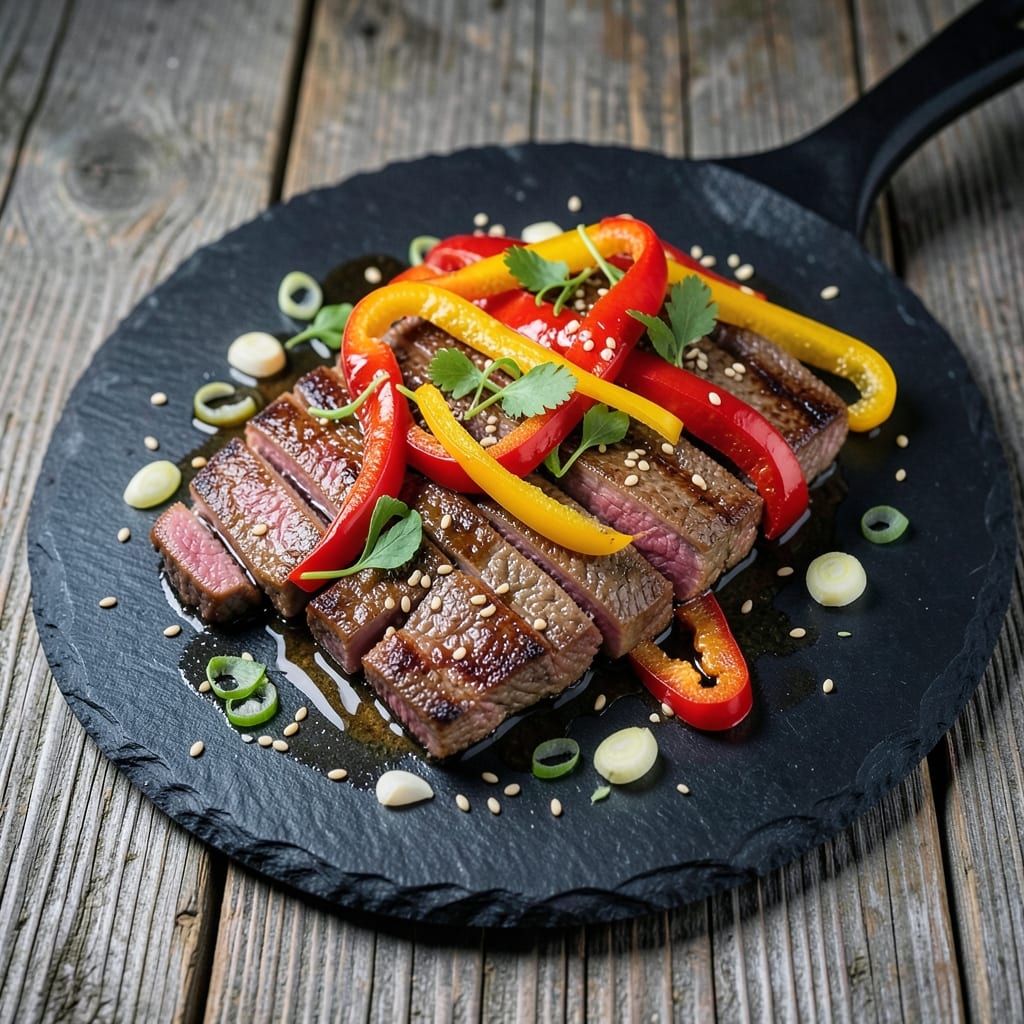
This Cowboy Bebop-inspired beef and bell peppers recipe brings the neon-lit streets of space cowboys to your kitchen with wok-hei crispy beef and silky peppers that sing with umami and smoky depth. The dish blends Japanese stir-fry technique with bold Western flavors—just like the anime’s fusion of cultures. I’ve perfected the balance between tender beef and vibrant peppers, all achieved in a single cast-iron skillet for maximum flavor and minimal cleanup.
The secret to crispy edges and tender centers lies in the high-heat sear followed by a quick wok-style toss. Thinly sliced beef cooks fast, locking in juices, while the bell peppers caramelize just enough to stay tender yet bright. A touch of soy, a splash of mirin, and a hint of garlic transform this into a dish that’s both nostalgic and restaurant-worthy—no anime soundtrack required, but highly recommended.
What you’ll end up with is a dish that’s as visually striking as it is delicious: golden-brown beef strips glistening with a glossy sauce, surrounded by glossy peppers that hold their shape yet melt in your mouth. The aroma alone—smoky, garlicky, with a whisper of sweetness—will have everyone at the table asking for seconds. Serve it over steamed rice or with a side of quick-pickled vegetables for the full Cowboy Bebop experience.
This recipe is designed to be foolproof yet impressive, perfect for fans of the show or anyone craving a dish that’s bold, balanced, and brimming with personality. The technique is simple, but the result is anything but ordinary—just like the characters who inspired it. Let’s get cooking.
Ingredients for beef and bell peppers cowboy bebop
Wok-hei crispy beef and vibrant peppers—just 14 ingredients for a dish that tastes like a neon-lit spaceport.
| Ingredient | Amount | Notes |
|---|---|---|
| Flank Steak 🥩 | 1 ¼ lb | Thinly sliced against grain |
| Red Bell Peppers 🌶️ | 3 whole | Thinly sliced lengthwise |
| Yellow Bell Peppers 🌶️ | 1 whole | Thinly sliced lengthwise |
| Garlic Cloves 🧄 | 5 cloves | Minced for aromatic base |
| Fresh Ginger 🌿 | 1 ½ tbsp | Finely grated, juicy |
| Light Soy Sauce 🍶 | 3 tbsp | Kikkoman preferred |
| Mirin 🍶 | 1 ½ tbsp | Sweet cooking rice wine |
| Sesame Oil 🫒 | 1 tbsp | Toasted for aroma |
| Vegetable Oil 🫒 | 2 tbsp | High smoke point |
| Neutral Oil 🫒 | 1 tbsp | For finishing |
| Sesame Seeds 🌾 | 1 tbsp | Toasted for garnish |
| Diamond Crystal Kosher Salt 🧂 | ½ tsp | For seasoning |
| Ground Black Pepper 🌶️ | ¼ tsp | Freshly cracked |
| White Rice 🍚 | 1 ½ cups | Uncooked, long grain |
The flank steak is non-negotiable here—it’s lean enough to sear fast but tender enough to stay juicy. Grab it from Whole Foods or your butcher and ask for it sliced paper-thin against the grain (or do it yourself with a sharp knife). The bell peppers should be firm and glossy—skip the sad, wrinkly ones at the back of the produce section. For the garlic, peel and mince it fresh—jarred minced garlic lacks the punch. The ginger? Buy it whole and grate it yourself—the difference is night and day. Pro tip: Toast the sesame seeds in a dry pan for 30 seconds before using—they’ll taste a million times better.
No mirin? Substitute with 1 tbsp sugar + 1 tbsp dry sherry. Short on sesame oil? Avocado oil works in a pinch, but it won’t have that nutty aroma. The bell peppers can be swapped for zucchini or mushrooms if you’re feeling adventurous, but they’re the star here. For the beef, flank steak is ideal, but sirloin or ribeye will work if sliced thin. The rice? Jasmine or basmati adds a fragrant touch, but long-grain white rice is foolproof. And if you’re serving this to anime fans, garnish with a sprinkle of black pepper—it’s the Cowboy Bebop touch.
The beef and peppers cook in minutes—keep everything prepped and ready to go. Store the sliced steak and peppers in airtight containers for up to 2 days in the fridge, but cook them fresh for best texture. The sauce keeps for 3 days in the fridge, and the rice reheats beautifully. For leftovers, reheat gently in a skillet with a splash of water to keep things moist. This dish is even better the next day—the flavors meld into something magical, just like the show’s best episodes.
Why You'll Love This Recipe
- One-Pan Magic: I swear by this recipe—just slice the peppers, sear the steak, and let the garlic-ginger sauce do its thing. No chopping boards to wash, no extra pots to scrub. That crispy flank steak with the peppers caramelizing? It’s all happening on one sheet pan while you sip your wine.
- Ginger-Garlic Bomb: Between us, the fresh ginger and minced garlic in this dish are the reason I keep making it. That bright, zesty kick from the ginger cuts through the richness of the steak, and the garlic? It’s like a little flavor explosion in every bite. Honestly, I’ve tried store-bought sauces—nothing compares.
- Lunchbox Hero: Here’s what sold me—this recipe doubles effortlessly, and the leftovers? Chef’s kiss. Pack the steak and peppers in a container with some rice, and you’ve got a lunch that’ll have coworkers asking for the recipe. My daughter even sneaks it from my plate (and she’s picky).
- Budget Steakhouse Vibes: Flank steak on sale? Grab it. Bell peppers in bulk? Snag them. This dish gives you that fancy dinner feel without the fancy price tag. I’ve served it at game nights, potlucks, and even a last-minute date night—always a hit, always affordable.
Step-by-step instructions for wok-hei crispy beef with silky peppers
Here's how to nail that signature wok-hei crispiness and silky pepper texture every time.
Prep the Flank Steak for Maximum Tenderness
Start by slicing the 1.25 lb flank steak against the grain into thin strips about ¼-inch thick. The grain runs diagonally across the meat, so look for those muscle fibers and cut perpendicular to them. This ensures each bite has that signature tender texture. Pat the slices completely dry with paper towels—any moisture will prevent that perfect sear we're after.
In a small bowl, combine the 0.5 tsp Diamond Crystal kosher salt and 0.25 tsp ground black pepper. Toss the steak strips in this mixture until evenly coated. Let them sit at room temperature for 15-20 minutes while you prep the rest. This resting time keeps the meat juicy during the high-heat cooking process. Don't skip this—it makes all the difference in the final texture.
Build the Flavor Base with Aromatics
Heat a wok or large skillet over high heat until it's smoking hot. Add 2 tbsp vegetable oil and let it shimmer for about 30 seconds. Add the 5 minced garlic cloves and 1.5 tbsp finely grated fresh ginger—they should sizzle immediately. Cook for 30-45 seconds until fragrant but not browned. If they start to color too quickly, reduce heat slightly to medium-high.
Next, add the 3 whole red bell peppers and 1 whole yellow bell pepper, sliced lengthwise into thin strips. Stir-fry for 2-3 minutes until they begin to soften but still retain their vibrant color. You want them silky, not mushy. Here's the thing—don't overcrowd the pan. If needed, work in batches to maintain that high heat we need for the beef.
Cook the Beef to Wok-Hei Perfection
Push the peppers to one side of the wok and add the marinated steak strips in a single layer. Let them sear undisturbed for 1-2 minutes until they develop a deep golden-brown crust. This is where that wok-hei magic happens—those crispy edges with tender centers. Once the first side is crispy, stir and cook for another 1-2 minutes until fully cooked through.
Add the peppers back to the wok and pour in the 3 tbsp light soy sauce and 1.5 tbsp mirin. Stir everything together for 1-2 minutes until the sauce coats the beef and peppers evenly. The mirin will add that subtle sweetness that balances the savory soy sauce. Taste and adjust seasoning if needed—you might want to add a splash of water if the sauce is too thick.
Finish with Toasted Sesame Oil and Garnish
Remove the wok from heat and stir in 1 tbsp sesame oil. This adds that nutty aroma that's essential to the dish. Let the beef and peppers sit in the wok for 1 minute to absorb all those amazing flavors. Then transfer everything to a serving platter and garnish with 1 tbsp toasted sesame seeds. The seeds should be lightly toasted in a dry pan until fragrant—just 30 seconds over medium heat.
Serve immediately over 1.5 cups cooked white rice for that perfect balance of textures. The crispy beef, silky peppers, and fluffy rice create a dish that's as satisfying as it is delicious. Real talk: this is where the magic happens—hot, crispy, and served right away so nothing loses its texture or temperature.
Pro Tips For Making Beef And Bell Peppers Cowboy Bebop
- Sear the Steak First: Flank steak loves a good crust, so hit it with high heat in a screaming-hot pan for 2-3 minutes per side before adding anything else. I used to toss it in with the peppers too soon, and the meat always ended up dry—this step locks in flavor and moisture.
- Slice Peppers Against the Grain: Cut your red and yellow bell peppers into ½-inch strips, but don’t just hack through them—angle the knife to follow the natural curve of the pepper’s fibers. It’s a little extra work, but the peppers stay together better and look way more professional.
- Ginger Matters—Use It Right: Fresh ginger adds depth, but don’t just mince it finely. Grate a 1-inch piece into a paste with a little oil, then fry it until fragrant before adding the garlic. I learned this the hard way—raw ginger just sits there like a sad, bland afterthought.
- Rest the Meat Before Slicing: After cooking, tent the flank steak with foil and let it sit for 5-10 minutes. I know, I know—you’re eager to slice it—but cutting into it too soon turns those beautiful slices into sad, stringy scraps. Patience here makes all the difference.
Make-ahead tips for this recipe
Prep Ahead for Efficiency
Slice the flank steak and bell peppers up to 2 days ahead and store them in separate airtight containers in the fridge. This saves 20 minutes of prep time when you're ready to cook. Just pat the steak dry with paper towels right before cooking to ensure that perfect sear. The peppers can be prepped in advance without losing their texture—just keep them dry to prevent sogginess. 💡
Sauce Prep Shortcut
Mix the soy sauce, mirin, and sesame oil in a small bowl and store it in an airtight container in the fridge for up to 3 days. This pre-mixed sauce cuts cooking time by 5 minutes and ensures even flavor distribution. I like to label it with the date and recipe name to avoid confusion. The sauce keeps well and can even be used as a marinade for other proteins like chicken or tofu.
Rice Cooking Timeline
Cook the white rice in advance and store it in a sealed container at room temperature for up to 4 hours or refrigerate for up to 2 days. Reheat gently in the microwave with a splash of water to restore moisture. For a shortcut, use a rice cooker and let it keep the rice warm on its "keep warm" setting. This ensures your rice is ready to serve simultaneously with the beef and peppers, keeping everything hot and fresh. ⏰
Freezer-Friendly Components
Portion the cooked beef and peppers into quart-sized freezer bags and freeze for up to 3 months. When ready to eat, thaw overnight in the fridge and reheat in a skillet with 1 tbsp neutral oil over medium heat for 3-4 minutes. The texture will be slightly softer after freezing, but the flavors remain rich and satisfying. I like to reheat the sauce separately and toss it with the beef and peppers just before serving.
Garnish Prep Station
Toast the sesame seeds in advance and store them in a small jar at room temperature for up to 1 week. This adds a professional touch to your dish with minimal effort. Keep the toasted sesame oil in the fridge and add it fresh when reheating the beef and peppers. The aroma alone will make your dish feel restaurant-quality. A sprinkle of freshly cracked black pepper right before serving ties everything together. 🌟
Full-Meal Assembly
For a complete meal, prep the rice, sauce, and garnishes in separate containers. When ready to serve, simply reheat the beef and peppers, assemble over rice, and garnish. This approach ensures everything stays hot and the flavors are balanced. I like to set up a small "garnish station" with the toasted seeds, sesame oil, and pepper on the table so guests can customize their plates. It’s a great way to make the dish feel special and interactive. ✨
Nutrition facts
Frequently asked questions
Can I use a different cut of beef instead of flank steak?
For best results, choose cuts that are lean yet tender when sliced thin. Sirloin or ribeye work well—they just need to be sliced against the grain into ¼-inch strips. Avoid tougher cuts like chuck, as they won’t achieve that signature wok-hei crispiness. If using pre-sliced beef, pat it thoroughly dry before cooking to ensure a perfect sear.
How do I get the beef extra crispy like in the anime's aesthetic?
The key is high heat and minimal stirring during the initial sear. Use a wok or cast-iron skillet over maximum heat until smoking, then add the beef in a single layer. Let it cook undisturbed for 1-2 minutes per side before stirring. A splash of neutral oil (like avocado or grapeseed) right before serving adds shine and extra crispiness. Pro tip: Cook in batches if needed to avoid overcrowding!
What if I don’t have mirin? Can I substitute it?
Yes! Mirin adds sweetness and depth, but you can replace it with 1 tbsp sugar + 1 tbsp dry sherry or 1 tbsp honey + 1 tbsp rice vinegar. For a non-alcoholic version, use 1 tbsp sugar + 1 tbsp water. The dish will still be delicious—just slightly less complex. If using sherry, add it after the beef is cooked to preserve its aroma.
Can I make this recipe gluten-free?
Simply swap the light soy sauce for a gluten-free tamari or coconut aminos. These alternatives provide the same umami depth without the gluten. Keep all other ingredients the same—your dish will taste just as vibrant and flavorful. Tamari works especially well here because it has a richer, slightly saltier profile.
Why does my beef turn out tough instead of tender?
Tough beef usually means one of two things: overcooking or not slicing against the grain. The beef should cook for 3-4 minutes total—just until it reaches 145°F internally. Always slice perpendicular to the muscle fibers (the grain) to shorten the muscle strands and create a tender bite. Also, ensure your pan is smoking hot before adding the beef to lock in juices.