
Main Courses
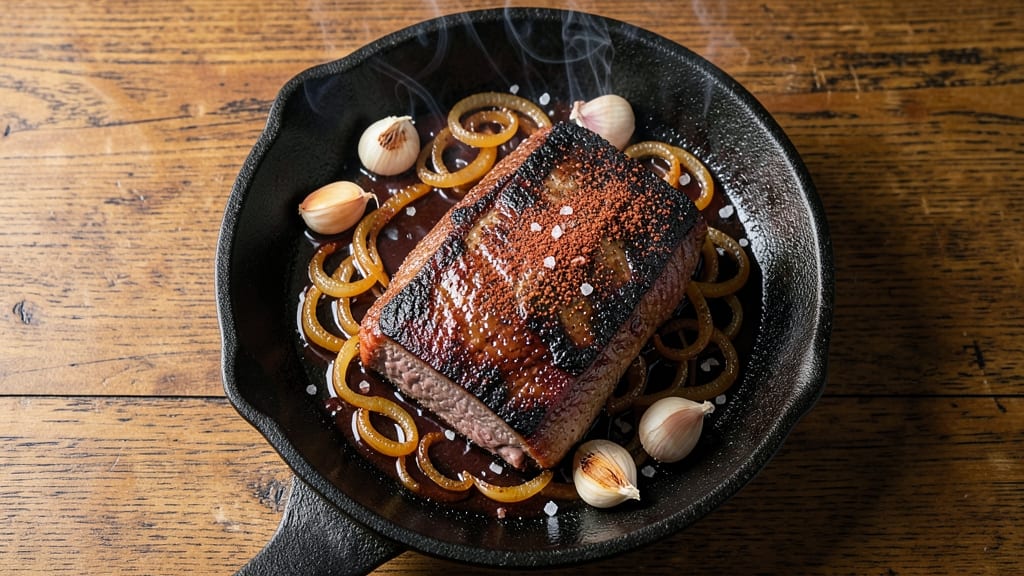
This smoked beef brisket flat recipe delivers tender, flavorful meat without the hassle of dealing with a thick fat cap. The key lies in precise trimming, a well-balanced rub, and maintaining a steady temperature throughout the smoking process.
I perfected this method after years of experimenting with different cuts and techniques—it's the one that finally gave me that perfect bark and juicy interior every time.
The beauty of working with a brisket flat is its leaner profile, which means faster cooking times and easier handling. You'll start by trimming excess fat to create that coveted crust while keeping the meat tender.
A dry rub with a mix of brown sugar, smoked paprika, and coarse salt forms a flavorful bark that locks in moisture. The smoking process at 225°F ensures even cooking, transforming tough muscle into melt-in-your-mouth perfection.
By the time you slice against the grain, you'll have perfectly tender beef with a rich, smoky flavor that pairs beautifully with classic sides like baked beans or coleslaw. The crust will be just crisp enough to add texture without overwhelming the tender interior.
This is the kind of brisket that makes your kitchen smell like a Texas BBQ joint and leaves everyone asking for seconds.
Whether you're feeding a crowd or treating yourself to a special meal, this recipe delivers restaurant-quality results with minimal effort. The key is patience—low and slow is the only way to achieve that ideal texture. Let's get started on creating your perfect smoked brisket flat.
Ingredients for smoked beef brisket flat
Six ingredients for the rub, plus a few extras to keep your brisket flat juicy and smoky.
| Ingredient | Amount | Notes |
|---|---|---|
| Beef Brisket Flat 🥩 | 4 lb | Lean cut, fat cap trimmed |
| Yellow Onion 🧅 | 1 whole | Yellow or red, sliced |
| Garlic Cloves 🧄 | 6 cloves | Fresh, peeled and minced |
| Brown Sugar 🍚 | ½ cup | Light or dark, packed |
| Smoked Paprika 🌶️ | 2 tbsp | For deep smoky flavor |
| Coarse Kosher Salt 🧂 | 1 ½ tbsp | Diamond Crystal preferred |
| Ground Black Pepper 🌶️ | 1 tbsp | Freshly ground preferred |
| Ground Cumin 🌿 | 1 tsp | Toasted for richer flavor |
| Mustard Powder 🍯 | 1 tsp | Dry yellow mustard |
| Wood Chips (Hickory or Oak) 🌳 | 1 package | Unsoaked, 100% natural |
| Apple Cider Vinegar 🍎 | 2 tbsp | For spritzing during smoke |
| Beef Stock 🥫 | 1 cup | Low sodium, for spritz |
| Yellow Mustard 🍯 | 2 tbsp | For final spritz |
| White Wine 🍷 | ½ cup | Dry, for spritz |
The brisket flat is your secret weapon—leaner than a full packer but still packed with flavor. Look for a flat with minimal fat cap (trim it down to 1/4-inch max) at Costco or your local butcher. If your store doesn't carry brisket flats, ask for a flat-cut from a brisket packer. The rub is where the magic happens: smoked paprika and brown sugar create that perfect bark, while the cumin and mustard powder add depth. I always double-check my salt—Diamond Crystal is the gold standard for dry rubs, but any coarse kosher salt works. Toast your cumin seeds in a dry pan for 30 seconds before grinding for extra flavor (trust me on this).
No smoked paprika? Sweet paprika plus a pinch of liquid smoke gets you close. Running out of beef stock? Water plus a bouillon cube works in a pinch. The vinegar, mustard, and wine spritzes sound fancy, but they're non-negotiable for keeping the bark crisp and the meat moist. Trader Joe's sells pre-mixed spritz bottles—game changer for lazy days. For the wood chips, stick with hickory or oak. Fruit woods like cherry add sweetness, but they can overpower the beef. If you're smoking near the coast, consider a water pan to help with humidity—especially in dry climates.
This brisket flat is at its best the day after smoking—let it rest overnight in the fridge. Wrap it tightly in butcher paper or foil, then seal in a zip-top bag. Keeps for 3-4 days in the fridge or 3 months frozen. I slice it against the grain into 1/4-inch strips and serve with pickles, white bread, and a cold beer. The leftovers? Perfect for sandwiches or tacos the next day. Don't skip the resting time—it's what turns good brisket into legendary brisket.
Why You'll Love This Recipe
- Foolproof Prep: I swear by this recipe—just slice the brisket flat thin, toss it with minced onion and garlic, then let the smoky paprika and brown sugar work their magic while you handle the rest of dinner.
- Sweet-Smoky Magic: That caramelized brown sugar crust? It’s the star. The paprika gives it this deep, smoky warmth, while the onions and garlic add layers of savory depth—every bite is like a hug for your taste buds.
- Game for Any Meal: Between us, I’ve served this as a sandwich filling, over mashed potatoes, or even in tacos. The flat cut cooks fast, so it’s perfect for weeknight dinners or when unexpected guests show up.
- Budget-Friendly Powerhouse: Brisket flat is leaner than a full brisket but packs just as much flavor—and it stretches further. A single pound feeds four, and leftovers reheat beautifully for sandwiches the next day. Smart. Simple. Satisfying.
Step-by-step instructions for smoked beef brisket flat
Here's how to transform a lean brisket flat into tender, flavorful perfection with a crisp crust.
Prepare and Season the Brisket Flat
Start by trimming any remaining fat from the 4 lb beef brisket flat, leaving just a thin layer for moisture. Pat the entire surface dry with paper towels—this is crucial for bark formation. In a small bowl, combine the 0.5 cup brown sugar, 2 tbsp smoked paprika, 1.5 tbsp coarse kosher salt, 1 tbsp ground black pepper, 1 tsp ground cumin, and 1 tsp mustard powder. Mix thoroughly with your fingers until you have a fine, even coating.
Generously apply the rub to all sides of the brisket, pressing firmly so it adheres well. Place the seasoned brisket on a wire rack set over a baking sheet and refrigerate uncovered for at least 4 hours, or ideally overnight. This step ensures deep flavor penetration and helps develop that coveted crust when smoked.
Set Up and Smoke the Brisket
Preheat your smoker to 225°F using the package of wood chips (hickory or oak). Let it smoke for 15 minutes to establish a steady temperature before adding the brisket. Place the brisket fat-side up on the smoker grates—this lean cut benefits from the indirect heat and smoke exposure.
Smoke the brisket undisturbed for 6 hours, maintaining the 225°F temperature. Every 90 minutes, spritz with a mixture of 2 tbsp apple cider vinegar, 1 cup beef stock, and 0.5 cup white wine. This keeps the meat moist and enhances the bark development. The brisket is ready when the internal temperature reaches 195°F and the probe slides in like butter.
Rest and Slice for Maximum Tenderness
Once the brisket reaches the target temperature, remove it from the smoker and transfer to a cutting board. Tent loosely with aluminum foil and let it rest for at least 1 hour. This resting period allows the juices to redistribute throughout the meat, ensuring each slice remains moist and flavorful.
After resting, slice the brisket against the grain into ¼-inch thick slices. The lean nature of the flat cut means it will be tender but firm—perfect for sandwiches or serving with sides. If serving immediately, you can also shred the brisket for tacos or nachos, where its tenderness will shine.
Pro Tips For Making Smoked Beef Brisket Flat
- Trim the Fat First: A brisket flat’s fat cap can burn before the meat cooks through—especially when you’re in a hurry. Use kitchen shears to slice off at least half of that top layer before smoking. You’ll save time and avoid bitter, charred edges while keeping the meat juicy.
- Caramelize Onions Low: Dumping raw onions into the rub won’t cut it. Sauté them in a dry skillet with a pinch of salt until deep golden—about 15 minutes—before mixing with garlic and brown sugar. This adds sweetness without burning, and the texture stays intact when you spread it on the meat.
- Spritz with Apple Cider: Skip the water spray bottle—it dilutes the flavor. Every 90 minutes, hit the brisket with a mix of equal parts apple cider vinegar and beef broth (about ¼ cup total). The acid tenderizes, and the broth keeps the bark crisp without steaming the meat.
- Probe the Thick End: The flat’s thin side will hit 203°F first, but the thick end near the bone often lags. Use a meat thermometer there—not the center—to avoid overcooking. If it’s still tough, wrap it in butcher paper and let it rest another 30 minutes.
Pro cooking tips for smoked beef brisket flat
Precision Trimming
The brisket flat's lean nature means every inch of fat matters. Trim excess fat down to just a ¼-inch layer—any thicker risks burning before the meat cooks through. I use a sharp fillet knife and work slowly, keeping the knife at a 15-degree angle to avoid tearing the meat.
The goal is to expose as much surface area as possible for that perfect crust while preserving moisture. 🔪
Temperature Control
Your smoker's thermometer is your best friend—225°F is non-negotiable for this cut. I've learned the hard way that even 5°F swings can ruin hours of work. Use a dual-probe thermometer like the Meater to monitor both the smoker and internal temp simultaneously.
For pellet smokers, set the target to 220°F—they run hotter than they read. 🌡️
Spritz Like a Pro
Every 90 minutes, spritz your brisket with equal parts apple cider vinegar, beef stock, and white wine. The acidity in the vinegar helps break down collagen while the wine adds depth.
I use a spray bottle with a fine mist setting to avoid soaking the rub. Pro tip: Keep your spritz mixture in a thermos near the smoker to maintain temperature. 💦
The Texas Crutch
When your brisket hits 165°F (usually after 4-5 hours), it's time for the wrap. I use pink butcher paper because it breathes better than foil. Wrap tightly, then return to the smoker until it hits 195°F.
This technique cuts 1-2 hours off cook time by pushing through the stall. Just don't overdo it—wrap too early and you'll steam instead of smoke. 🎯
Resting Protocol
After removing from the smoker, tent your brisket with foil and rest for at least 1 hour. I often let mine rest 2 hours in a 200°F oven wrapped in a towel—this keeps it warm while juices redistribute.
The first time I skipped this, my brisket was dry as a bone. Patience here makes all the difference. ⏳
Slicing Against Grain
The grain in brisket flat runs diagonally—rotate your cutting board mid-slice to follow it perfectly. Use a sharp slicing knife (I prefer Dexter-Russell) and cut ¼-inch thick slices perpendicular to the grain.
For sandwiches, slice slightly thicker (½-inch) to hold up to the bread. The lean nature of this cut means it'll be tender but still hold its shape beautifully. 🗡️
Nutrition facts
Frequently asked questions
Why does the recipe specify trimming the fat cap so thin?
The brisket flat's lean nature means any excess fat can burn before the meat cooks through. A ¼-inch fat cap provides just enough moisture without risking flare-ups. Plus, the thin layer helps create that perfect bark while keeping the interior tender.
Can I substitute hickory or oak wood chips with fruit woods?
While fruit woods like cherry or pecan add sweetness, they can overpower the beef's natural flavor. Stick with hickory or oak for a classic smoky profile. If you want to experiment, use fruit woods for only 20-30% of the cook time to balance the flavors.
How do I know when the brisket is done?
The brisket is ready when it reaches an internal temperature of 195°F and the probe slides in like butter. The bark should be dark and crispy, while the meat should pull apart easily with a fork. Don't rely on time alone—always use a meat thermometer!
What’s the best way to serve leftover brisket?
Leftover brisket flat shines in sandwiches, tacos, or nachos. Slice against the grain and pile it high on toasted bread with pickles and mustard. For tacos, shred the meat and serve with lime, cilantro, and a drizzle of chipotle mayo. Store leftovers wrapped tightly in butcher paper for up to 4 days.
Can I use a pellet grill instead of a traditional smoker?
Pellet grills work great, but set the target temperature to 220°F—they run hotter than they read. Monitor the smoke levels closely; if it gets too thick, open the lid slightly to let it clear. The key is maintaining that steady 225°F low-and-slow environment.