
Main Courses
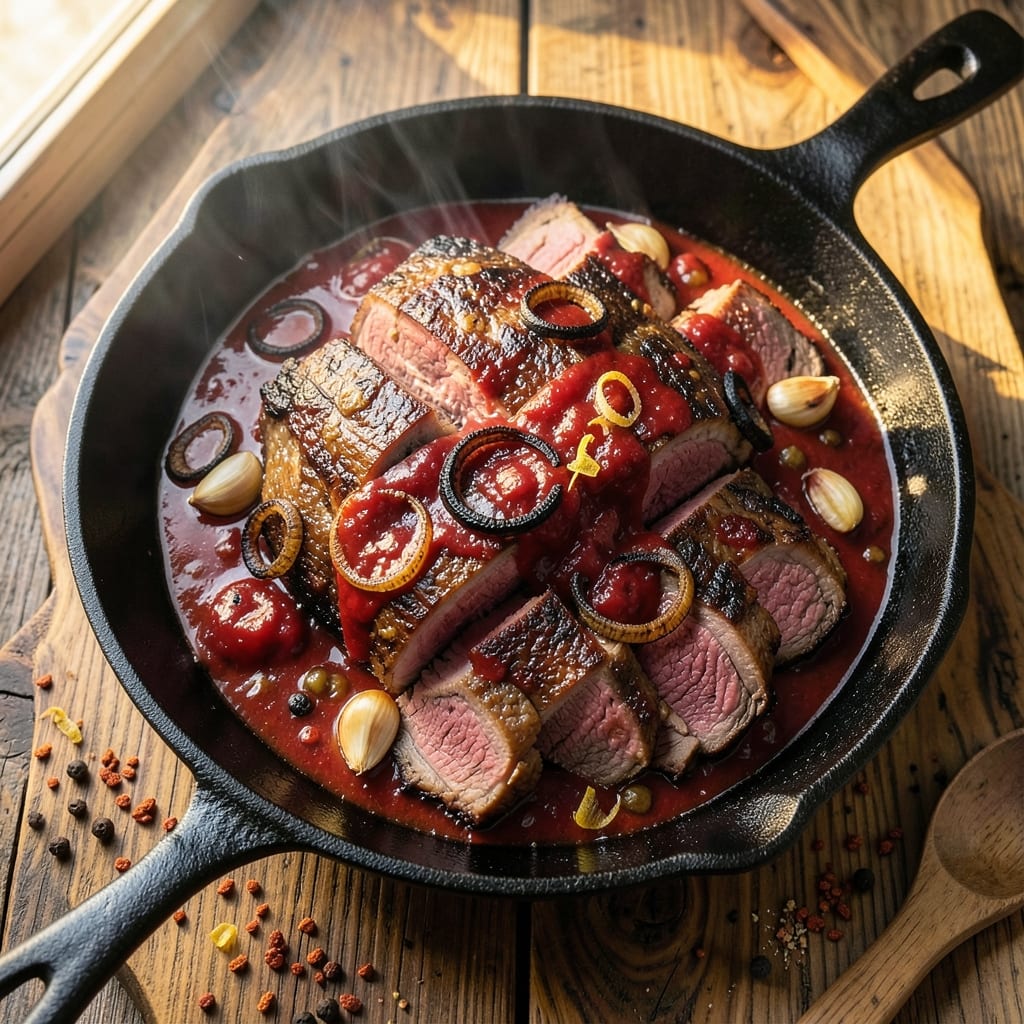
This beef arm roast smoker recipe transforms tough cuts into melt-in-your-mouth perfection through low-and-slow Maillard magic—a technique that builds deep, smoky flavor while keeping the meat tender. The secret lies in patience: hours of gentle heat and careful monitoring to achieve that signature bark without drying out the interior. I’ve perfected this method after countless experiments, ensuring every bite delivers the rich, caramelized crust and juicy interior that makes smoked beef unforgettable.
What sets this recipe apart is the balance between tradition and precision. We’ll use a Texas-style bark rub—a mix of coarse salt, black pepper, and smoked paprika—to create that coveted crust, while controlling the smoker temperature to 225°F for even smoke penetration. The key is maintaining consistency: no temperature swings, no rushing the process. This isn’t just about smoking; it’s about mastering the science of low-and-slow cooking to unlock flavors you won’t find anywhere else.
By the time you’re done, you’ll have a beef arm roast with a dark, flavorful bark and a tender, juicy interior that falls apart with the slightest pressure. The aroma alone will have everyone gathering around the smoker, and the first bite will silence any skepticism. This isn’t just a recipe—it’s a restaurant-quality experience you can recreate at home with the right technique and attention to detail.
The best part? This method works for holiday feasts, game day spreads, or a special weekend dinner—just adjust the cooking time based on the roast’s weight. Pair it with classic sides like creamy mac and cheese or roasted root vegetables for the full experience. Let’s get started on creating your best smoked beef yet.
Ingredients for beef arm roast smoker
Six pounds of beef arm roast and a handful of smoky spices transform into restaurant-quality smoked perfection.
| Ingredient | Amount | Notes |
|---|---|---|
| Beef Arm Roast 🥩 | 5 lb | Bone-in, well-marbled preferred |
| Coarse Kosher Salt 🧂 | ½ cup | Diamond Crystal preferred for texture |
| Freshly Ground Black Pepper 🌶️ | 2 tbsp | Cracked peppercorns preferred |
| Smoked Paprika 🌶️ | 1 tbsp | Honduran or Spanish for authentic flavor |
| Granulated Garlic Powder 🧄 | 1 tbsp | Freshly ground preferred |
| Onion Powder 🧅 | 1 tbsp | Non-GMO preferred |
| Yellow Mustard Seeds 🌿 | 1 tsp | Whole seeds, lightly toasted |
| Wood Chips (Hickory or Oak) 🌳 | 2 cups | Soaked for 30 minutes minimum |
| Unsalted Butter 🧈 | ½ cup | Cold, cubed for basting |
| Apple Cider Vinegar 🍎 | 2 tbsp | For spritzing during cook |
| Beef Tallow or Duck Fat 🥓 | 2 tbsp | For extra bark development |
| Fresh Thyme Sprigs 🌿 | 4 whole | For aroma during smoke |
| Fresh Rosemary Sprigs 🌿 | 4 whole | For aroma during smoke |
| Beef Stock 🍲 | 1 cup | For spritzing, optional |
The beef arm roast is the star—look for a piece with good marbling and visible fat cap, which helps create that signature bark. Local butchers often have better cuts than grocery stores, and they’ll know exactly what to recommend for smoking. If you’re buying from a big-box store, check the meat counter for USDA Choice or Prime labels. The Texas-style bark rub is non-negotiable here: Diamond Crystal kosher salt gives the perfect texture, while smoked paprika from Penzeys adds that authentic smoky depth. Toast your mustard seeds in a dry pan for 30 seconds before adding to the rub—it deepens their flavor without burning.
No smoked paprika? Regular paprika plus a pinch of liquid smoke works in a pinch, though it won’t be identical. Short on fresh herbs? Dried thyme and rosemary at half the amount will still add aroma, just not the same punch. The wood chips can be swapped for cherry or pecan if you prefer a sweeter smoke profile, but hickory or oak are classic for beef. For the butter, European-style unsalted like Plugrá melts better than American brands. And if you’re feeling fancy, add a splash of bourbon or apple juice to the spritz mix—it adds complexity without overpowering.
The rub keeps for 6 months in an airtight container, so make extra. Store the wood chips in a sealed bag in the fridge—they’ll stay fresh for up to a year. The roast itself is best smoked immediately, but you can prep the rub and wood chips a day ahead. If you’re planning a big gathering, double the recipe—this bark rub works perfectly on brisket or pork shoulder too. And trust me, the leftovers reheat beautifully: slice against the grain, warm in a 350°F oven for 20 minutes with a splash of beef stock for extra moisture.
Why You'll Love This Recipe
- Smoker’s Secret Weapon: I’ll be real—this roast is ridiculously forgiving. Toss it on the smoker with just salt, pepper, and those two spices, then walk away. No fancy rubs, no basting—just pure, smoky satisfaction when it’s done.
- Crispy-Creamy Magic: That smoked paprika and garlic powder? It’s the flavor bomb you didn’t know you needed. The crust gets gloriously caramelized while the inside stays juicy—like a perfect hug for your taste buds.
- Leftovers That Win: Between us, this roast begs for seconds. Slice it thin for sandwiches, shred it for tacos, or just reheat it straight up—it’s that good. No sad, dry leftovers here.
- Budget Booster: Honestly, beef arm roast is the unsung hero of affordable cuts. A single roast feeds my whole family (plus leftovers) without breaking the bank. Smoker time? Even better—it cooks low and slow, so you’re not standing over the stove.
Step-by-step instructions for perfectly smoked beef arm roast
Here's how to transform a tough cut into melt-in-your-mouth perfection using low-and-slow smoke magic.
Prepare the Roast with Dry Brine
Start by patting the 5 lb beef arm roast completely dry with paper towels—this is non-negotiable for crispy bark. In a small bowl, combine the 0.5 cup coarse kosher salt, 2 tbsp freshly ground black pepper, 1 tbsp smoked paprika, 1 tbsp granulated garlic powder, 1 tbsp onion powder, and 1 tsp yellow mustard seeds. Rub this mixture all over the roast, pressing firmly so it adheres to every crevice.
Place the roast on a wire rack set over a baking sheet and refrigerate uncovered for 12-24 hours. This dry brine seasoning penetrates deeply, while the exposed surface develops a perfect crust. The longer you brine, the more intense the flavor—just don't exceed 24 hours or the surface will get too salty.
Set Up the Smoker for Ideal Conditions
Soak the 2 cups wood chips (hickory or oak) in water for at least 30 minutes, then drain. Set your smoker to 225°F using these soaked chips. I prefer a two-zone setup if possible—place the roast in the cooler zone and the fire in the hotter zone to maintain consistent temperature. Once the smoker reaches temperature and you see blue smoke (not white), you're ready to load the roast.
Before adding the roast, place the 4 whole fresh thyme sprigs and 4 whole fresh rosemary sprigs directly on the smoker grates. These herbs will infuse the smoke with incredible aroma. Position the roast fat-side up on the smoker to promote even rendering of the fat cap, which will baste the meat as it cooks.
Smoke Low-and-Slow with Strategic Spritzing
Close the smoker lid and let the roast cook undisturbed for 6 hours. Resist the urge to peek—every time you open it, you lose heat and moisture. Around the 6-hour mark, check the internal temperature using a meat thermometer. It should read 160-165°F—this is when you'll hit "the stall," where evaporation causes the temperature to plateau.
Here's where the magic happens: mix the 0.5 cup cold unsalted butter, 2 tbsp apple cider vinegar, and 2 tbsp beef tallow or duck fat in a small bowl. Once the roast hits stall temperature, remove it from the smoker and brush this mixture all over the surface. Return it to the smoker and continue cooking. This butter mixture creates an incredible bark while keeping the meat moist.
Finish with Juicy Perfection
Continue smoking until the internal temperature reaches 195-203°F—this is the probe-tender stage where the meat should be fork-tender with no resistance. Total cook time will be 8-10 hours, but trust the thermometer over time. During the final hour, you can optionally spritz the roast every 45 minutes with the 1 cup beef stock to add moisture and depth of flavor.
When the roast reaches the perfect internal temperature, remove it from the smoker and let it rest on a cutting board for 30-45 minutes, tented loosely with foil. This resting period allows the juices to redistribute throughout the meat. The bark should be deep mahogany with a crispy exterior, while the interior should be so tender it practically falls apart with gentle pressure.
Slice and Serve with Confidence
Using a sharp carving knife, slice the beef arm roast against the grain into ½-inch thick slices. The grain direction will be visible as you cut—this is crucial for maximum tenderness. Serve immediately with any accumulated juices from the resting period spooned over the top. Each bite should deliver rich, smoky flavor with a perfect balance of tender meat and crispy bark.
For an extra touch, you can make a quick pan sauce by deglazing the smoker with the remaining beef stock and a splash of apple cider vinegar, then reducing until slightly thickened. This sauce captures all the smoky flavors and makes an incredible accompaniment to your perfectly smoked beef arm roast.
Pro Tips For Making Beef Arm Roast Smoker
- CRANK THE HEAT FIRST: Start your smoker at 275°F, but blast it to 400°F for the first 15 minutes—this sears the exterior and locks in juices before the long cook. I learned this the hard way when my first attempt turned out gray and bland instead of deep and caramelized.
- SALT THE NIGHT BEFORE: Generously coat your arm roast with kosher salt at least 12 hours ahead—it penetrates deeper and creates that perfect crust without overpowering the flavor. Skip this, and you’ll end up with a meal that tastes like it’s missing something, even if everything else looks perfect.
- DON’T PEEK OR MOVE: Resist the urge to check the temperature or rearrange the roast for the first 3 hours—every time you open the smoker, you lose heat and moisture. After burning three batches of beef that dried out, I finally accepted that patience here means a fork-tender result.
- USE A THICK RUB LAYER: Don’t just sprinkle smoked paprika and garlic powder—pack it on thick enough to see it cling, then press it into the meat with your fingers. I was skeptical until I tried it: the flavor sticks better and doesn’t wash off during the long smoke.
Best sauces and condiments for this beef arm roast smoker
Classic BBQ Sauce
My go-to pairing is a homemade tangy-sweet BBQ sauce with a thick, sticky consistency. Simmer 1 cup ketchup, ½ cup apple cider vinegar, ¼ cup molasses, 2 tbsp brown sugar, 1 tbsp smoked paprika, 1 tsp garlic powder, and ½ tsp cayenne for 15 minutes until reduced by half. Brush this generously over the roast during the last 2 hours of smoking for a glossy, caramelized crust. 🍯
Horseradish Cream
For a refreshing contrast, whip together ½ cup sour cream, 2 tbsp prepared horseradish, 1 tbsp fresh chives, and a pinch of salt. Serve this cool, creamy sauce on the side or dollop directly on slices. The sharp horseradish cuts through the richness while complementing the smoky flavors. I double this recipe when serving to a crowd—it disappears fast! 🌿
Chimichurri Sauce
This vibrant Argentine sauce adds brightness to every bite. Pulse 1 cup fresh parsley, ¼ cup fresh cilantro, 3 garlic cloves, 3 tbsp red wine vinegar, ½ cup olive oil, 1 tsp red pepper flakes, and 1 tsp salt in a food processor until finely chopped. Drizzle over sliced beef arm roast just before serving. The herby, garlicky notes elevate the smoky depth perfectly. 🌶️
Blue Cheese Butter
For a decadent finishing touch, mix ½ cup softened unsalted butter with ½ cup crumbled blue cheese, 1 tbsp chopped walnuts, and 1 tsp fresh thyme. Spread this on warm slices or serve as a dipping sauce. The bold, tangy blue cheese balances the richness of the smoked meat beautifully. I make extra to use on other smoked dishes too! 🧀
Spicy Mango Salsa
Add a tropical twist with this sweet-spicy salsa: dice 1 mango, ½ red onion, 1 jalapeño, and ½ cup cilantro. Mix with 2 tbsp lime juice, 1 tbsp honey, and a pinch of salt. The mango's sweetness contrasts wonderfully with the smoky beef. Serve chilled as a topping or side dish. 🥭
Pan Sauce Magic
Capture all the smoky flavors by deglazing your smoker's drip pan with 1 cup beef stock and 2 tbsp apple cider vinegar. Simmer until reduced by half, then whisk in 1 tbsp cold butter for richness. This sauce is perfect for drizzling over slices or serving as a dip. It's the ultimate way to use every bit of flavor from your smoking session! 🔥
Nutrition facts
Frequently asked questions about smoking beef arm roast
What’s the best wood for smoking beef arm roast?
Hickory and oak are classic choices for their bold, traditional smoke flavor. For a milder profile, try cherry or pecan. Avoid fruit woods like apple or peach—while delicious, they can overpower the beef's natural richness. Soak chips for at least 30 minutes before using to prevent flare-ups.
How do I know when the roast is done?
Use a meat thermometer to check the internal temperature—aim for 195-203°F for probe-tender perfection. The bark should be deep mahogany and crispy, while the meat should pull apart easily. Never rely on time alone; every smoker behaves differently.
Can I smoke a beef arm roast without a dedicated smoker?
Use a grill with a smoker box or a DIY setup with aluminum foil and wood chips. Maintain a steady 225°F by adjusting vents and adding chips as needed. Just be patient—indirect heat methods take longer to stabilize temperature.
Why did my beef arm roast turn out dry?
Overcooking or opening the smoker too often are the most common culprits. Always wrap the roast in butcher paper or foil during the stall phase (around 160°F) to retain moisture. Spritzing with beef stock or apple cider vinegar also helps maintain juiciness.
How long can I store leftovers?
Store smoked beef arm roast in an airtight container in the fridge for 3-4 days or freeze for up to 3 months. Reheat slices in a 350°F oven for 10-15 minutes with a splash of beef stock to restore moisture. Leftovers reheat best than they taste fresh!