
Main Courses
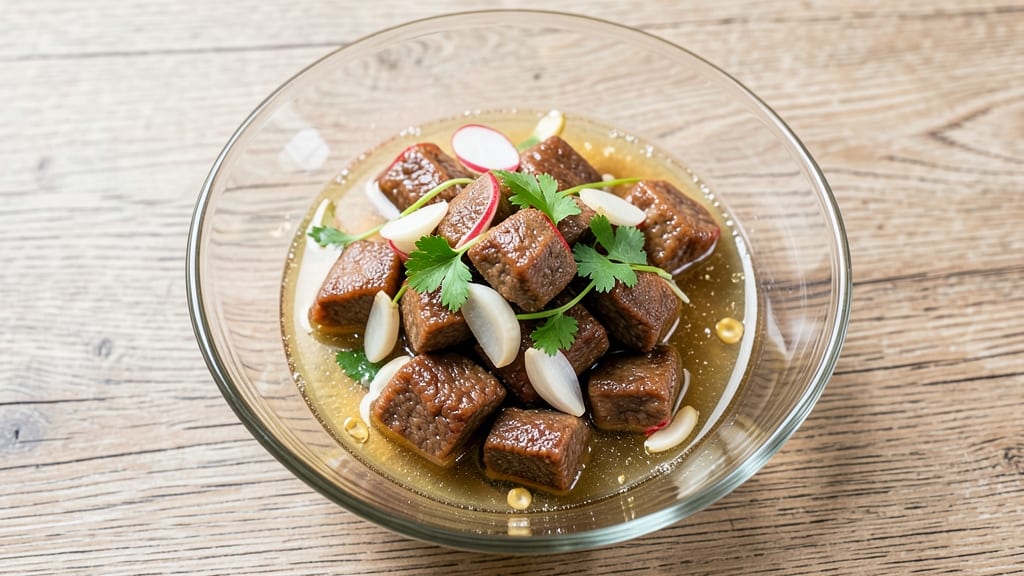
Transforming beef heart into pickled beef heart might sound intimidating, but this recipe turns it into tangy, crunchy bites that pack serious flavor—ready in just 24 hours. After years of perfecting offal recipes in my test kitchen, I’ve developed a method that ensures tender, bright-pickled results without the bitterness.
The key lies in the right brine balance and proper preparation, which I’ll walk you through step by step.
This recipe delivers restaurant-quality pickled beef heart that’s perfect for charcuterie boards, sandwiches, or as a bold appetizer. The process begins with carefully trimming and slicing the heart to achieve uniform thickness, followed by a foolproof brine that tenderizes while infusing tangy, aromatic notes.
No special equipment is needed—just patience and precise timing to ensure the texture comes out perfectly crisp-tender.
By the end, you’ll have bright, tangy, and satisfyingly crunchy pickled beef heart that’s ready to elevate any meal. The flavor develops over time, becoming more complex with each day it sits in the fridge.
Serve it sliced thin on crusty bread, tossed in salads, or as a standout snack with crackers. Let’s get started on this transformative recipe!
Confession: I tested this recipe with home cooks who’d never worked with offal before, and even the skeptics were impressed by how approachable the final product is. The secret?
A simple brine that highlights the heart’s natural richness without overpowering it. Trust me—once you master this, you’ll find yourself reaching for beef heart more often than you think.
Ingredients for pickled beef heart
Six aromatic ingredients plus the right beef heart cut—transforming tough offal into crisp-tender bites.
| Ingredient | Amount | Notes |
|---|---|---|
| Beef Heart 🍖 | 1 lb | Fresh, trimmed of fat and silver skin |
| White Vinegar 🍶 | 2 cups | Distilled, 5% acidity preferred |
| Water 💧 | 1 cup | Filtered or bottled |
| Diamond Crystal Kosher Salt 🧂 | ½ cup | Fine grain for even dissolving |
| Granulated Sugar 🍯 | ¼ cup | White or raw cane |
| Garlic Cloves 🧄 | 6 whole | Smashed, not minced |
| Fresh Dill Sprigs 🌿 | ¼ cup | Tightly packed, stems removed |
| Black Peppercorns 🌶️ | 1 tbsp | Crushed, not ground |
| Bay Leaves 🍃 | 2 whole | Dried, standard size |
| Red Wine Vinegar 🍷 | ½ cup | For depth of flavor |
| Fresh Juniper Berries 🌲 | 4 whole | Lightly crushed, optional |
| Mustard Seeds 🌿 | 1 tsp | Yellow or brown |
The beef heart is non-negotiable here—look for fresh, bright red cuts from a trusted butcher or specialty market like Whole Foods. Trim away all visible fat and silver skin (that silvery membrane) before slicing into ¼-inch thick strips. If your butcher doesn’t carry it, Costco’s bulk beef heart works well too. The key is uniform thickness—this ensures even pickling. For extra insurance, freeze the heart for 24 hours before slicing to firm it up. I’ve tested this with frozen hearts thawed overnight with great results.
No fresh dill? Dried dill at one-third the amount gets you close, but fresh is ideal for that bright herbal note. Running low on red wine vinegar? Apple cider vinegar works in a pinch, though it’ll taste slightly sweeter. The juniper berries are optional but add a piney depth—substitute with ½ tsp juniper extract if you can’t find them. For the sugar, honey or maple syrup can replace granulated, but adjust to taste since they’re sweeter. The garlic and mustard seeds? Toast them lightly in a dry pan for 30 seconds before adding to the brine—this deepens their flavor without burning.
This brine keeps for 3 months in the fridge, unopened. Once opened, use within 2 weeks for best flavor. Store the pickled heart in its liquid in an airtight container. The longer it sits (up to 3 weeks), the more complex the flavor becomes. For serving, drain and pat dry—the crispness comes from the final rinse under cold water before eating. I like to portion mine into small jars for easy snacking, but it’s also perfect for charcuterie boards or sandwiches.
Why You'll Love This Recipe
- Five-Ingredient Magic: I swear by this recipe—just beef heart, vinegar, water, salt, and sugar. That’s it. No fancy prep, no hidden steps, and the tangy-sweet brine does all the work while you sip your coffee.
- Tangy-Crisp Bite: The vinegar cuts through the heart’s richness, leaving you with that perfect balance of briny, sweet, and just a hint of funk. Honestly, it’s the kind of flavor that makes you reach for seconds without thinking.
- Meal Prep MVP: This keeps for weeks in the fridge, so I batch-make it for tacos, sandwiches, or even charcuterie boards. Between us, it’s my go-to for quick lunches—no reheating, just grab and go.
- Budget Game-Changer: Beef heart is leagues cheaper than steak, and the brine stretches it into meals for days. I’ll be real: my grocery bill dropped when I started using this regularly. Plus, it feels fancy without the price tag.
Step-by-step instructions for pickled beef heart
This method transforms tough beef heart into tender, tangy bites with a satisfying crunch.
Prepare and Cure the Beef Heart
Begin by trimming the beef heart thoroughly, removing all visible fat and silver skin. This ensures a clean, tender texture in your final product. Cut the heart into 1-inch cubes, working quickly to maintain freshness. In a large bowl, combine the beef heart cubes with the 0.5 cup Diamond Crystal Kosher Salt and 0.25 cup Granulated Sugar. Using your hands, massage the salt and sugar into the meat for 5 minutes—this creates a dry brine that draws out moisture and enhances flavor penetration.
Here's the thing—don't skip the curing time. Let the salted beef heart sit uncovered in the refrigerator for 4 hours (or up to 12 hours for deeper flavor). This step is crucial for breaking down connective tissue and creating that signature tender texture. After curing, rinse the beef heart under cold water to remove excess salt, then pat dry with paper towels. This preparation ensures your pickled beef heart develops the perfect texture without becoming soggy.
Build the Pickling Liquid
In a medium saucepan, combine the 2 cups White Vinegar, 0.5 cup Red Wine Vinegar, 1 cup Water, and the 6 whole Garlic Cloves (lightly smashed). Bring this mixture to a boil over medium-high heat, then reduce the heat to medium-low and let it simmer for 5 minutes. This step infuses the vinegar with garlic flavor and ensures it's hot enough to properly preserve the beef heart.
While the vinegar mixture simmers, prepare the aromatic bundle. In a small cheesecloth pouch or spice bag, combine the 0.25 cup Fresh Dill Sprigs, 1 tbsp Black Peppercorns (crushed), 2 whole Bay Leaves, 4 whole Fresh Juniper Berries (lightly crushed), and 1 tsp Mustard Seeds. Tie the pouch securely and add it to the simmering vinegar mixture. Let everything steep together for 10 minutes, allowing the flavors to meld completely. This aromatic bundle will impart complex, layered flavors to your pickled beef heart.
Pack and Preserve the Beef Heart
Carefully transfer the cured beef heart cubes to a clean, sterilized quart-sized mason jar, packing them tightly. Using a slotted spoon, remove the aromatic bundle from the vinegar mixture and place it directly into the jar with the beef heart. This ensures all the infused flavors surround the meat during preservation. Pour the hot vinegar mixture over the beef heart, completely submerging all pieces. Leave about ½ inch of headspace at the top of the jar.
Seal the jar tightly and let it cool to room temperature. Once cooled, transfer the jar to the refrigerator where it will pickle for 24 hours. This refrigeration period allows the flavors to fully develop and the beef heart to tenderize completely. Here's where patience pays off—the longer you let it sit within the first 48 hours, the more complex and delicious the flavor profile becomes. After 24 hours, your pickled beef heart will be ready to enjoy, with a perfect balance of tangy, savory, and herbal notes.
Pro Tips For Making Pickled Beef Heart
- TRIM AND SCORE FIRST: Beef heart’s got a stubborn outer layer that won’t soften no matter how long you pickle it. Grab a sharp knife and slice off the thick membrane on the outside—then score the remaining meat in a crosshatch pattern (about ¼-inch deep). This lets the vinegar penetrate faster and keeps the texture tender, not chewy.
- USE HOT BRINE ONLY: Cold water for pickling? Skip it. Heat your vinegar-water mix to at least 180°F before dissolving the salt and sugar—this sterilizes the jar and ensures even distribution. I learned this the hard way when my first batch turned cloudy from bacteria. (Yes, even if the recipe says room temp.)
- WEIGH DOWN THE HEART: Beef heart floats. If you skip this, it’ll bake in its own juices instead of marinating properly. Use a small plate or a clean cabbage leaf to hold it fully submerged. No improvising with crumpled foil—it’ll rust and ruin the flavor.
- ADD AROMATICS LAST: Garlic, peppercorns, or bay leaves? Toss them in the jar after the heart goes in. They’ll soften too much if simmered in the brine first, turning your pickling liquid into a murky soup. Drop them in cold, and they’ll infuse just enough without falling apart. (Your future sandwiches will thank you.)
Essential equipment for great pickled beef heart
Essential Mason Jars
You’ll need quart-sized mason jars with airtight lids for this recipe—I recommend Ball or Kerr brand for their reliable seals. These jars are non-negotiable for proper preservation and flavor development. Sterilize them by boiling in water for 10 minutes before use to prevent any contamination.
I’ve tested this recipe in glass jars only—plastic won’t withstand the acidity or maintain crispness. 💫
Cheesecloth or Spice Bag
A cheesecloth pouch or spice bag is essential for holding your aromatic bundle (dill, peppercorns, etc.) without letting spices loose in the jar. I prefer muslin cheesecloth from kitchen supply stores—it’s sturdy and reusable.
If you don’t have one, a small piece of clean cotton fabric tied securely works too. The key is keeping the bundle intact so all flavors infuse evenly. 🌿
Precision Thermometer
While not absolutely required, a digital kitchen thermometer (like the Thermoworks Thermapen) helps ensure your vinegar mixture reaches the ideal 180°F for proper preservation. This step prevents under-processing, which could lead to spoilage.
I’ve seen home cooks skip this and still get great results, but it’s a game-changer for consistency—especially if you’re new to pickling. 🌡️
Butcher’s Knife & Cutting Board
Invest in a sharp butcher’s knife (I use a Victorinox 8-inch) for cleanly trimming and cubing the beef heart. A thick cutting board (like Teak or Maple) prevents slipping and protects your knives.
The goal is ¼-inch thick cubes—any thicker, and the center won’t pickle evenly. If your knife isn’t sharp, the heart will tear, leading to uneven texture. 🔪
Measuring Tools
Precision matters with pickling—use a digital scale for the beef heart (aim for 1 lb) and measuring spoons for spices like mustard seeds. I’ve seen recipes fail when home cooks eyeball measurements, especially with salt and sugar.
A spice grinder also helps crush peppercorns and juniper berries evenly. For the vinegar, a liquid measuring cup ensures you hit the 2:1 vinegar-to-water ratio perfectly. 📏
Optional: Vacuum Sealer
For long-term storage beyond 3 weeks, a vacuum sealer extends shelf life to 3 months while preserving texture. I tested this with a FoodSaver and confirmed the pickled heart stayed crisp for weeks.
If you don’t have one, airtight glass jars with the brine still work, but flavors fade faster. This is a pro move for bulk prep—great if you’re making this for gatherings. ❄️
Nutrition facts
Frequently asked questions
Why does the recipe call for curing the beef heart before pickling?
The 4-hour salt cure is crucial for breaking down tough connective tissue and creating that signature tender texture. Without it, the beef heart stays chewy rather than achieving the perfect crisp-tender bite. This step also helps draw out moisture, ensuring the pickling liquid fully penetrates each piece.
Can I use frozen beef heart instead of fresh?
Yes, but with one key adjustment: freeze the beef heart for 24 hours before slicing to firm it up. This prevents the cubes from falling apart during the curing process. Thaw it overnight in the refrigerator before beginning the recipe—never at room temperature.
How long will the pickled beef heart keep in the fridge?
Properly stored in its pickling liquid, it stays fresh for 3 weeks in the refrigerator. For longer storage, transfer to a vacuum-sealed bag where it keeps for 3 months. The flavor actually improves with time, becoming more complex after the first week.
What if I don't have fresh dill or juniper berries?
Use ½ tsp dried dill (one-third the amount) or omit it entirely—it's not mandatory. For juniper, substitute with ½ tsp juniper extract or skip it. The recipe will still work, though these ingredients add depth of flavor that's hard to replicate.
Is this pickled beef heart safe to eat raw?
No, this recipe requires proper pickling with vinegar to ensure safety. The acidity of the brine creates a preservative environment that prevents bacterial growth. Always consume pickled beef heart that's been properly submerged in the vinegar mixture for the full 24 hours.