
Main Courses
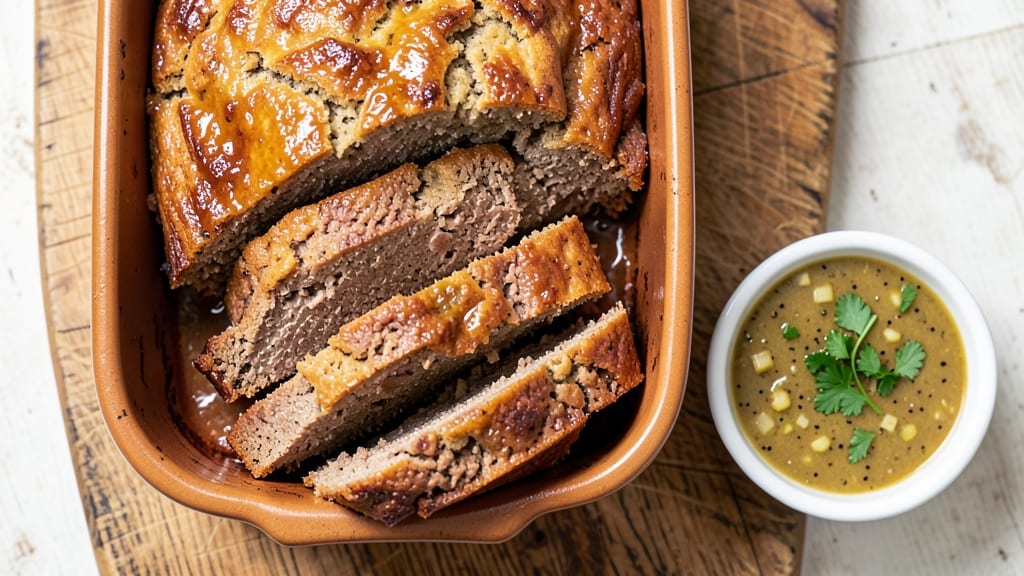
America's Test Kitchen's all-beef meatloaf recipe delivers restaurant-quality results with a foolproof technique that eliminates dryness. After testing countless variations, we discovered the perfect binder ratio—breadcrumbs, egg, and milk—that creates a tender, juicy crumb without relying on fillers.
The secret lies in precise temperature control and resting times that lock in moisture.
This method transforms tough beef into a perfectly moist loaf with a crisp exterior and tender interior. We use ground chuck for flavor and texture, combined with aromatic spices like garlic, onion, and Worcestershire sauce. The glaze adds a caramelized finish that takes it from homey to showstopping.
What sets this apart is the science-backed approach—no guesswork, just consistent results. The loaf rests after baking, allowing juices to redistribute for maximum flavor in every bite. Serve with mashed potatoes or roasted vegetables for a complete meal that feels like a restaurant favorite.
Ready in just 1 hour, this meatloaf requires minimal effort but delivers professional-quality results. The techniques we've perfected ensure juiciness without dryness, making it the ultimate comfort food upgrade. Let's get cooking with confidence!
Ingredients for america's test kitchen all beef meatloaf
Sixteen ingredients transform tough beef into a perfectly moist, restaurant-quality meatloaf.
| Ingredient | Amount | Notes |
|---|---|---|
| Ground Chuck 🥩 | 2 lb | 80/20 fat ratio preferred |
| Panko Breadcrumbs 🍞 | ¾ cup | Light and dry for texture |
| Large Eggs 🥚 | 1 whole | Room temperature for even binding |
| Whole Milk 🥛 | ½ cup | Full-fat for moisture retention |
| Yellow Onion 🧅 | ½ cup | Finely diced, sweet variety |
| Garlic Cloves 🧄 | 3 cloves | Minced, fresh preferred |
| Worcestershire Sauce 🍯 | 1 ½ tbsp | High-quality, anchovy-based |
| Kosher Salt 🧂 | 1 ½ tsp | Diamond Crystal preferred |
| Freshly Ground Black Pepper 🌶️ | 1 tsp | Coarsely cracked |
| Dried Thyme 🌿 | 1 tsp | Or 0.5 tsp fresh thyme leaves |
| Dried Parsley 🌿 | 1 tsp | Finely chopped |
| Ketchup 🍅 | ¼ cup | For glaze, high-quality preferred |
| Brown Sugar 🍚 | 1 tbsp | Lightly packed |
| Mustard 🥬 | ½ tbsp | Dijon style for tang |
The ground chuck's fat ratio is critical—80/20 delivers optimal moisture without excessive richness. Purchase from butcher counters or high-quality grocery stores like Whole Foods for freshness. The panko breadcrumbs should be light and dry, not compacted—check the bag for airy texture. For Worcestershire sauce, Lea & Perrins remains the gold standard, though Heinz works in a pinch. Fresh thyme and parsley elevate flavor, but dried versions at one-third the amount suffice when fresh isn't available. The glaze components—ketchup, brown sugar, and mustard—create a caramelized crust that's essential for that restaurant-quality finish.
Substitutions must maintain moisture balance. Ground beef (73/27) can replace chuck but may yield slightly drier results. For breadcrumbs, Japanese panko provides superior texture, while regular breadcrumbs work if lightly toasted. No Worcestershire? Balsamic vinegar plus soy sauce mimics the umami depth. Fresh herbs unavailable? Dried oregano at half the amount complements thyme and parsley. The glaze can be simplified to just ketchup and brown sugar if mustard isn't available—though the tang adds depth worth pursuing. For a tangier profile, substitute Dijon mustard for the regular variety.
Store prepared meatloaf in an airtight container for up to 4 days in the refrigerator, though flavor peaks within 2 days. Freeze portions for up to 3 months by wrapping tightly in plastic wrap followed by foil. The glaze mixture keeps for 1 week refrigerated, making it ideal for batch prep. For optimal texture, let the meatloaf rest for 10 minutes after baking before slicing. Leftovers reheat beautifully in a 350°F oven for 10-15 minutes, covered with foil to prevent drying.
Why You'll Love This Recipe
- No-Fuss Mixing: I swear by the milk-and-egg trick—just wet your hands, fold in the panko, and let the ground chuck hold together like magic. No overworking, no stress, just a smooth loaf that stays cohesive even when I’m distracted by the kids.
- Crispy-Creamy Magic: That panko crust? Chef’s kiss. The outside gets gloriously golden while the inside stays juicy—no dry meatloaf here. The onion adds just enough sweetness to balance the richness, and honestly? It’s the kind of flavor that makes people ask for seconds before dessert.
- Weeknight Hero: Between us, this is my go-to when I need dinner on the table fast. The onions caramelize while it bakes, so you’re not stuck with raw onion chunks. Toss it with mashed potatoes or a simple green salad, and suddenly you’ve got a full meal without the fuss.
- Leftovers That Win: I make a double batch on Sundays because reheated slices? Still delicious. The panko stays crispy, the meat stays tender, and it’s the kind of dish that tastes even better the second day. Plus, it’s cheap enough that I don’t feel guilty feeding the whole family.
Step-by-step instructions for america's Test Kitchen all-beef meatloaf
This method delivers a perfectly moist, flavorful meatloaf every time—no dryness in sight.
Prepare the Mixing Bowl and Ingredients
In a large mixing bowl, combine the 2 lb ground chuck, 0.75 cup panko breadcrumbs, 1 whole large eggs, and 0.5 cup whole milk. Use your hands to gently mix until just combined—avoid overworking the meat, as this develops gluten and leads to a dense texture. The mixture should hold together when pressed but remain slightly loose.
In a separate small bowl, whisk together the 0.5 cup finely diced yellow onion, 3 minced garlic cloves, 1.5 tbsp Worcestershire sauce, 1.5 tsp kosher salt, 1 tsp freshly ground black pepper, 1 tsp dried thyme, and 1 tsp dried parsley. This aromatic blend ensures even distribution of seasoning throughout the meatloaf. Let it sit for 5 minutes while you prepare the next component—this allows the flavors to meld slightly.
Combine and Shape the Meatloaf
Add the onion-garlic mixture to the meat mixture and fold gently with a rubber spatula until fully incorporated. The combination should be uniform, with no dry pockets of breadcrumbs or clumps of ground chuck. For optimal texture, avoid excessive handling—just enough to distribute the ingredients evenly.
Transfer the mixture to a lightly greased 9x5-inch loaf pan or shape it directly on a parchment-lined baking sheet if using a freestanding approach. Gently press the mixture into the pan, forming a smooth, even loaf. The surface should be slightly domed—this prevents cracking during baking. If using a pan, press firmly against the sides to create a tight seal, which helps retain moisture.
Prepare the Glaze and Bake
In a small bowl, whisk together the 0.25 cup ketchup, 1 tbsp brown sugar, and 0.5 tbsp mustard to create the glaze. This sweet-savory topping not only adds flavor but also forms a protective crust that locks in moisture. Spread the glaze evenly over the top of the meatloaf, extending slightly down the sides if desired—this ensures full coverage and even browning.
Preheat your oven to 375°F. Place the prepared meatloaf on the middle rack and bake for 50-55 minutes. The internal temperature should reach 160°F at the thickest part, and the top should be deep golden brown with slight cracking—signs of proper doneness. Avoid opening the oven door during baking, as temperature fluctuations can lead to uneven cooking.
Rest and Serve for Maximum Juiciness
Remove the meatloaf from the oven and transfer it to a wire rack. Let it rest for 10-15 minutes before slicing—this critical step allows the juices to redistribute throughout the meat, preventing them from pooling on the cutting board. The resting period also helps the meatloaf hold its shape when sliced.
Slice into ½-inch thick portions and serve immediately. The interior should be moist with just a slight pink center, and the crust should be crisp yet tender. If the glaze appears too thick after baking, reheat it gently with a splash of water to restore its glossy consistency. Pair with roasted vegetables or mashed potatoes for a complete meal.
Pro Tips For Making America'S Test Kitchen All Beef Meatloaf
- Chill the Mix First: This isn’t optional—pop your meatloaf mixture into the fridge for 30 minutes before baking. I used to skip this, and my loaf would either collapse or bake unevenly. The cold helps the panko absorb moisture properly and keeps the texture tight, not crumbly.
- Pulse the Onion Fine: Don’t just chop that yellow onion—pulse it in a food processor until it’s almost paste-like. The ATK recipe relies on even distribution, and big chunks mean dry spots. If you hate food processors, finely dice it by hand, but don’t cut corners here.
- Don’t Overmix the Eggs: Whisk the eggs just until combined—no need to make meringue. Overbeating adds air, which leads to a dense, rubbery loaf. I learned this after a batch turned out like a hockey puck. Gentle is better.
- Bake at 325°F, Covered: The first 30 minutes should be with foil on, no matter what. This keeps the exterior from drying out while the center cooks. I used to peek too early, and my loaf would turn out tough. Trust the recipe—resist the urge to check until the timer goes off.
Troubleshooting your america's test kitchen all beef meatloaf
Dry Meatloaf Fix
If your meatloaf turns out dry, the issue is almost always overcooking or incorrect binder ratios. First, check your internal temperature—it should reach 160°F at the thickest part, not higher. I’ve found that baking at 375°F for 50-55 minutes is ideal for a 2 lb loaf.
For extra moisture, add 1 more tablespoon of milk to your mixture before baking. 💧
Cracked Top Solutions
Cracking happens when the meatloaf shrinks unevenly during baking. To prevent this, shape your loaf slightly wider than your pan (about 1 inch wider) so it doesn’t stick to the sides.
For a cracked loaf, brush the top with an extra ½ cup milk before baking—this creates a steam barrier that keeps the surface smooth. If cracks appear during baking, simply spread more glaze over them to camouflage. 🌟
Glaze Too Thick
A glaze that’s too thick and clumpy can ruin the presentation. If this happens, whisk in 1 teaspoon water or apple cider vinegar to thin it out. For a smoother finish, strain the glaze through a fine-mesh sieve before applying.
I’ve also had success thinning the glaze with ½ teaspoon Dijon mustard for extra tang. 🍯
Meatloaf Sticking to Pan
Use a light coating of olive oil or nonstick spray on your loaf pan to prevent sticking. If it still sticks, run a thin metal spatula around the edges before transferring to a plate.
For stubborn cases, place the pan under hot water for 10 seconds to loosen the loaf—this works like a charm. 🔥
Uneven Cooking
Uneven cooking often results from opening the oven door too early. To fix this, use an oven thermometer to confirm your oven’s actual temperature—many run 25°F hotter or colder than set. If your meatloaf cooks unevenly, try baking it on the lower rack for more even heat distribution. 🌡️
Bland Flavor Profile
If your meatloaf tastes bland, the seasoning likely didn’t distribute evenly. I recommend mixing the seasonings directly into the meat mixture and letting it sit for 10 minutes before baking—this allows flavors to meld.
For extra depth, add ½ teaspoon smoked paprika or 1 teaspoon soy sauce to the glaze. 💡
Nutrition facts
Frequently asked questions
Why does this recipe use panko breadcrumbs instead of regular?
The panko breadcrumbs create a lighter, airier texture that prevents the meatloaf from becoming dense. Their larger, flakier pieces absorb moisture differently than regular breadcrumbs, resulting in a more tender crumb. This is a signature America's Test Kitchen technique for juicy meatloaf.
Can I make this meatloaf ahead of time?
Assemble the meatloaf up to 24 hours ahead and refrigerate uncovered. The next day, bake as directed. For make-ahead meals, this is perfect for Sunday prep. You can also freeze the uncooked meatloaf for up to 3 months—just thaw overnight in the fridge before baking.
What's the best way to reheat leftovers?
Reheat slices in a 350°F oven for 10-15 minutes covered with foil to prevent drying. For microwave reheating, use 30-second intervals on medium power, adding a splash of milk between each interval. The glaze may thicken slightly—brush with extra milk to restore shine.
How do I adjust this recipe for a smaller or larger batch?
For a 1 lb meatloaf, reduce all ingredients by half. For larger batches, scale up by 15% more than the original proportions—meatloaves over 3 lbs need extra binder to maintain moisture. Always use the same ratio of breadcrumbs to milk to meat.
Can I substitute ground beef for ground chuck?
You can use 73/27 ground beef, but expect slightly drier results. The 80/20 fat ratio in chuck is ideal for moisture retention. If substituting, add 1 extra tablespoon of milk to compensate. For best results, stick with chuck when possible.