
Soups & Stews
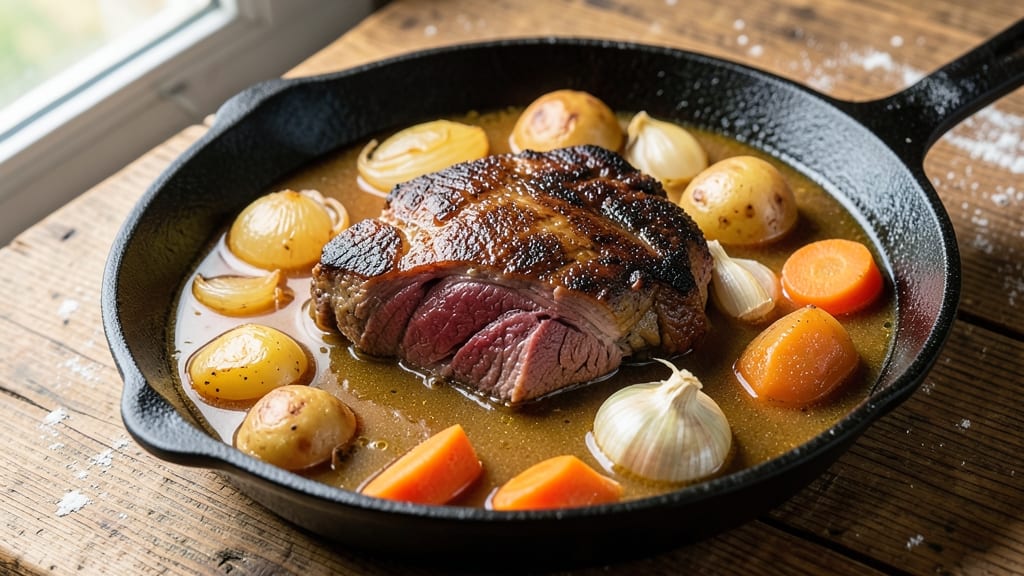
This old-fashioned goulash recipe with beef broth delivers the deep, paprika-rich flavors that made it a kitchen staple for generations. The secret lies in slow-simmered beef and rich broth, creating a hearty stew that feels like a warm embrace on cold days.
I’ve perfected this recipe over years of testing, ensuring the perfect balance of smoky paprika and tender beef that practically melts in your mouth.
The beauty of this classic dish is its simplicity—just a few key ingredients transform into a deeply satisfying meal. Using beef broth as the foundation creates a rich, flavorful base that’s far more complex than store-bought alternatives.
The slow cooking process develops layers of flavor, turning tougher cuts of beef into fork-tender perfection while the spices meld together harmoniously.
By the time you’re done, you’ll have a steaming bowl of goulash with tender beef, caramelized onions, and a sauce thickened just enough to coat every bite.
The aroma alone will have everyone gathering around the table, and the first spoonful delivers that comforting, paprika-spiced warmth that defines old-fashioned comfort food.
Serve with crusty bread or buttery dumplings to soak up every last drop of that flavorful broth. This recipe is designed to be your new go-to for hearty weeknight dinners or cozy family gatherings—where tradition meets delicious simplicity.
Ingredients for old fashioned goulash recipe with beef broth
Just 14 simple ingredients transform into a deeply comforting bowl of old-fashioned goulash.
| Ingredient | Amount | Notes |
|---|---|---|
| Chuck Roast 🥩 | 2 lb | Well-marbled for tenderness |
| Yellow Onions 🧅 | 2 whole | Chopped into half-moons |
| Carrots 🥕 | 4 medium | Peeled and sliced into rounds |
| Russet Potatoes 🥔 | 2 medium | Cubed into bite-sized pieces |
| Garlic Cloves 🧄 | 4 cloves | Minced for rich flavor |
| Beef Broth 🥫 | 4 cups | Homemade or quality store-bought |
| Tomato Paste 🍅 | ¼ cup | For depth of flavor |
| Sweet Paprika 🌶️ | 1 tbsp | Smoked paprika for extra depth |
| Ground Cumin 🌿 | 1 tsp | Toasted for warmth |
| Bay Leaves 🌿 | 2 whole | Fresh for best flavor |
| Salt 🧂 | 1 ½ tsp | Kosher or sea salt |
| Black Pepper 🌶️ | ½ tsp | Freshly ground preferred |
| All-Purpose Flour 🌾 | 1 tbsp | For thickening sauce |
| Unsalted Butter 🧈 | 1 tbsp | Full-fat for richness |
The chuck roast is the heart of this goulash—look for well-marbled cuts at the grocery store's butcher counter. Costco or Walmart usually have it pre-cut into chunks, which saves time. If buying whole, ask for it to be cubed for you. The beef broth? Homemade is ideal, but Swanson or Pacific Foods brands work well in a pinch. For the paprika, Penzeys or McCormick make the best smoky varieties—avoid the generic store brands unless you're in a hurry. Fresh bay leaves add a subtle aroma, so don't skip them if you've got them.
No sweet paprika? Smoked paprika works perfectly—just use the same amount. Running low on beef broth? Chicken broth plus a splash of soy sauce gets you close. The carrots and potatoes can be swapped for sweet potatoes or parsnips if you're feeling adventurous. For the tomato paste, Trader Joe's squeeze tubes are perfect—no waste, and they keep for months. The flour and butter at the end are just to thicken the sauce slightly, so don't stress about exact measurements here. If you're making this ahead, the sauce actually tastes better the next day as all the flavors meld together.
This goulash reheats beautifully—5-10 minutes on the stove with a splash of broth if it's too thick. Keeps in the fridge for 4-5 days, freezes for 3 months. I always make a double batch because it's perfect for leftovers. The sauce thickens as it cools, so add a little extra broth when reheating if needed. Store in airtight containers with a layer of butter on top to keep it moist—trust me on this.
Why You'll Love This Recipe
- One-Pot Magic: I swear by this recipe—just brown the chuck roast, toss in onions, carrots, and potatoes, then let the beef broth do the work. No fancy gadgets, no extra pans, and honestly? The cleanup is just rinsing one pot.
- Deep Umami Bomb: That slow-simmered chuck roast in beef broth? It melts in your mouth with this rich, savory depth. The garlic cloves and onions caramelize just enough to give it layers—simple but ridiculously satisfying, like a hug in a bowl.
- Leftovers That Win: Between us, this goulash only gets better the next day. I make a double batch on Sundays, and by Wednesday, it’s the star of my lunch—reheated with a splash of broth, still tender and packed with flavor. Zero food waste, all comfort.
- Budget Beef Powerhouse: Chuck roast is my wallet’s best friend—cheap, hearty, and transforms into something special. A few onions, carrots, and potatoes stretch into four servings, and the beef broth adds that restaurant-quality richness without the price tag. Dinner for the win, every time.
Step-by-step instructions for old fashioned goulash
Here's how to build a rich, paprika-kissed beef stew that simmers into tender perfection.
Sear the Chuck Roast for Deep Flavor
Heat a heavy Dutch oven over medium-high heat. Add the 2 lb chuck roast and sear on all sides until deeply browned, about 5-6 minutes total. This step creates the Maillard reaction that forms the stew's foundation. I like to press down gently on the roast during searing to ensure even contact with the pan.
Once browned, remove the roast and set it aside on a plate. You'll notice the pan will have beautiful browned bits sticking to the bottom—this is pure flavor you don't want to miss. Don't wipe the pan clean; we'll use those bits to build the sauce.
Build the Aromatic Base
In the same Dutch oven, add the 1 tbsp unsalted butter and let it melt over medium heat. Add the 2 whole yellow onions (chopped into half-moons) and cook for 5 minutes until softened but not browned. Stir frequently to prevent burning.
Add the 4 medium carrots (sliced into rounds) and cook for another 4 minutes until they begin to soften. Stir in the 4 cloves garlic (minced) and cook for 30 seconds until fragrant. Here's where it gets good—add the 1 tbsp sweet paprika and 1 tsp ground cumin, stirring constantly for 1 minute to toast the spices and release their aromas.
Develop the Sauce Foundation
Pour in the 0.25 cup tomato paste and stir to combine with the vegetables. Cook for 2 minutes until it darkens slightly and loses its raw taste. Sprinkle the 1 tbsp all-purpose flour over the mixture and stir vigorously for 1 minute to remove any lumps and create a roux.
Slowly pour in the 4 cups beef broth while stirring constantly to prevent clumping. Add the 1.5 tsp salt and 0.5 tsp black pepper, then return the chuck roast to the pot. Bring everything to a gentle simmer, then reduce heat to low. The mixture should bubble softly—this is where patience pays off.
Simmer Until Tender
Cover the Dutch oven and let the goulash simmer gently for 1 hour. You'll know it's ready when the meat is fork-tender and pulls away from the bone easily. I check for doneness by piercing the thickest part of the roast—it should feel soft like butter.
After the hour, add the 2 medium russet potatoes (cubed) and 2 whole bay leaves to the pot. Return to a simmer and cook uncovered for another 30-40 minutes until the potatoes are tender and the sauce has thickened to a rich consistency. The potatoes should absorb the flavors beautifully, becoming part of the stew's heart.
Adjust and Serve
Remove the bay leaves and taste the goulash. Adjust seasoning if needed—this is your chance to perfect the balance. I usually add a pinch more salt or a crack of black pepper to taste. The stew should be rich but not overpowering, with the paprika's warmth shining through.
Serve the goulash hot, straight from the pot, with crusty bread to soak up every last drop of that paprika-rich sauce. The flavors will only deepen as it sits, making this the perfect comforting meal for chilly evenings.
Pro Tips For Making Old Fashioned Goulash Recipe With Beef Broth
- SEAR THE ROAST FIRST: Chuck roast needs that deep, caramelized crust to hold up through hours of simmering. I used to skip this step and ended up with bland, mushy beef—high heat, 3-4 minutes per side until browned, then let it rest before adding broth.
- CHOP VEGETABLES UNIFORM: Onions and carrots should be cut into ½-inch chunks—no smaller, or they’ll turn to mush. Russet potatoes? Quarter them, skin on, so they soften but don’t fall apart. (Yes, even if it looks like a toddler’s lunch.)
- DON’T BOIL THE BROTH: Once the broth comes to a simmer, turn it down to a gentle bubble—think tiny ripples, not a rolling boil. After burning two batches, I learned this keeps the flavors rich and the meat tender, not stringy.
- ADD POTATOES LATE: Toss them in the last 20 minutes, or they’ll turn to glue. I was skeptical until I tried it—now my goulash has texture instead of a sad, watery stew. (Your future self will notice the difference.)
Regional styles of old fashioned goulash recipe with beef broth
Hungarian Roots
The classic goulash we know today originated in Hungary, where it was traditionally cooked in a cast iron pot over open fires. The dish evolved from nomadic herders who needed hearty, portable meals—this stew provided the perfect balance of protein and carbohydrates.
In rural Hungary, paprika (a staple crop) became the defining spice, giving goulash its signature deep red hue and smoky warmth. 🌶️
Authentic Hungarian goulash often includes sour cream as a finishing touch, which I sometimes add to my version for extra richness. The dish was historically made with tougher cuts of beef that required long simmering to tenderize, a technique that remains central to the recipe today.
Many families still prepare it in large batches for gatherings, just as they did centuries ago.
Carpathian Variations
In the Carpathian Mountains region, goulash takes on a slightly different character, often with more potatoes and a thicker sauce. This version is sometimes called "gulyás" and includes sausages alongside beef.
I’ve experimented with adding smoked paprika instead of sweet for a deeper, earthier flavor—it’s a fantastic twist that still honors the traditional spirit. 🔥
The Carpathian style also incorporates wild herbs like marjoram or thyme, which add an aromatic complexity. If you’re feeling adventurous, try adding 1 tsp of marjoram to your goulash for a fragrant, earthy note that pairs beautifully with the beef and paprika.
This regional take is perfect for those who love bold, herbaceous flavors.
Austrian Influence
Austria adopted goulash as its own, transforming it into a thicker, almost stew-like dish often served with buttery noodles or dumplings. The Austrian version tends to be richer, with more tomato paste and sometimes a splash of red wine to deepen the sauce.
I’ve made this adaptation by reducing the broth slightly at the end for a thicker consistency—it’s ideal for soaking up with crusty bread. 🥖
In Vienna, goulash became a symbol of comfort food, often paired with dark rye bread and a cold beer. The Austrian approach focuses on slow cooking to melt the beef into the sauce, creating a dish that’s almost like a thick soup.
If you love a heartier texture, this style is a must-try—just be prepared for leftovers!
American Adaptations
When goulash arrived in America, it underwent a few changes to suit local tastes, including more tomato sauce and sometimes even kidney beans for extra heartiness. The American version often includes bell peppers or celery, which add a fresh crunch that contrasts with the rich beef.
I’ve made this adaptation by adding ½ cup diced bell peppers to the pot during the final 20 minutes of cooking. 🌶️
Another American twist is serving goulash over mashed potatoes or buttered egg noodles, which is a great way to stretch the meal into a full dinner. This approach is especially popular in the Midwest, where goulash became a staple for family dinners.
The key is to keep the beef tender and the sauce rich—just like the original, but with a little extra comfort.
Modern Twists
Today’s chefs are putting their own spin on goulash, incorporating global flavors like coconut milk for a creamy twist or chili flakes for heat. I’ve experimented with adding 1 cup of coconut milk at the end for a Thai-inspired goulash that’s surprisingly delicious.
The creaminess balances the paprika’s smokiness beautifully. 🌴
For a lighter take, some modern versions use leaner cuts of beef or even mushrooms as a meat substitute. If you’re watching your calories, try swapping half the beef for portobello mushrooms—they absorb the flavors just as well and add a meaty texture.
This adaptation keeps the soul of goulash alive while making it more versatile for today’s diets.
Nutrition facts
Frequently asked questions
Can I substitute beef broth with another type of broth?
While beef broth is traditional, you can use chicken broth in a pinch—just add 1 tablespoon soy sauce to mimic the depth of beef flavor. For a vegetarian option, mushroom or lentil broth works well, though the taste will differ slightly. Avoid vegetable broth alone, as it lacks the richness needed for authentic goulash.
Why does my goulash turn out too thin or too thick?
The sauce consistency depends on simmering time and ingredients. For a thicker sauce, simmer uncovered for 10-15 extra minutes to reduce the liquid. If it's too thick, stir in 2-3 tablespoons of warm broth to loosen it. The flour roux at the start helps thicken naturally, but patience during simmering is key—don't rush it!
What's the best way to make this goulash ahead of time?
Goulash tastes even better the next day! Let it cool completely, then store in an airtight container in the fridge for up to 5 days. Reheat gently on the stove with a splash of broth if needed. For freezing, portion into meal-sized containers and freeze for up to 3 months. Thaw overnight in the fridge before reheating.
Can I use ground beef instead of chuck roast?
Ground beef works but won't give the same tender, melt-in-your-mouth texture. If using it, brown the meat thoroughly first, then proceed with the recipe. For best results, stick with chuck roast—it's more flavorful and becomes fork-tender during the long simmer. If you're short on time, stew beef is a good alternative.
How do I know when the beef is fully cooked?
The beef should reach an internal temperature of 160°F (or 165°F if using ground beef). Use a meat thermometer to check the thickest part of the roast. When done, the meat should pull apart easily with a fork and feel tender. If it's still tough after 1.5 hours of simmering, add 2 tablespoons of vinegar to help tenderize.