
Main Courses
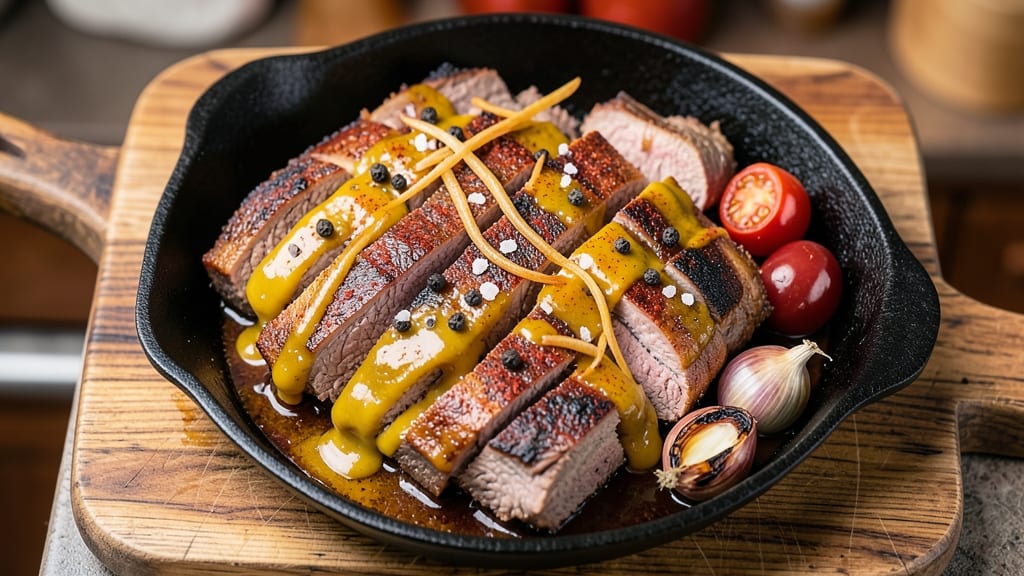
Myron Mixon's beef brisket recipe delivers that signature smoky bark and buttery shreds that turn every meal into a showstopper. The key lies in his precise seasoning blend and low-and-slow cooking method that transforms tough cuts into melt-in-your-mouth perfection.
I first learned this technique from a pitmaster who swore by the same principles my family used for backyard cookouts—just with a little more science.
What makes this recipe special is the one-pot approach, eliminating the need for multiple smokers or ovens. The brisket develops a deep, caramelized crust while staying tender inside, thanks to a carefully balanced dry rub and controlled heat.
Myron's method ensures even bark formation without burning, making it foolproof for home cooks who want restaurant-quality results.
By the time you're done, you'll have brisket so tender it practically falls apart at the touch, with a smoky exterior that's impossible to resist. The rich, beefy aroma alone will have your whole house asking what's for dinner.
This is the kind of brisket that pairs beautifully with classic sides like creamy mac and cheese or tangy coleslaw.
Ready in about 12 hours (with minimal active time), this recipe is perfect for weekend projects or special occasions. The secret is patience—letting the meat work with the heat to create that legendary texture. Let's get started on your next brisket masterpiece.
Ingredients for myron mixon beef brisket
Six core ingredients and a few pantry staples transform tough brisket into showstopping, smoky perfection.
| Ingredient | Amount | Notes |
|---|---|---|
| Beef Brisket 🥩 | 5 lb | Packer cut, 1.5-inch thick |
| Yellow Mustard 🍯 | ¼ cup | For bark adhesion |
| Kosher Salt 🧂 | ½ cup | Diamond Crystal preferred |
| Black Peppercorns 🌶️ | 2 tbsp | Freshly cracked |
| Smoked Paprika 🌶️ | 2 tbsp | Honduran or Spanish |
| Garlic Powder 🧄 | 2 tbsp | From fresh-roasted garlic |
| Onion Powder 🧅 | 2 tbsp | From fresh-roasted onions |
| Ground Cumin 🌿 | 1 tbsp | Toasted for depth |
| Brown Sugar 🍯 | 2 tbsp | Light or dark |
| Apple Cider Vinegar 🍎 | ¼ cup | For tenderizing |
| Beef Broth 💧 | 1 cup | Low-sodium, homemade preferred |
| Butter 🧈 | ½ cup | Unsalted, cubed |
| Fresh Thyme Leaves 🌿 | ¼ cup | From 4 sprigs |
The brisket cut is everything—packer cut with 1.5-inch thickness ensures even cooking and maximum tenderness. I always grab mine from Costco or a local butcher shop (ask for 'packer cut'—it's the whole brisket, not pre-trimmed). Look for good marbling—those white fat streaks are what keep the meat juicy during that long cook. If you're buying a whole brisket, trim it yourself to 1.5-inch thickness before seasoning. The yellow mustard isn't just for flavor—it helps the rub stick like glue, creating that legendary bark. Penzeys or bulk bins at Whole Foods are my go-to for spices—freshly ground black pepper and toasted cumin make all the difference.
No smoked paprika? Regular paprika plus a pinch of liquid smoke works in a pinch (start with 1/4 tsp liquid smoke). Short on time? Pre-mixed brisket rubs from Trader Joe's or McCormick are decent, but you'll miss the depth of homemade. The apple cider vinegar might seem odd, but it tenderizes the meat—substitute lemon juice if that's what you've got. For the beef broth, homemade is ideal, but even bouillon cubes (like Knorr) will do. The butter? Full-fat, unsalted—none of that low-fat nonsense. And if you're out of fresh thyme, dried at half the amount gets you close.
This brisket is a 12-hour project, but it reheats beautifully—better the next day, honestly. Store leftovers in the fridge for 5-6 days or freeze for up to 3 months. I like to portion it into 1-pound servings for easy reheating. The bark gets crispier when reheated, so a quick blast in the oven at 300°F for 10 minutes brings it back to glory. And save those fat trimmings—they're perfect for making beef tallow for future rubs!
Why You'll Love This Recipe
- I’ll be real: the second day is often better. The brisket gets even more tender, and those mustard-crusted edges? Perfect for sandwiches, tacos, or just reheating with a splash of water. Zero waste, all win.
- Four-Ingredient Magic: Honestly, I’m still amazed how just brisket, mustard, salt, and pepper deliver this much flavor. That yellow mustard isn’t just for coating—it’s the secret to tender, tangy layers that cut through the richness.
- Weeknight Hero: Between us, this is my go-to when I’m too tired to fuss. Toss the brisket in a bowl, sprinkle the spices, and throw it in the oven while I chop veggies for the side—no stress, no mess.
- Leftovers That Shine: I’ll be real: the second day is often better. The brisket gets even more tender, and those mustard-crusted edges? Perfect for sandwiches, tacos, or just reheating with a splash of water. Zero waste, all win.
Step-by-step instructions for myron Mixon's one-pot brisket
Here's how to nail that legendary bark and melt-in-your-mouth texture without switching pans.
Build the Dry Rub and Prep the Brisket
In a large bowl, combine the 0.5 cup kosher salt, 2 tablespoons black peppercorns, 2 tablespoons smoked paprika, 2 tablespoons garlic powder, 2 tablespoons onion powder, 1 tablespoon ground cumin, and 2 tablespoons brown sugar. This is your flavor foundation—don't skip the cumin, it adds that subtle depth Mixon loves. Crush the black peppercorns lightly with your fingers to release their oils before mixing.
Pat the 5 lb beef brisket completely dry with paper towels—this is non-negotiable for crispy bark. Then slather every surface with the 0.25 cup yellow mustard. The mustard acts as a glue for the rub and helps create that signature sticky bark. Press the dry rub mixture firmly into the meat, getting into all the crevices. Wrap the brisket tightly in plastic wrap and refrigerate for at least 4 hours, preferably overnight. This dry-brine step ensures maximum flavor penetration and tenderness.
Sear and Start the Braise
Preheat your oven to 300°F. Heat a Dutch oven over medium-high heat—this is your one-pot solution. Add the brisket fat-side down and sear for 8-10 minutes until deeply browned. You're building flavor here, so don't rush this step. Flip the brisket and sear the other side for another 5-6 minutes. Remove the brisket and set it aside temporarily.
In the same Dutch oven, add the 0.5 cup butter and let it melt completely. Pour in the 0.25 cup apple cider vinegar and scrape up all those browned bits from the bottom—this is where all the flavor lives. Add the 1 cup beef broth and the 0.25 cup fresh thyme leaves. Return the brisket to the pot fat-side up, then cover tightly with a lid. Place the Dutch oven in the preheated oven.
Low and Slow Cook Until Probe-Tender
Cook for 6 hours, maintaining that 300°F temperature. Here's the key: don't peek. Every time you lift that lid, you're losing heat and moisture. After 6 hours, check the internal temperature—it should be around 195-200°F. If it's not there yet, keep cooking. The brisket will continue cooking slightly after you remove it from the oven.
When it reaches temperature, remove the brisket and let it rest for 30 minutes. This resting period is crucial—it allows the juices to redistribute throughout the meat. Skim any excess fat from the braising liquid, then return the brisket to the pot. Increase the oven temperature to 400°F and broil for 5-7 minutes to crisp up that bark. Watch it closely—you want it dark and glossy, not burnt.
Shred and Serve with the Sauce
Using two forks, shred the brisket directly in the Dutch oven. The residual heat will help break it down easily. Mix the shredded meat with the braising liquid until everything is well coated. Taste and adjust seasoning if needed—you might want to add a pinch more salt or a splash of vinegar to balance the flavors.
Serve immediately with the sauce spooned over the top. Each bite should deliver that perfect combination of smoky bark, tender meat, and rich, buttery sauce. This one-pot method keeps everything cohesive—no separate sauces or sides needed. The brisket should practically fall apart at the touch, with just enough resistance to hold its shape on the plate.
Pro Tips For Making Myron Mixon Beef Brisket
- Trim the Fat Cap: Myron’s recipe relies on that thick layer of fat on the brisket—don’t cut it off. That’s where the flavor hides, and it renders down to keep the meat juicy. If you’re worried about it burning, just move the brisket fat-side up during the last hour of cooking.
- Mustard Slather, Not Drizzle: Yellow mustard isn’t just a flavor booster—it’s the glue that makes the crust stick. After searing, slather it on thick (about 2 tablespoons) and spread it evenly. Skimping here means a weak crust, and nobody wants that.
- Peppercorns, Not Powder: Whole black peppercorns crush during cooking and release flavor differently than pre-ground powder. Toast them lightly in a dry pan first—just until fragrant—then grind them fresh. This isn’t the time to grab the jarred stuff from your spice rack.
- Probe the Thickest Part: Briskets cook unevenly, and the flat often hits 203°F before the point is done. Stick your thermometer in the thickest part of the point (not the flat) and wait until it’s consistent for 10 minutes. Patience here saves you from dry meat or undercooked danger zones.
Flavor customization for myron mixon beef brisket
Spice Level Control
Want to dial up the heat? Add 1 teaspoon cayenne pepper or ½ teaspoon red pepper flakes to the dry rub for a smoky kick. I once made this for a spicy brisket competition and used 1 tsp chipotle powder instead of smoked paprika—game-changer!
For a milder version, reduce the smoked paprika to 1 tablespoon and add 1 teaspoon brown sugar to balance. 🌶️
Sweet and Smoky Fusion
Craving caramelized sweetness? Increase the brown sugar to 3 tablespoons and add 1 teaspoon cinnamon to the rub. After cooking, brush the brisket with a mix of 2 tablespoons honey and 1 tablespoon apple cider vinegar, then broil for 3-4 minutes for a sticky glaze.
This works surprisingly well with BBQ sauce on the side.
Herb-Infused Variations
Swap the thyme for rosemary or oregano for Mediterranean flair. I love adding 1 tablespoon fresh rosemary (finely chopped) to the braising liquid—it pairs beautifully with the smoky flavors.
For a coastal twist, add 1 teaspoon Old Bay seasoning to the rub and serve with lemon wedges. Fresh herbs from my backyard always elevate the dish.
Umami Boost Options
For deeper richness, add 1 tablespoon soy sauce or 1 teaspoon fish sauce to the braising liquid. I also like crumbling ½ cup liquid smoke into the sauce at the end for extra depth.
For a smoky-sweet contrast, stir in 1 tablespoon molasses with the vinegar before adding to the pot.
Regional Twists
For a Texas-style bark, add 1 teaspoon mustard powder to the rub and finish with a sprinkle of coarse kosher salt before serving. In the Carolinas, I’ve seen pitmasters add ½ teaspoon ground coriander for a citrusy note.
For a Chicago-style twist, serve with yellow mustard and white bread—the tang cuts through the richness perfectly. 🗺️
Slow-Cooker Adaptation
Need a hands-off version? Brown the brisket as directed, then transfer everything (meat, rub, butter, vinegar, broth, and thyme) to a 6-quart slow cooker. Cook on low for 8-10 hours, then finish under the broiler as instructed.
The slow cooker keeps the meat incredibly tender while developing that deep flavor. Perfect for busy weekends!
Nutrition facts
Frequently asked questions
Why does Myron Mixon's recipe use yellow mustard?
The yellow mustard isn't just for flavor—it acts as a natural binder that helps the dry rub stick to the brisket. This creates that signature sticky bark while preventing the rub from falling off during cooking. Plus, it adds a subtle tang that balances the richness of the beef.
Can I substitute beef broth with something else?
For a deeper flavor, try using red wine or beef stock instead. Even bouillon cubes (like Knorr) work in a pinch. The key is maintaining the liquid-to-meat ratio—stick to about 1 cup of liquid for a 5 lb brisket to keep it tender.
What's the best way to check if the brisket is done?
Use a meat thermometer to check the internal temperature at the thickest part—it should reach 195-200°F. The probe should slide in like butter. If it's not tender enough, keep cooking—brisket continues to cook slightly after removal from heat. Never rely on time alone!
How do I fix brisket that's too dry?
If your brisket turns out dry, it likely didn't cook long enough or lost too much moisture. Next time, wrap it in butcher paper or foil during the last hour of cooking to trap steam. For immediate fixes, shred the meat and mix it with the braising liquid to restore juiciness before serving.
Can I make this in a smoker instead of an oven?
Yes! For a smoker version, maintain a 225-250°F temperature and cook until the internal temp hits 195-200°F. Spritz with apple cider vinegar every 2 hours to keep it moist. Finish with a quick sear over direct heat or under a broiler to crisp the bark. Just add 1 cup beef broth to the smoker pan for sauce.