
Main Courses
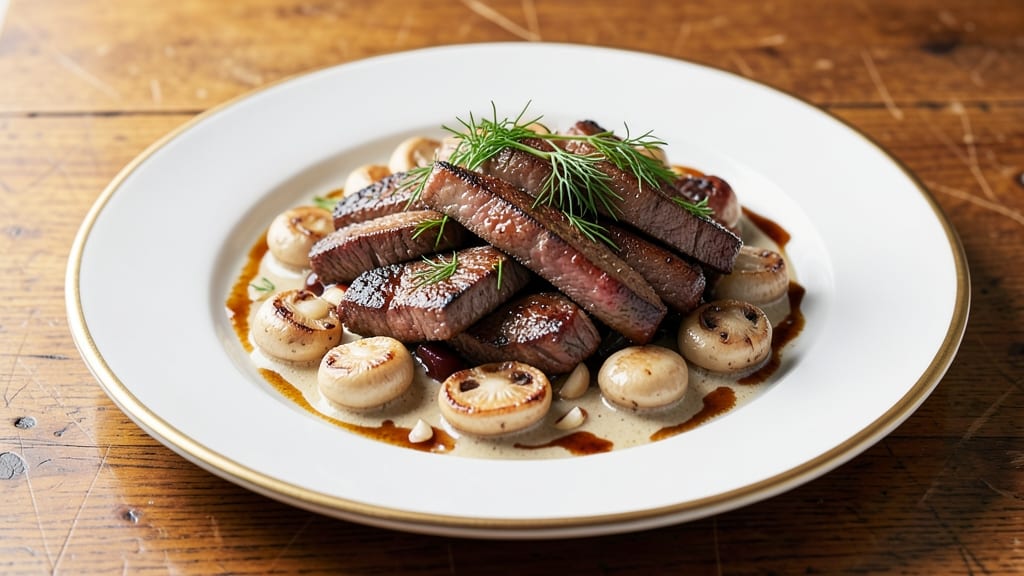
Julia Child’s beef stroganoff recipe brings French bistro elegance to your dinner table with its rich mushroom sauce and tender beef over egg noodles. The secret lies in her signature techniques—a quick sear for deep flavor and a velvety sauce balanced with Dijon mustard and sour cream.
After years of perfecting this dish, I’ve recreated her method to deliver restaurant-quality results at home.
What sets this stroganoff apart is the harmony of textures: crisp-tender beef strips, earthy sautéed mushrooms, and buttery egg noodles that soak up every drop of sauce. The sauce itself is a masterpiece—creamy yet light, with just enough acidity from the mustard to cut through the richness.
Julia’s approach ensures no single ingredient overpowers, making each bite perfectly balanced.
This recipe requires just 30 minutes of active time, though the flavors develop best when allowed to simmer gently. The key steps—searing the beef, deglazing the pan, and building the sauce—are straightforward but critical for achieving that signature depth.
The result? A dish that’s both comforting and sophisticated, perfect for a weeknight dinner or an impressive guest meal.
Serve it with a sprinkle of fresh parsley and a side of crusty bread to soak up every last bit of that luscious sauce. The technique is foolproof, and the flavors are undeniably satisfying—just as Julia intended. Let’s get cooking!
Ingredients for julia child's beef stroganoff
French bistro-quality ingredients for Julia Child’s signature stroganoff—earthy mushrooms, tender beef, and velvety sauce.
| Ingredient | Amount | Notes |
|---|---|---|
| Beef Tenderloin 🥩 | 1 ¼ lb | Cut into 1/4-inch strips, boneless |
| White Button Mushrooms 🍄 | 1 lb | Sliced 1/4-inch thick, fresh preferred |
| Shallots 🧅 | 2 whole | Minced, or substitute 1/4 cup finely chopped onion |
| Garlic Cloves 🧄 | 4 cloves | Minced, fresh preferred |
| All-Purpose Flour 🌾 | 2 tbsp | Diamond Crystal preferred for light coating |
| Unsalted Butter 🧈 | 4 tbsp | European-style for higher fat content |
| Dry White Wine 🍷 | ½ cup | Sauvignon Blanc or Chardonnay, dry preferred |
| Beef Stock 💧 | 1 cup | Homemade or high-quality store-bought |
| Dijon Mustard 🍯 | 1 tbsp | Moutardier brand preferred for authenticity |
| Sour Cream 🥛 | ½ cup | Full-fat for optimal creaminess |
| Fresh Parsley 🌿 | ¼ cup | Chopped, for garnish |
| Egg Noodles 🍝 | 12 oz | Fresh preferred, or high-quality dried |
| Salt 🧂 | 1 ½ tsp | Diamond Crystal kosher salt |
| Black Pepper 🌶️ | ½ tsp | Freshly ground, coarse grind |
The beef selection is critical for achieving that signature tender texture. Tenderloin is ideal due to its lean yet tender profile, but sirloin works well if you prefer more flavor. Purchase from a trusted butcher or Whole Foods for optimal quality—look for bright red color and minimal marbling. The mushrooms should be firm and free of bruising; Eataly or local farmers markets often carry the freshest varieties. Shallots add delicate sweetness—if unavailable, substitute with finely chopped red onion, though the flavor profile will differ slightly. For the wine, a Sauvignon Blanc from New Zealand offers crisp acidity that complements the dish beautifully.
Substitutions must be made thoughtfully to preserve the dish's balance. If white wine is unavailable, dry vermouth or chicken stock can suffice, though the flavor will shift. For a vegetarian adaptation, replace the beef with mushroom or lentil strips, increasing the mushrooms by 0.5 lb. The Dijon mustard is non-negotiable—it provides the necessary acidity to cut through the richness. If you lack sour cream, Greek yogurt thinned with milk mimics the texture. For the egg noodles, fresh is preferred, but high-quality dried noodles like Barilla work well when cooked al dente. Always taste the sauce before adding sour cream—adjust seasoning with salt and pepper as needed.
Proper storage ensures the dish remains at its peak. The beef should be used immediately or stored in an airtight container in the refrigerator for up to 2 days. Mushrooms keep best in a paper bag in the fridge for 5-7 days. The prepared stroganoff sauce can be refrigerated for 3-4 days or frozen for 2 months—reheat gently on low heat, stirring frequently to prevent curdling. For the egg noodles, cook them just before serving to maintain their texture. Garnish with fresh parsley just before eating to preserve its vibrant color and fresh flavor.
Why You'll Love This Recipe
- One-Pan Magic: I swear by this recipe because it’s almost foolproof—just sear the tenderloin, toss in the shallots and mushrooms, deglaze with a splash of wine, and let the flour do the heavy lifting. No chopping mountains of veggies or stirring for hours; the mushrooms melt into that rich sauce while you’re still setting the table.
- Creamy Without Guilt: That velvety sauce? It’s all about the flour-to-fat ratio, and honestly, it’s the kind of richness you won’t regret. The beef tenderloin stays juicy, the mushrooms soak up the flavor like sponges, and the shallots add this subtle sweetness that makes every bite feel like a little celebration. (Yes, even on a Tuesday night.)
- Leftovers That Shine: Between us, this dish begs to be made extra. The sauce thickens even better the next day, and I’ve reheated portions for lunch with mashed potatoes or crusty bread—no one ever complains. It’s my go-to for meal prep because it tastes just as good cold as it does hot (okay, maybe not as good, but close).
- Impress Without Stress: You’d think a Julia Child recipe would require a white apron and a sommelier, but this one’s secretly forgiving. The tenderloin is tender enough to slice thinly without fuss, and the garlic-clove-to-shallot ratio is hard to mess up. Serve it at a dinner party, and they’ll think you slaved; serve it on a weeknight, and you’ll still get high-fives.
Step-by-step instructions for Julia Child's beef stroganoff
Master this classic French-inspired dish with tender beef, rich mushroom sauce, and perfect egg noodles.
Prepare the Beef and Mushroom Base
Heat 2 tablespoons unsalted butter in a large skillet over medium-high heat. Add the 1.25 lb beef tenderloin cut into ¼-inch strips and cook for 3-4 minutes until the beef is lightly browned on all sides but still slightly pink in the center. Remove the beef from the skillet and set aside.
In the same skillet, add the remaining 2 tablespoons unsalted butter and 1 lb white button mushrooms sliced ¼-inch thick. Cook for 5-6 minutes until the mushrooms release their moisture and begin to brown. Add the 2 minced shallots and 4 minced garlic cloves, cooking for another 2 minutes until the shallots are translucent and the garlic is fragrant. This step builds the aromatic foundation of the sauce.
Create the Sauce with Wine and Stock
Sprinkle the 2 tablespoons all-purpose flour evenly over the mushrooms and stir vigorously for 1-2 minutes to cook off the raw flour taste. Pour in the ½ cup dry white wine and scrape up any browned bits from the bottom of the pan. Let the wine simmer for 3-4 minutes until it reduces by half and the alcohol flavor cooks off.
Gradually whisk in the 1 cup beef stock while stirring constantly to prevent lumps. Add the 1 tablespoon Dijon mustard and return the beef to the skillet. Bring the mixture to a gentle simmer and cook for 8-10 minutes until the sauce thickens slightly and coats the back of a spoon. The beef should be tender but not fully cooked through at this stage.
Finish with Sour Cream and Noodles
Reduce heat to low and stir in the ½ cup sour cream until fully incorporated. The sauce should become velvety and slightly thickened. Season with 1.5 teaspoons salt and ½ teaspoon black pepper, adjusting to taste. Return the beef to the skillet and heat through for 2-3 minutes without boiling, which could cause the sauce to curdle.
Meanwhile, cook the 12 oz egg noodles in salted boiling water according to package instructions until al dente. Drain and toss with 1 tablespoon unsalted butter to prevent sticking. Serve the stroganoff immediately over the noodles, garnished with ¼ cup chopped fresh parsley. The sauce should cling beautifully to each strand of noodle, creating a rich, creamy finish.
Pro Tips For Making Julia Child'S Beef Stroganoff
- Sear the Beef Properly: Julia’s stroganoff relies on that rich, caramelized crust—don’t skimp on the sear. Get your pan screaming hot (medium-high, not medium) and let the tenderloin sit for 30 seconds before touching it. I used to rush this, and the beef just steamed instead of developing flavor. A good sear takes 2-3 minutes per side—don’t pull it until it’s deep golden, not just pink.
- Slice Shallots Thinly: Thin, even slices of shallots melt into the sauce instead of sitting as chunks. Use a sharp knife and cut them paper-thin—almost translucent. I learned this the hard way when my stroganoff had chewy bits of shallot staring back at me. If you’re impatient, pulse them quickly in a food processor, but don’t go full purée.
- Deglaze with Beer, Not Water: The recipe likely calls for a splash of liquid—if you’re using beer (Julia’s classic choice), do it. If you’re skipping it, at least use a dry white wine or extra beef stock. Water flattens the sauce. I was skeptical until I tried it—I now keep a bottle of dry white on hand just for this dish. Deglaze while the pan is still hot, scraping every last bit of fond.
- Finish with Butter and Egg Yolks: This isn’t just a fancy touch—it’s what makes the sauce velvety. Whisk in 2 tablespoons of cold butter and 1-2 egg yolks at the very end (off heat, if you’re nervous). The butter adds richness, and the yolks emulsify the sauce into something luxurious. I used to skip it, and the stroganoff always tasted… well, just stroganoff. Now it’s restaurant-worthy.
Best sauces and condiments for this julia child's beef stroganoff
Classic Sour Cream
Julia Child’s signature sauce relies on full-fat sour cream for that signature tangy richness. I use Kroger brand for its consistent quality and tang level—avoid low-fat versions, as they lack the velvety texture.
Stir the sour cream in off the heat to prevent curdling, and keep the sauce at a gentle simmer (never boil) to maintain its creamy perfection. 🥛
Dijon Mustard Twist
The 1 tablespoon Dijon mustard is non-negotiable—it adds a subtle acidity that brightens the sauce and cuts through the richness. Moutardier brand is my go-to for its smooth, slightly sweet profile.
If you can’t find it, Amora is a solid substitute. Add the mustard after the wine reduction but before the stock to ensure even distribution throughout the sauce.
Wine Reduction Secrets
A ½ cup dry white wine (Sauvignon Blanc or Chardonnay) is essential for deglazing and adding depth. I recommend Kim Crawford Sauvignon Blanc—its crisp acidity balances the mushrooms beautifully.
Reduce the wine by half (about 3-4 minutes) to cook off the alcohol and intensify the flavor. Never skip this step—it’s the foundation of the sauce’s complexity. 🍷
Butter and Flour Base
The 4 tablespoons European-style butter (like Plugrá) and 2 tablespoons flour create a luxurious roux. Cook the flour in the butter for 1-2 minutes to remove the raw taste before adding wine.
This step ensures a smooth, velvety sauce without lumps. For extra richness, I sometimes add 1 tablespoon cold butter at the end for a silky finish.
Beef Stock Boost
Use 1 cup high-quality beef stock (I love Pacific Foods for its deep umami flavor) to build the sauce’s body. Simmer the stock with the wine reduction until it thickens slightly—this step ensures the sauce coats the noodles beautifully.
If the sauce is too thin, simmer uncovered for 2-3 minutes to reduce further. Never rush this; patience is key to Julia’s technique. 💧
Fresh Herb Garnish
Finish with ¼ cup chopped fresh parsley just before serving to add a pop of color and freshness. The parsley should be finely chopped (not minced) to avoid overpowering the dish.
For an extra touch, I sometimes add a sprinkle of fresh dill—its bright flavor pairs wonderfully with the creamy sauce. Always garnish tableside to preserve the herbs’ vibrant hue. 🌿
Nutrition facts
Frequently asked questions
Why does Julia Child's stroganoff use Dijon mustard instead of regular mustard?
The Dijon mustard adds a subtle acidity and depth that regular mustard can't match. It brightens the rich mushroom sauce without overpowering the beef. Julia's version relies on this balance—Dijon's smooth texture also blends seamlessly into the velvety sauce, creating that signature French bistro flavor.
Can I make this stroganoff ahead of time?
Yes, but assemble it just before serving. Cook the beef and sauce up to the sour cream step, then refrigerate for up to 2 days. Reheat gently on low, then stir in the sour cream off the heat. The noodles should always be cooked fresh to maintain their texture.
What's the best way to prevent the sauce from curdling?
Always add the sour cream off the heat and stir gently. Never let the sauce boil after adding it—keep it at a gentle simmer. If the sauce looks too thin, reduce it uncovered for 2-3 minutes before adding the sour cream. The key is patience and low heat.
Can I substitute egg noodles with another pasta?
Egg noodles are ideal for their rich flavor and texture, but you can use fettuccine or pappardelle as alternatives. Avoid thin noodles like spaghetti—they won't hold up to the creamy sauce. For best results, cook them al dente and toss with butter before serving.
How do I know when the beef is properly cooked?
The beef should be lightly pink in the center (about 130°F internal temp) when added to the sauce. It will finish cooking during the simmering process. Overcooking makes it tough—always remove it from the pan before the final sauce steps to prevent overdone meat.