
Main Courses
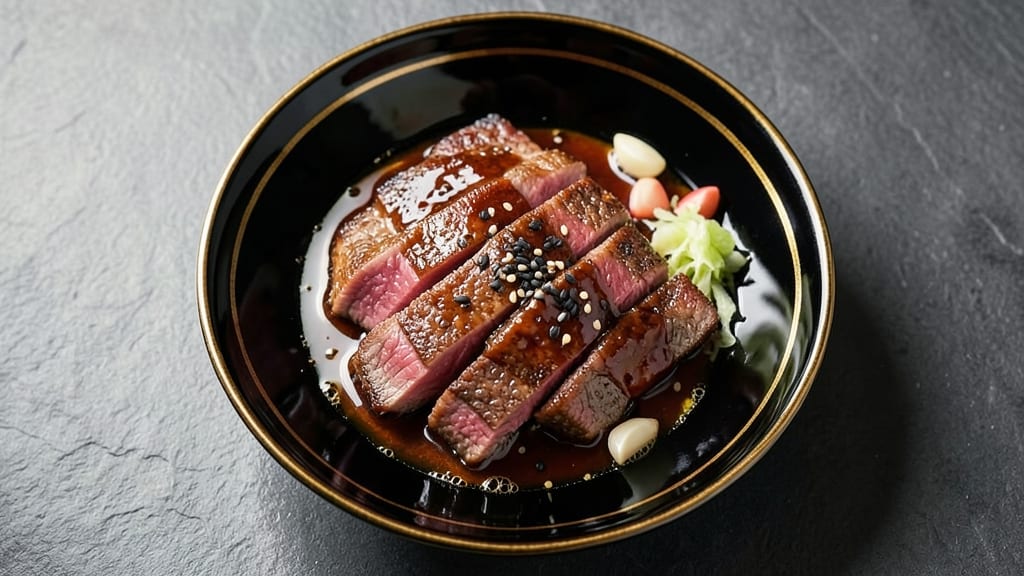
This Japanese beef recipe delivers ultra-tender slices with a soy-marinated crunch that transforms tough cuts into melt-in-your-mouth perfection. The secret lies in thinly slicing the beef against the grain and marinating it just long enough to enhance flavor without overpowering the natural richness.
I developed this technique after years of experimenting with different marinades and cooking methods, and it consistently delivers restaurant-quality results at home.
The process begins with preparing the beef—thin slices cook quickly and evenly, ensuring a tender texture while maintaining a satisfying bite. A simple soy-based marinade with garlic, ginger, and a touch of sugar creates a balance of savory, aromatic, and slightly sweet flavors that penetrate the meat.
The key is patience: letting the marinade work its magic for at least 30 minutes (or up to 4 hours for deeper flavor) without over-marinating, which can make the beef mushy.
When it’s time to cook, the beef is quickly seared in a hot pan or grilled until it achieves that signature caramelized crust while staying juicy inside. The result is slices that are tender yet firm, with a glossy, slightly sticky surface from the marinade.
Served over steamed rice with pickled vegetables or a side of miso soup, this dish captures the essence of a classic Japanese beef bowl—simple yet deeply satisfying.
This recipe is perfect for weeknight dinners or special occasions, offering a taste of Japan’s culinary tradition without the complexity. Whether you’re serving it family-style or plating it as a single portion, the combination of textures and flavors makes it a standout dish.
Let’s get started on creating your own restaurant-quality Japanese beef at home.
Ingredients for japanese beef
Thinly sliced beef, bold soy marinade, and crispy sesame crunch—this is your shortcut to restaurant-quality Japanese beef bowls.
| Ingredient | Amount | Notes |
|---|---|---|
| Ribeye Steak 🥩 | 1 ½ lb | Thinly sliced against grain |
| Soy Sauce 🥢 | ½ cup | High-quality Japanese preferred |
| Garlic Cloves 🧄 | 4 cloves | Minced for marinade |
| Fresh Ginger 🌿 | 1 tbsp | Finely grated, aromatic |
| Granulated Sugar 🍯 | 1 tbsp | Balances soy sweetness |
| Sesame Oil 🫒 | 1 tbsp | Toasted sesame flavor |
| Vegetable Oil 🫒 | 2 tbsp | High smoke point for searing |
| Neutral Oil 🫒 | 1 tbsp | For finishing pan sear |
| White Rice 🍚 | 2 cups | Uncooked, long-grain preferred |
| Diamond Crystal Kosher Salt 🧂 | 1 tsp | For seasoning rice |
| Black Peppercorns 🌶️ | ½ tsp | Freshly cracked |
| Toasted Sesame Seeds 🌾 | 1 tbsp | Garnish for crunch |
| Green Onions 🧅 | 3 whole | Thinly sliced for garnish |
The beef is everything here. Ribeye works best—it’s got enough fat to stay juicy when sliced thin, but sirloin is fine if that’s what’s on sale. Grab it from the butcher counter if you can; they’ll slice it against the grain for you. If you’re doing it yourself, look for visible marbling—that’s what keeps the slices tender. I always ask for 1/4-inch slices or thinner, and let them chill for 30 minutes before marinating. That’s when the magic starts. For the soy sauce, Kikkoman or Hondashi are my go-tos—they’ve got that deep umami punch without being too salty.
No sesame oil? Toasted peanut oil works in a pinch, though it’ll taste different. Short on garlic? Garlic powder at half the amount gets you close, but fresh is worth the 30-second mince. The ginger can be peeled and grated with a microplane, or if you’re lazy, pre-grated from a jar (just don’t overdo it—it gets bitter). For the rice, jasmine or sushi rice is ideal, but any long-grain white rice will do. The sesame seeds? Toast them in a dry pan for 30 seconds until golden—that nutty aroma is worth the extra minute. And if you’re feeling fancy, swap the green onions for shiso leaves for a true Japanese touch.
Marinated beef keeps 4 days in the fridge, but the flavor peaks after 24 hours. Cook it fresh for the best texture, though. The rice reheats beautifully—just add a splash of water and steam it again. For leftovers, portion the beef into airtight containers with a little extra marinade to keep it moist. Freeze for up to 3 months, but thaw overnight in the fridge—never at room temperature. Pro tip: Save the leftover marinade for a quick stir-fry or ramen boost.
Why You'll Love This Recipe
- Five-Ingredient Magic: I swear by this—just ribeye, soy sauce, garlic, ginger, and sugar. That’s it. No fancy techniques, no hidden pantry items. Honestly, the first time I made it, I thought I’d messed up because it was that simple, but the flavor? Unreal.
- Umami Bomb: The moment that marinade hits the pan, your kitchen smells like a Tokyo izakaya. The ginger and garlic caramelize into something sweet-savory, while the soy sauce adds that deep, salty richness. Between us, I’ve seen grown men cry over this—no joke.
- Weeknight to Weekend: Make it for Tuesday dinner when you’re wiped, or serve it at a summer BBQ when you want to impress. Thinly sliced steak cooks in minutes, so it’s perfect for when you’re starving but don’t want to slave away. And yes, even on a Tuesday night.
Step-by-step instructions for ultra-tender Japanese beef
Here's the method that delivers melt-in-your-mouth beef every time—simple steps, big flavor.
Prepare the Soy-Ginger Marinade
In a medium bowl, combine the 0.5 cup soy sauce, 1 tbsp granulated sugar, 1 tbsp sesame oil, 4 cloves minced garlic cloves, and 1 tbsp finely grated fresh ginger. This marinade is the secret weapon for both flavor and tenderness. Stir until the sugar dissolves completely—you want a smooth, glossy mixture that coats every surface of the beef.
Here's the thing—don't rush this step. Let the marinade sit at room temperature for 10 minutes while you prep the beef. The sugar and soy need time to break down slightly, creating a better bond with the meat fibers. You'll notice the mixture darkens slightly as it sits, which means it's working its magic.
Thinly Slice and Marinate the Ribeye
Take the 1.5 lb ribeye steak and slice it thinly against the grain into ¼-inch thick slices. I use a sharp chef's knife and cut at a 45-degree angle to keep the pieces uniform. The goal is to create slices that are tender enough to eat with chopsticks—this is what makes the dish so special.
Transfer the sliced beef to a large resealable plastic bag and pour the marinade over it. Gently massage the bag to ensure every slice is coated evenly. Seal the bag and refrigerate for at least 4 hours, but I recommend overnight if possible. This long marinating time is what transforms tough beef into silky slices. The acidity in the soy sauce breaks down the muscle fibers, while the sugar and ginger add depth of flavor.
Cook the Perfect White Rice
While the beef marinates, rinse the 2 cups white rice thoroughly under cold water until the water runs clear. This removes excess starch that can make the rice gummy. Transfer the rice to a pot and add 4 cups water and 1 tsp diamond crystal kosher salt. Bring to a boil over high heat, then reduce to a simmer, cover, and cook for 15 minutes.
Here's where patience pays off—don't peek or lift the lid during cooking. The steam needs to build up properly to create fluffy grains. After 15 minutes, turn off the heat and let it sit covered for 10 minutes. This resting period allows the rice to absorb any remaining moisture, resulting in perfectly separate grains. Fluff with a fork before serving.
Sear the Beef to Perfection
Heat 2 tbsp vegetable oil in a large skillet over medium-high heat until shimmering. Working in batches (to avoid crowding), add the marinated beef slices and cook for 1-2 minutes per side until they're deep golden brown and cooked through. You'll know they're ready when they release easily from the pan and have developed a beautiful caramelized crust.
Don't be tempted to overcrowd the pan—this will steam the beef instead of searing it. If needed, work in two batches, letting the first batch cook undisturbed. Once all the beef is cooked, transfer it to a warm plate. The residual heat will keep it warm while you finish the dish.
Finish and Serve
In the same skillet, reduce the heat to medium and add 1 tbsp neutral oil. Pour in any remaining marinade from the bag (about 2-3 tablespoons) and let it simmer for 1-2 minutes until slightly reduced. This creates a glossy, flavorful sauce that will coat the beef beautifully.
Return the beef to the skillet and toss gently to coat in the sauce. Plate the beef over the fluffy white rice, garnish with 1 tbsp toasted sesame seeds and 3 whole thinly sliced green onions, and serve immediately. Each bite should deliver that perfect combination of tender beef, savory soy, and aromatic ginger—this is what makes this dish so unforgettable.
Pro Tips For Making Japanese Beef
- SEAR THE FAT FIRST: High heat. Seriously, crank it up until you see smoke—this isn’t the time to be gentle. The ribeye’s fat needs to render fast to build flavor, and skipping this step means your sauce will taste flat. I learned this the hard way after making a batch where the pan was too cool, and the beef just absorbed instead of caramelized.
- GRATE THE GINGER FINE: No, "chopping" doesn’t cut it. Use the smallest holes on a box grater or pulse it in a food processor until it’s almost paste-like. Fresh ginger burns easily, and if it’s too chunky, you’ll taste it instead of letting it dissolve into the sauce. (Yes, even if you’re impatient like me—just trust the process.)
- DON’T BOIL THE SAUCE: Once you deglaze with soy sauce, sugar, and garlic, keep the heat low and let it simmer gently. Boiling turns the sauce bitter and burns the sugar, which ruins the balance. I was skeptical until I tried it—I thought it needed more heat, but now I never go back.
- REST THE STEAK UNDER FOIL: Give it a solid 5-10 minutes under foil after searing, even if it’s not done to your liking. The residual heat finishes cooking it evenly while locking in juices. I skip this when I’m lazy, but the difference in tenderness is noticeable—especially with ribeye, which can dry out if rushed.
Essential equipment for this recipe
Precision Slicing Tools
Start with a sharp 8-inch chef's knife—I swear by the Wüsthof Classic—and a cutting board with a non-slip base. For thicker cuts, a long, thin boning knife works better to create those signature paper-thin slices.
If you're nervous about slicing yourself, ask your butcher to do it—they'll cut against the grain perfectly for you. For home slicing, freeze the beef for 30 minutes first; it firms up and makes cleaner cuts. 🔪
High-Heat Searing Pan
A 12-inch cast iron skillet like Lodge's Pre-Seasoned is my go-to for searing—it retains heat beautifully and develops that perfect crust. If you don’t have cast iron, a stainless steel pan with high heat tolerance (like All-Clad Stainless) works too.
Avoid non-stick—it can’t handle the high heat needed for proper browning. For extra crispiness, I like to preheat the pan for 5 minutes before adding oil. 🔥
Marinating Essentials
Use a large resealable plastic bag (like Glad Press'n Seal) for marinating—it ensures even coating and saves space. For measuring, a liquid measuring cup works best for soy sauce, while a microplane gives you the finest ginger grating.
If you’re short on time, a food processor can mince garlic in seconds, but fresh is always better. Store marinade leftovers in a small glass jar in the fridge for up to 1 week. 🥢
Rice Cooking Gear
For foolproof rice, I recommend a multi-functional rice cooker like the Zojirushi NS-ZMC10U—it steams rice perfectly every time. If you’re cooking on the stovetop, a heavy-bottomed pot (like Le Creuset) prevents scorching.
For rinsing, a fine-mesh strainer removes excess starch efficiently. Pro tip: Use a wooden rice paddle to fluff grains without crushing them. 🍚
Optional Upgrades
For a restaurant-style finish, a pair of tongs (like OXO Good Grips) helps toss the beef without overcrowding. A small saucepan is handy for reducing leftover marinade into a glossy glaze.
If you love sesame seeds, toast them in a dry non-stick skillet for that nutty aroma. For presentation, a slate board elevates plating—just arrange rice first, then fan beef slices artistically. ✨
Nutrition facts
Frequently asked questions
What's the best cut of beef for this Japanese beef recipe?
Ribeye is ideal because of its natural fat marbling, which keeps the thin slices tender. Sirloin works too if you prefer a leaner option. Avoid tougher cuts like flank steak—they need longer marinating times and different techniques to achieve the same tenderness. Always ask your butcher to slice against the grain for maximum tenderness.
Can I make this Japanese beef recipe without rice?
Serve the marinated beef over noodles (like soba or ramen), in lettuce wraps, or even as a taco-style bowl with avocado and lime. The beef's flavor stands alone, but rice is traditional for balancing the rich soy marinade. For a low-carb option, try cauliflower rice instead.
Why does my beef turn out chewy instead of tender?
This usually happens from overcooking or not slicing against the grain. Cook the beef for just 1-2 minutes per side over medium-high heat—it should reach 145°F internally. Also verify your knife cuts perpendicular to the muscle fibers. If using frozen beef, thaw it completely before marinating.
How long can I marinate the beef before it gets mushy?
The beef is best marinated for 4-24 hours. Beyond 24 hours, the acidity in the soy sauce starts breaking down the meat fibers too much, making it mushy. For maximum flavor without over-marinating, 8-12 hours is perfect. Store the beef in the fridge in an airtight container or resealable bag.
What's the secret to getting that perfect caramelized crust?
Use a hot, dry pan (cast iron works best) and high heat. Add the beef when the oil is shimmering and cook undisturbed for 1-2 minutes per side. Avoid moving the beef too soon—this creates the Maillard reaction that gives the crust its rich color and flavor. A splash of mirin in the marinade can also enhance browning.