
Main Courses
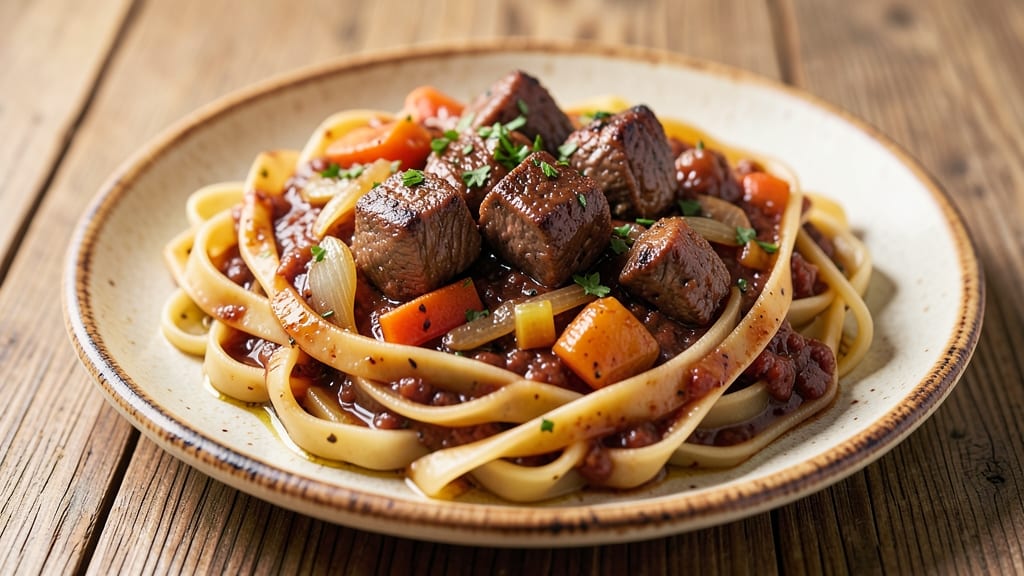
Jamie Oliver's pappardelle with beef ragu transforms simple ingredients into a restaurant-worthy meal that feels like a hug in a bowl. The rich, deep-red sauce clings perfectly to wide ribbons of pasta, creating every bite into a flavor-packed experience.
I've recreated this dish countless times in my cramped Boston kitchen, adjusting techniques until I nailed the balance between tender beef and velvety sauce.
What sets this recipe apart is the slow-cooked beef ragu that develops layers of flavor through careful simmering. The key lies in browning the meat properly and deglazing the pan to capture all those flavorful browned bits—this is where the magic happens.
With just 15 minutes of prep and 3 hours of hands-off cooking, you'll end up with a dish that feels special without requiring all day in the kitchen.
The result is fork-tender beef chunks swimming in a glossy, tomato-based sauce that's rich yet balanced. The pappardelle absorbs the sauce beautifully, creating that perfect clinging texture Jamie Oliver is known for. This is comfort food at its finest—warm, satisfying, and packed with flavor that'll have everyone asking for seconds.
Perfect for date nights, family dinners, or when you want to impress guests without stressing over complicated techniques. The recipe scales beautifully too, so you can easily double it for a crowd. Let's get cooking!
Ingredients for jamie oliver's pappardelle with beef ragu
Simple ingredients that build deep, restaurant-quality flavor in every bite.
| Ingredient | Amount | Notes |
|---|---|---|
| Pappardelle Pasta 🍝 | 12 oz | Fresh or dried, ribbons preferred |
| Chuck Roast 🥩 | 2 lb | Well-marbled, cut into 1-inch cubes |
| Extra-Virgin Olive Oil 🫒 | ¼ cup | For browning meat, fruity variety |
| Yellow Onion 🧅 | 1 whole | Diced, about 1.5 cups |
| Carrots 🥕 | 2 whole | Peeled, sliced into 1/4-inch rounds |
| Celery Stalks 🥬 | 2 whole | Diced, about 1 cup |
| Garlic Cloves 🧄 | 6 cloves | Peeled, smashed |
| Canned San Marzano Tomatoes 🍅 | 28 oz | Crushed by hand, seeds removed |
| Dry Red Wine 🍷 | 1 cup | Bold variety like Cabernet Sauvignon |
| Beef Broth 🥛 | 2 cups | Homemade or high-quality store-bought |
| Tomato Paste 🍅 | 2 tbsp | Squeeze tube preferred for convenience |
| Fresh Rosemary 🌿 | ¼ cup | Chopped, stems removed |
| Fresh Thyme 🌿 | ¼ cup | Leaves only, stems discarded |
| Diamond Crystal Kosher Salt 🧂 | 1 ½ tsp | Adjust to taste throughout |
| Freshly Ground Black Pepper 🌶️ | 1 tsp | Cracked peppercorns preferred |
| Whole Milk 🥛 | ¼ cup | For finishing, full-fat preferred |
| Parmesan Cheese 🧀 | ½ cup | Freshly grated, aged variety |
The chuck roast is your secret weapon here—its marbling keeps the beef fork-tender while slow-cooking. Costco sells it pre-cubed for convenience, but if you're buying a whole roast, ask the butcher to cut it into 1-inch pieces. Look for vibrant red meat with visible fat marbling, not gray or dry cuts. The San Marzano tomatoes are worth the splurge—Trader Joe's carries them canned, and their sweet, meaty flavor makes all the difference. Fresh herbs are ideal for this dish, but if you're using dried, reduce the amount to one-third since they're more concentrated.
No red wine? Substitute an extra 1/2 cup of beef broth—it won't be identical, but you'll still get that deep, rich flavor. The tomato paste can be skipped if you're short on time, but it adds that concentrated umami punch that makes the sauce sing. For the herbs, dried rosemary and thyme work in a pinch (use half the amount), but fresh is always better. If you can't find San Marzano tomatoes, any high-quality canned tomatoes will do—just be sure to crush them by hand to remove excess seeds. The Parmesan should be freshly grated; pre-grated cheese gets clumpy and lacks the nutty depth of the real thing.
This ragu tastes even better the next day, so make it ahead if you can. Store it in an airtight container in the fridge for up to 5 days, or freeze portions for 3 months. When reheating, add a splash of water or broth to loosen the sauce. The pasta should be cooked al dente—it'll finish cooking in the sauce. For serving, I like to toss the cooked pappardelle with a splash of the cooking water first, then add the ragu and top with extra Parmesan. The milk at the end is key—it smooths out the sauce and adds a velvety finish that's pure comfort food magic.
Why You'll Love This Recipe
- One-Pot Magic: I swear by this recipe when I’m too tired to dirty more than one pan. Chuck roast and onions slow-cook into a rich ragu while you prep the pappardelle—no chopping frenzy, just stir-and-savor.
- Deep Umami Bomb: That chuck roast? It melts into the sauce until it’s dangerously tender, with carrots adding natural sweetness that balances the acidity. Honestly, the first time I tasted it, I nearly licked the pot clean.
- Leftovers That Shine: This ragu tastes better the next day—yes, really. I make a double batch on Sundays, freeze half, and reheat it for lazy nights. The pappardelle soaks up all the flavor, so it’s a no-fuss meal any day.
- Budget-Friendly Feast: Chuck roast is my secret for stretching meals without skimping on taste. A few euros for a big cut, plus pantry staples, feeds four for under €15. (Yes, even on a Tuesday night.)
Step-by-step instructions for pappardelle with beef ragu
Here's how to create Jamie Oliver's signature deep-red ragu that clings beautifully to pappardelle.
Brown the Chuck Roast for Deep Flavor
Heat a large Dutch oven over medium-high heat. Add the 0.25 cup extra-virgin olive oil and let it shimmer for 30 seconds. Working in batches if needed, add the 2 lb chuck roast cut into 1-inch cubes, spreading them in a single layer. Don't overcrowd the pan—this prevents proper browning.
Sear the meat undisturbed for 3-4 minutes until deeply golden brown on all sides. This caramelization forms the flavor foundation of your ragu. Transfer the browned meat to a plate and set aside. Real talk: if you skip this step, your sauce will taste flat and one-dimensional. The Maillard reaction happening here creates those complex, meaty notes that make this dish special.
Build the Vegetable Base and Deglaze
In the same Dutch oven, add the 1 whole yellow onion, 2 whole carrots (sliced into ¼-inch rounds), and 2 whole celery stalks (diced). Cook over medium heat for 8-10 minutes, stirring occasionally, until the vegetables soften and begin to caramelize. This process develops their natural sweetness and creates a flavorful base for your sauce.
Add the 6 cloves garlic cloves (smashed) and cook for 30 seconds until fragrant. Immediately pour in the 1 cup dry red wine and scrape up all the browned bits from the bottom of the pan using a wooden spoon. This deglazing step captures all that concentrated flavor that would otherwise burn. Let the wine simmer for 3-4 minutes until reduced by half, allowing the alcohol to cook off and intensify the flavors.
Simmer the Tomato and Herb Mixture
Add the 28 oz canned San Marzano tomatoes (crushed by hand with seeds removed), 2 tbsp tomato paste, 0.25 cup fresh rosemary, 0.25 cup fresh thyme, 1.5 tsp diamond crystal kosher salt, and 1 tsp freshly ground black pepper to the Dutch oven. Stir well to combine all ingredients. Bring the mixture to a gentle simmer over medium-low heat.
Return the browned chuck roast to the pot and add the 2 cups beef broth. Partially cover the Dutch oven and let the mixture simmer gently for 2 hours, stirring occasionally. Here's the thing—this long cooking time transforms tough chuck roast into tender, melt-in-your-mouth beef. The sauce should reduce slightly, becoming thick and rich. If it gets too thick before the meat is tender, add a splash of water or broth to maintain the proper consistency.
Finish with Milk and Parmesan
Once the beef is fork-tender and the sauce has thickened to your desired consistency, remove the Dutch oven from heat. Stir in the 0.25 cup whole milk and 0.5 cup parmesan cheese, whisking until smooth and creamy. This final step adds richness and balances the acidity of the tomatoes. The milk also helps create that signature velvety texture that clings perfectly to the pappardelle.
Taste the sauce and adjust seasoning if needed. You'll want a perfect balance of saltiness, acidity, and richness. Let the sauce sit off heat for 10 minutes to allow the flavors to meld completely. This resting period is crucial—it lets the sauce develop depth and ensures the parmesan melts smoothly.
Cook and Serve the Pappardelle
Bring a large pot of well-salted water to a rolling boil. Add the 12 oz pappardelle pasta and cook according to package instructions until 1 minute shy of al dente. Reserve 1 cup of pasta water before draining. The starchy water helps create the perfect sauce consistency.
Transfer the drained pasta to the Dutch oven with the beef ragu. Toss gently to coat each strand completely with the rich sauce, adding reserved pasta water as needed to achieve your desired consistency. The sauce should cling beautifully to the wide ribbons of pappardelle, creating that signature Jamie Oliver presentation. Serve immediately, garnished with additional fresh thyme leaves if desired. Each bite should deliver tender beef, aromatic vegetables, and that perfect balance of flavors in every mouthful.
Pro Tips For Making Jamie Oliver'S Pappardelle With Beef Ragu
- Brown the Chuck: That first sear is where all the flavor hides—don’t skip it. Cut the chuck into 2-inch chunks, pat them dry, and cook in batches over medium-high heat until deep brown, about 3-4 minutes per side. I used to rush this and wondered why my ragu tasted bland. Medium-high is non-negotiable—too low, and it steams instead of caramelizing.
- Dice the Onion Right: Jamie’s recipe calls for finely chopped onion, but don’t go crazy—aim for ¼-inch dice. Too fine, and it burns before softening; too big, and it stays chunky. I learned this the hard way when my ragu turned bitter from overcooked onion. A sharp knife and steady hand make this step actually enjoyable.
- Deglaze with Wine Early: As soon as you pull the beef off the pan, splash in that glass of red wine immediately—don’t let the fond stick. Scrape every bit off the bottom with a wooden spoon; that’s where the magic happens. I used to let it sit too long, and half the flavor vanished down the drain.
- Simmer Low and Slow: This isn’t a 30-minute ragu—plan for at least 2.5 hours, covered, on the lowest heat setting your stove offers. The beef needs time to fall apart, and the sauce to deepen. I was skeptical until I tried it; the difference between rushed and patient is night and day. Yes, even if you’re impatient like me.
Serving suggestions for this recipe
Classic Garlic Bread
No Italian meal is complete without a basket of warm, buttery garlic bread. I reach for a French baguette from my local neighborhood market—I prefer the crispy crust and airy crumb.
Slice it lengthwise, then mix ½ cup unsalted butter, 3 minced garlic cloves, 2 tbsp chopped parsley, and a pinch of salt. Spread generously and toast in a 400°F oven for 8-10 minutes until golden. The garlic aroma will make your kitchen smell like heaven. 🌿
Simple Arugula Salad
For a refreshing contrast, I toss 4 cups baby arugula with 2 tbsp extra-virgin olive oil, 1 tbsp lemon juice, and a pinch of flaky sea salt. The peppery bite cuts through the richness of the ragu beautifully.
Add ¼ cup shaved Parmesan if you want extra cheese goodness. This salad takes 5 minutes to assemble—perfect for busy weeknights.
Polenta as a Side
Creamy polenta makes an excellent alternative to pasta. Cook 1 cup polenta with 4 cups chicken broth and 1 tbsp butter over medium heat for 20 minutes, stirring constantly. For extra richness, stir in ¼ cup grated Parmesan at the end.
Serve it as a base for the ragu or alongside the pappardelle for a heartier meal. The slight sweetness of polenta complements the savory beef beautifully. 🍲
Wine Pairing Perfection
This dish deserves a bold red wine. I always reach for a Chianti Classico from Tuscany—its bright acidity and cherry notes cut through the richness of the ragu. For something more approachable, a Cabernet Sauvignon with 12-14% alcohol works perfectly.
Avoid heavy, oaky wines that would overpower the delicate flavors. If you prefer white, a dry Pinot Grigio offers a refreshing contrast. 🍷
Finishing Touches
Before serving, I like to sprinkle the pappardelle with freshly cracked black pepper and a final dusting of Parmesan cheese. For an extra pop of color, add a few baby spinach leaves that wilt slightly in the hot sauce.
The contrast of textures and temperatures makes every bite exciting. Don't forget to save some of that rich ragu for leftovers—it tastes even better the next day! 💫
Nutrition facts
Frequently asked questions
Can I use ground beef instead of chuck roast for this recipe?
The chuck roast is ideal because its fat content keeps the meat tender during long simmering. Ground beef will cook much faster and may dry out. If you must substitute, use 80/20 lean-to-fat ground beef and reduce simmering time to 1 hour, but the texture won't be identical. The beef chunks in this dish create that satisfying bite that makes it special.
How do I make this dish ahead of time?
The ragu actually tastes better the next day! Cook the sauce completely, cool it, then refrigerate in an airtight container for up to 5 days. Reheat gently on low heat, adding a splash of beef broth to loosen the sauce. Cook the pappardelle fresh when ready to serve. For freezing, portion the sauce and freeze for 3 months—thaw overnight in the fridge.
Why does Jamie Oliver use milk in this recipe?
The milk at the end creates that signature velvety texture that clings perfectly to the pappardelle. It balances the acidity of the tomatoes and adds richness without overpowering the beef flavors. Whole milk works best, but if you're avoiding dairy, substitute with ½ cup heavy cream or ¼ cup coconut milk for a similar effect.
What's the best way to cook the pappardelle?
Cook the pasta 1 minute less than package instructions for al dente texture—it'll finish cooking in the sauce. Reserve 1 cup pasta water before draining, as it helps create the perfect sauce consistency. Toss the drained pasta with the ragu immediately to prevent sticking, adding pasta water as needed to loosen the sauce.
Can I make this dish vegetarian?
Replace the beef with mushrooms (cremini or portobello) and lentils for protein. Sauté the mushrooms first to develop their flavor, then proceed with the recipe. For extra richness, add 1 tbsp balsamic vinegar with the wine. The tomato-herb base will still shine, though the texture will be different from the original beef version.