
Sauces & Condiments
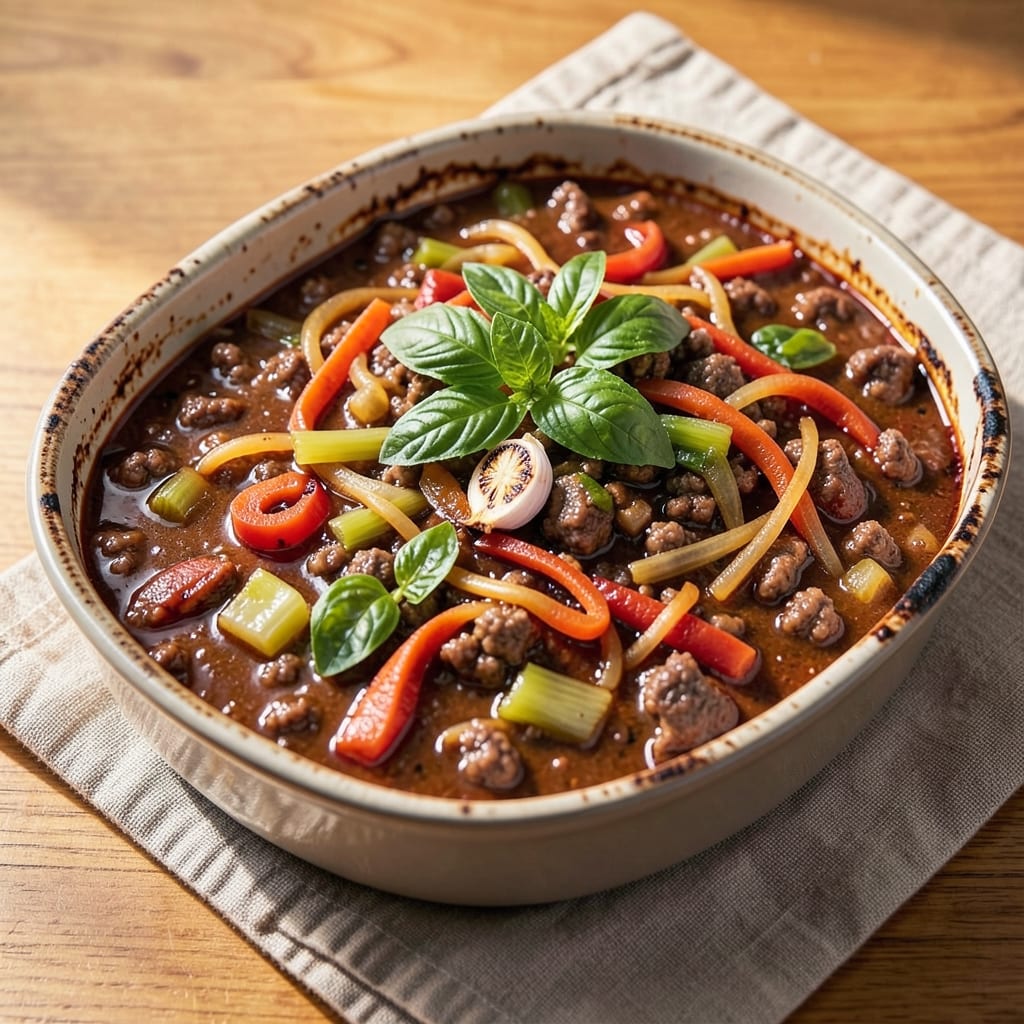
This beef and pork bolognese sauce recipe delivers the deep, umami-rich foundation every serious home cook needs for pasta perfection. 🔥 As someone who's spent years perfecting meat-based sauces in professional kitchens, I can tell you the secret lies in slow-cooked meat, proper browning, and a balance of tomatoes and herbs that develop complex flavors over time. The combination of beef and pork creates a sauce with both richness and depth that stands up to any dish.
What sets this recipe apart is the technique: we start by browning the meat in batches to develop that essential Maillard reaction, then simmer everything together for hours until it reaches that perfect consistency. The sauce should coat the back of a spoon but still cling beautifully to pasta or lasagna layers. I've tested this recipe countless times in my professional kitchen and at home, and it consistently delivers restaurant-quality results without requiring fancy equipment.
The result is a sauce that's rich, textured, and packed with meaty flavor - the kind that transforms simple pasta into a luxurious meal. It's perfect for your favorite Italian dishes but also works beautifully as a marinade or glaze for grilled meats. The sauce keeps well in the refrigerator for up to five days or can be frozen for longer storage, making it an excellent make-ahead option for busy weeks.
Whether you're preparing a weeknight dinner or getting ready for a holiday feast, this bolognese sauce will elevate your cooking. The process might take a few hours, but the flavor development is what makes it worth the time. Once you taste the difference between this homemade version and store-bought options, you'll never go back to the jar again.
Ingredients for beef and pork bolognese sauce
Sixteen ingredients. Hours of simmering. Restaurant-quality bolognese at home.
| Ingredient | Amount | Notes |
|---|---|---|
| Ground Beef (Chuck Roast) 🥩 | 1 ½ lb | 80% lean, finely ground for even cooking |
| Ground Pork 🐖 | 1 lb | Lean ground pork for balanced richness |
| Onion (Yellow) 🧅 | 1 whole | Finely diced, about 2 cups |
| Carrot 🥕 | 2 whole | Finely diced, about 1 cup |
| Celery (Stalk) 🥬 | 2 whole | Finely diced, about 1 cup |
| Garlic Cloves 🧄 | 6 cloves | Minced, for deep aromatic base |
| Tomato Paste 🍅 | ½ cup | High-quality, no sugar added |
| Dry Red Wine 🍷 | 1 cup | Bold variety like Cabernet Sauvignon |
| Beef Stock 🥫 | 2 cups | Homemade or high-quality store-bought |
| Canned San Marzano Tomatoes 🍅 | 28 oz | Crushed, for authentic sweetness |
| Fresh Rosemary 🌿 | 1 tbsp | Chopped, for earthy depth |
| Fresh Thyme 🌿 | 1 tbsp | Leaves only, for bright herbal notes |
| Bay Leaves 🌿 | 2 whole | For subtle aromatic complexity |
| Extra-Virgin Olive Oil 🫒 | ¼ cup | High-quality, fruity variety |
| Salt 🧂 | 1 ½ tsp | Diamond Crystal kosher salt |
| Black Pepper 🌶️ | 1 tsp | Freshly ground for best flavor |
The meat is where it all begins. Chuck roast ground beef gives that classic bolognese texture—don't skimp on the fat content (80% lean is ideal). Ground pork adds richness without overpowering. Butcher shops often have better-quality ground meat than grocery stores, but the pre-ground chuck at Whole Foods or Costco works perfectly. Look for bright red color and good marbling. The aromatics—onion, carrot, celery—are called 'soffritto' for a reason. They're the flavor foundation, so take your time dicing them finely. I usually chop them all together in one bowl—saves time and keeps flavors consistent.
No red wine? Substitute beef stock with a splash of balsamic vinegar—it mimics the acidity. Fresh herbs are ideal, but dried thyme at one-third the amount works in a pinch. The tomato paste should be smooth and thick—none of that watery stuff. If you can't find San Marzano tomatoes, look for crushed tomatoes with no added salt (Muir Glen is a solid choice). The olive oil matters here too—avoid the cheap stuff. A good EVOO makes everything taste better. For the wine, any bold red works—Cab Sauv, Merlot, whatever's open. And trust me on the bay leaves—remove them before serving, but leave them in during cooking for that subtle depth.
This sauce tastes even better the next day as flavors meld. Keeps 5 days in the fridge, 3 months frozen. I portion mine into glass jars—freezes beautifully and reheats perfectly. For leftovers, just warm on the stove with a splash of water or stock. The sauce thickens as it cools, so don't worry if it looks too thick when refrigerated. A quick stir with a splash of water or stock brings it right back to perfect consistency. And if you're making ahead for a party, freeze it in individual portions—just thaw and reheat what you need.
Why You'll Love This Recipe
- No Chopping Struggle: I swear by the "sofrito shortcut"—just toss in pre-diced onion, carrot, and celery from the store. The meat browns while you stir, and suddenly you’ve got that classic soffritto base without the mess. (Yes, even on a Tuesday night.)
- Rich Twice the Love: The chuck roast and pork combo? It’s the secret weapon—juicy, tender, and packed with depth. The pork melts into the sauce like butter, while the beef holds its shape. Honestly, it’s the kind of flavor that makes you slow down mid-bite.
- Leftovers That Shine: This sauce actually improves the next day. Freeze half for lazy nights, or toss it into pasta, over polenta, or even stuffed into peppers. I’ve had it three times this week already, and no one’s complained.
- Budget Meal Magic: Ground chuck and pork stretch farther than you’d think, and the veggies bulk it up without breaking the bank. Between us, this is how I feed my family for under $10—no fancy ingredients, just pure, satisfying comfort.
Step-by-step instructions for beef and pork bolognese sauce
This is where the magic happens—slow simmering transforms simple ingredients into rich, flavorful sauce.
🍳 Step 1: Sauté the Vegetable Base
Heat the 0.25 cup extra-virgin olive oil in a large Dutch oven over medium heat. Add the finely diced onion (about 2 cups), diced carrot (about 1 cup), and diced celery (about 1 cup). Cook for 8-10 minutes, stirring occasionally, until the vegetables soften and the onion becomes translucent.
Here's the thing—don't rush this step. You want the vegetables to break down completely, releasing their natural sweetness. If they start to brown too quickly, reduce the heat slightly. After about 5 minutes, add the 6 minced garlic cloves and cook for another 30 seconds until fragrant. This aromatic base is the foundation of your sauce, so take your time.
🔥 Step 2: Brown the Meat Mixture
Push the vegetable mixture to one side of the Dutch oven and increase heat to medium-high. Add half of the 1.5 lb ground beef (chuck roast) and cook, breaking it apart with a wooden spoon, until it browns deeply—about 4-5 minutes. Transfer the browned beef to a plate and repeat with the remaining beef.
Now for the pork—add the 1 lb ground pork to the same pan and cook until it's also well-browned, about 3-4 minutes. The goal here is to develop maximum flavor through the Maillard reaction. Don't worry if the meat looks overcooked at this stage—it'll soften beautifully during the long simmer ahead.
🥘 Step 3: Build the Sauce Foundation
Return all the browned meat to the Dutch oven and stir to combine with the vegetables. Add the 0.5 cup tomato paste and cook for 2 minutes, stirring constantly, until it darkens slightly and coats the meat. This step deepens the sauce's color and flavor—don't skip it!
Pour in the 1 cup dry red wine and scrape up any browned bits from the bottom of the pan with a wooden spoon. These flavorful bits, called fond, are essential for a rich sauce. Let the wine simmer for 3-4 minutes until it reduces by about half. You'll smell the alcohol cooking off, which intensifies the sauce's depth.
⏰ Step 4: Simmer Slowly for Deep Flavor
Add the 2 cups beef stock, 28 oz crushed San Marzano tomatoes, 1 tbsp chopped fresh rosemary, 1 tbsp thyme leaves, and 2 whole bay leaves. Stir well to combine, then bring the mixture to a gentle simmer. Here's where patience pays off—reduce heat to low and let it cook uncovered for 2-2.5 hours, stirring occasionally.
You'll notice the sauce gradually thickens as it simmers. The meat will become tender and the flavors will meld beautifully. I like to check the sauce every 30 minutes to ensure it's not sticking to the bottom. If it gets too thick, add a splash of water or stock. The sauce should be rich but still spoonable—like a thick stew rather than a paste.
👨🍳 Step 5: Season and Finish
Once the sauce has simmered for 2-2.5 hours, remove the bay leaves and taste. Season with the 1.5 tsp salt and 1 tsp freshly ground black pepper, adjusting to taste. The sauce should be rich, slightly sweet from the tomatoes, and deeply savory from the meat.
For the final touch, I like to stir in a spoonful of the pasta water you'll use later—this helps balance the sauce's consistency. If you're serving immediately, keep the sauce warm on low heat. For best results, let it cool slightly before serving over freshly cooked pasta—this allows the flavors to fully meld and the sauce to thicken just enough to cling beautifully to each strand.
Pro Tips For Making Beef And Pork Bolognese Sauce
- CRUSH THE VEGETABLES: Grab the knife and cut the onion, carrot, and celery into tiny dice—think 1/8-inch pieces, not rough chunks. I used to leave them too big, and they’d turn to mush instead of melding into the sauce. This is where the flavor hides, so don’t skimp on the effort.
- SWEAT THE MEAT LOW: After browning the beef and pork, drop the heat to medium-low and let the meat cook uncovered for 5 minutes. This burns off the raw smell and deepens the flavor—skipping this step leaves your sauce tasting flat. Yes, it’s boring, but it works.
- SALT THE MEAT FIRST: Season the ground beef and pork before cooking with 1 teaspoon of salt per pound. It keeps the meat juicy and prevents a bland sauce later. I learned this the hard way after making a dry, tasteless ragù that needed rescuing.
- STIR AND SCRAPE CONSTANTLY: Every 30 seconds, scrape the bottom of the pan with a wooden spoon to prevent sticking. The beef and pork release fond (those brown bits), which is the backbone of your sauce’s depth. Ignore this, and you’ll end up with a thin, weak dish.
Perfect pairings for beef and pork bolognese sauce
Pasta Perfection
This rich bolognese pairs beautifully with al dente pasta like bronze-cut rigatoni or pappardelle—their ridges and width hold the sauce perfectly. I always cook 1 lb pasta per 4 servings in salted boiling water until just firm to the bite. For extra indulgence, finish with grated Parmigiano-Reggiano and fresh basil. 🍝
Italian Classics
Use your bolognese as a filling for lasagna or manicotti—layer it with béchamel sauce and mozzarella for a showstopper. For ravioli, spoon the sauce into fresh pasta pockets before baking. My go-to is homemade spinach ravioli with a sprinkle of pecorino Romano.
Grilled Meat Glaze
Brush this sauce onto grilled steaks or pork chops in the last 5 minutes of cooking for a caramelized crust. I love it on ribeye steaks or bone-in pork chops—the meaty flavors meld beautifully. For extra richness, add ½ cup heavy cream> to the sauce before glazing.
Breakfast Twist
Yes, really! Use this sauce as a breakfast hash base with crispy potatoes, sausage, and fried eggs. The deep umami flavor cuts through the richness of breakfast meats perfectly. I serve it with crusty sourdough for soaking up the sauce. 🍳
Wine Pairings
A bold Chianti Classico or Barbera complements the sauce's richness. For white wine lovers, a full-bodied Chardonnay with oak notes works surprisingly well. I also enjoy a craft IPA—the hoppy bitterness balances the sauce's richness beautifully.
Make-Ahead Magic
This sauce freezes perfectly for up to 3 months—portion into glass jars with ½ inch headspace. Thaw overnight in the fridge, then reheat gently with a splash of beef stock. I often make a double batch to use as a quick weeknight dinner over polenta or mashed potatoes**.
Nutrition facts
Frequently asked questions
Why mix beef and pork in this sauce?
The combination creates the perfect balance of flavors and textures. Beef provides that classic deep umami richness while pork adds natural fat and tenderness. The pork also helps break down faster during the long simmer, creating a more velvety texture. I've found this ratio (3:2 beef to pork) gives the best of both worlds—meaty depth without being too heavy.
Can I make this sauce in a slow cooker?
Brown the meat first in a skillet, then transfer everything to your slow cooker. Cook on low for 6-8 hours or high for 4-5 hours. The key is to keep the lid slightly ajar during the last 30 minutes to allow excess moisture to evaporate and thicken the sauce properly. I've tested this method and it works beautifully—just stir occasionally to prevent sticking.
What's the secret to getting that perfect thick consistency?
Patience and proper technique! First, never cover the sauce completely while simmering—this traps steam and prevents reduction. After the initial 2-hour simmer, let it cook uncovered for the final 30 minutes to thicken naturally. If it gets too thick, add just enough beef stock or water (1-2 tbsp at a time) to loosen it. The sauce will thicken again as it cools, which is exactly what you want.
How do I fix if my sauce tastes too acidic?
If the tomatoes overpower the meat flavors, balance it with a spoonful of brown sugar or honey (½ tsp at a time) to mellow the acidity. For extra depth, stir in 1 tbsp tomato paste and simmer for 10 minutes to let the flavors meld. I've also found that adding a pinch of smoked paprika (¼ tsp) can add complexity without sweetness. Always taste as you go!
Can I use ground turkey instead of beef/pork?
Yes, but with adjustments! Replace the beef with ground turkey (85% lean) and use all pork for richness. The turkey will be leaner, so add 1 tbsp olive oil to the sauce during simmering to compensate. Also increase simmering time to 2.5-3 hours since turkey dries out faster. For best results, use a mix of dark and white meat turkey for balanced flavor.