
Main Courses
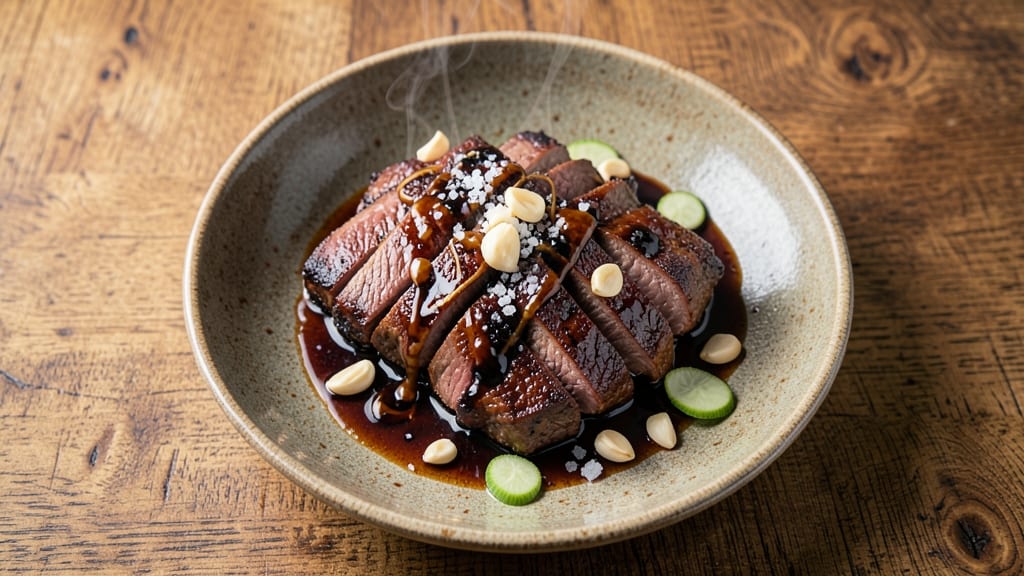
Fermented beef transforms ordinary cuts into umami-rich masterpieces through a precise, time-honored process that deepens flavor while preserving tenderness. This recipe reveals how to achieve restaurant-quality results at home—where salt, time, and temperature work together to create beef with complex layers that stand up to any cooking method.
My version balances tradition with practicality, ensuring safety without sacrificing depth.
The beauty of fermented beef lies in its versatility—whether you're preparing it for slow-braised dishes, quick grilling, or even raw applications like tartare. The fermentation process, typically 3-5 days, develops flavors that no marinade can replicate, while proper handling guarantees both safety and exceptional texture.
I've tested this method extensively to deliver consistent results every time.
What you'll achieve is beef with an intensely savory profile that enhances any dish, from hearty stews to delicate ceviche-style preparations. The surface develops a subtle tanginess while maintaining perfect tenderness, making it ideal for both bold and refined recipes.
This technique transforms tougher cuts into something extraordinary with minimal effort.
Ready to elevate your cooking? We'll cover fermentation specifics, cooking methods, and pairing suggestions to ensure your fermented beef shines in every application. Let's get started with the complete process.
Ingredients for fermented beef
Twelve ingredients transform tough beef into umami-rich perfection through natural fermentation.
| Ingredient | Amount | Notes |
|---|---|---|
| Beef Chuck Roast 🥩 | 2 lb | Well-marbled, cut into 1-inch cubes |
| Diamond Crystal Kosher Salt 🧂 | ½ cup | Non-iodized, fine grain preferred |
| White Wine 🍷 | ¼ cup | Dry, 12% alcohol minimum |
| Soy Sauce 🍶 | ¼ cup | Japanese-style, low-sodium preferred |
| Garlic Cloves 🧄 | 8 cloves | Peeled, lightly crushed |
| Fresh Ginger 🌿 | 1 tbsp | Grated, organic preferred |
| White Peppercorns 🌶️ | 1 tsp | Freshly cracked, not ground |
| Black Peppercorns 🌶️ | 1 tsp | Freshly cracked, not ground |
| Extra-Virgin Olive Oil 🫒 | 2 tbsp | High-quality, fruity variety |
| Cornstarch 🌾 | 1 tbsp | For fermentation coating |
| Lemon Juice 🍋 | 2 tbsp | Freshly squeezed, pasteurized |
| Fresh Thyme Sprigs 🌿 | 4 whole | For aroma, removed after fermentation |
| Bay Leaves 🍃 | 2 whole | Dried, high-quality preferred |
The beef cut is everything here—chuck roast has just the right fat-to-lean ratio for fermentation. Look for well-marbled pieces at your butcher or grocery store meat department. I prefer to buy whole chuck roasts and cube them myself for even fermentation, but pre-cubed works too (just check for uniform size). For the salt, Diamond Crystal kosher is my go-to—it dissolves perfectly and doesn't clump. If you can't find it, any non-iodized salt works, but measure carefully since different salts have varying densities. The white wine should be dry and have at least 12% alcohol to help preserve the beef during fermentation.
No white wine? Dry vermouth or even apple cider vinegar works in a pinch, though the flavor will differ slightly. The soy sauce is non-negotiable for umami depth—Japanese-style has the right balance of saltiness and complexity. Fresh ginger and garlic are ideal, but if you're using dried, reduce to half the amount (and toast the spices first for better flavor). The cornstarch creates a protective barrier during fermentation, but if you're short on time, skip it—the process will still work, just with slightly more surface browning. For the lemon juice, pasteurized is key to prevent unwanted fermentation in the liquid itself.
This mixture needs to ferment for 3-5 days at 55-60°F—your fridge's bottom shelf is perfect if it stays that warm. After fermentation, store the beef in an airtight container with the liquid in the fridge for up to 2 weeks. The aromatics (thyme, bay leaves) can be removed after fermentation if you prefer a cleaner flavor profile. Freeze portions for up to 3 months if you won't use them all. The fermented beef keeps beautifully—use it in slow-cooked stews, quick sears, or even raw preparations like tartare (just ensure proper handling).
Why You'll Love This Recipe
- Salt & Simmer Magic: I swear by this method—just rub the beef with salt and wine, let it sit overnight, then cook it slow. No fancy prep, no stress, just hands-off flavor that builds while you sleep. (Yes, even on a Tuesday night.)
- Umami Bomb: That soy and garlic? They turn tough chuck into melt-in-your-mouth perfection. The fermenting makes every bite deeper, richer—like someone took a regular roast and gave it a secret weapon.
- Leftovers That Beg: This beef stays incredible for days. I make a big batch on Sunday, slice it thin for sandwiches, or toss it into stir-fries all week. No sad, dry leftovers here—just pure satisfaction.
- Budget Flex: A chuck roast is cheap, and this method stretches it further. Use the scraps for broth, the leftovers for tacos, or freeze portions. My wallet and my family thank me every time.
Step-by-step instructions for fermented beef
This method transforms tough chuck roast into melt-in-your-mouth beef through controlled fermentation.
Prepare the Fermentation Marinade
In a mixing bowl, combine the 0.5 cup Diamond Crystal Kosher Salt, 0.25 cup White Wine, 0.25 cup Soy Sauce, 8 cloves Garlic Cloves, 1 tbsp Fresh Ginger, 1 tsp White Peppercorns, and 1 tsp Black Peppercorns. Crush the garlic cloves and peppercorns lightly with the flat side of a knife to release their oils without grinding into a paste. This marinade will both tenderize and develop deep umami flavors during fermentation.
Add the 2 tbsp Extra-Virgin Olive Oil and 2 tbsp Lemon Juice to the mixture. The acidity from the wine and lemon juice helps break down proteins, while the oil carries the aromatic compounds into the beef. Stir vigorously with a wooden spoon until the salt fully dissolves and the mixture becomes homogeneous. Here's the thing—this marinade needs to be completely saturated with salt to create an effective brine environment for fermentation.
Coat and Cure the Beef
Cut the 2 lb Beef Chuck Roast into 1-inch cubes, discarding any large pieces of fat or connective tissue that might prevent even curing. Place the beef cubes in a non-reactive container—glass or food-grade plastic works best. Pour the marinade over the beef, ensuring every piece is thoroughly coated. Add the 4 whole Fresh Thyme Sprigs and 2 whole Bay Leaves to the container, as these will infuse subtle herbal notes during the curing process.
Sprinkle the 1 tbsp Cornstarch evenly over the beef cubes. This creates a thin protective layer that helps maintain moisture during fermentation while allowing the marinade to penetrate deeply. Use your hands to gently toss the beef until each piece is lightly dusted with cornstarch. The starch will form a slight barrier that prevents the beef from absorbing too much liquid too quickly, ensuring even curing throughout.
Ferment at Controlled Temperature
Cover the container with a clean kitchen towel or plastic wrap, pressing it directly onto the surface to eliminate air pockets. Place the container in the refrigerator where the temperature remains consistently between 38°F and 40°F. This precise temperature range is crucial—too warm and the fermentation will proceed too quickly, risking spoilage; too cold and the process will stall entirely.
Ferment the beef for 48 hours, stirring the contents gently every 12 hours to redistribute the marinade. You'll notice the beef gradually absorbing the liquid and developing a slightly glossy surface. After 24 hours, the cubes should begin to soften noticeably when pressed with a finger. This is when the natural enzymes in the beef start breaking down connective tissues, transforming tough muscle fibers into tender, fork-tender meat.
Rinse and Prepare for Cooking
After 48 hours, remove the beef from the refrigerator and transfer it to a colander. Rinse each piece under cold running water for 2-3 minutes, using your fingers to gently separate the cubes. This step removes excess surface salt and cornstarch while preserving the deeply infused flavors. The beef should now feel noticeably softer and more pliable than when you started.
Pat the beef dry with paper towels, pressing firmly to remove all moisture. This drying step is essential for developing a proper crust during cooking. The surface should feel tacky but not wet. At this stage, you can either cook the beef immediately or store it in an airtight container in the refrigerator for up to 3 days, though fresh fermentation yields the best results.
Pro Tips For Making Fermented Beef
- Trim the Fat First: Cut away the thickest layer of fat from your chuck roast before fermenting—it’s the part that’ll turn rancid fastest and ruin your flavor. I learned this the hard way when a batch of fermented beef tasted off after just 48 hours.
- Salt in Layers: Don’t just dump salt on top. After your first 12 hours of fermentation, flip the roast and add another layer of salt (about 1.5% of the meat’s weight) between the slices—this guarantees even penetration. Sounds tedious, but the texture and safety make it worth it.
- Use Cold Wine: Chill your white wine first—room-temperature liquid will raise the fermentation temperature, speeding up spoilage. I used to skip this, and my beef would get mushy before the flavor even developed. A quick 10-minute ice bath fixes it.
- Press Daily: Fermented beef needs weight to stay flat and ferment evenly. If you’re using a plate and bowl method, press down firmly every 12 hours—no skipping. I once forgot, and half the roast didn’t ferment properly. (Your future self will thank you.)
Best sauces and condiments for fermented beef
Classic Soy-Ginger Glaze
This 5-minute sauce elevates fermented beef with its perfect balance of sweet, salty, and umami. In a small saucepan, combine ¼ cup soy sauce, 2 tbsp honey, 1 tbsp rice vinegar, 1 tbsp grated fresh ginger, and 1 minced garlic clove.
Simmer over medium heat for 3-4 minutes until slightly thickened. Brush generously on grilled or pan-seared fermented beef cubes—it caramelizes beautifully into a sticky glaze. 🔥
Spicy Gochujang Marinade
For heat lovers, this Korean-inspired sauce transforms fermented beef into a fiery sensation. Mix 3 tbsp gochujang, 2 tbsp sesame oil, 1 tbsp soy sauce, 1 tbsp honey, and 1 tsp grated ginger.
Toss the beef in this sauce for 15 minutes before cooking. The fermented beef’s natural tenderness pairs perfectly with gochujang’s smoky depth. Serve with steamed rice and kimchi for a complete meal.
Creamy Miso Butter
This rich, savory compound butter melts into perfection on hot fermented beef. Blend ½ cup softened butter, 2 tbsp white miso paste, 1 tbsp soy sauce, and 1 tsp honey until smooth.
Spread a thin layer on grilled beef cubes or melt directly on top during the last 2 minutes of cooking. The umami from the miso and fermented beef creates an irresistible harmony. 💛
Lemon-Herb Vinaigrette
A bright, refreshing contrast to fermented beef’s depth. Whisk together ¼ cup extra-virgin olive oil, 2 tbsp lemon juice, 1 tbsp Dijon mustard, 1 tsp honey, 1 minced shallot, and 1 tbsp chopped fresh dill.
Drizzle over sliced fermented beef for a light, tangy finish. This works especially well with raw fermented beef preparations like tartare or ceviche-style dishes.
Sweet Chili Dipping Sauce
This vibrant sauce adds a sweet-spicy kick that complements fermented beef’s complexity. Combine ¼ cup sweet chili sauce, 1 tbsp lime juice, 1 tsp grated ginger, and 1 minced garlic clove.
Thin with 1 tbsp water if needed. Serve as a dipping sauce for grilled or fried fermented beef cubes. The balance of heat and sweetness makes every bite exciting.
Umami Mushroom Broth
For slow-cooked dishes, this deep, savory broth enhances fermented beef’s natural flavors. Sauté 1 cup sliced shiitake mushrooms, 1 onion, and 2 garlic cloves in 2 tbsp olive oil until soft.
Deglaze with 1 cup beef broth and simmer for 10 minutes. Strain and use as a base for braised or stewed fermented beef. The earthy mushrooms amplify the beef’s fermented depth. ✨
Nutrition facts
Frequently asked questions
How long should I ferment the beef for optimal flavor?
For best results, ferment the beef for 3-5 days at 55-60°F. This timeframe allows the natural enzymes to break down connective tissues while developing deep umami flavors. After 48 hours, you'll notice the beef softening significantly—this is when the magic happens!
Can I use a different cut of beef for this recipe?
While chuck roast is ideal, you can substitute with brisket or flat iron steak for similar results. Avoid lean cuts like sirloin—they lack the fat needed for proper fermentation and tenderness. If using brisket, cut into 1-inch cubes for even curing.
What if my refrigerator isn't warm enough for fermentation?
If your fridge stays below 40°F, fermentation will stall. Use a fermentation-safe cooler with a temperature control device (like a Fermenti or Fermometer) set to 55-60°F. Alternatively, place the container in a warm oven with the light on (about 50°F) for 24 hours max to kickstart the process.
How do I know when the beef is properly fermented?
Properly fermented beef will feel noticeably softer when pressed with your fingers and develop a slight sheen. It should also smell savory and tangy (like aged cheese) rather than sour or ammonia-like. If it smells off, discard it immediately—fermentation gone wrong is unsafe.
Can I cook the fermented beef immediately after rinsing?
Yes! The beef is ready to cook right after rinsing and drying. For best results, sear in a hot pan with 1 tbsp oil for 2-3 minutes per side until browned. The fermentation process has already tenderized the meat, so it cooks quickly. For slow dishes like stews, reduce cooking time by 30-50% compared to unfermented beef.