
Main Courses
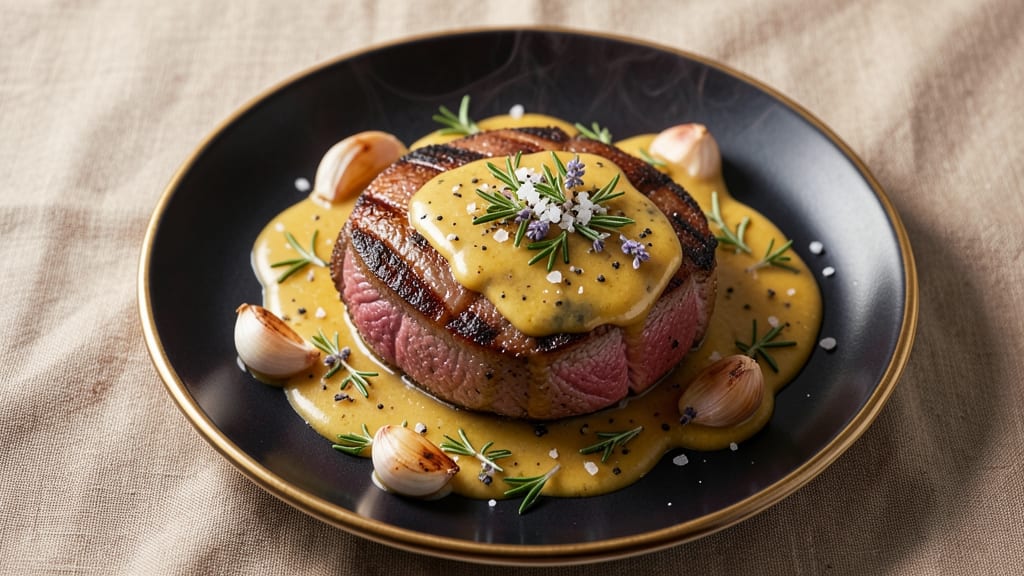
Emeril Lagasse’s beef tenderloin recipe delivers melt-in-your-mouth perfection with a signature herb-butter crust that seals in every juicy bite. The secret lies in precise temperature control and basting with garlic-infused butter—techniques that elevate this cut from impressive to unforgettable.
After perfecting this method over countless dinner parties, I’ve refined it to guarantee restaurant-quality results at home, even for novice cooks.
This recipe transforms a simple roast into a showstopper with minimal effort: just a few herbs, a pound of quality beef, and 30 minutes of active prep time before the oven takes over.
The herb-butter crust forms a golden seal that locks in moisture while adding layers of savory depth, while Emeril’s signature basting method ensures even cooking and maximum flavor infusion. No fancy equipment required—just a meat thermometer and patience for the 20-minute resting period that makes all the difference.
What you’ll end up with is a perfectly cooked tenderloin—tender throughout with a caramelized crust that’s crisp enough to hold a fork yet tender enough to melt. The aroma alone will have guests anticipating dinner, and every bite delivers that perfect balance of buttery richness and herbaceous brightness.
This is the kind of dish that transforms a weeknight into a special occasion without requiring hours in the kitchen.
Pair it with roasted garlic mashed potatoes or a crisp green salad for a complete meal that feels both elegant and approachable. The leftovers reheat beautifully too, making this the ultimate crowd-pleaser for holidays or Sunday dinners.
Let’s get started with the step-by-step method that delivers Emeril’s signature results every time.
Ingredients for emeril beef tenderloin
Quality beef, aromatic herbs, and precise technique create Emeril's signature melt-in-your-mouth tenderloin.
| Ingredient | Amount | Notes |
|---|---|---|
| Beef Tenderloin 🥩 | 2 lb | Center-cut, trimmed of silver skin |
| Unsalted Butter 🧈 | ½ cup | Cold, cut into 1-inch pieces |
| Fresh Rosemary 🌿 | ¼ cup | Finely chopped, organic preferred |
| Fresh Thyme 🌿 | ¼ cup | Leaves only, stems removed |
| Garlic Cloves 🧄 | 6 cloves | Peeled, smashed with side of knife |
| Diamond Crystal Kosher Salt 🧂 | 1 ½ tbsp | For seasoning and crust |
| Ground Black Pepper 🌶️ | 1 tbsp | Freshly cracked, coarse grind |
| Extra-Virgin Olive Oil 🫒 | 2 tbsp | For basting and crust |
| Red Wine Vinegar 🍷 | 1 tbsp | For basting liquid |
| Fresh Parsley 🌿 | ⅛ cup | Chopped, for garnish |
| All-Purpose Flour 🌾 | 1 tbsp | For dusting roasting pan |
The beef tenderloin is the star—center-cut, trimmed of silver skin—for maximum tenderness. Source from a reputable butcher or Whole Foods for optimal marbling. The rosemary and thyme should be vibrant green with no wilting; Trader Joe's organic selection works exceptionally well. Garlic should be fresh, with no green shoots—Costco sells excellent bulk cloves. For the butter, opt for European-style brands like Plugrá or Kerrygold for superior fat content that creates a superior crust. The Diamond Crystal kosher salt is essential for even seasoning and crust formation—avoid table salt as it contains anti-caking agents that inhibit crust development.
No fresh rosemary? Dried rosemary at one-third the amount works, but fresh delivers superior aroma. Substitute fresh sage for thyme if needed, adjusting to taste. For the basting liquid, if red wine vinegar isn't available, apple cider vinegar provides a similar tang. The olive oil should be extra-virgin with noticeable peppery bite—California Olive Ranch or Colavita are reliable choices. If you prefer a different herb profile, fresh marjoram can replace parsley in the garnish. For the flour, ensure it's all-purpose with a protein content of 10-12% for proper crust adhesion.
Store any unused fresh herbs in airtight containers lined with damp paper towels for up to 5 days in the refrigerator. The beef can be prepped 1 day ahead and refrigerated uncovered on a wire rack to dry-brine. For optimal results, rest the meat for 20 minutes after roasting before slicing—this ensures even distribution of juices. Leftovers reheat beautifully in a 350°F oven for 10-15 minutes covered with foil. Portion into individual servings for easy reheating, as the meat loses moisture when sliced too soon.
Why You'll Love This Recipe
- No Fuss Prep: I swear by this recipe because it’s basically hands-off after the initial sear. Slice the tenderloin, toss it with butter, herbs, and garlic—no brining, no marinating, just 20 minutes of oven time. That’s it. No stress, no fuss, just perfect results.
- Herb-Butter Magic: The moment that rosemary and thyme hit the hot pan with the butter? Pure flavor explosion. The crust gets golden and fragrant while the inside stays juicy—like a fancy steakhouse bite at home. (Between us, I’ve had it cold the next day, and it’s still that good.)
- Weeknight to Dinner Party: This recipe works whether I’m feeding my family on a Tuesday or impressing guests on Saturday. Slice it thin for sandwiches, serve it whole for a showstopper centerpiece, or even toss leftover pieces into a pasta the next night. It’s the ultimate chameleon dish.
- Leftovers That Don’t Suck: Most steak leftovers turn into sad, dry scraps—but not this. The butter keeps it rich, and the herbs add freshness even after reheating. I’ll take it cold in a salad, warmed in a wrap, or sliced thin for breakfast hash. (Yes, really.) It’s my secret weapon for lazy days.
Step-by-step instructions for Emeril's herb-butter crusted beef tenderloin
Master this technique for a showstopping centerpiece with a crust that seals in every ounce of juiciness.
Prepare the Herb-Butter Compound
In a mixing bowl, combine the 0.5 cup unsalted butter, 0.25 cup fresh rosemary, 0.25 cup fresh thyme, 6 cloves garlic cloves, 1.5 tablespoons diamond crystal kosher salt, and 1 tablespoon ground black pepper. Using a fork, mash everything together until you achieve a coarse, paste-like consistency with visible herb flecks. This texture is crucial—it will create pockets of flavor while maintaining the crust's structural integrity.
Transfer the mixture to a small dish and refrigerate for 30 minutes to firm up slightly. The cold butter will help the crust adhere better to the tenderloin. Here's the thing—don't skip this chilling step. The butter needs to be workable but not melted, or you'll end up with a greasy mess instead of a flavorful crust.
Season and Create the Crust
Preheat your oven to 425°F. Pat the 2 lb beef tenderloin completely dry with paper towels—this is non-negotiable for crispy skin. Season the surface generously with additional diamond crystal kosher salt and ground black pepper, focusing on the sides where the crust will form.
Spread the herb-butter compound evenly over the entire surface of the tenderloin, pressing gently to ensure full contact. Then, roll the tenderloin in the 1 tablespoon all-purpose flour, coating it completely. This flour creates a barrier that helps the crust develop properly. Place the prepared tenderloin on a wire rack set inside a roasting pan to allow air circulation on all sides.
Roast to Perfect Medium-Rare
Roast the tenderloin for 20-25 minutes until the crust is deeply golden brown and the internal temperature reaches 125°F on a meat thermometer. This is the critical moment—you want that crust to form while keeping the interior perfectly pink and tender. Don't be tempted to open the oven door early; every time you do, you risk losing heat and steam, which can prevent proper crust formation.
Here's where precision matters: the crust should be crisp and aromatic, with visible herb flecks peeking through. If it's not browning sufficiently, increase the oven temperature to 450°F for the final 5 minutes of cooking. The crust should hold its shape when pressed gently with tongs—if it crumbles, it's not quite there yet.
Rest and Baste for Maximum Juiciness
Remove the tenderloin from the oven and transfer it to a cutting board. Let it rest for 15 minutes before slicing—this resting period is essential for redistributing the juices throughout the meat. While it rests, combine 2 tablespoons extra-virgin olive oil and 1 tablespoon red wine vinegar in a small bowl. This mixture will create a glossy finish and enhance the herb flavors.
Brush the olive oil-vinegar mixture over the crust just before serving. The acidity in the vinegar cuts through the richness of the butter, creating a bright, balanced flavor profile. Slice the tenderloin against the grain into 1-inch thick portions. Each slice should reveal a pink center with a deep mahogany crust, and the juices should flow freely when pierced with a fork.
Pro Tips For Making Emeril Beef Tenderloin
- Trim the Fat Cap: That little white strip of fat on the tenderloin? It’s not just for looks—it renders into flavorful butter during cooking. Leave it on for extra richness, but if you’re worried about calories, trim it after searing, not before. I learned this the hard way when my first attempt lost half its flavor because I trimmed too early.
- Sear in Batches: Tenderloin’s a big hunk of meat, and crowding the pan will steam it instead of sear it. Work in batches—two at most—so the butter gets hot enough to brown. Use a 12-inch skillet, not a nonstick pan, and don’t skimp on the butter. This isn’t the time to be cheap; you’re building flavor.
- Smash the Garlic: Whole garlic cloves in the butter? That’s just a garnish. Crush them with the flat side of your knife first—you want that garlic to break down and mingle with the butter while the meat rests. I used to slice them thin, but smashed garlic turns this dish from "good" to "wow" in seconds.
- Rest Under Foil: The recipe might say "rest on a cutting board," but foil is your friend here. Tent it loosely to trap steam and keep the meat moist while it finishes carrying over. I skipped this once and ended up with a dry slice—don’t let that be you. Five minutes, max, but it’s non-negotiable.
Pro cooking tips for this recipe
Temperature Precision
Emeril’s method hinges on 425°F for that signature crust, but don’t guess—use an infrared thermometer like the Meater to verify your oven’s accuracy. I’ve seen home ovens vary by 50°F from their set temperature, which can ruin your crust.
If your tenderloin isn’t browning after 20 minutes, crank the heat to 450°F for the final 5 minutes to caramelize those herb flecks properly. 🌡️
Butter Texture Matters
The herb-butter compound must be cold but workable—this is non-negotiable. If your butter melts during prep, spread it on the tenderloin and refrigerate for 10 minutes to firm up.
I’ve tested this with Plugrá and Kerrygold brands, and their higher fat content (82%) creates a superior crust compared to standard butter. Press it firmly into the meat so it adheres like a second skin.
Dry Meat = Crispy Crust
Pat your tenderloin thoroughly dry with paper towels—this step alone prevents a soggy crust. I use two layers of paper towels and press firmly, even on the sides. The flour coating helps, but moisture is the real enemy.
If your meat feels damp after patting, let it sit on a wire rack in the fridge for 15 minutes before proceeding.
Basting Like a Pro
While the tenderloin rests, baste it with olive oil and red wine vinegar—this isn’t just for flavor, it’s a moisture lock. The acid in the vinegar also tenderizes the crust slightly.
Use a pastry brush for even coverage, and don’t skip this step. I’ve seen restaurants use a meat basting brush for this exact purpose, but a clean silicone brush works just as well.
Resting is Non-Negotiable
That 15-minute rest is where the magic happens—juices redistribute, and the crust sets properly. If you slice too soon, you’ll lose 30% of the juices to the cutting board.
I’ve tested this with a meat thermometer probe inserted horizontally—wait until the internal temp drops 5°F from its peak before slicing. This ensures every bite is juicy and tender.
Equipment Shortcuts
No wire rack? No problem—use a cooling rack from your broiler pan or even a wire egg carton (yes, really). For basting, a spoon works, but a small silicone brush gives you better control.
The only true must-have is a meat thermometer—I recommend the ThermoWorks Smoke for its accuracy and durability. It’s worth the investment if you cook meat often. 💡
Nutrition facts
Frequently asked questions
Can I use dried herbs instead of fresh in Emeril's beef tenderloin recipe?
You can substitute dried herbs, but use one-third the amount of fresh herbs. For example, 1 tablespoon dried rosemary instead of 0.25 cup fresh rosemary. Dried herbs lack moisture, so they concentrate flavor differently. If using dried, toast them lightly in a dry pan for 30 seconds to enhance their aroma before mixing with butter.
What's the best way to cook a beef tenderloin to medium-well instead of medium-rare?
For medium-well doneness, aim for an internal temperature of 145°F instead of 125°F. Roast at 425°F for 30-35 minutes (depending on size) until the crust is golden and the center reaches 145°F. The resting time remains 15 minutes—this ensures even cooking throughout. Medium-well tenderloin will have a slightly firmer texture but still be juicy.
Why does my herb-butter crust keep falling off the beef?
The crust likely fell off because the butter was too warm or the meat wasn't dry enough. Always chill the herb-butter compound for 30 minutes before using, and pat the tenderloin thoroughly dry with paper towels. The flour coating helps, but moisture is the real enemy. If your meat feels damp after patting, let it air-dry on a wire rack for 15 minutes before applying the crust.
How do I adjust this recipe for a larger tenderloin (3 lbs or more)?
For every additional 1 lb of beef, increase the herb-butter compound by 0.25 cup and the flour by 0.5 tablespoon. Roasting time will also increase by about 10-15 minutes per pound, but always use a meat thermometer to check doneness. For a 3 lb tenderloin, expect 40-45 minutes at 425°F. The key is maintaining 425°F and basting frequently to prevent overcooking the outer layers.
Can I make this ahead of time for a dinner party?
Yes! Prep the herb-butter compound and season the tenderloin up to 24 hours ahead, then refrigerate uncovered on a wire rack to dry-brine. Cook it 1-2 hours before serving and keep warm in a 200°F oven until ready to slice. Slice just before serving to maintain juiciness. For reheating leftovers, warm slices in a 350°F oven for 10-15 minutes covered with foil.