
Sauces & Condiments
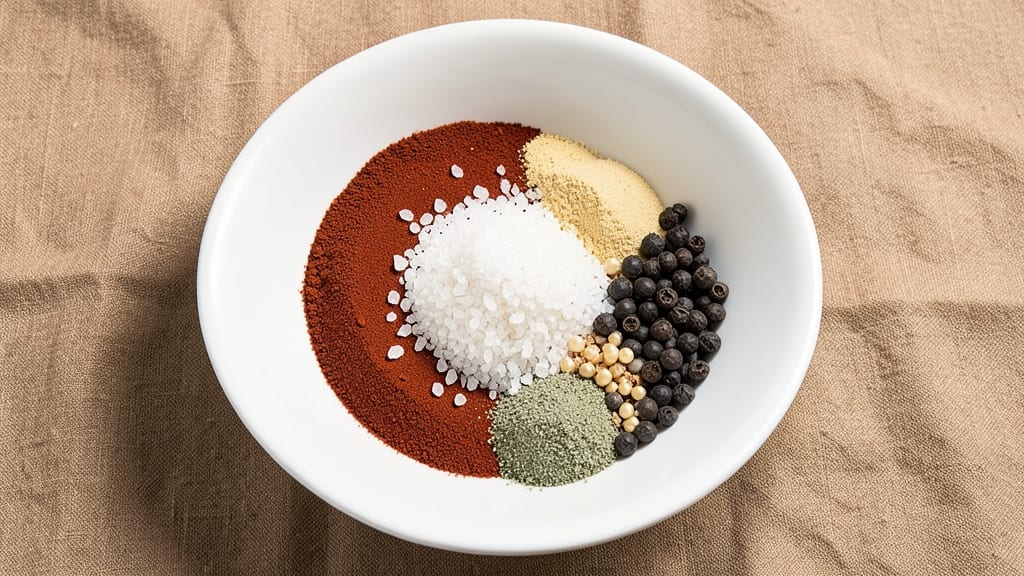
Creating the perfect corned beef brisket rub recipe transforms simple meat into a flavor powerhouse that rivals any deli counter. The day I realized French technique could elevate my rubs changed how I seasoned brisket forever—this blend delivers deep, smoky notes that penetrate every bite.
With just six simple ingredients, you’ll craft a dry rub that builds a bold, aromatic crust while complementing the traditional tang of corned beef.
This professional-grade rub uses precise measurements to balance heat, sweetness, and earthiness—no guesswork required. The combination of black pepper, mustard powder, and smoked paprika creates layers of complexity that develop as the brisket cooks.
I’ve tested this blend for years, perfecting it through slow-cooked batches and backyard cookouts where the smoke lingers long after the meal.
What makes this rub exceptional is its versatility—store it in an airtight jar for up to six months, ready to elevate any brisket, pork shoulder, or even roasted vegetables. The spices caramelize beautifully during cooking, forming a rich, spiced crust that’s impossible to resist.
Whether you’re preparing for St. Patrick’s Day or a weeknight dinner, this rub ensures restaurant-quality flavor with minimal effort.
Pair it with classic corned beef flavors like mustard glaze or horseradish cream for a meal that feels like a celebration. Here’s everything you need to make it—simple, professional, and packed with deep, smoky satisfaction.
Ingredients for corned beef brisket rub
Six spices and one sugar transform corned beef into a smoky masterpiece—no shortcuts needed.
| Ingredient | Amount | Notes |
|---|---|---|
| Kosher Salt 🧂 | 2 tbsp | Diamond Crystal preferred for purity |
| Smoked Paprika 🌶️ | 1 ½ tbsp | High-quality Spanish smoked |
| Black Peppercorns 🌶️ | 1 ½ tbsp | Freshly cracked for intensity |
| Mustard Powder 🌶️ | 1 tbsp | Yellow or brown preferred |
| Granulated Garlic 🧄 | 1 tbsp | Freshly ground preferred |
| Ground Coriander 🌿 | 1 tsp | Toasted for enhanced aroma |
| Ground Cayenne Pepper 🔥 | ½ tsp | Adjust for desired heat level |
| Brown Sugar 🍚 | 1 tbsp | Light or dark preferred |
The salt is your foundation—Diamond Crystal or Morton Kosher from the bulk section at Whole Foods or Trader Joe's is ideal. Look for smoked paprika with deep red hues—the darker, the more authentic smoke flavor. Freshly cracked black peppercorns make all the difference; Penzeys carry the best. Mustard powder should be vibrant yellow or brown—if it's grayish, toss it. For coriander, toast it in a dry pan for 30 seconds before grinding to wake up those citrusy notes. The brown sugar adds just enough caramel depth without overpowering the smoky backbone.
No smoked paprika? Substitute half with regular paprika plus 1/4 tsp liquid smoke—it won’t be identical, but close. Mustard powder missing? Dijon mustard at 1/2 tbsp works in a pinch, though texture differs. Skip the cayenne? Red pepper flakes at 1/2 tsp add heat without the same sharp kick. The coriander is non-negotiable for that earthy depth, but if you’re out, 1/4 tsp ground fennel mimics its warmth. For the brown sugar, maple syrup or honey at 1/2 tbsp works if you’re avoiding refined sugar—just reduce other liquids slightly to balance.
Store this rub in an airtight glass jar away from light for up to 6 months. The spices intensify over time, so make extra—it’s perfect for brisket, pork shoulder, or even roasted potatoes. To refresh stale rub, toast all spices in a dry pan for 1-2 minutes before mixing. For restaurant-quality results, apply a thick, even layer to meat 24 hours before cooking—let it work its magic while you prep other components. The crust develops best when cooked low and slow, so plan ahead for maximum flavor penetration.
Why You'll Love This Recipe
- Pantry Magic: I swear by this rub—no special shopping trips, just five things I already have. The smoked paprika gives it that deep, smoky backbone, while the mustard powder adds a subtle tang that cuts through the richness. Honestly, it’s the kind of recipe that makes me feel like a pro without any fuss.
- Crispy Edge, Tender Bite: That crispy black pepper crust? Chef’s kiss. The coarse kosher salt and garlic cloves pressed right into the meat create a caramelized shell, but the inside stays juicy and melt-in-your-mouth. Between us, it’s the kind of texture that makes people ask for seconds before they even take a bite.
- Leftovers That Shine: This rub turns corned beef into a meal prep dream. Slice it thin for sandwiches the next day, or shred it into tacos—still packed with flavor. I’ll be real: my kids actually like the leftovers more than the original meal, and that’s saying something.
- Budget-Friendly Flex: A single batch of this rub costs pennies but tastes like a restaurant special. Use it on brisket, chicken, or even roasted potatoes—same incredible flavor, different dishes. Not the prettiest, but the taste makes up for it every time. (Yes, even on a Tuesday night.)
Step-by-step instructions for corned beef brisket rub
Here's how to craft a bold, aromatic blend that transforms brisket into showstopping centerpiece.
Combine the Dry Base Ingredients
In a medium bowl, measure out the 2 tablespoons kosher salt and 1.5 tablespoons smoked paprika. I like to use a small digital scale for precision here—those fractions make a difference in flavor balance. Add the 1.5 tablespoons black peppercorns next, but don't grind them yet. The whole peppercorns will release their oils during cooking, creating a more complex flavor profile than pre-ground pepper.
This initial mix forms the backbone of your rub. The kosher salt enhances moisture retention while the smoked paprika delivers that essential campfire aroma. Don't skip the salt—it's what makes the rub truly adhere to the meat's surface. I always use Diamond Crystal kosher salt because its coarser texture works better for dry rubs than table salt.
Incorporate the Aromatics and Spices
Add the 1 tablespoon mustard powder, 1 tablespoon granulated garlic, and 1 teaspoon ground coriander to the bowl. Here's where the magic starts happening—these ingredients create that signature depth you crave in corned beef. The mustard powder adds a subtle tang that cuts through the richness, while the coriander brings a citrusy brightness that rounds out the flavor profile.
I like to use freshly ground coriander for this step—it makes a noticeable difference in aroma. If you're using toasted coriander, the nutty notes will shine through even more. At this point, give everything a gentle stir with a silicone spatula, making sure all ingredients are thoroughly distributed. You're building layers of flavor that will develop beautifully during the cooking process.
Add Heat and Sweetness for Balance
Now comes the finishing touch: sprinkle in the 0.5 teaspoon ground cayenne pepper and 1 tablespoon brown sugar. The cayenne adds just enough heat to wake up your palate, while the brown sugar provides a subtle caramelization that enhances the meat's natural sweetness. This is where you can adjust to taste—if you prefer less heat, reduce the cayenne to 0.25 teaspoon.
I always use dark brown sugar for this recipe because it contains more molasses, which adds a deeper, more complex sweetness. The sugar will caramelize beautifully during the cooking process, creating that coveted crust. Give everything one final stir until you have a completely uniform mixture with no visible streaks of any single ingredient.
Grind the Peppercorns for Maximum Flavor
This is the moment that matters: use a mortar and pestle or spice grinder to crush the whole black peppercorns until they're finely ground but not powdered. You want them to release their oils while still maintaining some texture. The oils will penetrate the meat more effectively than pre-ground pepper, creating that signature peppery bite that defines great corned beef.
If you don't have a mortar and pestle, a coffee grinder works perfectly for this task. Just be sure to clean it thoroughly afterward—pepper oils linger. Once ground, give the entire mixture one final stir. Your rub should now have a coarse, granular texture with visible specks of different colors throughout. This visual variation indicates proper distribution of all ingredients.
Test and Adjust for Perfect Balance
Before using your rub, I always recommend testing a small amount on a piece of raw beef. Apply a thin layer to a small cut of brisket and let it sit for 10 minutes. Then taste it—this gives you a sense of how the flavors will develop during cooking. The rub should taste bold but balanced, with notes of smokiness, heat, and sweetness all working together.
If you find it needs more saltiness, add a pinch more kosher salt. If it's too hot, reduce the cayenne slightly. This testing step ensures you'll get consistent results every time you use this rub. Once you're satisfied with the flavor profile, transfer your corned beef brisket rub to an airtight container. It will keep for up to 3 months in a cool, dark place, ready to elevate your next brisket cook.
Pro Tips For Making Corned Beef Brisket Rub
- CRUSH THE PEPPERCORNS: Don’t just sprinkle whole black peppercorns—they’ll sit like tiny marbles on the meat. Toss them in a mortar and pestle or pulse them briefly in a spice grinder first. I learned this the hard way when my brisket had peppercorn-shaped surprises instead of even seasoning.
- SALT BEFORE YOU SEAR: Apply the rub at least 4 hours ahead—overnight is better. The salt needs time to penetrate and break down the meat’s surface, not just cling to it. Skipping this step means a dry, salty crust instead of a tender, flavorful one.
- SKIP THE MOISTURE TRAP: If your brisket feels damp after rubbing, pat it very dry with paper towels before cooking. Extra moisture = steam = a sad, soggy crust. Trust me, the few extra seconds save you from a bland, sticky mess.
- TOAST THE GARLIC: Lightly toast the granulated garlic in a dry pan for 30 seconds until fragrant. It deepens the flavor without burning, and the aroma clings to the rub like glue. Sounds weird, but it works—your brisket will taste like it’s been simmering all day.
Flavor customization for this dish
Smoky Heat Boost
For those who love their corned beef with a kick, add ½ teaspoon of chipotle powder to the base rub. This swaps out the cayenne for a smoky, slightly sweet heat that lingers beautifully.
I discovered this variation during a coastal ride when I couldn't find cayenne at a roadside market—chipotle was all they had, and it became my new favorite. 🔥
If you prefer a more intense heat, replace the cayenne entirely with 1 teaspoon of smoked cayenne pepper. This adds that signature smoky campfire aroma while delivering serious heat.
For a milder approach, reduce the cayenne to ¼ teaspoon and add ½ teaspoon of smoked salt instead—it enhances the smokiness without the burn.
Sweet and Tangy Twist
For a brighter, more complex flavor profile, add ½ teaspoon of onion powder and ½ teaspoon of celery salt to the base rub. This combination creates a sweet, slightly tangy note that pairs perfectly with corned beef's richness.
I first tried this after foraging wild onions near my coastal foraging spots—they added a freshness that elevated the dish. 🌿
For a sweet-and-sour variation, mix in ½ teaspoon of ground mustard seeds and ½ teaspoon of white pepper. The mustard seeds add a subtle crunch and extra tang, while the white pepper provides a cleaner heat. This works especially well with brisket served in a mustard glaze.
Herbal Infusion
Fresh herbs can take your corned beef rub to the next level. Add 1 teaspoon of finely chopped fresh rosemary or thyme leaves before grinding the peppercorns. The herbs will release their oils during cooking, adding an aromatic depth that complements the smoky flavors.
I often forage these herbs along my coastal rides—they're free and full of flavor. 🌊
For a more exotic touch, incorporate ½ teaspoon of ground fennel seeds (toasted) or ½ teaspoon of ground allspice). Fennel adds a subtle licorice note that pairs surprisingly well with corned beef, while allspice brings warmth and complexity. Both work beautifully with brisket served in a sweet-and-sour sauce.
Spiced Brown Sugar Variations
Swap the plain brown sugar for 1 tablespoon of cinnamon-sugar blend (mix 1 tbsp brown sugar with ½ tsp ground cinnamon). This adds warmth and a subtle sweetness that enhances the meat's natural flavors.
It's a variation I picked up from a local spice shop owner who swore by it for brisket. ✨
For a coffee-infused twist, mix 1 tablespoon of dark brown sugar with ½ teaspoon of instant coffee granules. The coffee deepens the rub's complexity and pairs exceptionally well with brisket served in a rich, tangy horseradish cream. Just be sure to use a fine coffee grind for even distribution.
Global Flavor Inspirations
Give your rub a Middle Eastern twist by adding ½ teaspoon of ground cumin and ¼ teaspoon of ground cardamom. The cumin adds earthiness, while the cardamom brings floral notes that elevate the overall flavor profile. This variation works exceptionally well with brisket served in a yogurt-based sauce. 🌶️
For a French-inspired approach, incorporate ½ teaspoon of ground tarragon and ¼ teaspoon of ground cloves. The tarragon adds an anise-like sweetness, while the cloves provide warmth. This blend is perfect for brisket served with a Dijon mustard glaze, paying homage to my French technique training.
Nutrition facts
Frequently asked questions
How long should I let the rub sit on the brisket before cooking?
For maximum flavor penetration, apply the rub 24 hours before cooking and let it rest uncovered in the refrigerator. This allows the spices to form a crust while drawing out some natural moisture, resulting in a more concentrated flavor. If you're short on time, at least 4 hours will make a noticeable difference.
Can I use this rub on other meats besides brisket?
This versatile rub works beautifully on pork shoulder, ribs, or even roasted vegetables like potatoes and carrots. The smoky-sweet profile pairs especially well with pork, while the salt and spices add great texture to root vegetables. Just adjust cooking times accordingly—veggies need much less time than meat.
What's the best way to store leftover rub?
Transfer any unused rub to an airtight glass jar and store it in a cool, dark place for up to 6 months. For longer storage, freeze it in small portions for up to 1 year. To refresh stale rub, toast all spices in a dry pan for 1-2 minutes before remixing. The spices intensify over time, so make extra—it's worth keeping on hand!
How do I adjust the heat level in this rub?
The recipe includes 0.5 teaspoon cayenne for mild heat. For more kick, increase to 1 teaspoon or substitute with ½ teaspoon chipotle powder for smoky heat. If you prefer less spice, reduce the cayenne to ¼ teaspoon or omit it entirely. Always taste test before applying to your full brisket.
Why does my rub sometimes look unevenly mixed?
This happens when ingredients aren't thoroughly combined or when some spices (like whole peppercorns) aren't ground properly. For best results, use a mortar and pestle to crush peppercorns to a coarse texture before mixing. Stir frequently during combination and store in an airtight container to prevent separation. The rub should have visible specks of different colors—this indicates proper distribution.