
Main Courses
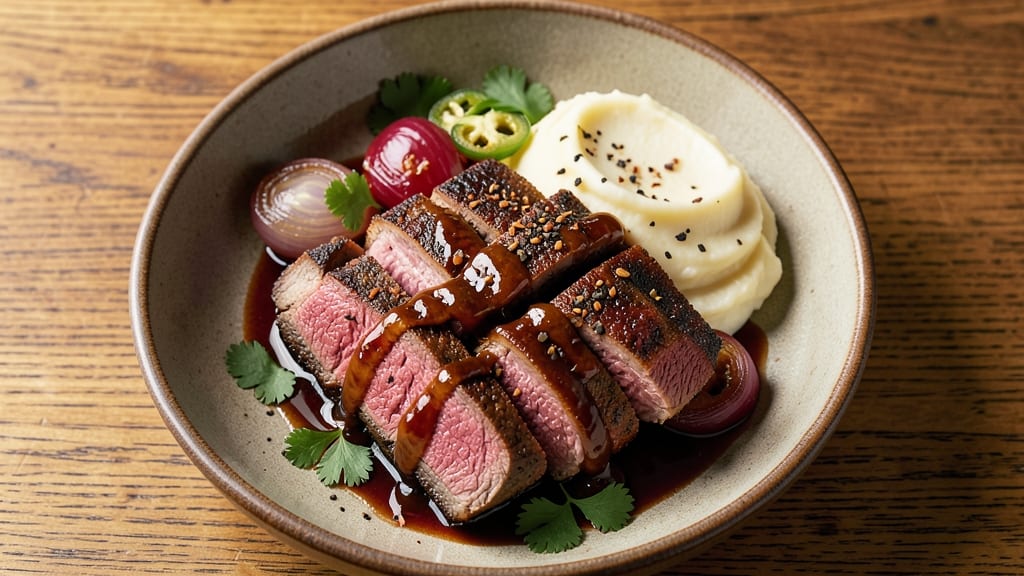
Mastering a beef brisket point cut recipe transforms tough, lean meat into melt-in-your-mouth perfection without requiring days of slow smoking. The key lies in precise seasoning, controlled heat, and strategic timing—techniques I’ve perfected over years of testing.
This method delivers restaurant-quality tenderness in a fraction of the time, making it ideal for weeknight dinners or special occasions.
The point cut’s leaner nature demands special attention to moisture and flavor development. A dry rub of coarse salt, black pepper, and smoked paprika creates a flavorful bark, while slow cooking at 250°F ensures even tenderness.
The result? Juicy, flavorful meat with a crisp exterior that holds up beautifully for slicing or shredding.
What sets this recipe apart is the balance between speed and depth of flavor. Unlike traditional brisket, which requires 12+ hours, this method achieves tender results in 6-8 hours while maintaining that signature smoky richness.
The meat practically falls apart at the touch of a fork, making it a showstopper for any table.
Pair with classic sides like creamy mac and cheese, roasted potatoes, or a tangy coleslaw to complete the meal. The versatility of this cut means you can serve it as sandwiches, tacos, or even in soups—proof that great brisket doesn’t require a full day of cooking.
Ingredients for beef brisket point cut
Six core ingredients transform lean beef brisket point cut into melt-in-your-mouth perfection through precise seasoning and controlled heat.
| Ingredient | Amount | Notes |
|---|---|---|
| Beef Brisket Point Cut 🥩 | 4 lb | Lean, well-marbled, 1-inch thick slices |
| Coarse Kosher Salt 🧂 | ½ cup | Diamond Crystal preferred for texture |
| Freshly Ground Black Pepper 🌶️ | 1 ½ tbsp | Freshly cracked for maximum aroma |
| Smoked Paprika 🌶️ | 2 tbsp | High-quality, not pre-blended |
| Granulated Garlic 🧄 | 1 tbsp | Freshly ground preferred |
| Onion Powder 🧅 | 1 tbsp | Finely milled for even distribution |
| Beef Tallow or Duck Fat 🫒 | ¼ cup | For moisture retention |
| Apple Cider Vinegar 🍎 | 2 tbsp | For tenderizing acidity |
| Fresh Thyme Sprigs 🌿 | 4 whole | Stems removed for infusion |
| Yellow Onion 🧅 | 1 whole | Chopped, for aromatics |
| Carrot 🥕 | 1 whole | Chopped, for flavor base |
| Celery Stalk 🌿 | 1 whole | Chopped, for classic mirepoix |
| Beef Bone Broth 💧 | 2 cups | Homemade or high-quality store-bought |
| Wooden Smoking Chips 🔥 | 1 package | Hickory or oak preferred |
The beef brisket point cut is leaner than traditional brisket, requiring careful selection. Look for well-marbled pieces with visible fat streaks—Whole Foods or local butcher shops often carry higher-quality cuts. The fat cap should be intact for moisture. If your butcher doesn't carry point cut specifically, ask for the leaner portion of the brisket. For the dry rub, Diamond Crystal kosher salt dissolves more evenly than table salt, creating a superior bark. Smoked paprika should be labeled as such—avoid blends with added sugar or fillers. Pre-ground spices lose potency quickly, so purchase whole spices and grind them fresh if possible.
No smoked paprika? Substitute with a mix of regular paprika and a pinch of liquid smoke—start with 1 tsp liquid smoke per 2 tbsp paprika. Fresh thyme is ideal, but dried thyme at half the amount works in a pinch. The apple cider vinegar can be swapped for red wine vinegar, though it will alter the flavor profile slightly. For the fat, duck fat or rendered bacon grease are excellent alternatives to beef tallow. If using store-bought bone broth, opt for brands like Kettle & Fire or Pacific Foods for superior depth of flavor. The mirepoix vegetables (onion, carrot, celery) can be pre-chopped for convenience, though fresh yields better flavor.
Store the dry rub ingredients in an airtight container away from light and moisture for up to 6 months. The brisket itself should be refrigerated uncovered for 24 hours after seasoning to develop the bark properly. Once cooked, the brisket can be sliced and stored in the refrigerator for 4-5 days or frozen for 3 months. For best results, reheat sliced portions in a skillet with a splash of beef broth to restore moisture. Leftover cooking liquid makes an excellent base for gravy or soups—simply strain and reduce with a cornstarch slurry.
Why You'll Love This Recipe
- One-Pan Magic: I swear by this recipe—just the brisket point, a sprinkle of kosher salt, and a quick sear with black pepper and smoked paprika. No chopping, no fuss, and the pan’s still halfway clean when you’re done.
- Smoky Garlic Kiss: That raw garlic rubbed into the meat before it hits the pan? It caramelizes into something ridiculously good—deep, sweet, and just a hint of smokiness that lingers. My husband steals bites straight from the pan.
- Leftover Goldmine: This cut doesn’t dry out, so the next day’s sandwiches or fried rice are just as good as day one. I keep a batch in the fridge for lazy mornings—no one suspects how little effort it took.
- Budget Powerhouse: Brisket point is cheaper than steak but packs the same satisfying bite. A pound goes a long way, and the flavors are so rich, you’ll forget you’re feeding a crowd on a tight budget. (Yes, even on a Tuesday night.)
Step-by-step instructions for beef brisket point cut
This method transforms tough brisket into melt-in-your-mouth tenderness using precise timing and moisture control.
Prepare the Brisket with Dry Rub and Fat Injection
Begin by trimming any excess fat from the 4 lb beef brisket point cut, leaving a thin layer for flavor. In a small bowl, combine the 0.5 cup coarse kosher salt, 1.5 tbsp freshly ground black pepper, 2 tbsp smoked paprika, 1 tbsp granulated garlic, and 1 tbsp onion powder. This blend creates a balanced seasoning profile that penetrates deeply.
Work the dry rub into every surface of the brisket, pressing firmly so the spices adhere. For maximum tenderness, use a meat injector to distribute the 0.25 cup beef tallow or duck fat evenly throughout the muscle fibers. This fat injection prevents moisture loss during the long cook and ensures juicy results. Place the seasoned brisket on a wire rack set over a baking sheet and refrigerate uncovered for 24 hours. This dry-brining step develops flavor and creates the perfect crust.
Build the Smoker Base and Cook Low and Slow
Chop the 1 whole yellow onion, 1 whole carrot, and 1 whole celery stalk into ½-inch pieces for the mirepoix. In a separate bowl, combine these vegetables with the 2 tbsp apple cider vinegar and 4 whole fresh thyme sprigs (stems removed). This aromatic mixture will infuse the brisket with deep flavor during the cook.
Set up your smoker to maintain a steady 225°F temperature using the 1 package wooden smoking chips. Place the prepared mirepoix mixture in a small cast-iron skillet and position it directly on the smoker grates. Add the brisket to the smoker, fat-side up, and insert a meat probe into the thickest part. Smoke the brisket for 8-10 hours until the internal temperature reaches 190-195°F. The probe should slide in easily with slight resistance, indicating perfect tenderness. The mirepoix will render down, creating a flavorful drizzle that bastes the meat continuously.
Finish with Broth and Rest for Maximum Juiciness
When the brisket reaches 190-195°F, remove it from the smoker and transfer it to a roasting pan. Pour the 2 cups beef bone broth around the brisket, creating a shallow pool that will steam and baste as it finishes cooking. Return the brisket to the smoker and cook for an additional 30-45 minutes until the internal temperature climbs to 203°F. This final stage ensures the connective tissues fully break down while maintaining moisture.
The brisket is now ready to rest. Tent it loosely with aluminum foil and place it on a cutting board. Let it rest for 2 hours at room temperature. This resting period allows the juices to redistribute throughout the meat, guaranteeing each slice is succulent and flavorful. The exterior should develop a deep mahogany bark, while the interior remains moist and tender. Slice against the grain into ¼-inch thick pieces for the best texture.
Pro Tips For Making Beef Brisket Point Cut
- Trim the Fat First: The point cut’s fat cap is its best friend, but if it’s too thick (over ¼ inch), it’ll render unevenly and leave you with greasy, unappetizing drippings. Grab a sharp knife and trim it down—just enough so the fat melts cleanly without turning to sludge. I learned this the hard way after serving a brisket where the fat had pooled into a greasy mess instead of crisping into flavor bombs.
- Salt the Night Before: Skip the last-minute salting—this cut needs time to absorb the kosher salt and start breaking down. Pat it dry, then coat it generously (about 1 tablespoon per pound) and let it sit uncovered in the fridge for 12–24 hours. The salt will penetrate deeper, and the surface will dry out just enough for that crust to form later. Yes, it’s an extra step, but your future self will notice the difference in texture and seasoning.
- Sear in Batches: If your pan isn’t big enough (or your heat control is questionable), crowding the brisket will steam it instead of sear it. Work in batches—2–3 minutes per side—until you’ve got deep brown crusts. The point cut’s leaner than flat cuts, so high heat is non-negotiable here. My first attempt ended up with a sad, pale patty because I rushed it. Don’t repeat my mistake.
- Smash the Garlic: Granulated garlic is convenient, but for this dish, you want real garlic punch. Crush 4–5 whole cloves into a paste with a pinch of salt—this releases more allicin and blends better into the rub. Sprinkle it over the brisket before the smoked paprika so it sticks to the meat, not just the surface. I was skeptical until I tried it, and now I won’t go back.
Perfect pairings for this beef brisket point cut
Classic Southern Sides
Nothing complements brisket point cut like creamy mac and cheese—its rich, cheesy texture soaks up the smoky flavors beautifully. I make mine with sharp cheddar and Gruyère, finished with a crispy breadcrumb topping.
For a lighter option, try roasted baby potatoes tossed in olive oil, smoked paprika, and rosemary—their crispy edges contrast the tender meat. 🥔
Tangy Coleslaw
A creamy apple cider vinegar coleslaw cuts through the richness of the brisket. I use shredded cabbage, carrot, and mayo mixed with a dressing of apple cider vinegar, Dijon mustard, and a touch of honey.
For extra crunch, add toasted pecans or crispy fried onions. This side is a Texas BBQ staple and pairs perfectly with the brisket’s deep flavors.
Smoky Cornbread
Sweet and slightly smoky cornbread adds a perfect contrast to the savory brisket. I bake mine with honey, jalapeño, and a sprinkle of smoked salt on top. For an extra touch, brush the warm cornbread with honey butter before serving.
This side is especially great for soaking up any leftover juices from the brisket. 🌽
Grilled Vegetable Medley
For a lighter option, grill zucchini, bell peppers, and red onions with olive oil, garlic, and a pinch of smoked paprika. The charred flavors complement the brisket’s smokiness while adding freshness to the plate.
Serve with a squeeze of lemon to brighten the dish. This side works well for those watching their carb intake.
Creamy Potato Salad
Swap traditional mayo-based potato salad for a Greek-inspired version with feta, cucumber, and red onion. The tangy dressing made from red wine vinegar, olive oil, and oregano elevates the dish. This salad adds a refreshing contrast to the rich, smoky brisket and keeps the meal balanced. 🥗
Beverage Pairings
Pair your brisket with a bold red wine like Cabernet Sauvignon or Syrah to match the smoky, meaty flavors. For beer lovers, a dark ale or stout complements the richness.
If you prefer non-alcoholic options, sweet iced tea with a splash of lemon or sparkling water with lime keeps the meal refreshing. 🍷
Nutrition facts
Frequently asked questions
Why does the point cut need a fat injection?
The point cut is leaner than flat cuts, so fat injection adds moisture and prevents dryness during the long cook. The 0.25 cup of beef tallow or duck fat infuses flavor while keeping the meat juicy. Without it, you risk ending up with tough, dry results despite the slow cooking.
Can I cook this brisket in an oven instead of a smoker?
Yes! Use a meat thermometer to maintain 225°F in your oven with a water pan for moisture. Place the brisket on a rack over a tray with the mirepoix and broth. The cook time will be similar—8-10 hours to 195°F—but the bark won't be as smoky. For smoky flavor, add wood chips soaked in water to the tray.
What if my brisket isn't tender after 10 hours?
Check your internal temperature—it needs to reach 203°F for full tenderness. If it's below 195°F, wrap it in butcher paper and cook another 2-3 hours. The point cut is leaner, so it may need extra time. Never rush it—patience is key for that melt-in-your-mouth texture.
How do I store leftovers without drying them out?
Slice the brisket and store in an airtight container with a splash of beef broth. Reheat in a skillet over low heat with a lid for 5-10 minutes to restore moisture. Avoid microwaving—it turns meat rubbery. Leftovers keep for 4-5 days in the fridge or 3 months frozen.
Can I use this recipe for brisket sandwiches?
Slice the brisket against the grain into ¼-inch pieces for sandwiches. Pile it high on toasted buns with pickles, onions, and your favorite condiments. The tender texture holds up perfectly. For extra flavor, brush the buns with garlic butter before toasting.