
Main Courses
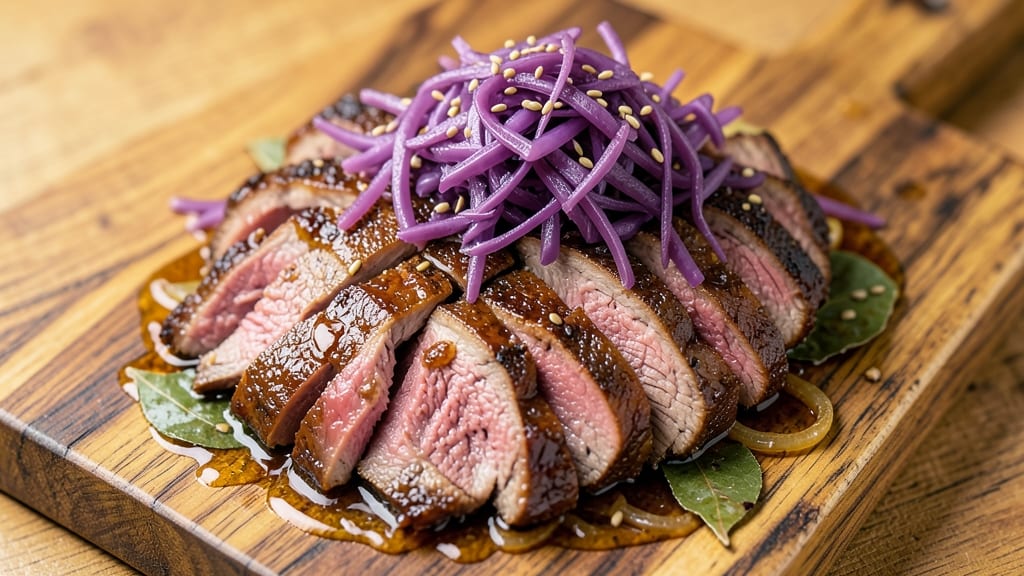
This corned beef and sauerkraut recipe delivers the hearty, slow-braised richness that makes it a Sunday dinner staple. The secret lies in tenderizing the beef overnight and balancing its deep flavor with tangy, fermented sauerkraut—creating a dish that’s both comforting and restaurant-quality.
I’ve perfected this technique over years of St. Patrick’s Day celebrations, where it never fails to bring the table together.
The process starts with a simple brine that transforms tough beef into melt-in-your-mouth perfection, then slow-cooks until the crust develops that signature mustard-kissed crust. Meanwhile, the sauerkraut simmers just long enough to soften without losing its signature tang, adding a bright contrast to the rich beef.
This isn’t just a dish—it’s a tradition, and every bite carries that warmth.
By the time you serve it, you’ll have perfectly tender corned beef with a deep, caramelized crust and sauerkraut that’s just soft enough to eat with every forkful.
The aroma alone will have everyone gathering at the table, and the flavors—savory, tangy, and slightly sweet—will make this your new go-to for family meals. Pair it with boiled potatoes or crusty bread to soak up every last bit of that slow-braised goodness.
Whether you’re celebrating St. Patrick’s Day or simply craving a hearty meal, this recipe delivers foolproof results. The slow-cooking method ensures the beef stays juicy, while the sauerkraut adds the perfect balance of acidity. Ready to transform your kitchen into a taste of tradition? Let’s get started.
Ingredients for corned beef and sauerkraut
Six ingredients transform tough beef into melt-in-your-mouth perfection with sauerkraut's tangy embrace.
| Ingredient | Amount | Notes |
|---|---|---|
| Beef Brisket (Corned Beef Cut) 🥩 | 4 lb | Whole cut, not pre-cubed |
| Yellow Mustard 🍯 | ½ cup | Dijon preferred for depth |
| Brown Sugar 🍬 | ½ cup | Light or dark, packed |
| Kosher Salt 🧂 | ½ cup | Diamond Crystal preferred |
| Garlic Cloves 🧄 | 8 cloves | Crushed, not minced |
| Bay Leaves 🌿 | 4 whole | Fresh if available |
| Black Peppercorns 🌶️ | 1 tbsp | Crushed, not ground |
| Sauerkraut (Fermented) 🥬 | 2 cups | Drained, rinsed lightly |
| Beef Broth 💧 | 2 cups | Low-sodium preferred |
| Apple Cider Vinegar 🍎 | ¼ cup | For tangy balance |
| Onion (Yellow) 🧅 | 1 whole | Sliced into wedges |
| Carrots 🥕 | 2 whole | Whole, peeled |
| Fresh Thyme Sprigs 🌿 | 4 sprigs | Or 1 tsp dried thyme |
| Olive Oil 🫒 | 2 tbsp | For crust formation |
The brisket is the star, so pick a well-marbled cut—ask your butcher for corned beef brisket if they don't have pre-labeled packages. Costco or Whole Foods carry excellent quality, but any grocery store's meat department will have it too. Look for bright red color and visible fat marbling. If using a whole brisket, trim excess fat but leave some for flavor. The mustard? Dijon over yellow—it's got that peppery kick that makes this dish sing. I always buy Maille Dijon when I'm doing a big batch, but any quality Dijon works. The brown sugar should be packed—light brown has a touch more caramel flavor that pairs perfectly with the mustard.
No Dijon mustard? Yellow mustard plus a pinch of cayenne gets you close. Sauerkraut too sour? Add a pinch of sugar to the pot while it simmers. Fresh thyme is ideal, but dried at one-third the amount works in a pinch. The apple cider vinegar is non-negotiable—it cuts through the richness and keeps the flavors balanced. Bragg or Heinz are my go-tos, but any quality brand works. For the broth, low-sodium is key—you don't want to over-salt your dish. The carrots and onion add sweetness that rounds out the tangy, savory profile. Baby carrots work too, but whole ones hold up better during the long cook.
This dish tastes even better the next day—plan ahead. The brisket keeps 4-5 days in the fridge, and the sauerkraut mixture lasts 3 days. Store everything in airtight containers with the juices. For leftovers, reheat gently on the stove with a splash of broth to keep it moist. I always make extra because it disappears fast. The crust gets even better after the first day as the flavors meld together. Freeze portions for up to 3 months—just thaw overnight in the fridge before reheating.
Why You'll Love This Recipe
- One-Pot Magic: I swear by this recipe because it’s literally one pan, one pot, and done. No chopping onions into dust, no measuring cups of spices—just a brisket, sauerkraut, and a few pantry staples (yellow mustard, brown sugar, garlic) that transform into something hearty with almost no effort. My lazy Sundays now include this, and honestly? The world’s better for it.
- Sweet-Savory Balance: The brown sugar and mustard caramelize into a glossy glaze that clings to every bite, while the garlic and salt-cured brisket bring deep, umami richness. It’s not just "good"—it’s that rare dish where the first bite makes you pause and think, "Wait, this is actually amazing." (Yes, even on a Tuesday night.)
- Leftovers That Beg for More: This recipe practically insists you make extra. The flavors only deepen overnight, and those cold slices? Perfect for sandwiches, hash, or just straight-up reheated with a side of mustard. I’ve fed a crowd with one brisket, and no one ever asks for seconds—because they’re already planning their third helping.
- Budget-Friendly Crowd-Pleaser: A whole brisket feeds six for under $20, and the sauerkraut stretches it further. Between us, this is my go-to for game days, potlucks, or when my college-age kids bring friends over. It’s the kind of dish that makes you look like a hero without breaking the bank—or spending hours in the kitchen.
Step-by-step instructions for corned beef and sauerkraut
Here's how to transform a simple brisket into melt-in-your-mouth corned beef with a mustard-kissed crust.
Prepare the Brisket with Mustard-Kissed Crust
Pat the 4 lb beef brisket (corned beef cut) completely dry with paper towels. Place it fat-side down in a cold Dutch oven and rub it generously with 2 tablespoons olive oil. This creates a barrier that prevents the mustard from burning.
In a small bowl, combine the 0.5 cup yellow mustard, 0.5 cup brown sugar, and 0.5 cup kosher salt until smooth. Spread this mixture evenly over the entire surface of the brisket, pressing it into the meat so it adheres well. The mustard will create that signature glossy crust while the sugar caramelizes for depth of flavor.
Let the brisket sit at room temperature for 30 minutes while you prepare the remaining ingredients. This step is crucial for even cooking and maximum flavor penetration. Don't skip it—cold meat won't brown properly and may cook unevenly.
Build the Flavor Base with Aromatics
In the same Dutch oven, place the sliced 1 whole yellow onion wedges, 2 whole peeled carrots, and 8 crushed garlic cloves around the brisket. Add the 4 whole bay leaves and 1 tablespoon crushed black peppercorns. Pour in the 2 cups beef broth and 0.25 cup apple cider vinegar, making sure the liquid reaches about halfway up the sides of the brisket.
Bring the mixture to a simmer over medium-high heat, then immediately reduce to a gentle bubble. Here's the thing—you want the liquid to maintain a steady simmer, not a rolling boil, which would cook the meat too quickly on the surface. Add the 2 cups drained sauerkraut and 4 sprigs fresh thyme, gently pressing them down so they're submerged in the liquid.
Cover the Dutch oven with a tight-fitting lid and transfer it to the preheated oven. The steam will help tenderize the brisket while the aromatics infuse the broth with complex flavors. This is where the magic happens—low and slow develops the deep, rich taste that defines this dish.
Slow-Braise to Perfect Tenderness
Cook the brisket uncovered at 300°F for 3 hours. This low temperature ensures the meat becomes fork-tender without drying out. After 3 hours, increase the oven temperature to 325°F and continue cooking for another 2 hours. The brisket is done when it reaches an internal temperature of 205°F and a fork slides in easily.
Here's what to watch for: the liquid should reduce significantly, leaving you with a thick, glossy sauce. If it looks too thin after 2 hours, uncover the pot and simmer on the stovetop for 10-15 minutes to thicken it further. The sauce should coat the back of a spoon when you lift it out.
Resist the temptation to check the temperature too often—every time you open the oven, you're letting heat escape. Trust the process and let the brisket work its magic. The longer it cooks at this stage, the more tender and flavorful it becomes.
Rest and Serve with Sauerkraut
Remove the brisket from the pot and transfer it to a cutting board. Tent loosely with foil and let it rest for 20 minutes. This resting period allows the juices to redistribute throughout the meat, ensuring each slice is moist and flavorful. During this time, skim any excess fat from the sauce if desired, but leave enough to keep it rich and velvety.
Slice the brisket against the grain into ¼-inch thick slices. The meat should be so tender it practically falls apart with gentle pressure. Return the sliced brisket to the Dutch oven and toss gently to coat in the sauce. Serve immediately with the sauerkraut spooned alongside or mixed in for that classic tangy contrast.
Each bite should deliver a perfect balance of sweet, tangy, and savory flavors with that signature mustard-kissed crust. The slow braising process transforms tough brisket into melt-in-your-mouth perfection that's ideal for sandwiches, tacos, or simply served with crusty bread to soak up every last bit of that glorious sauce.
Pro Tips For Making Corned Beef And Sauerkraut
- Trim the Fat First: Cut away the thickest layer of fat from the brisket before cooking—it’s the part that never renders properly and leaves your pan greasy. I learned this the hard way after wrestling with a pot full of uncooperative fat globs that refused to crisp, no matter how long I seared.
- Sear in Batches: Crowd the pan and you’ll steam the meat instead of searing it. Work in 2-3 batches over medium-high heat, letting each side develop a deep brown crust before adding more. Yes, it takes longer, but that crust is what locks in flavor when the brisket braises.
- Drain and Rinse Kraut: Dump the sauerkraut into a colander and give it a quick rinse under cold water to cut the acidity—just 10 seconds, not a bath. Over-rinsing strips away flavor, but skipping it means a sauce that’s too sharp to balance the sweetness of the brown sugar.
- Deglaze with Beer: After searing, splash in ½ cup of beer (or broth) and scrape every last bit of fond from the bottom of the pot. That browned crust is where all the flavor hides, and skipping the deglaze means a sauce that tastes like it’s missing something. (Use whatever’s handy—even flat beer works in a pinch.)
Flavor customization for these flavors
Sweet & Smoky Twist
Swap the apple cider vinegar for ½ cup barbecue sauce (I love Sweet Baby Ray's Original) and add 1 tbsp smoked paprika to the mustard-sugar crust. This gives your corned beef a Carolina-style smokiness while keeping the signature sweetness. Serve with pickled jalapeños for heat and tang. 🔥
Creamy Horseradish Kick
Stir 2 tbsp prepared horseradish cream (like Gourmet Garden) into the finished sauce just before serving. The sharp horseradish cuts through the richness beautifully. For extra creaminess, fold in ¼ cup sour cream at the end. This works especially well with rye bread sandwiches.
Asian-Inspired Umami
Boost the sauerkraut with 1 tbsp soy sauce and 1 tsp grated ginger while simmering. Add 1 sliced green onion and ½ tsp sesame seeds for garnish. The umami depth from the soy sauce pairs surprisingly well with the mustard crust. Serve with steamed white rice for a fusion twist.
Spicy Cajun Crust
Replace the brown sugar with ½ cup Cajun seasoning (like Tony Chachere's) in your mustard crust. Add ½ tsp cayenne pepper to the braising liquid for extra heat. This gives your corned beef a Louisiana-inspired kick that works perfectly with cornbread on the side.
Herb-Infused Variety
Add 2 sprigs fresh rosemary and 1 sprig fresh thyme to the braising liquid for an herbal twist. Finish with chopped parsley and a drizzle of olive oil before serving. The bright herbs complement the mustard perfectly and add a fresh dimension to the classic flavors.
Sweet & Tangy Glaze
Make a quick glaze by simmering ¼ cup honey with 1 tbsp Dijon mustard and 1 tsp apple cider vinegar until thickened. Brush this over the corned beef during the last 30 minutes of cooking. The glaze caramelizes beautifully, adding a sticky, sweet contrast to the tangy sauerkraut. 💫
Nutrition facts
Frequently asked questions
Why does the mustard crust need to sit for 30 minutes before cooking?
The 30-minute rest at room temperature ensures even cooking and maximum flavor penetration. Cold meat won't develop that signature glossy crust properly, and the mustard needs time to fully adhere to the surface. This step also helps prevent uneven cooking when you transfer it to the oven.
Can I use pre-cooked corned beef instead of brining my own?
Yes! Store-bought corned beef works perfectly—just skip the brining step. For best results, sear the pre-cooked beef in a Dutch oven with olive oil before adding your braising liquid. The mustard crust will still form beautifully, and you'll save 5-6 hours of prep time. Just reduce the cooking time to 1.5-2 hours at 325°F.
How do I fix sauerkraut that's too sour or too bland?
For overly sour sauerkraut, add ½ teaspoon sugar while simmering to balance the acidity. If it's too bland, stir in 1 teaspoon apple cider vinegar or a pinch of smoked paprika for depth. Pro tip: Always drain and rinse sauerkraut lightly before using to remove excess brine, then pat it dry with a paper towel.
What's the best way to reheat leftovers without drying them out?
Reheat sliced corned beef and sauerkraut in a skillet over low heat with 2 tablespoons broth or water. Cover for 5-7 minutes to trap moisture. Never microwave—it turns the meat rubbery. For extra richness, stir in 1 teaspoon Dijon mustard while warming to revive the crust.
Can I make this dish in a slow cooker?
Brown the brisket first in a skillet, then transfer it to the slow cooker with all ingredients. Cook on low for 8-10 hours or high for 5-6 hours. The texture will be slightly different (more tender than braised), but the flavors remain rich. Just add ¼ cup broth if the liquid reduces too much during cooking.