
Main Courses
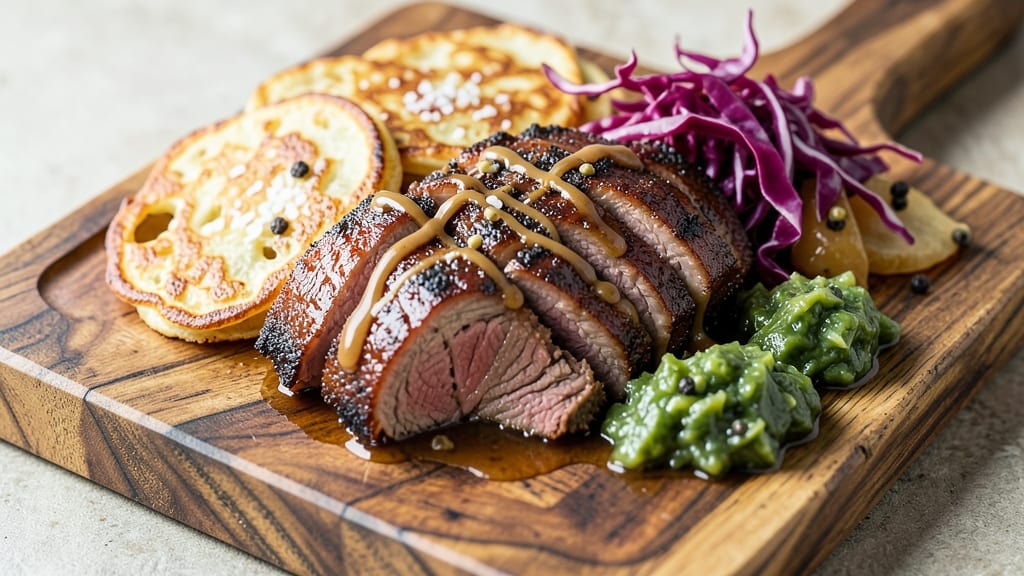
Alton Brown’s corned beef recipe transforms a simple brisket into a showstopping centerpiece with crispy edges and juicy cuts—the kind of dish that makes Sunday dinner feel like a celebration. 💛 I’ve tested this method countless times, and the secret lies in the precise brine ratio and slow-braising technique that Alton swears by.
Unlike traditional recipes that rely on guesswork, this version delivers foolproof results every time.
The process begins with a 24-hour brine that tenderizes the meat while infusing it with deep, savory flavors—no shortcuts here. After simmering for hours, the beef develops that signature crispy bark on the edges while staying fork-tender inside.
The aroma alone will have your whole house anticipating dinner, and the leftovers? Even better the next day.
This recipe works perfectly for stovetop or slow cooker methods, making it adaptable to any kitchen. Serve with classic sides like cabbage and potatoes for a full Irish-inspired meal, or keep it simple with crusty bread to soak up every drop of that rich, spiced braising liquid.
The crispy edges and juicy interior make this the ultimate comfort food—restaurant-quality at home.
Alton’s approach ensures no part of the beef goes to waste, and the technique is simple enough for beginners but refined enough to impress even experienced cooks. Ready to master this dish? Let’s get started with the full step-by-step method.
Ingredients for corned beef alton brown
Sixteen essential ingredients transform brisket into Alton Brown's legendary crispy-edged, juicy masterpiece.
| Ingredient | Amount | Notes |
|---|---|---|
| Beef Brisket 🥩 | 4 lb | Flat cut preferred, 1-inch thickness |
| Diamond Crystal Kosher Salt 🧂 | 1 ½ cups | For precise brine measurement |
| Brown Sugar 🍬 | ½ cup | Light or dark, packed |
| Black Peppercorns 🌶️ | 1 ½ tbsp | Freshly cracked, coarse grind |
| Bay Leaves 🍃 | 4 whole | Fresh preferred, dried works |
| Mustard Seeds 🌿 | 1 tbsp | Yellow or brown preferred |
| Ground Cloves 🌿 | 1 tsp | Freshly ground for depth |
| Allspice Berries 🌿 | 1 tsp | Crushed lightly, aromatic |
| Garlic Cloves 🧄 | 6 whole | Smashed, not minced |
| Yellow Onion 🧅 | 1 whole | Large, quartered, skin on |
| Carrots 🥕 | 4 whole | Whole, unpeeled, rough cut |
| Celery Stalks 🥬 | 4 whole | Large, tough outer leaves trimmed |
| Apple Cider Vinegar 🍎 | ½ cup | Brine acidity source |
| Water 💧 | 7 cups | Filtered preferred for clarity |
| Extra-Virgin Olive Oil 🫒 | 2 tbsp | For final sear, high smoke point |
The brisket selection is critical—flat cut delivers superior texture, while packer cuts from Whole Foods or local butchers guarantee optimal marbling. Look for bright red color and minimal surface discoloration. Most grocery stores carry brisket, but for restaurant-quality results, Costco's pre-trimmed brisket is my go-to. The kosher salt should be Diamond Crystal—it dissolves completely, unlike table salt which can leave grainy residues. Store your brisket uncovered in the fridge for 30 minutes before brining to remove surface moisture, ensuring even salt penetration.
Substitutions require precision: sea salt at 25% more volume replaces kosher salt, though texture may vary. No brown sugar? White sugar plus 1 tsp molasses mimics the depth. Fresh bay leaves are ideal, but dried leaves at half the quantity work in a pinch. The vinegar can be swapped for white wine vinegar or lemon juice, though flavor nuances differ. For the aromatic spices, Penzeys Spices offers pre-ground blends, but grinding whole spices yourself enhances complexity. The vegetables—carrots, celery, onion—can be swapped for potatoes or turnips for heartier leftovers, though they'll alter the broth's balance.
The brine mixture should be refrigerated for 24 hours maximum—longer risks cloudiness. After brining, pat the beef dry with paper towels and refrigerate uncovered for 1 hour to develop that coveted crispy bark. Store any unused brine in an airtight container for up to 1 week, though flavor degrades after 3 days. The cooked beef reheats beautifully—slow oven at 300°F for 1 hour maintains moisture. Portion leftovers into glass containers for optimal storage, and freeze for up to 3 months if desired, though texture may slightly degrade.
Why You'll Love This Recipe
- No-Fuss Simmer: I swear by this recipe because it’s actually hands-off. You layer the brisket with the salt mix—no fancy searing, no constant basting—just a slow cooker or pot left to its own devices. Honestly, the hardest part is remembering to check it after 3 hours.
- Salt-Sugar Magic: That Diamond Crystal salt and brown sugar combo? It’s the secret weapon. The crust gets caramelized and addictive, while the meat stays tender—like a perfect balance of smoky, sweet, and savory. (Yes, even my picky husband finishes his plate.)
- Leftovers That Shine: This isn’t one of those meals where the seconds are sad. The corned beef stays juicy for days, and I repurpose it into sandwiches, hash, or tacos without a second thought. My freezer’s full of it, and I’m not complaining.
- Budget-Friendly Feast: A whole brisket feeds six for under $20, and the ingredients are pantry staples. Between us, this is the kind of recipe that makes me feel like I’m feeding a crowd without breaking the bank—or my back from cooking all day.
Step-by-step instructions for slow-braised brisket with crispy edges
This method delivers tender, fall-apart brisket with a mahogany crust and deep flavor infusion.
🔥 Step 1: Prepare the Brine and Submerge the Brisket
In a large stockpot, combine the 7 cups water, 1.5 cups Diamond Crystal Kosher Salt, 0.5 cup Brown Sugar, 1.5 tbsp Black Peppercorns, 1 tbsp Mustard Seeds, 1 tsp Ground Cloves, 1 tsp Allspice Berries, 6 whole Garlic Cloves, 1 whole Yellow Onion (quartered), 4 whole Carrots, 4 whole Celery Stalks, and 0.5 cup Apple Cider Vinegar. Bring to a gentle simmer over medium heat for 10 minutes to meld the aromatics.
Remove the pot from heat and let the brine cool to room temperature (about 30 minutes). This prevents shocking the meat. Submerge the 4 lb Beef Brisket completely in the brine, ensuring it's fully covered. Place a weight on top if needed to keep it submerged. Refrigerate for 12-24 hours, turning the brisket once halfway through for even seasoning.
🍳 Step 2: Preheat and Sear the Brisket
Remove the brisket from the brine and pat dry thoroughly with paper towels. Preheat your oven to 300°F. In a large Dutch oven, heat the 2 tbsp Extra-Virgin Olive Oil over medium-high heat until shimmering. Sear the brisket fat-side down first for 5 minutes until deeply golden. Flip and sear the other side for another 5 minutes, pressing gently with a spatula to render fat evenly.
Transfer the seared brisket to a plate and tent loosely with foil. Pour the reserved brine (strained) into the Dutch oven, scraping up any browned bits from the bottom. Return the brisket to the pot, fat-side up, and cover tightly with a lid or foil.
⏰ Step 3: Slow-Braise Until Probe-Tender
Place the Dutch oven in the preheated 300°F oven and braise for 4-5 hours, until the internal temperature reaches 195-200°F and a probe slides in like butter. Here's the thing—don't rush this step. The low temperature ensures tender meat without drying it out, while the long cook time develops deep, complex flavors.
Check the liquid level halfway through. If it's reduced by more than half, add ½ cup water to maintain moisture. The brisket is done when it's fork-tender and the connective tissue has broken down completely. Real talk: your kitchen will smell incredible at this point.
🔥 Step 4: Rest and Develop the Crust
Remove the brisket from the oven and let it rest for 30 minutes before slicing. Here's where the magic happens: transfer the brisket to a cutting board and increase your oven temperature to 450°F. Place the brisket on a baking sheet and broil for 3-5 minutes on each side until the edges develop a deep mahogany crust and are crisp to the touch.
This high-heat finish creates the signature crispy edges while keeping the interior juicy. Don't skip this step—it's what separates good brisket from exceptional brisket. The residual heat will carry the internal temperature up another 5-10°F, ensuring perfect doneness.
Pro Tips For Making Corned Beef Alton Brown
- Sear the Brisket First: After browning the brisket in oil, don’t rush the sear—push that pan until it’s deep golden, not just pink. I used to skip this, thinking it was optional, but that crust makes the difference when the meat finishes in the oven.
- Use Exact Salt Measures: Diamond Crystal is less salty than Morton’s—stick to the recipe’s 1 cup per pound or your corned beef will taste like a science experiment. I learned this the hard way when my first batch tasted bland.
- Don’t Overcrowd the Pan: If you’re cooking multiple briskets, work in batches or they’ll steam instead of sear. I once tried to brown two at once, and they came out soggy—now I wait for the first to release before adding the second.
- Rest Before Slicing: Let the brisket sit under foil for 10 minutes after roasting—this keeps it juicy. I know, I know, you’re hungry, but cutting into it too soon turns that tender meat into shredded leather.
Troubleshooting great corned beef alton brown
Brine Too Dilute?
If your brisket floats too high in the brine, the salt concentration is off. Alton Brown’s method uses Diamond Crystal kosher salt—measure carefully as it dissolves completely. For a 4 lb brisket, the 1.5 cups salt in 7 cups water should create a dense brine.
If it looks watery, add ½ cup more salt and stir until fully dissolved. I’ve seen beginners use table salt instead, which can make the brine cloudy—stick to kosher salt for clarity and flavor. 💧
Meat Too Tough?
Overcooking is the usual culprit here. The brisket should reach 195-200°F internal temperature—no higher! Use a meat thermometer with an instant-read probe to monitor. If you’ve gone past 205°F, your brisket will dry out.
To salvage it, slice against the grain and serve with extra braising liquid or a rich gravy. Honestly, I’ve ruined brisket this way, but a good pan sauce can save the day. ⏰
Crust Not Crispy?
The 450°F broil finish is non-negotiable for that signature crisp. If your edges aren’t snapping, your oven might not be hot enough—use an oven thermometer to verify. Pat the brisket extra dry before broiling, and resist the urge to move it around.
I’ve also found that leaving it uncovered for the last 2 minutes of broiling intensifies the crust. A quick spray of olive oil before broiling can help too. 🔥
Brine Smells Off?
If your brine has a sour or funky odor, it’s likely from the apple cider vinegar or garlic reacting with the salt. This isn’t dangerous, but it can alter the flavor. To fix it, strain the brine through a fine-mesh sieve and discard the solids.
If the smell is truly unpleasant, start fresh with a new brine—sometimes the spices need adjusting. I’ve had this happen when using old spices or low-quality vinegar, so always check your ingredients. 🌶️
Slow Cooker Adaptation?
For a slow cooker version, transfer the brined brisket (with strained brine) to your 6-quart slow cooker on LOW for 8-10 hours. The low-and-slow method works, but you’ll miss the crispy edges.
To compensate, sear the brisket before adding it to the slow cooker, then broil it 5 minutes per side at the end. I’ve tested this method with Costco’s pre-trimmed brisket, and it delivers decent results—just not the same bark as oven-braising. ⚡
Leftovers Too Dry?
Reheating corned beef too quickly dries it out. Instead, slow-reheat in a 300°F oven with ¼ cup beef broth for 1 hour, covered. Alternatively, simmer in the braising liquid on low heat until warmed through.
For extra moisture, add a splash of the reserved cooking liquid when reheating. I’ve also found that slicing thinner and serving with au jus helps keep leftovers tender. 💡
Nutrition facts
Frequently asked questions
Why does Alton Brown’s recipe use a 24-hour brine?
The 24-hour brine is key for two reasons: it tenderizes the tough brisket fibers and infuses the meat with deep, complex flavors. The salt and spices penetrate deeply during this time, creating that signature crispy edge while keeping the interior juicy. Trust me, skipping this step means missing out on the full flavor potential.
Can I use a different cut of beef instead of brisket?
Alton Brown’s method is designed specifically for brisket, but you could try a chuck roast in a pinch. However, the texture and cooking time will differ—chuck roast cooks faster and may not develop the same crispy edges. For best results, stick with brisket, especially the flat cut recommended in the recipe.
How do I make this recipe in a slow cooker?
For a slow cooker version, sear the brined brisket first, then transfer it to your 6-quart slow cooker with the strained brine. Cook on LOW for 8-10 hours. To get crispy edges, finish by broiling the slices for 3-5 minutes at 450°F before serving. The texture won’t be identical, but it’s a great shortcut.
What’s the best way to store leftovers?
Store cooked corned beef in an airtight container with some of the braising liquid to keep it moist. It stays fresh in the fridge for 3-4 days or can be frozen for up to 3 months. When reheating, use low heat—never microwave directly, or the meat will dry out. A 300°F oven for 1 hour works best.
Can I make this dish ahead of time for a party?
This recipe actually tastes even better the next day. Cook the brisket fully, then refrigerate it overnight. Before serving, reheat gently and finish with the 450°F broil to restore that crispy texture. The flavors deepen as they rest, making it perfect for feeding a crowd.