
Main Courses
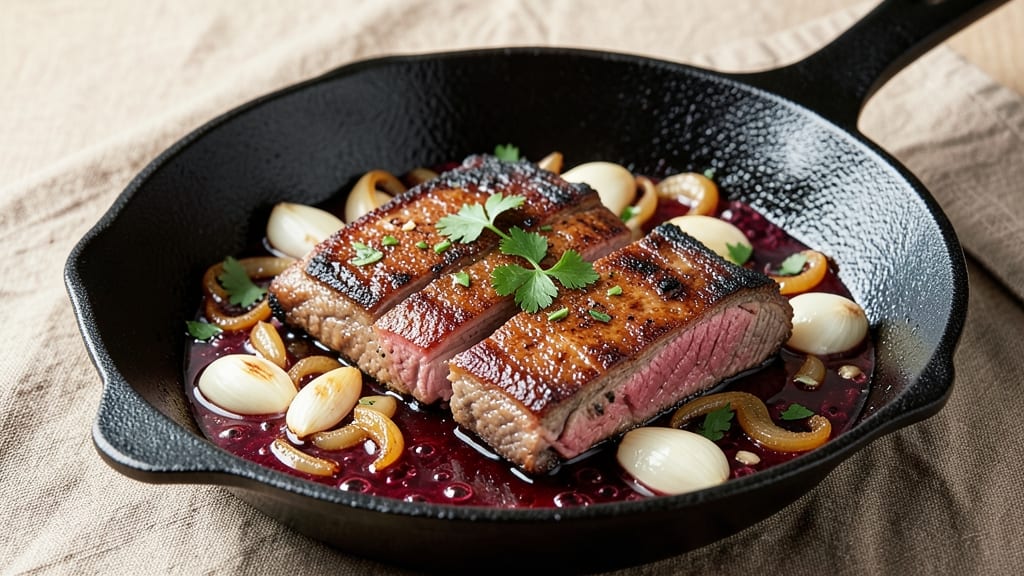
Alton Brown-style beef short ribs deliver restaurant-quality richness at home, where slow braising transforms tough cuts into melt-in-your-mouth tenderness. This method builds on classic French techniques—like the deep, caramelized fond from searing—while simplifying the process for home cooks.
The result? A dish that balances bold flavors with foolproof precision, perfect for special occasions or weeknight indulgence.
The secret lies in the dual-stage cooking: first searing the ribs to develop flavor, then slow-braising them in liquid until they’re fork-tender. Alton’s approach emphasizes science-backed timing—braising at a precise temperature ensures even cooking without overcrowding the pot.
The sauce, rich with reduced wine and bone broth, clings to every bite, while the crispy edges add texture. This isn’t just comfort food; it’s a technique masterclass in transforming humble ingredients into something extraordinary.
By the time you plate these ribs, you’ll have a dish that’s visually stunning—deep amber sauce pooling around tender meat, garnished with fresh herbs or flaky salt. The aroma alone will draw everyone to the table, while the first bite delivers layers of savory, smoky, and slightly sweet notes.
Whether served with mashed potatoes, roasted vegetables, or crusty bread, these ribs prove that home cooking can rival any restaurant.
Here’s where the magic happens: the fond, that golden, caramelized crust left behind after searing, dissolves into the braising liquid, deepening the sauce’s complexity. It’s a technique Alton makes accessible, turning a multi-step process into something even beginners can nail.
Let’s get started—your kitchen is about to smell like a French bistro.
Ingredients for alton brown beef short ribs
Fourteen ingredients transform tough cuts into restaurant-worthy beef short ribs with Alton Brown's precision.
| Ingredient | Amount | Notes |
|---|---|---|
| Beef Short Ribs 🥩 | 2 lb | Bone-in, 2-3 inches thick |
| Dry Red Wine 🍷 | 1 cup | Bold Cabernet Sauvignon preferred |
| Beef Bone Broth 🍲 | 2 cups | Homemade or high-quality store-bought |
| Tomato Paste 🍅 | 2 tbsp | Smooth, not chunky |
| Yellow Onion 🧅 | 1 whole | Medium, peeled and halved |
| Garlic Cloves 🧄 | 4 cloves | Peeled and smashed |
| Fresh Thyme 🌿 | ¼ cup | Stems removed, loosely packed |
| Fresh Rosemary 🌿 | ¼ cup | Needles finely chopped |
| Diamond Crystal Kosher Salt 🧂 | 1 ½ tbsp | For seasoning and finishing |
| Freshly Ground Black Pepper 🌶️ | ½ tsp | Coarse grind preferred |
| Unsalted Butter 🧈 | 2 tbsp | Cold, cut into pats |
| Flour 🌾 | ½ cup | All-purpose, for dredging |
| Olive Oil 🫒 | 2 tbsp | High smoke point |
| Balsamic Vinegar 🍶 | 1 tbsp | For deglazing |
| Fresh Parsley 🌿 | ⅛ cup | Chopped, for garnish |
The beef short ribs are the foundation—bone-in, 2-3 inches thick cuts ensure maximum flavor and tenderness. For optimal results, source them from a reputable butcher or high-end grocery store like Whole Foods or Dartmouth Farms, where the quality is consistently superior. Look for vibrant color and visible marbling; these indicators guarantee a richer, more flavorful dish. If you're buying pre-cut, ensure the pieces are uniform in size to prevent uneven cooking. The ribs should be cold when you start, so plan ahead if they're thawing from frozen.
Substitutions are possible but require adjustments for balance. Dry red wine can be replaced with an equal amount of beef broth and 1 tbsp balsamic vinegar to mimic acidity, though the depth of flavor will differ. For fresh thyme and rosemary, dried versions work at one-third the quantity, but the aroma won't be as robust. Tomato paste can be omitted entirely if you prefer a less tangy sauce, though it adds a subtle sweetness that complements the richness. The bone broth is critical—avoid low-quality versions with artificial flavors, as they’ll detract from the dish’s depth. For the fond, ensure you’re using high-heat searing with butter and olive oil to create that caramelized crust.
Proper storage maximizes flavor and texture. The ribs can be prepped up to 2 days in advance, sealed in a bag with their braising liquid, and refrigerated. The sauce, once reduced, keeps for 5 days in the fridge or 3 months frozen. For long-term storage, freeze the ribs raw in their marinade, then thaw and proceed with the recipe. The fresh herbs should be stored in a sealed container with a damp paper towel to maintain their vibrancy. When reheating, cover the ribs and sauce with a lid to prevent drying out, and warm gently on the stove or in a 350°F oven for even heating.
Why You'll Love This Recipe
- One-Pan Magic: That’s right—just ribs, wine, broth, and a few pantry staples. No fancy gadgets, no chopping marathon. The onions caramelize right there while you sip your glass of that same red wine you’re cooking with. (Yes, I’m stealing from the recipe.)
- Deep Flavor Payoff: The bone broth and tomato paste create this rich, velvety sauce that clings to the ribs like a hug. The wine cuts through the richness, leaving you with that perfect balance—sweet, savory, and just a little tangy. It’s the kind of dish that makes you close your eyes and sigh.
- Weeknight to Dinner Party: This recipe works whether you’re feeding yourself after a long day or impressing guests. Braise it for 3 hours, then let the ribs rest while you throw together some crusty bread and a simple salad. Or, honestly? It’s just as good reheated the next night with mashed potatoes.
- Leftovers That Don’t Suck: Between us, most braised ribs leftovers are sad. Not these. The sauce thickens up even more overnight, and the meat gets even more tender. Pack it for lunch or freeze it—either way, you’ll be grateful you made a double batch. (I always do.)
Step-by-step instructions for slow-braised beef short ribs
Mastering this technique transforms tough beef into melt-in-your-mouth perfection.
Sear the Short Ribs for Deep Flavor
Pat the 2 lb beef short ribs thoroughly with paper towels to remove any moisture. Heat 2 tablespoons olive oil in a heavy Dutch oven over medium-high heat until shimmering. Working in batches if needed, sear the short ribs on all sides for 4-5 minutes per side until they develop a deep, golden-brown crust. This step is critical—it creates the Maillard reaction that builds rich, caramelized flavor.
As you sear, resist the urge to crowd the pan. Cooking too many at once steams the meat instead of browning. Once all pieces are seared to a rich mahogany color, transfer them to a plate and set aside. The residual heat will carry over, so don't rush this process. You're building the foundation for your braised sauce right now in those browned bits clinging to your pot.
Build the Braising Liquor
Reduce the heat to medium and add 2 tablespoons unsalted butter to the Dutch oven. Let it melt completely, then add the 1 whole yellow onion (halved) and 4 cloves garlic cloves (smashed). Cook for 3-4 minutes until the onions soften and begin to caramelize slightly. This step develops the aromatic base that will infuse the beef during braising.
Stir in 2 tablespoons tomato paste and cook for 1 minute until it darkens slightly. Pour in 1 cup dry red wine, scraping up all the browned bits from the bottom of the pot with a wooden spoon. This deglazing step captures all the flavor you've built so far. Let the wine reduce by half—about 3-4 minutes—until it coats the back of a spoon.
Season and Braise to Tender Perfection
Return the seared short ribs to the pot. Add 2 cups beef bone broth, ensuring the ribs are mostly submerged. Sprinkle with 1.5 tablespoons diamond crystal kosher salt, 0.5 teaspoon freshly ground black pepper, 0.25 cup fresh thyme (stems removed), and 0.25 cup fresh rosemary (needles finely chopped). Stir gently to combine.
Bring the liquid to a simmer, then reduce heat to low, cover tightly with a lid, and transfer to a 325°F oven. Braise for 2.5-3 hours until the meat is fork-tender and easily pulls away from the bone. The ribs should be falling off the bone with just gentle pressure—this is your signal they're ready. If the liquid reduces too much before then, add 1-2 tablespoons water to maintain adequate coverage.
Finish with Butter and Balsamic
Remove the lid and increase oven temperature to 400°F. Let the braising liquid reduce by half, about 15-20 minutes, until it thickens into a glossy fond. This concentrated sauce carries all the flavor you've built. Remove the ribs and set them aside on a plate.
Stir 2 tablespoons unsalted butter and 1 tablespoon balsamic vinegar into the reduced sauce, swirling constantly until the butter melts completely and the sauce emulsifies into a velvety consistency. The balsamic adds a subtle tang that balances the richness of the beef. Taste and adjust seasoning if needed—you may need a touch more salt to complement the concentrated flavors.
Rest and Serve with Garnish
Return the short ribs to the Dutch oven and spoon the finished sauce over them. Let them rest at room temperature for 10 minutes before serving. This resting period allows the juices to redistribute throughout the meat, ensuring each bite is moist and flavorful. The ribs should be fork-tender with a deep, caramelized exterior that contrasts beautifully with the tender interior.
Garnish each serving with 0.125 cup chopped fresh parsley just before serving. The bright herb cuts through the richness of the braised beef and adds a final touch of color. Serve with crusty bread or roasted vegetables to soak up the luxurious sauce. Each bite should deliver layers of flavor—deep, caramelized beef, rich braising liquid, and aromatic herbs—all coming together in perfect harmony.
Pro Tips For Making Alton Brown Beef Short Ribs
- Sear the Ribs in Batches: I learned this the hard way—crowding the pan turns your short ribs into steamed meat instead of caramelized perfection. Work in 2-3 batches over medium-high heat, giving each side 3-4 minutes until deep brown. That crust is what holds the sauce together later, so don’t rush it.
- Deglaze with Wine Immediately: As soon as you remove the ribs, pour in that dry red wine right away while the pan is still screaming hot. The residual heat extracts way more flavor from the browned bits than if you wait. Let it simmer for 2-3 minutes before adding anything else—this builds the sauce’s depth.
- Use Two Onions, One Chopped: Alton’s recipe calls for one onion, but I double it: one finely diced for quick cooking in the sauce, one sliced into thick rounds to caramelize first. The sweetness from the slow-cooked slices balances the acidity of the wine, and the texture contrast makes every bite better.
- Check Broth Salt Content: Store-bought bone broth varies wildly in saltiness. Taste it before adding to the sauce—if it’s already salty, cut back by 25% or skip the extra salt entirely. You’re building layers of flavor here, not just salt bombs, and overdoing it kills the wine’s brightness.
Storing and reheating this dish
Refrigerator Storage
Store your braised short ribs in an airtight container with their sauce for up to 4 days in the refrigerator. I always use glass Pyrex containers because they maintain flavor better than plastic. Let the ribs cool completely before sealing to prevent condensation, which can dilute the sauce.
The flavors actually deepen overnight as the meat absorbs the reduced sauce—this is why leftovers often taste even better. 💡
Freezer Prep
For longer storage, freeze the ribs in their braising liquid in a freezer-safe bag or glass container, leaving 1 inch headspace for expansion. Label with the date—they’ll keep for 3 months without significant quality loss.
When ready to reheat, thaw overnight in the fridge, then proceed with reheating instructions. Never refreeze once thawed, as this can degrade texture. ❄️
Reheating on Stovetop
My preferred method is stovetop reheating to preserve the sauce’s velvety texture. Place the ribs and sauce in a heavy-bottomed pot over medium-low heat, adding 2-3 tablespoons water if the sauce looks dry. Simmer gently for 10-15 minutes, stirring occasionally, until reaching 165°F internal temperature.
The slow heat prevents the sauce from breaking or becoming grainy. Taste and adjust seasoning—braised ribs often need a pinch of salt after reheating. 🔥
Oven Reheating
For hands-off reheating, cover the ribs and sauce tightly with foil and bake at 325°F for 20-25 minutes. This method maintains even heat distribution, preventing hot spots. If the sauce reduces too quickly, add 1-2 tablespoons water or beef broth before covering.
The oven’s gentle heat ensures the meat stays tender without drying out. This is ideal for large batches where stovetop reheating isn’t practical. 💛
Microwave Shortcut
For quick meals, transfer ribs and sauce to a microwave-safe dish, cover loosely with a microwave-safe lid, and heat on 50% power in 2-minute intervals, stirring between each. Avoid full power to prevent sauce separation.
The ribs should reach 165°F in 4-6 minutes total. This method works best for individual servings and is perfect when you’re short on time. 💫
Sauce Rescue Tips
If your sauce looks too thick after reheating, thin it with 1-2 tablespoons beef broth or red wine. For separated sauce, whisk in 1 tablespoon cold butter or 1 teaspoon cornstarch slurry to re-emulsify.
I’ve found that adding a splash of balsamic vinegar can also restore balance to the flavors. Always reheat sauce separately if it’s been stored alone—this prevents it from curdling when combined with cold ribs. ✨
Nutrition facts
Frequently asked questions
Why do I need to sear the short ribs before braising?
The searing step creates the Maillard reaction, which develops deep, caramelized flavors and builds the fond at the bottom of your pot. This golden crust dissolves into the braising liquid, creating a richer, more complex sauce. Skipping this step means missing out on layers of flavor that make these ribs truly exceptional.
Can I use bone-in or boneless short ribs for this recipe?
This recipe is designed for bone-in short ribs, as the bones add natural depth to the braising liquid. However, if you must use boneless, reduce the braising time by about 30-45 minutes since they cook faster. Bone-in ribs take longer to tenderize, which is why they're ideal for this method.
What's the best way to tell when the ribs are fully cooked?
The ribs are done when they're fork-tender and easily pull away from the bone with just gentle pressure. They should also reach an internal temperature of 195-205°F in the thickest part. If you cut into one and the meat separates cleanly, it's ready. Overcooking can make them dry, so aim for that perfect tender moment.
Can I make this recipe in a slow cooker instead of the oven?
Yes! Sear the ribs first, then transfer them to a slow cooker with all the braising ingredients. Cook on low for 6-8 hours or high for 4-5 hours, adding water if needed to keep the ribs submerged. The texture will be slightly different but still delicious. Just reduce the sauce separately at the end to achieve that same velvety consistency.
How do I prevent the ribs from drying out when reheating?
Always reheat gently—never microwave on full power. For stovetop, use medium-low heat and cover with a lid. If using the oven, keep it at 325°F and add a splash of beef broth if the sauce looks dry. The key is slow, even heat to prevent moisture loss. This ensures your ribs stay tender even after storage.