
Main Courses
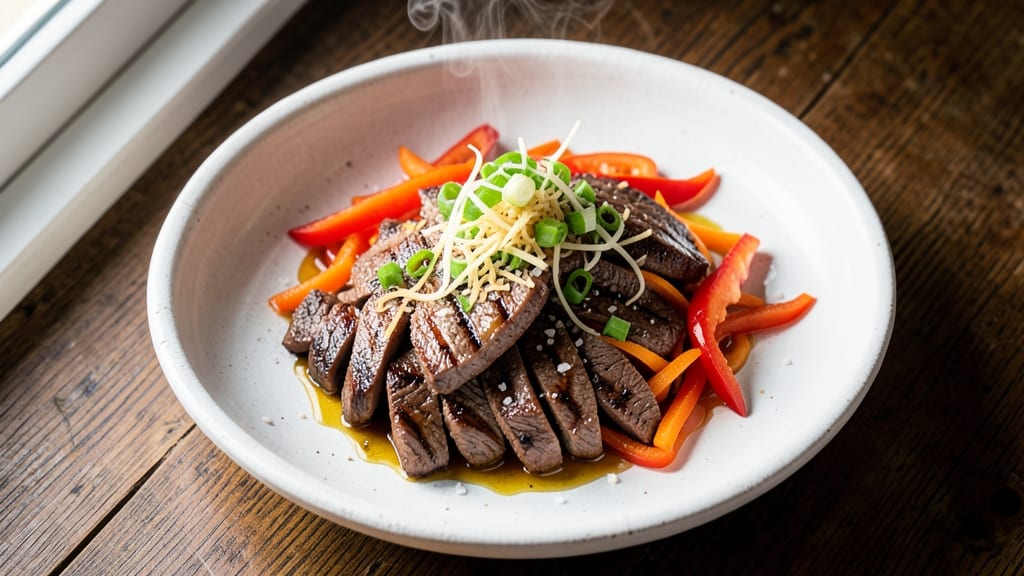
Creating a chopped beef recipe that delivers authentic wok-hei heat starts with thinly sliced beef and a hot, searing wok. This classic stir-fry balances tender meat, crisp vegetables, and a savory soy-vinegar sauce—all achieved in under 20 minutes with the right technique.
The key lies in high-heat cooking and quick sauce integration to lock in flavors.
What sets this recipe apart is its versatility—whether you serve it over steamed rice, noodles, or as a standalone dish, the beef remains tender yet crisp at the edges, thanks to proper slicing and rapid cooking.
The sauce, a blend of soy sauce, vinegar, and a touch of sugar, adds depth without overpowering the beef’s natural richness. For authenticity, we’ll use a traditional Filipino chop suey approach, but you can adapt it to Chinese stir-fry styles with minor tweaks.
The result is a restaurant-quality dish with smoky, caramelized edges on the beef and vibrant, slightly charred vegetables. The aroma alone—wok-hei heat infused with garlic and ginger—will have everyone at the table asking for seconds.
This recipe is designed for weeknight dinners but feels special enough for gatherings, proving that bold flavors don’t require complicated steps.
Pair it with steamed jasmine rice or egg noodles to soak up every last drop of that flavorful sauce. Let’s get cooking—your wok is waiting.
Ingredients for chop beef
Thinly sliced beef and vibrant vegetables transform into a restaurant-quality stir-fry with wok-hei heat.
| Ingredient | Amount | Notes |
|---|---|---|
| Flank Steak 🥩 | 1 ¼ lb | Thinly sliced against grain |
| Vegetable Oil 🫒 | ¼ cup | High smoke point preferred |
| Carrots 🥕 | 2 whole | Cut into thin matchsticks |
| Red Bell Pepper 🌶️ | 1 whole | Sliced into thin strips |
| Green Onions 🧅 | ½ cup | Sliced into 1-inch pieces |
| Fresh Ginger 🌿 | 1 ½ tbsp | Finely grated, peeled |
| Garlic Cloves 🧄 | 4 cloves | Minced for aromatic base |
| Light Soy Sauce 🥢 | ⅓ cup | High-quality brand preferred |
| Dark Soy Sauce 🥢 | 1 tbsp | For deep umami flavor |
| Rice Vinegar 🍶 | 1 ½ tbsp | White or seasoned preferred |
| Granulated Sugar 🍚 | 1 tbsp | Balances acidity in sauce |
| Cornstarch 🌾 | 1 tbsp | For thickening sauce |
| Sesame Oil 🫒 | ½ tbsp | Toasted for aroma |
| Salt 🧂 | 1 tsp | Diamond Crystal preferred |
| Black Pepper 🌶️ | ½ tsp | Freshly ground for heat |
The flank steak is non-negotiable for this dish—its lean yet flavorful profile stands up to high-heat cooking. Look for USDA Choice or Prime cuts at Whole Foods or your local butcher shop, where they can slice it against the grain for maximum tenderness. Avoid pre-sliced packages; the quality varies dramatically. For the vegetables, organic carrots and bell peppers from the grocery store’s produce section work perfectly, but avoid anything soft or discolored. The ginger and garlic should be freshly grated and minced, respectively—pre-minced garlic lacks the aromatic punch needed for wok-hei flavor development. Store-bought pre-sliced onions often contain preservatives that mute the dish’s brightness, so slice your own green onions just before cooking.
No rice vinegar? Apple cider vinegar or white wine vinegar work in a pinch, though the flavor profile shifts slightly. Substituting dark soy sauce with an extra tablespoon of mushroom sauce adds depth if you’re out, but the color will differ. For the cornstarch, arrowroot powder works equally well for thickening, though it digests slightly differently. The sesame oil is purely aromatic—if you’re avoiding it, omit entirely and increase the vegetable oil by 0.5 tablespoon instead. For a lower-sodium version, reduce the soy sauces by 1 tablespoon and add an extra 0.5 teaspoon of Diamond Crystal kosher salt to compensate. The bell pepper can be swapped for snow peas or bok choy for a more traditional Chinese stir-fry approach, though the texture will differ.
Prep the beef and vegetables no more than 30 minutes before cooking to prevent oxidation and moisture loss. The sauce can be made 24 hours ahead and stored in an airtight container in the fridge—it actually improves in flavor as the ingredients meld. Reheat gently over low heat, stirring occasionally, to maintain its glossy texture. Leftover beef and vegetables keep for 3 days in the fridge, though the texture softens after the first day. For longer storage, freeze the cooked beef and vegetables separately in single-serving portions—they reheat beautifully in a wok or skillet with a splash of water to restore moisture. The sauce freezes well for up to 3 months, but avoid freezing if you’ve added sesame oil, as it can separate.
Why You'll Love This Recipe
- Minimal Chopping Required: I swear by this—just slice the steak thin, dice the veggies in 5 minutes, and you’re done. No fancy prep, no stress. The bell pepper and carrots stay in big chunks, so it’s actually less work than salads I’ve made.
- Crispy-Tender Magic: That first sear in vegetable oil turns the flank steak into edible gold—juicy inside, perfectly crisp on the edges. Toss in the green onions at the end, and suddenly you’ve got freshness cutting through the richness. It’s the kind of bite that makes you reach for seconds without thinking.
- Leftover Goldmine: Between us, this dish tastes better the next day. The flavors meld, the steak gets even more tender, and I’ve reheated it in stir-fries, wraps, or straight from the pan. Honestly, I make double portions just to have it for lunch—no guilt, all satisfaction.
- Budget-Friendly Powerhouse: Flank steak stretches forever, and the veggies add bulk without breaking the bank. I’ve fed four people for under $15, and everyone’s happy. Plus, the carrots and bell pepper keep well, so I’m not scrambling for last-minute grocery runs. Reliable, simple, and my wallet thanks me.
Step-by-step instructions for chopped beef stir-fry
Master this classic technique for achieving authentic wok-hei flavor in your home kitchen.
Prepare the Flank Steak for Maximum Tenderness
Begin by slicing the 1.25 lb flank steak thinly against the grain into ¼-inch strips. This is critical—thin slices ensure even cooking and proper texture. Place the sliced steak in a bowl and add the 1.5 tbsp finely grated fresh ginger, 1 tsp salt, and 0.5 tsp freshly ground black pepper. Massage the marinade into the beef using your hands, ensuring even distribution. Let it sit at room temperature for 15 minutes while you prepare the vegetables.
The marinade not only seasons the meat but also begins the tenderizing process. Don't skip this step—it makes the difference between tough, chewy beef and melt-in-your-mouth strips. The ginger's heat will infuse the beef while the salt breaks down surface proteins for better texture.
Prep Vegetables for Even Cooking
Cut the 2 whole carrots into thin matchsticks (about ¼-inch thick) and slice the 1 whole red bell pepper into thin strips. For the 0.5 cup green onions, separate the white and green parts and slice the whites into 1-inch pieces while leaving the greens whole for garnish. Mince the 4 cloves garlic cloves finely for the aromatic base.
Keep all your vegetables separate until ready to cook. The uniform size ensures everything cooks at the same rate, preventing some items from becoming mushy while others remain crunchy. This is the foundation of a properly balanced stir-fry where each component maintains its texture.
Create the Stir-Fry Sauce with Perfect Balance
In a small bowl, combine the 0.33 cup light soy sauce, 1 tbsp dark soy sauce, 1.5 tbsp rice vinegar, 1 tbsp granulated sugar, and 1 tbsp cornstarch. Whisk until the cornstarch is fully dissolved and the mixture is smooth. This sauce should be thick enough to coat the back of a spoon but still flow freely.
The dark soy sauce adds depth of color and umami flavor while balancing the acidity of the rice vinegar. The sugar caramelizes slightly during cooking, adding another layer of complexity. Mixing the cornstarch in now prevents clumping later when you thicken the sauce on the wok.
Cook the Beef to Optimal Doneness
Heat the 0.25 cup vegetable oil in a wok or large skillet over high heat until shimmering. Add the beef in a single layer and stir-fry for 1-2 minutes until it turns opaque and loses its raw appearance. Remove the beef and set it aside on a plate.
Cooking the beef separately first prevents it from releasing too much moisture into the wok, which could steam the vegetables instead of stir-frying them. The beef should be cooked just until it's no longer pink in the center—it will continue cooking slightly when combined with the vegetables. Remove it promptly to avoid overcooking.
Stir-Fry Vegetables and Combine with Sauce
Add the minced garlic cloves to the same wok and stir for 10 seconds until fragrant. Add the prepared carrots and red bell pepper strips, stir-frying for 2-3 minutes until they begin to soften but still retain their crisp texture. Return the beef to the wok and pour in the sauce mixture.
Stir everything together vigorously for 1-2 minutes until the sauce thickens and coats all ingredients evenly. The vegetables should be tender-crisp with a slight bite remaining. Toss in the sliced green onion whites and remove from heat. Drizzle with the 0.5 tbsp sesame oil just before serving to enhance aroma.
Pro Tips For Making Chop Beef
- Slice Against the Grain: DESCRIPTION: Flank steak’s fibers run long—cutting them short makes every bite chewier than a boot. Angle your knife diagonally across the grain after cooking, then slice thinly. (Yes, it takes patience, but your jaw will thank you.)
- Prep Veggies Uniformly: DESCRIPTION: Carrots and bell peppers should be the same size or they’ll cook at wildly different speeds. Dice them into ½-inch chunks—no bigger, no smaller. I learned this after one batch where the carrots were mushy and the peppers still raw.
- Don’t Overcrowd the Pan: DESCRIPTION: Toss the steak in one layer first, then add veggies later. Cramming everything in at once steams the meat instead of searing it. (Your chop beef should sizzle, not sigh.)
- Use High Heat Early: DESCRIPTION: Get that pan screaming hot before the oil goes in—otherwise, you’re frying, not searing. A quick 30-second blast with the steak in the pan gives it that caramelized crust that makes the dish sing. (I used to rush this and ended up with bland, greasy beef.)
Best sauces and condiments for this chop beef
Soy-Ginger Sauce
The classic sauce for chopped beef blends light soy sauce (⅓ cup) with dark soy sauce (1 tbsp) for depth, rice vinegar (1.5 tbsp) for brightness, and sugar (1 tbsp) to balance acidity.
Whisk in cornstarch (1 tbsp) to create a glossy, clump-free coating. For extra richness, add 1 tbsp oyster sauce—it enhances umami without overpowering the beef’s natural flavor. 🥢
Spicy Sesame Glaze
Elevate your dish with a spicy sesame glaze made by combining 2 tbsp hoisin sauce, 1 tbsp sriracha, 1 tbsp honey, and 1 tsp toasted sesame oil. Simmer for 2 minutes until thickened, then toss with the cooked beef.
The heat from the sriracha cuts through the richness, while the honey adds a subtle sweetness that caramelizes beautifully on the beef’s edges.
Sweet and Tangy Plum Sauce
For a Filipino-inspired twist, use a plum sauce made from ¼ cup plum jam, 2 tbsp soy sauce, 1 tbsp rice vinegar, and 1 tsp grated ginger. Simmer for 5 minutes until slightly thickened.
This sauce adds a fruity tang that pairs perfectly with the beef’s savory notes. Store-bought plum sauce (like Lee Kum Kee) works in a pinch but lacks the homemade depth.
Garlic-Chili Oil Finish
Just before serving, drizzle the hot stir-fry with garlic-chili oil—a blend of 2 tbsp neutral oil, 1 tbsp minced garlic, and 1 tsp crushed red pepper flakes.
Heat the oil in a small pan until garlic turns golden (1-2 minutes), then strain to remove solids. The oil’s smoky aroma and spicy kick add a restaurant-quality finish without altering the dish’s texture.
Creamy Mushroom Sauce
For a heartier option, stir in ½ cup finely chopped shiitake mushrooms with the vegetables and finish with 2 tbsp coconut milk and 1 tsp fish sauce. The mushrooms add earthiness, while the coconut milk creates a velvety texture.
This works especially well if you’re serving the beef over jasmine rice or udon noodles for extra indulgence. 🍄
Nutrition facts
Frequently asked questions
What cut of beef works best for this recipe?
Flank steak is ideal for this stir-fry because it's lean yet flavorful, and its grain makes it perfect for thin slicing. Look for USDA Choice or Prime cuts, and ask your butcher to slice it against the grain for maximum tenderness. Skirt steak is another excellent alternative if you can't find flank.
Why is it important to slice the beef against the grain?
Slicing against the grain shortens the muscle fibers, creating a more tender texture when cooked. If you slice with the grain, the beef will remain chewy even when cooked perfectly. For best results, slice the beef into ¼-inch strips—this ensures even cooking and a restaurant-quality bite.
Can I make this recipe without a wok?
A large skillet or deep frying pan works perfectly fine. The key is using high heat to achieve that signature wok-hei flavor. Just make sure your pan is heavy enough to retain heat and has high sides to prevent splattering when tossing ingredients.
How do I prevent the beef from becoming tough?
Undercooking is the main culprit for tough beef. Remove the beef from the wok when it's just barely cooked through (about 1-2 minutes of stir-frying), then let it rest for 5 minutes before serving. Also, avoid overcrowding the pan—cook the beef in batches if needed to maintain high heat.
What are the best sides to serve with this dish?
Steamed jasmine rice or egg noodles are classic pairings that soak up the flavorful sauce beautifully. For extra freshness, add a simple cucumber salad or quick-pickled vegetables. The contrast of cool, crisp veggies balances the rich, savory beef perfectly.