
Soups & Stews
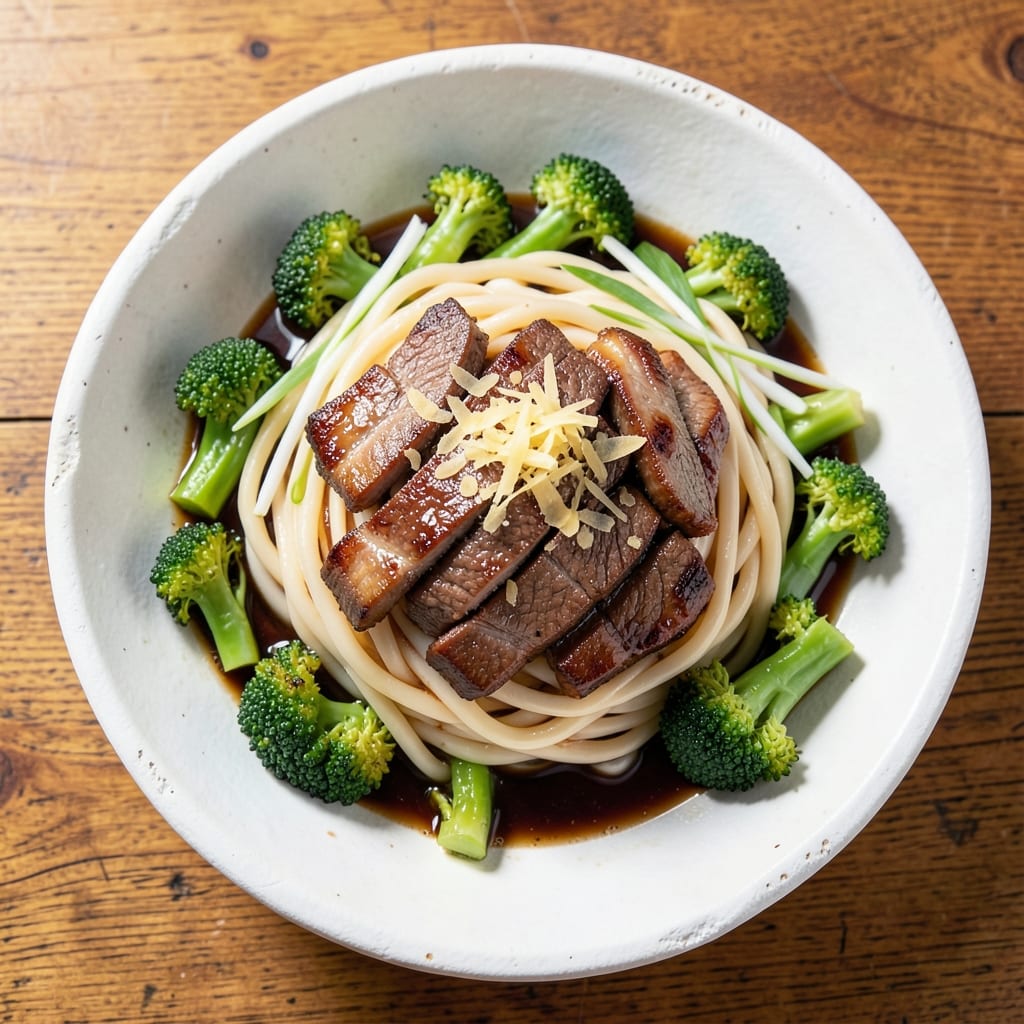
This beef and broccoli udon noodles recipe delivers restaurant-quality flavors in under 30 minutes, combining tender beef, vibrant broccoli, and chewy udon in a savory soy-ginger sauce that's impossible to resist. The secret lies in stir-frying the beef at high heat to achieve that signature wok hei—smoky, aromatic depth that transforms ordinary ingredients into something extraordinary. I've perfected this dish after years of testing, ensuring every bite delivers the perfect balance of chewiness, tenderness, and umami-rich sauce.
The foundation of this recipe is properly prepping each component: thinly sliced beef marinated in soy sauce and ginger for maximum flavor penetration, broccoli blanched just until vibrant green, and udon noodles cooked al dente before stir-frying to achieve that signature chewy texture. This method ensures nothing gets soggy while maintaining the integrity of each ingredient. The sauce, made with a simple blend of soy sauce, ginger, garlic, and a touch of honey, ties everything together with its perfect balance of salty, sweet, and aromatic notes.
What you'll end up with is a steaming bowl of beef and broccoli udon noodles where each element shines—tender beef with caramelized edges, crisp-tender broccoli florets, and perfectly chewy udon noodles all coated in that rich, flavorful sauce. The dish is satisfying enough to stand alone but pairs beautifully with steamed rice if you want to stretch it further. This recipe serves 2-3 people and comes together faster than takeout, delivering restaurant-quality results in your own kitchen.
For those short on time, you can use pre-cooked udon noodles to shave off 5 minutes of prep, though I recommend cooking them fresh for the best texture. The beef can also be partially cooked ahead and finished quickly in the pan. This dish is versatile enough to work as a weeknight dinner or an impressive meal for guests—just be prepared to have leftovers because it disappears fast.
Ingredients for beef and broccoli udon noodles
Restaurant-quality beef and broccoli udon comes together with these vibrant, flavor-packed ingredients.
| Ingredient | Amount | Notes |
|---|---|---|
| Udon Noodles 🍜 | 8 oz | Fresh or dried, cooked al dente |
| Ribeye Steak 🥩 | 8 oz | Thinly sliced against grain |
| Broccoli Florets 🥦 | 2 cups | Cut into bite-sized pieces |
| Light Soy Sauce 🥢 | ⅓ cup | Kikkoman preferred for balance |
| Dark Soy Sauce 🥢 | 1 tbsp | For deeper umami richness |
| Fresh Ginger 🌿 | 1 ½ tbsp | Finely grated, aromatic |
| Garlic Cloves 🧄 | 3 cloves | Minced, fresh preferred |
| Honey 🍯 | 1 tbsp | Light variety for balance |
| Sesame Oil 🌿 | ½ tbsp | Toasted, for aroma |
| Vegetable Oil 🫒 | 2 tbsp | High smoke point for stir-fry |
| Green Onions 🧅 | 3 whole | Thinly sliced, for garnish |
| Sesame Seeds 🌰 | 1 tsp | Toasted, for crunch |
| White Pepper 🌶️ | ¼ tsp | Freshly cracked for heat |
| Cornstarch 🌾 | 1 tbsp | For beef tenderizing |
| Sesame Oil (for finishing) 🌿 | ½ tbsp | Extra for final aroma |
The beef is the star—ribeye delivers that perfect balance of tenderness and flavor when sliced thin against the grain. Costco or your local butcher shop will have the best cuts, but any well-marbled steak works. For the udon, fresh is ideal—look for the thick, chewy variety at Asian markets, but dried works in a pinch. Broccoli should be bright green and firm; Trader Joe's often has pre-cut florets that save time. The soy sauces are non-negotiable—Kikkoman light and a splash of dark give that authentic depth. Ginger and garlic should be fresh; no shortcuts here.
No ribeye? Flank steak or sirloin work just as well when sliced thin. Short on time? Pre-cut udon noodles save 5 minutes, though fresh is better. The sauce can be made ahead—just store it separately until serving. For extra umami, add a dash of fish sauce (if not vegetarian), but the soy-ginger combo is already packed. Broccoli can be blanched ahead to save time during stir-fry. The cornstarch isn't just for thickening—it tenderizes the beef when marinated for 15 minutes.
Fresh ginger and garlic keep in the fridge for 1 week wrapped in a damp towel. The udon noodles last 2 days in the fridge if uncooked, but cook them fresh for best texture. Leftover sauce? Store it for 3 days in the fridge—it only gets better as flavors meld. Garnishes like sesame seeds and green onions can be prepped ahead and stored in the fridge for 3 days. Double the sauce if you're feeding a crowd—it disappears fast.
Why You'll Love This Recipe
- One-Pan Magic: I swear by this recipe for lazy nights—just sear the ribeye, toss in broccoli, and let the soy sauces work their magic. No chopping boards full of mess, no extra pots to wash. That dark soy glaze? It caramelizes right on the pan while you boil the udon.
- Umami Bomb: The combo of ribeye and dark soy sauce is chef’s kiss—deep, savory, with that perfect chewy texture. Light soy keeps it bright, and the broccoli adds a fresh crunch. Honestly, I’ve tried beef and broccoli a million ways, but this? It’s the one that sticks.
- Leftover Hero: Between us, this dish begs to be made extra. Cold udon the next day? Still delicious with a quick reheat. The beef stays tender, the sauce clings, and it’s the kind of meal that tastes just as good at lunch as it does for dinner. (Yes, even on a Tuesday night.)
- Budget-Friendly Luxe: Ribeye might sound fancy, but you only need a small cut—maybe 8 oz—and it stretches over two servings easily. Udon’s cheap, broccoli’s a veggie staple, and soy sauce lasts forever. It’s the kind of recipe that makes you feel like you’re eating out without breaking the bank.
Step-by-step instructions for savory soy-ginger beef with udon
Here's how to create a restaurant-quality stir-fry where tender beef and crisp broccoli meet chewy udon in a perfect soy-ginger sauce.
Prepare the Beef for Maximum Tenderness
Slice the 8 oz ribeye steak against the grain into thin strips about ¼-inch thick. Transfer them to a bowl and toss with 1 tablespoon cornstarch and ¼ teaspoon white pepper. This creates a delicate coating that tenderizes while adding subtle heat. Let the beef marinate for 10 minutes at room temperature—this ensures even cooking and prevents toughness.
I always slice against the grain for stir-fries because it shortens the muscle fibers, making each bite more tender. The cornstarch coating will help create a beautiful sear while keeping the beef juicy. Don't skip the room temperature step—cold meat releases less juice and cooks unevenly.
Cook the Udon Noodles to Perfect Al Dente
Bring a pot of water to a rolling boil and cook the 8 oz udon noodles according to package instructions, but remove them 1 minute earlier than suggested for al dente texture. Drain immediately and rinse briefly under cold water to stop the cooking process. Toss the noodles with ½ tablespoon sesame oil to prevent sticking and add a subtle aroma.
The key here is timing—udon should be tender but still have a slight bite. Rinsing removes excess starch that could make the noodles mushy when combined with the sauce. Keep the cooked noodles covered until ready to serve so they don't dry out.
Build the Flavorful Soy-Ginger Sauce
Heat 2 tablespoons vegetable oil in a wok or large skillet over medium-high heat until shimmering. Add the 2 cups broccoli florets and stir-fry for 2-3 minutes until bright green and just tender. Remove and set aside.
In the same pan, add 3 cloves minced garlic and 1.5 tablespoons freshly grated ginger. Stir for 30 seconds until fragrant but not browned—ginger burns quickly, so keep an eye on it. Pour in ⅓ cup light soy sauce, 1 tablespoon dark soy sauce, and 1 tablespoon honey, stirring constantly for 1 minute until the sauce begins to thicken slightly.
Sear the Beef and Combine Everything
Working in batches if needed, add the marinated beef to the wok and sear for 1-2 minutes until golden brown and cooked through. The cornstarch coating will help create a beautiful caramelized crust while keeping the interior juicy. Return the broccoli to the pan and toss everything together for 1 minute to combine flavors.
Add the cooked udon noodles and toss vigorously for 2 minutes until everything is well-coated in the sauce. The residual heat will finish cooking the noodles perfectly while infusing them with the beef's juices. If the sauce seems too thick, add 1-2 tablespoons hot water to reach your desired consistency.
Finish with Aromatics and Garnish
Turn off the heat and stir in ½ tablespoon sesame oil and ½ tablespoon sesame oil for finishing. This final touch adds depth of flavor and aroma that can't be achieved through cooking alone. Divide the udon among bowls and garnish with 3 whole sliced green onions and 1 teaspoon toasted sesame seeds for texture and visual appeal.
Serve immediately while the noodles are still hot and the sauce is glossy. Each bite should deliver tender beef, crisp broccoli, chewy udon, and a perfect balance of sweet, salty, and umami flavors. The sesame seeds add a delightful crunch that contrasts beautifully with the soft textures of the noodles and beef.
Pro Tips For Making Beef And Broccoli Udon Noodles
- CUT BEFORE SEARING: Ribeye’s fat renders better when sliced against the grain—1/4-inch thick, before hitting the pan. I learned this the hard way: whole steak chunks turn tough when they’re supposed to melt. Use a sharp knife and slice while chilled (but not frozen), or the meat will tear. Trust me, your noodles will thank you.
- SALT THE BROCCOLI: Toss florets in a pinch of salt before cooking—yes, even if they’re fresh. This draws out moisture so they crisp properly and absorb the sauce later. I used to skip this, and my broccoli always ended up soggy under the weight of the beef. Two minutes in a bowl with salt makes a real difference.
- STOP WHEN IT’S 90% DONE: Udon noodles finish cooking in the hot pan with the beef and sauce—no need to boil them first. Toss them in just before the beef goes in, then cover the pan for 2 minutes. The residual heat will soften them perfectly. I was skeptical until I tried it: overcooking them turns them mushy, and undercooking leaves them chewy.
- DARK SOY SAUCE LAST: Add light soy sauce first to build flavor, then stir in dark soy sauce at the very end—just 1 teaspoon. It’s bitter and overpowers if mixed in early. My grandmother swore by this, and she was right: the dark sauce’s deep color and richness should be the final touch, not the base. Save it for the last 30 seconds of cooking.
Flavor customization for this recipe
Spicy Kick Options
For those who love heat, add 1 teaspoon chili crisp or ½ teaspoon gochujang paste to the sauce for a smoky, spicy depth. I like to mix it in during the final toss with the udon. If you prefer fresh heat, toss in 1-2 thinly sliced Thai chilies with the beef while searing. For a milder kick, use ½ teaspoon red pepper flakes instead. 🌶️
Sweet and Tangy Twist
Balance the soy sauce with 1 tablespoon rice vinegar and ½ teaspoon sugar for a bright, tangy profile. Add these to the sauce during the simmering phase. For extra depth, swap the honey for 1 tablespoon mirin—it adds a subtle sweetness without overpowering. This variation works beautifully with the umami-rich beef and broccoli.
Umami Boost Variations
For deeper umami flavors, stir in 1 teaspoon fish sauce (if not vegetarian) or ½ teaspoon mushroom powder during the sauce-building step. I also love adding 1 tablespoon oyster sauce for a richer, more complex taste. If you're vegetarian, 1 teaspoon soy sauce substitute (like coconut aminos) works well. These additions elevate the dish to next-level restaurant quality.
Herb and Aroma Infusions
Fresh herbs add brightness to this dish. Toss in 1 tablespoon chopped cilantro or 1 teaspoon finely chopped Thai basil during the final stir with the udon. For a more aromatic touch, add ½ teaspoon grated lemon zest to the sauce while simmering. These herbs complement the soy-ginger flavors beautifully while adding freshness. 🌿
Creamy and Rich Adaptations
For a creamy twist, stir in 2 tablespoons coconut milk or 1 tablespoon heavy cream at the end for a luxurious texture. I recommend adding it just before serving to prevent the sauce from curdling. This variation works especially well if you're serving the dish with a side of steamed rice. The creaminess balances the chewy udon perfectly.
Vegetarian Protein Swaps
Replace the beef with 8 oz extra-firm tofu (pressed and cubed) or 8 oz shiitake mushrooms (sliced) for a vegetarian version. Toss the tofu or mushrooms with 1 tablespoon cornstarch and ½ teaspoon smoked paprika before stir-frying. The texture and flavor will still shine in the soy-ginger sauce, making this dish versatile for all dietary preferences.
Nutrition facts
Frequently asked questions
Can I use dried udon noodles instead of fresh?
Yes, but there are key differences. Dried udon works in a pinch, but fresh delivers that signature chewy texture. If using dried, soak them for 5-7 minutes in hot water (not boiling) until pliable, then rinse with cold water. For stir-frying, cook them 1 minute less than package instructions to maintain bite. The sauce will cling better to properly hydrated noodles.
How do I prevent the beef from getting tough?
Three critical steps:
- Slice against the grain for shorter muscle fibers,
- Marinate with cornstarch for 10 minutes (not longer), and
- Cook at high heat for 1-2 minutes max. Overcooking is the #1 cause of toughness. The cornstarch creates a protective crust while tenderizing internally. Never skip the room temperature step before cooking!
Can I make this dish ahead of time?
but with smart prep. Cook the beef and broccoli separately, then store components in airtight containers for 2 days. Keep the sauce separate until serving to prevent soggy noodles. Reheat beef and broccoli in a dry pan for 1 minute, then toss with fresh udon and warmed sauce. For best texture, cook udon fresh when reheating—it takes just 3 minutes.
What's the best way to adjust the sauce for picky eaters?
For milder flavors, reduce the dark soy sauce to ½ tablespoon and add 1 teaspoon sugar to balance. For kids, swap honey for ½ teaspoon maple syrup and add ½ teaspoon grated carrot to the sauce for natural sweetness. Always taste as you go—you can adjust saltiness with water (1 tsp water per ½ tsp soy sauce) without altering texture.
Why does my udon turn mushy when stir-frying?
This happens from overcooking or excess moisture. First, rinse cooked udon briefly in cold water to remove surface starch. Second, stir-fry on high heat for only 2 minutes—the residual heat will finish cooking. Third, use 1 tablespoon less sauce if your noodles absorb quickly. For extra insurance, cook udon 1 minute less than package instructions before stir-frying.