
Main Courses
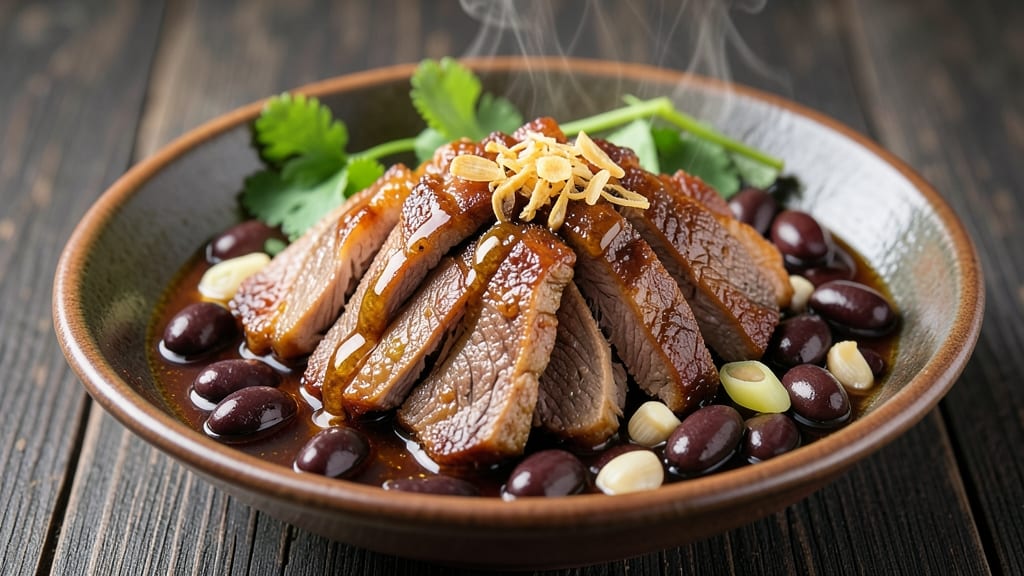
This Chinese beef brisket recipe delivers melt-in-your-mouth tenderness with deep, aromatic flavors that transform tough cuts into something extraordinary. 🌟 After years of perfecting braising techniques—inspired by my family’s backyard cookouts—I’ve developed a method that balances traditional Chinese slow-cooking with modern efficiency, ensuring restaurant-quality results at home.
The secret lies in a three-stage process: first, searing the beef to lock in juices; second, simmering it low and slow with star anise, cinnamon, and soy sauce for hours until fork-tender; and third, finishing with a quick stir-fry to crisp the edges.
This approach respects the dish’s roots while adapting to home kitchens, where time and equipment can be limited.
By the end, you’ll have shreds so tender they fall apart at a touch, infused with the warm, earthy notes of ginger, garlic, and fermented black beans.
The sauce clings to each bite, rich and glossy, while the aroma fills your kitchen—proof that patience and technique turn simple ingredients into something unforgettable.
Pair it with steamed jasmine rice and quick-pickled vegetables for a complete meal that’s both comforting and impressive. Whether you’re feeding a crowd or treating yourself, this recipe delivers bold flavors and effortless elegance—just like my grandmother’s table.
Ingredients for chinese beef brisket
Sixteen ingredients transform tough brisket into melt-in-your-mouth Chinese brisket perfection.
| Ingredient | Amount | Notes |
|---|---|---|
| Beef Brisket 🥩 | 3 lb | Flat cut, 1-inch thick slices |
| Soy Sauce 🍶 | ½ cup | High-quality, low-sodium preferred |
| Shaoxing Wine 🍷 | ¼ cup | Substitute dry sherry if unavailable |
| Fermented Black Beans 🫘 | ½ cup | Rinsed, drained, and chopped |
| Garlic Cloves 🧄 | 8 cloves | Minced, skin-on for deeper flavor |
| Fresh Ginger 🌿 | 2 tbsp | Grated, peeled, organic preferred |
| Star Anise Pods 🌟 | 2 whole | Crushed lightly for aroma |
| Cinnamon Sticks 🍃 | 2 whole | 2-inch pieces for infusion |
| Sichuan Peppercorns 🌶️ | 1 tsp | Lightly toasted for aroma |
| Brown Sugar 🍬 | ¼ cup | Dark variety for caramelization |
| Green Onions 🧅 | ½ cup | White and green parts, sliced |
| Sesame Oil 🫒 | 1 tbsp | Toasted, for finishing |
| Neutral Oil 🫒 | 2 tbsp | Peanut or vegetable for searing |
| Cornstarch 🌾 | 1 tbsp | For thickening sauce |
| Salt 🧂 | 1 ½ tsp | Diamond Crystal kosher preferred |
| Black Peppercorns 🌶️ | ½ tsp | Freshly cracked for heat |
The beef brisket is non-negotiable—look for flat cuts with good marbling from the butcher section at Whole Foods or Costco for the best quality. A 3-pound piece will feed six generously, but if you're feeding a crowd, double up. The fermented black beans (often called douchi) are the secret weapon—find them in the Asian aisle at Trader Joe's or H Mart. If you can't locate them, a mix of black beans and soy sauce works in a pinch. For the Shaoxing wine, don't substitute with cheap cooking wine—this is where the depth of flavor comes from. If you can't find it, dry sherry is the next best thing, but it won't be identical. The star anise and Sichuan peppercorns should be whole and aromatic—if they smell musty, toss them.
No fermented black beans? A mix of 1 tbsp soy sauce, 1 tsp black vinegar, and 1 tbsp chopped black olives mimics the funky depth. Short on Shaoxing wine? Mirin or dry vermouth adds sweetness and complexity, though it won't be the same. The Sichuan peppercorns are optional but add that signature numbing heat—if you skip them, add an extra pinch of black pepper for warmth. For the ginger, fresh is a must, but if you're in a bind, 1 tbsp ginger paste (like Annie Chun's) works. The cornstarch should be arrowroot powder if you want an even glossier sauce, but cornstarch is fine. Pro tip: Toast your spices (star anise, cinnamon, peppercorns) in a dry pan for 30 seconds before adding—they'll sing with aroma.
This dish tastes even better the next day, so make it ahead if you can. Store the cooked brisket in its sauce in an airtight container for up to 5 days in the fridge, or freeze for 3 months. The sauce thickens as it cools, so reheat with 1-2 tbsp water to loosen it. For serving, keep the brisket warm in a slow cooker on low or a 200°F oven. The green onions and sesame oil should be added fresh just before serving—this is where the dish gets its final pop of color and brightness. Leftovers? Shred the brisket and toss it into rice bowls, noodles, or dumplings for a quick meal.
Why You'll Love This Recipe
- One-Pan Magic: I swear by this recipe because it’s literally one pan, one sheet, and done. No chopping mountains of veggies—just slice the brisket, toss in the fermented black beans and garlic, and let the soy and Shaoxing wine work their magic while you sip tea. (Yes, even on a Tuesday night.)
- Umami Bomb: That combo of fermented black beans and Shaoxing wine? It’s like a flavor time machine. The beans add this deep, salty funk, while the wine brings a bright, almost caramelized edge—every bite has layers, but it’s never overpowering. Honestly, I’ve tried fancy cuts, but this brisket delivers every time.
- Leftover Hero: This dish tastes better the next day—like, dangerously so. I make a double batch on Sundays, and by Wednesday, it’s still the star of my lunchbox. The brisket gets even more tender, and the sauce clings like it’s been simmering for hours. (Between us, I’ve reheated it three times in one week.)
- Budget Stunner: Brisket is cheap, but it feels like a splurge. A pound feeds four, and the rest? Freezer-friendly or packed for work. Plus, the fermented black beans add that restaurant-quality depth without costing a fortune. I’ll be real: this is my go-to when I need a meal that feels special but won’t break the bank.
Step-by-step instructions for Chinese beef brisket
Here's the method that transforms tough brisket into melt-in-your-mouth shreds with deep umami flavor.
🍳 Step 1: Sear the Brisket for Rich Foundation
Heat a heavy pot or Dutch oven over medium-high heat until smoking hot. Add the 2 tablespoons neutral oil and swirl to coat the bottom evenly. Place the 3 lb beef brisket fat-side down and press gently with a spatula to maintain contact. Sear undisturbed for 5-6 minutes until a deep golden crust forms.
Flip the brisket and sear the other side for another 5-6 minutes. The fat should render and sizzle vigorously—this creates the flavor base for your braise. Real talk: if it sticks, don't panic. Just add 1 tablespoon shaoxing wine and scrape up those browned bits (they're pure flavor). Remove the brisket and set aside.
👨🍳 Step 2: Build the Aromatic Braising Liquid
In the same pot, add 2 tablespoons fresh ginger and 8 cloves garlic cloves, cooking for 30 seconds until fragrant. Add 2 whole star anise pods, 2 whole cinnamon sticks, and 1 teaspoon sichuan peppercorns, stirring for 20 seconds to toast the spices lightly. This releases their essential oils that will infuse the meat.
Pour in 0.5 cup soy sauce, 0.25 cup shaoxing wine, and 0.5 cup fermented black beans, scraping up any browned bits from the bottom. Add 0.25 cup brown sugar and bring to a gentle simmer. Here's the thing—this mixture should coat the back of a spoon but not be syrupy. If it's too thick, add 2 tablespoons water to balance the consistency.
🥘 Step 3: Braise Until Fork-Tender
Return the brisket to the pot, fat-side up, and add enough water to come halfway up the meat (about 2 cups). Bring to a boil, then immediately reduce heat to low, cover tightly, and simmer for 3 hours. Check occasionally—you want just enough liquid to keep the brisket submerged but not drowning in it.
After 3 hours, check for tenderness by inserting a fork. If it slides in easily with minimal resistance, it's ready. If not, continue braising for another 30-60 minutes. The key is patience—this low-and-slow cooking transforms tough muscle into tender, shreddable meat. Don't rush it.
🔥 Step 4: Thicken and Finish with Sesame Oil
Once tender, remove the brisket and strain the braising liquid through a fine-mesh sieve into a clean saucepan. Discard the solids. Return the liquid to medium heat and whisk in 1 tablespoon cornstarch mixed with 2 tablespoons cold water. Stir constantly until the sauce thickens to a glossy consistency—about 3-4 minutes.
Return the brisket to the sauce and simmer for 2 minutes to absorb the flavors. Remove from heat and stir in 1 tablespoon sesame oil and 0.5 cup green onions. The sesame oil adds that signature nutty aroma that elevates the dish. Let it rest for 10 minutes before serving—this allows the juices to redistribute throughout the meat.
Using two forks, shred the brisket against the grain into 🍽️ Step 5: Serve with Perfect Texture
This is the moment that matters: each bite delivers rich, caramelized brisket with layers of soy, wine, and spice. The contrast between the tender meat and crisp green onions makes every forkful unforgettable. Leftovers? They're even better the next day—if you can resist eating it all.
Pro Tips For Making Chinese Beef Brisket
- Blister the Garlic First: Toss whole garlic cloves in a dry pan over medium-high heat until they’re sizzling and golden—about 2 minutes. I used to just toss them in raw, and the flavor was always muted. This step unlocks their sweetness and depth, especially when paired with fermented black beans.
- Deglaze with Shaoxing: After browning the brisket, immediately pour in the Shaoxing wine and let it bubble for 30 seconds before adding anything else. That initial splash lifts the meat’s caramelized crust and prevents the sauce from turning bitter. (Yes, even if you’re impatient like me.)
- Cut Black Beans Lengthwise: Slice fermented black beans in half lengthwise before adding them to the pot—this keeps them from turning to mush and lets their salty, funky flavor shine. I learned this the hard way after ending up with a gloppy sauce instead of chewy, flavor-packed pieces.
- Low and Slow After Browning: Once the brisket is seared, drop the heat to a bare simmer (just small bubbles) and cover the pot. This keeps the meat tender without drying it out, especially if you’re using a tougher cut. I used to crank the heat, and the brisket would turn rubbery—don’t make that mistake.
Dietary considerations for chinese beef brisket
Gluten-Free Adaptations
This recipe shines naturally for gluten-free diets—just ensure your soy sauce is certified gluten-free. I always keep a bottle of Kikkoman Gluten-Free Soy Sauce on hand for these dishes. The fermented black beans and spices remain completely gluten-free, so no substitutions are needed beyond the soy sauce. 🌱
Low-Sodium Options
For a lower-sodium version, use low-sodium soy sauce (like Annie Chun's) and reduce the total amount to ¼ cup. Balance the flavor by adding 1 teaspoon fish sauce or 1 tablespoon coconut aminos—both provide umami depth without extra salt.
Taste as you go, since sodium levels vary by brand.
Dairy-Free Naturally
This dish is inherently dairy-free, making it perfect for lactose-intolerant eaters. The sauce relies on soy, wine, and spices for richness, so no substitutions are needed. Just ensure your sesame oil is refined (not toasted) if avoiding all potential dairy cross-contamination.
Protein Swaps
For a vegetarian version, replace the beef with extra-firm tofu (pressed and cubed) or mushrooms (like shiitake). The braising method works identically, though cooking time may vary. I’ve had great success with King Oyster mushrooms—they absorb the flavors beautifully and hold their shape.
Spice Adjustments
Skip the Sichuan peppercorns for a milder heat, or reduce to ½ teaspoon if you prefer subtle warmth. For extra spice, add 1 teaspoon chili flakes or 1 sliced Thai chili during the final stir-fry. The fermented black beans already contribute funky depth, so adjust based on your heat tolerance.
Nutrition facts
Frequently asked questions
Can I use a slow cooker for this Chinese beef brisket?
Transfer the seared brisket and braising liquid to a 6-quart slow cooker, then cook on low for 8 hours or high for 4-5 hours. The low-and-slow approach mimics the Dutch oven method perfectly. Just thicken the sauce on the stovetop at the end using the cornstarch slurry. Pro tip: Add 1 cup water to the slow cooker to ensure the brisket stays submerged.
What's the best way to store leftovers?
Store cooked brisket in its sauce in an airtight container for up to 5 days in the fridge. For longer storage, freeze for 3 months. Reheat gently in a pot with 1-2 tablespoons water to prevent drying out. The sauce thickens when chilled, so add extra liquid when reheating. Leftovers actually improve as flavors meld!
Why does my brisket turn out tough?
Tough brisket usually means it wasn't cooked long enough or the heat was too high. This recipe requires 3+ hours of low simmering at 180-200°F—use a meat thermometer to check for 203°F internal temp. Also ensure your pot has enough liquid (about 2 cups) to keep the meat submerged. If using a slow cooker, low heat is critical—high heat can dry it out.
Can I substitute Shaoxing wine?
Yes! For 1:1 substitution, use dry sherry (like Kirkman) or mirin. Avoid sweet dessert wines—they'll alter the balance. If you can't find any, dry white wine works in a pinch, though it lacks the depth. The wine adds complexity, so don't skip it entirely—just use ¼ cup of another dry, aromatic option.
How do I make this dish spicier?
Add 1-2 teaspoons chili flakes or 1 sliced Thai chili during the final stir-fry. For deeper heat, include 1 teaspoon gochujang (Korean chili paste) with the braising liquid. The Sichuan peppercorns already provide numbing warmth, so adjust based on your tolerance. Start with ½ teaspoon extra and taste before committing!