
Main Courses
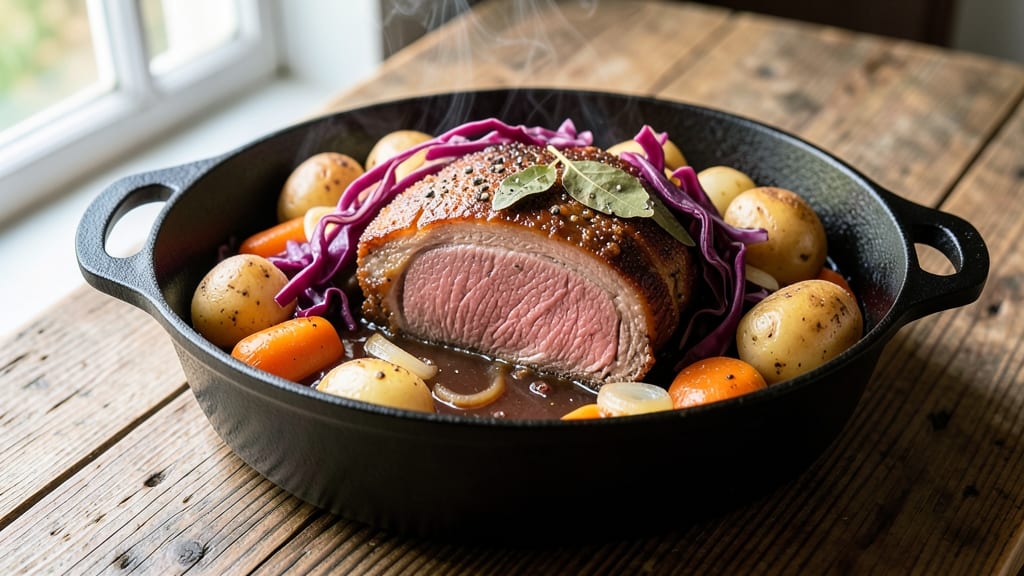
Bobby Flay's corned beef and cabbage recipe delivers the tender, melt-in-your-mouth perfection you crave for St. Patrick's Day—or any day you're craving a hearty, comforting meal.
This isn't your grandmother's version; it's a refined take on a classic, where slow-simmered beef meets perfectly seasoned cabbage and herbed potatoes for a dish that feels like a restaurant-quality celebration on your table.
The key lies in the brining process and precise cooking times, techniques Flay himself would approve of.
What sets this recipe apart is the balance of tradition and modern flair—think caramelized edges on the beef, bright cabbage that stays crisp-tender, and potatoes infused with fresh herbs that elevate every bite.
It's a foolproof method that still allows room for personalization, whether you prefer a touch more mustard in the brine or a sprinkle of smoked paprika for depth.
The slow simmer transforms tough cuts into fork-tender slices, while the cabbage absorbs just enough of the rich broth to stay flavorful without turning mushy.
By the time you're serving this dish, your kitchen will smell like a New York deli, and your guests will swear you spent hours preparing it—when in reality, the slow cooker does most of the work.
The herbed potatoes add a textural contrast that keeps the meal interesting, while the cabbage's slight crunch cuts through the richness of the beef. This is the kind of recipe that turns a simple Sunday dinner into a memorable feast, all while staying true to its roots.
The beauty of this method is its versatility—serve it with a sharp mustard sauce for extra tang, or keep it classic with a side of pickled vegetables.
Leftovers reheat beautifully, making it perfect for meal prep or feeding a crowd. Let's get started on a dish that's equal parts nostalgic and sophisticated.
Ingredients for bobby flay corned beef and cabbage
Six ingredients for the beef alone—worth every bite of that melt-in-your-mouth tenderness.
| Ingredient | Amount | Notes |
|---|---|---|
| Corned Beef Brisket 🥩 | 4 lb | Flat cut preferred, vacuum-sealed |
| Yellow Cabbage 🥬 | 1 whole | Heaviest head available, cut into wedges |
| Russet Potatoes 🥔 | 2 lb | Yukon gold preferred, peeled and quartered |
| Carrots 🥕 | 4 whole | Medium size, peeled and halved lengthwise |
| Onions 🧅 | 2 whole | Yellow, peeled and quartered |
| Bay Leaves 🌿 | 4 whole | Dried, for brining |
| Mustard Seeds 🌶️ | 2 tbsp | Yellow or brown preferred |
| Fresh Thyme 🌿 | ¼ cup | Stems removed, loosely packed |
| Fresh Parsley 🌿 | ¼ cup | Chopped for garnish |
| Beef Broth 💧 | 4 cups | Low-sodium preferred |
| Apple Cider Vinegar 🍎 | ½ cup | For brining |
| Brown Sugar 🍚 | ¼ cup | Light or dark preferred |
| Salt 🧂 | 1 tbsp | Kosher or sea salt |
| Black Peppercorns 🌶️ | 1 tsp | Freshly cracked preferred |
| Garlic Cloves 🧄 | 4 cloves | Smashed for brining |
The corned beef is the star, so don't skimp on quality. Flat cut brisket gives you that perfect texture—point cut stays chewier. Most grocery stores carry vacuum-sealed packages, but if you're buying a whole brisket, ask the butcher for the flat half. For the cabbage, heaviest head you can find—it's got more flavor and stays crisp-tender. I grab mine from Whole Foods when I can, but the regular supermarket stuff works fine. The potatoes? Yukon golds are ideal—they hold up better to long cooking than Russets, but if that's what you've got, peel and quarter them. Just don't skip peeling them first—nobody wants stringy potatoes in their corned beef.
No fresh thyme? Dried works at one-third the amount, but fresh is worth hunting down. Short on beef broth? Chicken broth plus 2 tbsp soy sauce gets you close. The apple cider vinegar can be swapped for white vinegar in a pinch, but the flavor won't be quite as complex. Mustard seeds? Ground mustard at half the amount works if you're in a hurry. For the garlic, I always smash the cloves with the flat of my knife—releases more flavor into the brine. The carrots can be baby carrots if that's what's in the fridge, but whole carrots stay more intact during cooking. And if you're feeling fancy, add a smoked paprika pinch to the brine for depth—Bobby Flay would approve.
This dish tastes even better the next day, so make extra. The corned beef keeps 4-5 days in the fridge, and the potatoes and cabbage reheat beautifully with a splash of broth. For meal prep, portion everything into containers—beef, potatoes, and cabbage separate so you can reheat just what you need. The broth freezes well too, so save it for future batches. If you're serving a crowd, double the recipe—this stuff disappears fast. And trust me, the leftovers are just as good as the first serving, if not better.
Why You'll Love This Recipe
- Here’s what sold me: a whole brisket, a big head of cabbage, and a bag of potatoes feed a family of four (or a hungry group of friends) for under $20. No fancy ingredients, no waste—just hearty, satisfying food that makes everyone at the table happy. Plus, it’s the kind of meal that feels special without breaking the bank.
- One-Pot Magic: That’s right—just one pot, no fussing with multiple pans. Toss in the brisket, cabbage, potatoes, and carrots all at once, then let the spices and liquid do the work while you sip coffee or scroll through your phone. Bobby’s method keeps it simple: no fancy techniques, just simmering until everything’s tender and falling apart.
- Spice Bomb Combo: Honestly, the flavor here is next-level. That corned beef brisket soaks up the garlic, bay leaves, and black pepper until every bite is rich and aromatic, while the cabbage gets just crisp enough to hold its shape. The carrots caramelize into sweet little bursts, and the potatoes? Creamy perfection. It’s the kind of dish where you take the first bite and immediately think, “Why don’t I make this more often?”
- Leftovers That Don’t Suck: Between us, this is one of those rare recipes where the second day is better than the first. The brisket stays juicy, the cabbage softens into a perfect texture for sandwiches, and the potatoes turn into mash-worthy gold. Pack it for lunch, reheat it for dinner, or freeze portions—it’s the ultimate lazy-day lifesaver.
Step-by-step instructions for slow-simmered corned beef with herbed potatoes
Here's how to transform tough brisket into melt-in-your-mouth perfection with aromatic vegetables.
Prepare the Brisket and Vegetables
Begin by rinsing the 4 lb corned beef brisket under cold water to remove any surface brine. Pat it completely dry with paper towels—this helps the seasoning adhere and creates a better crust later. In a large Dutch oven, combine the 1 whole yellow cabbage cut into wedges, 2 lb russet potatoes peeled and quartered, 4 whole carrots halved lengthwise, and 2 whole onions quartered.
Add the 4 whole bay leaves, 2 tbsp mustard seeds, 0.25 cup fresh thyme stems removed, and 1 tbsp salt to the vegetables. Pour in 4 cups beef broth and 0.5 cup apple cider vinegar, then bring to a simmer over medium-high heat. Let it bubble gently for 10 minutes to begin softening the vegetables and infusing the liquid with flavor.
Add the Brisket and Simmer Low
Carefully place the brisket on top of the vegetables in the Dutch oven. The weight of the vegetables will help keep the brisket submerged as it cooks. Pour in the 0.25 cup brown sugar and 1 tsp freshly cracked black peppercorns, then add the 4 smashed garlic cloves to the pot. This sweet-spicy balance is key to that signature corned beef flavor.
Reduce the heat to low and cover the pot with a tight-fitting lid. Let it simmer gently for 3 hours, checking occasionally to ensure the liquid remains at a gentle simmer. You'll know it's ready when the brisket is fork-tender and pulls apart easily. The vegetables should be tender but still hold their shape—no mushiness here.
Rest and Serve with Herbed Garnish
Once the brisket reaches 195°F internally and the vegetables are tender, remove the pot from heat. Let the entire dish rest covered for 20 minutes. This resting period allows the juices to redistribute throughout the brisket, ensuring each bite stays moist.
Before serving, stir in the 0.25 cup chopped fresh parsley and adjust the seasoning if needed. The parsley adds a bright finish that cuts through the richness of the brisket. Slice the brisket against the grain for maximum tenderness, and serve it with the vegetables and flavorful broth spooned over the top. Every bite should deliver that perfect balance of sweet, savory, and herbed notes.
Pro Tips For Making Bobby Flay Corned Beef And Cabbage
- Brown the Onions First: I learned this the hard way—skipping this step means your whole pot tastes like a sad, watery stew. Sear the onions in a hot pan with a splash of water until deeply caramelized before adding anything else. That sweet, jammy base is what makes Bobby’s version actually sing.
- Trim the Cabbage Right: Whole cabbage heads? Nope. Bobby’s recipe works best with wedges, not slices—keep the core intact so they hold shape. Cut into 6-8 wedges per head, leave the outer leaves on for texture, and resist the urge to chop them into matchsticks (yes, I’ve done it).
- Don’t Boil Dry: After the initial simmer, the liquid will reduce fast. Keep an eye on it—if it gets too low, the potatoes will stick and burn. Add a splash of water or broth every 20 minutes, even if it feels like overkill. Trust me, your potatoes will thank you.
- Salt the Potatoes Last: Sounds weird, but it works: Add the potatoes raw to the pot, but hold off on salting them until the very end. This keeps them from getting mushy while cooking. Toss them in a bowl with a pinch of salt and a glug of butter right before serving—crispy edges, every time.
Regional styles of this recipe
Irish-American Classic
This recipe traces back to Irish immigrants who transformed corned beef into an American staple. The dish became especially popular during St. Patrick's Day celebrations, where it replaced the traditional Irish bacon (rasher) due to its availability in the US.
The slow-cooked brisket with cabbage mirrors the Irish stew tradition but adapts to New York deli-style preparation. Bobby Flay's version keeps the hearty comfort while adding modern precision—like the 3-hour simmer that ensures fork-tender meat without drying it out. 🍀
New York Deli Twist
In New York City, corned beef and cabbage evolved into a deli counter staple, often served with rye bread and mustard.
Flay's method captures this deli essence by using a Dutch oven (like a home smoker) and infusing the broth with apple cider vinegar and brown sugar for that signature sweet-savory balance. The herbed potatoes add a layer of sophistication that elevates it beyond basic Irish fare.
This version is perfect for a weekend brunch or a cozy dinner party.
Boston-Style Influence
Boston's version often includes carrots and potatoes> cooked alongside the beef, which this recipe incorporates. The key difference? Boston-style uses less vinegar> and more salt pork> for rendering fat. Flay's adaptation skips the pork but keeps the veggie medley, making it more approachable for home cooks.
The low-and-slow method> ensures the beef stays moist while the vegetables absorb the rich flavors. This is the version you'd find in a New England seafood restaurant> next to a lobster roll.
Modern Flay Touches
Bobby Flay's signature touches include the fresh parsley garnish> at the end and the precise 195°F internal temp> check. He also emphasizes the resting period>, which is crucial for juicy slices.
The addition of smoked paprika> (optional) adds a subtle smokiness that bridges traditional and contemporary tastes. This version works equally well as a St. Patrick's Day centerpiece> or a weeknight family meal>.
Southern Comfort Adaptation
In the American South, corned beef often gets a Cajun or Creole twist>, with spices like cayenne and thyme>. Flay's recipe already includes thyme, so adding ½ tsp cayenne> to the brine would give it a spicy kick.
Serve it with collard greens> instead of cabbage for a Southern-inspired twist. The slow cooker makes this a great Sunday supper> option that feels special without requiring hours of active prep.
Global Fusion Idea
For a fusion twist, try a Korean-inspired version> by adding 1 tbsp gochujang> and 1 tsp sesame oil> to the brine. Serve with kimchi> and steamed rice> for a bold flavor contrast.
The sweet-savory profile of corned beef pairs surprisingly well with the tangy, spicy notes of kimchi. This version would make a bold statement at a dinner party> while keeping the dish approachable for everyday cooking. 🌍
Nutrition facts
Frequently asked questions
Can I use a slow cooker instead of a Dutch oven?
Transfer the brined brisket and all vegetables to the slow cooker after the initial 10-minute simmer in a pot. Cook on low for 7-8 hours or high for 4-5 hours until the beef reaches 195°F. The slow cooker method is even more hands-off and perfect for busy days. Just add the parsley at the end.
How do I know when the corned beef is fully cooked?
Use a meat thermometer to check the internal temperature—it should read 195°F in the thickest part. The beef should also pull apart easily with a fork. If you don't have a thermometer, cut into the thickest section: the juices should run clear, not pink.
Can I make this recipe without a Dutch oven?
Yes! Use a large stockpot with a tight-fitting lid. The key is keeping the liquid at a gentle simmer. If your pot is too shallow, add enough water to cover the brisket by 1 inch. A heavy pot helps maintain even heat, but avoid aluminum if possible—it can react with acidic ingredients.
What's the best way to reheat leftovers?
Reheat in the same pot over low heat with ½ cup broth or water to prevent drying. Cover and simmer for 10-15 minutes until everything is steaming hot. For individual portions, microwave with a splash of broth for 1-2 minutes. The potatoes and cabbage reheat beautifully this way!
Why does Bobby Flay add brown sugar to corned beef?
The brown sugar enhances the Maillard reaction, creating a deeper caramelized flavor during the long simmer. It balances the acidity from the vinegar and mustard seeds, resulting in that signature sweet-savory taste. It's a classic deli trick that makes the dish taste more complex without overpowering the beef's natural flavor.