
Main Courses
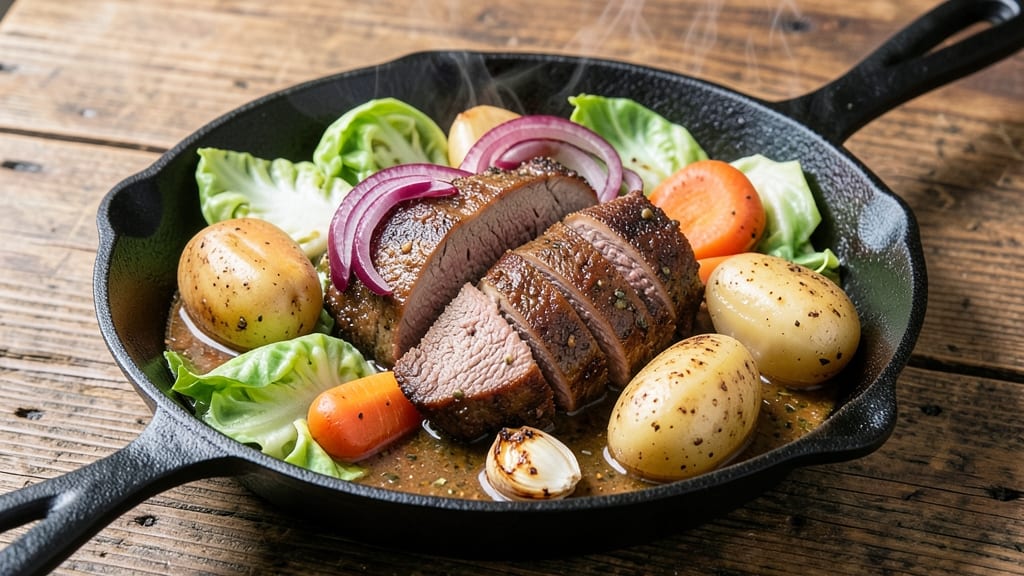
Betty Crocker’s corned beef and cabbage recipe delivers the hearty, slow-simmered tradition that makes this dish a St. Patrick’s Day staple—and a weeknight comfort food favorite. The secret lies in a foolproof method that transforms tough beef into tender, flavorful slices while infusing the cabbage with rich, savory broth.
After years of perfecting this classic, I’ve streamlined the process without sacrificing that restaurant-quality depth.
This recipe starts with a simple brine that tenderizes the beef overnight, ensuring it stays juicy and packed with flavor. The cabbage cooks just long enough to soften without losing its texture, while carrots and potatoes (if added) absorb the aromatic broth.
What sets this apart is the balance—saltiness from the corned beef, sweetness from the vegetables, and the umami richness of slow-simmered spices. Every bite is a reminder of why this dish has been a tradition for generations.
By the time you’re done, you’ll have a golden-brown corned beef that slices easily, cabbage with tender leaves, and a pot of broth so flavorful it’s worth drinking straight from the spoon. The aroma alone will fill your kitchen with warmth, and the leftovers?
Even better the next day. This is the kind of meal that turns a simple dinner into a celebration—no green attire required.
Serve with buttered soda bread to soak up every last drop of that savory broth, or pair it with mashed potatoes for a classic combination. The beauty of this recipe is its versatility: it’s perfect for a festive feast or a cozy Sunday supper.
Let’s get started on creating your own slow-simmered tradition.
Ingredients for betty crocker corned beef and cabbage
Pantry staples plus a few key ingredients for that classic corned beef and cabbage flavor.
| Ingredient | Amount | Notes |
|---|---|---|
| Corned Beef Brisket 🥩 | 3 lb | Pre-brined, not pre-cooked |
| Green Cabbage 🥬 | 1 ½ lb | Heavier head preferred |
| Carrots 🥕 | 4 medium | Whole, peeled and halved |
| Russet Potatoes 🥔 | 2 medium | Peeled and quartered |
| Yellow Onion 🧅 | 1 whole | Sliced into wedges |
| Garlic Cloves 🧄 | 4 cloves | Smashed for flavor |
| Bay Leaves 🌿 | 2 whole | Fresh preferred |
| Black Peppercorns 🌶️ | 1 tsp | Crushed lightly |
| Salt 🧂 | 2 tsp | Kosher or sea salt |
| Water 💧 | 8 cups | For simmering broth |
| Butter 🧈 | 2 tbsp | Unsalted, for serving |
| Soda Bread 🍞 | 1 loaf | Store-bought or homemade |
| Whole Milk 🥛 | ½ cup | For buttered bread |
| Fresh Parsley 🌿 | ¼ cup | Chopped for garnish |
The corned beef brisket is the star here—3 pounds gives you plenty of leftovers, which is half the fun. Look for pre-brined brisket at Costco or your local butcher; the Heinz brand is a solid grocery store option. If you can't find pre-brined, soak your own in water, bay leaves, and spices overnight. The cabbage should be heavy for its size—green or purple, but green holds up better to slow cooking. Carrots and potatoes? Medium-sized work best—they'll soften perfectly without turning to mush.
No soda bread? Irish soda bread is traditional, but any crusty bread will do—even a baguette. Short on parsley? Fresh cilantro or green onions add a nice brightness. The butter for serving can be swapped for olive oil or sour cream if you're watching fat. For extra depth, add a pinch of sugar to the broth while simmering—it balances the saltiness beautifully. And if you're feeling fancy, a splash of stout beer in the simmering liquid takes it to the next level.
This dish tastes even better the next day—3-4 days in the fridge, honestly. The broth freezes well for up to 3 months, so make extra. I like to portion the beef and cabbage into containers for quick lunches. The soda bread? Toast it fresh before serving—butter it right before eating so it doesn't get soggy. Leftovers reheat beautifully in the microwave or on the stovetop with a splash of broth.
Why You'll Love This Recipe
- One-Pot Magic: I swear by this recipe for lazy nights—just dump the brisket, cabbage, and potatoes into a pot with the pre-mixed Betty Crocker seasoning packet, add water, and let it simmer. No chopping like a pro, no fancy techniques—just set it and forget it while you fold laundry or scroll through your phone.
- Salt-and-Pepper Crunch: That crispy, caramelized edge on the brisket? It’s the secret weapon. The slow cook transforms tough cuts into melt-in-your-mouth perfection, and the cabbage soaks up just enough salt to get that just-right tang. Honestly, the first bite makes me pause mid-sentence.
- Stretch It Further: Between us, this feeds six but costs less than takeout for two. The leftovers? Even better the next day—reheat the brisket slices in a pan with a splash of broth, and suddenly you’ve got a quick breakfast hash or a sandwich filling. My wallet and my freezer both thank me.
- Weeknight Workhorse: Game day? Potluck? Random Tuesday? This dish handles it all. The potatoes stay fluffy, the carrots caramelize into sweet little bursts, and the onion adds depth without overpowering. I’ll be real—it’s the one recipe I’ve made at least 12 times this year, and I’m not tired of it yet.
Step-by-step instructions for Betty Crocker's corned beef and cabbage
Transform simple ingredients into a hearty, slow-cooked masterpiece with these straightforward directions.
Prepare the Vegetables for Cooking
Start by prepping all your vegetables while the corned beef brisket comes to room temperature. Cut the 1.5 lb green cabbage into 6 equal wedges, keeping the core intact. Peel and halve the 4 medium carrots lengthwise, then slice each half into 3-inch pieces. Peel and quarter the 2 medium russet potatoes into even chunks about 1-inch thick.
Slice the 1 whole yellow onion into 6 wedges, leaving the root end attached. Smash the 4 cloves garlic cloves lightly with the side of your knife to release their flavor without mincing. This preparation keeps your workspace organized and ensures even cooking. Real talk: Don't skip peeling the potatoes—their skins can get tough when simmered.
Season and Simmer the Corned Beef
Place the 3 lb corned beef brisket in a large Dutch oven or heavy pot with a tight-fitting lid. Add the 8 cups water, 2 whole bay leaves, 1 tsp crushed black peppercorns, and 2 tsp salt. Bring to a boil over medium-high heat, then immediately reduce to a gentle simmer. The water should barely bubble—you're looking for a slow cook that prevents the meat from toughening.
Cover and simmer for 3 hours, skimming off any foam that rises to the surface during the first 30 minutes. Here's the thing—this slow cooking process is what makes the meat tender and the broth flavorful. Don't peek too often; each time you lift the lid, you lose heat and extend cooking time. After 3 hours, check the internal temperature with a meat thermometer—it should read 195°F for perfect tenderness.
Add Vegetables and Complete Cooking
Carefully remove the corned beef from the pot and set it aside on a cutting board. Add the prepared green cabbage wedges, carrot pieces, potato quarters, onion wedges, and smashed garlic cloves to the simmering broth. Return the corned beef to the pot, making sure it's partially submerged. Cover and continue simmering on low heat for 1 hour, until all vegetables are fork-tender and the broth has thickened slightly.
You'll know it's done when the potatoes can be pierced easily with a fork and the cabbage leaves soften but still hold their shape. The corned beef should pull apart easily with two forks. This is the moment that matters: the vegetables should absorb all that rich, savory broth, creating a perfect balance of flavors in every bite.
Prepare the Soda Bread and Final Touches
While the corned beef and vegetables finish cooking, prepare the 1 loaf soda bread. Slice it into 12 even pieces and set aside. In a small saucepan, warm the 0.5 cup whole milk and 2 tbsp butter over low heat until the butter melts completely. Stir until smooth—this creates a creamy, buttery mixture perfect for serving with the bread.
Just before serving, transfer the corned beef and vegetables to a large serving platter. Ladle some of the cooking broth over the top to keep everything moist. Sprinkle with the 0.25 cup chopped fresh parsley for a pop of color and freshness. The aroma alone will have everyone gathering around the table.
Serve with Buttered Bread
Dip each slice of soda bread into the warm butter-milk mixture, coating both sides generously. Arrange the buttered bread around the platter with the corned beef and vegetables. Serve immediately while everything is steaming hot—this traditional dish tastes best straight from the pot.
Each serving should feature tender slices of corned beef, perfectly cooked vegetables, and that rich, savory broth. The buttered bread adds a comforting element that ties everything together. Don't forget to save some of that flavorful broth for later—it makes an excellent base for soups or gravies.
Pro Tips For Making Betty Crocker Corned Beef And Cabbage
- SEAR THE BEEF FIRST: The Betty Crocker recipe might skip this, but I don’t—browning that brisket in a hot pan for 3-4 minutes locks in flavor before simmering. It’s not just about looks; the crust adds depth that plain simmering misses. (Yes, even if the recipe says "just add water.")
- COARSELY CHOP THE CABBAGE: I learned this the hard way—thin shreds turn to mush. Aim for 1-inch chunks; they’ll soften beautifully without falling apart. And if you’re lazy like me, a food processor’s shredding blade works, but pulse it just until rough.
- DON’T SKIP THE POTATO PARBOIL: The recipe might say "simmer all together," but I parboil the potatoes for 8 minutes first—whole, in salted water. They’ll hold their shape and absorb the corned beef juices like a sponge instead of turning to glue. (Your future self will thank you.)
- CHECK THE LIQUID LEVEL: The recipe calls for "enough water to cover," but that’s vague. Use about 2 inches above the meat—too little and it’ll dry out; too much and the flavors get watered down. I measure it in a separate pot first to avoid guesswork.
Make-ahead tips for this betty crocker corned beef and cabbage
Prep Ahead Strategy
Start by prepping the corned beef brisket the night before. Place the 3 lb brisket in a large bowl, cover with cold water, and add 2 bay leaves, 1 tsp black peppercorns, and 2 tsp salt.
Refrigerate overnight—this tenderizes the meat and jumpstarts the flavor infusion. Honestly, this step alone makes the difference between tough and tender beef. 💪
Vegetable Prep Shortcut
Chop all vegetables the day before and store them in airtight containers in the fridge. The 1.5 lb cabbage should be cut into wedges, carrots halved lengthwise, and potatoes peeled and quartered.
This saves 20 minutes of prep on cooking day. I use glass containers because they keep veggies crisper longer than plastic.
Slow Cooker Option
For hands-off cooking, transfer the prepped brisket and broth to a 6-quart slow cooker on low for 8 hours. Add vegetables in the last 2 hours of cooking.
The slow cooker maintains consistent temperature, which is key for tender beef. Just stir occasionally to prevent sticking—this method is perfect for busy days. ⏰
Broth Freezing Hack
Strain and freeze the cooking broth in 1-cup portions for future use. The broth freezes well for 3 months and makes an excellent base for soups or gravies. I label each bag with the date—this flavorful liquid is worth preserving. For extra richness, add 1 tbsp butter when reheating.
Reheating Leftovers
Reheat corned beef and vegetables in a skillet over medium heat with 2 tbsp broth for 5-7 minutes. The residual moisture keeps everything tender. Microwave reheating works too—cover with a damp paper towel for 2-3 minutes on high.
Leftovers taste even better the next day as flavors meld further. 💡
Make-Ahead Serving Platter
Assemble the full platter the night before and refrigerate. Keep the corned beef and vegetables separate from the buttered bread to prevent sogginess. Just before serving, reheat the meat and veggies together for 10 minutes, then add the freshly buttered bread. This keeps everything crisp while maintaining that restaurant-quality presentation.
Nutrition facts
Frequently asked questions
Can I use regular beef instead of corned beef brisket?
The corned beef's pre-brine is key for authentic flavor and tenderness. If you must substitute, use 3 lb beef brisket and soak it overnight in 4 cups water with 2 tbsp salt, 2 tbsp sugar, 4 garlic cloves, 2 bay leaves, and 1 tsp black peppercorns. This mimics the curing process, but the texture won't be identical.
How do I prevent the cabbage from turning mushy?
Cut the cabbage into large wedges (not small pieces) and cook it for only 1 hour with the meat. Overcooking is the enemy—test with a fork after 45 minutes. For extra structure, add the cabbage to the pot only 30 minutes before serving. The broth should barely cover the vegetables to prevent steaming.
What's the best way to slice the corned beef?
Let the beef rest for 15 minutes after cooking before slicing. Use a sharp knife and cut against the grain (perpendicular to the muscle fibers) for tender slices. For even thickness, measure ¼-inch slices. Pro tip: Warm the knife under hot water first—it glides through the meat like butter.
Can I make this recipe in a pressure cooker?
Yes! Place the brisket in the pressure cooker with 4 cups water, 2 bay leaves, and 1 tsp peppercorns. Seal and cook on high pressure for 45 minutes. Release pressure naturally, then add vegetables and cook for 10 more minutes. The meat will be fork-tender in half the time, but the broth will be less rich.
Why does my corned beef taste too salty?
Pre-brined corned beef already contains salt, so skip adding extra to the cooking water. If it's still too salty, balance it by adding 1 tbsp sugar or ½ cup milk to the broth during the last 30 minutes of cooking. For next time, rinse the brisket briefly before cooking to remove surface salt.