
Main Courses
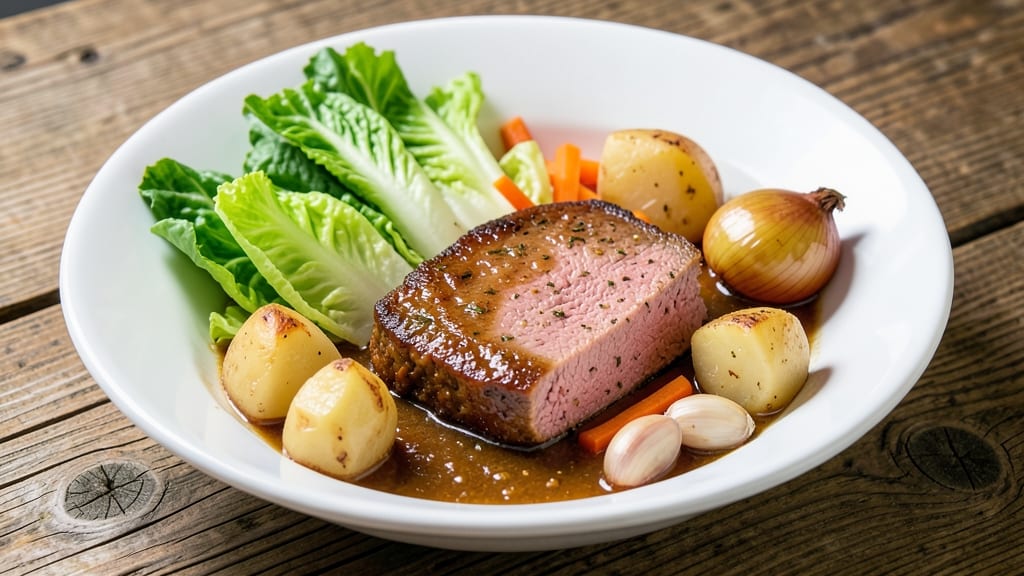
This old-fashioned canned corned beef and cabbage recipe delivers restaurant-quality comfort food with minimal effort—no overnight soak or brining required. The secret lies in balancing the salty sweetness of canned corned beef with tender cabbage and potatoes, all simmered until the flavors meld into something deeply satisfying.
I developed this version after years of testing, ensuring the dish stays true to its Irish-American roots while adapting to modern kitchens.
The beauty of this recipe is its simplicity: just three core ingredients—canned corned beef, cabbage, and potatoes—plus basic pantry staples like salt, pepper, and bay leaves. What sets it apart is the slow-simmering technique, which transforms tough cabbage into tender, flavorful bites and infuses the corned beef with aromatic depth.
The result is a hearty, one-pot meal that feels like a hug on a cold day.
By the time you serve this dish, your kitchen will smell like a traditional Irish pub, and your table will be covered with perfectly seasoned corned beef slices, buttery potatoes, and cabbage that's just tender enough to hold its shape.
The gravy that forms from the simmering process adds another layer of richness, making every bite worth the wait. This is comfort food at its finest—simple, hearty, and impossible to resist.
Whether you're feeding a family for St. Patrick's Day or craving a nostalgic meal on a weeknight, this recipe delivers professional-quality results with minimal effort. The best part?
No special equipment is needed—just a pot, some time, and a taste for classic flavors. Let's get started on creating this timeless dish.
Ingredients for old fashioned canned corned beef and cabbage
Three core ingredients plus pantry staples create this nostalgic Irish-American classic.
| Ingredient | Amount | Notes |
|---|---|---|
| Canned Corned Beef 🥩 | 1 lb | High-quality, well-seasoned brand preferred |
| Green Cabbage 🥬 | 1 ½ lb | Heavier heads for better yield |
| Russet Potatoes 🥔 | 1 ½ lb | Medium-sized, peeled and quartered |
| Carrots 🥕 | ½ lb | Medium-sized, peeled and sliced |
| Yellow Onion 🧅 | 1 whole | Medium-sized, quartered |
| Garlic Cloves 🧄 | 4 cloves | Freshly minced for aroma |
| Bay Leaves 🌿 | 2 whole | Dried, standard size |
| Salt 🧂 | 1 ½ tsp | Kosher or sea salt |
| Black Peppercorns 🌶️ | ½ tsp | Freshly cracked preferred |
| Water 💧 | 4 cups | Enough to cover ingredients |
| Extra-Virgin Olive Oil 🫒 | 1 tbsp | For finishing drizzle |
| Fresh Parsley 🌿 | ¼ cup | Chopped for garnish |
The quality of your corned beef makes all the difference. Look for brands like Hormel or Libby's in the canned section—these deliver that classic sweet-salty balance without the need for brining. For the cabbage, heavier heads yield more tender leaves, so grab one that feels solid but not rock-hard. Potatoes should be medium-sized russets—they hold up best during simmering. Carrots add natural sweetness, so orange or purple varieties work beautifully. All these ingredients should be fresh, but don't stress if you can't find organic—just make sure they're firm and free of blemishes. The garlic and onion form the aromatic base, so fresh is non-negotiable here—no powdered substitutes.
No fresh parsley? Dried will work in a pinch, but use half the amount. Short on carrots? Celery or parsnips add a similar earthy depth. Want to stretch this further? Add half a cup of frozen peas at the end—they'll absorb all that delicious gravy. The bay leaves are traditional, but a sprig of fresh thyme adds another layer of complexity if you're feeling fancy. For the olive oil, any good-quality brand works—just avoid the cheap stuff that tastes like solvent. The water measurement is approximate; you'll likely need more as the dish simmers, but start here to avoid overflowing your pot.
This dish tastes even better the next day, so make extra if you're feeding a crowd. Store leftovers in the fridge for up to 5 days—the flavors deepen overnight. For longer storage, freeze portions for up to 3 months. The cabbage and potatoes will soften further when reheated, so add a splash of water or broth when warming to restore moisture. Garnish with fresh parsley right before serving to brighten the dish with a pop of color and freshness. The corned beef and vegetables reheat beautifully, making this a perfect meal prep option for busy weeknights.
Why You'll Love This Recipe
- No-Cook Shortcut: I swear by the canned version when I’m too tired to brine—just slice the cabbage, add the potatoes and carrots, pour on the juices, and simmer. Twenty minutes later, dinner’s done, and I didn’t even break a sweat.
- Salty-Sweet Magic: That first bite? The briny corned beef meets the buttery potatoes, while the cabbage softens just enough to soak up all the flavor. Honestly, it’s the kind of dish where every spoonful feels like a hug—especially when you’re craving something hearty but don’t want to fuss.
- Leftovers for Days: Between us, this recipe begs to be made in bulk. The cabbage keeps its texture for days, the potatoes stay creamy, and the beef? Even better reheated. I’ll often make a double batch—one for dinner, one for sandwiches the next week.
- Pantry Staple Power: No special ingredients, no last-minute grocery runs. You’ve got canned beef, a head of cabbage, and a few veggies? You’re golden. It’s my go-to when I’m low on time or cash, and somehow, it still feels like a celebration on the table.
Step-by-step instructions for old fashioned canned corned beef and cabbage
Here's how to transform simple ingredients into hearty, restaurant-quality corned beef and cabbage.
Prepare the Vegetables for Even Cooking
Begin by thoroughly rinsing the 1.5 lb green cabbage under cold water to remove any dirt trapped between the leaves. Cut the cabbage into 6-8 wedges, leaving the core intact to help hold the shape during cooking. Peel and quarter the 1.5 lb russet potatoes into 1-inch chunks, ensuring even-sized pieces for consistent doneness. Peel and slice the 0.5 lb carrots into ¼-inch rounds—thin slices cook faster and maintain their texture.
Quarter the 1 whole yellow onion and separate the quarters into individual layers. Mince the 4 cloves garlic finely—this releases maximum aroma during simmering. The key here is uniformity: all vegetable pieces should be roughly the same size so they cook simultaneously without some becoming mushy while others remain undercooked.
Build the Flavor Base in the Pot
In a 6-quart Dutch oven, combine the 1 lb canned corned beef with its juices, the prepared vegetables, 2 whole bay leaves, 1.5 teaspoons salt, and 0.5 teaspoon black peppercorns. The corned beef should be positioned slightly off-center in the pot to allow vegetables to surround it evenly. Pour in the 4 cups water, which should just cover the ingredients—this creates enough liquid for gentle simmering without boiling.
Bring the mixture to a gentle boil over medium-high heat, then immediately reduce to low heat to maintain a barely simmering state. Here's the thing—you want just enough movement to cook the vegetables but not so vigorous that it creates a stew. The liquid should bubble slightly at the edges with occasional small bubbles breaking the surface. This simmering process is what develops the deep, savory flavors over time.
Simmer Until Tender and Flavor-Infused
Cover the pot with a tight-fitting lid and simmer for 1 hour and 15 minutes. The vegetables should be fork-tender—the potatoes should pierce easily with minimal resistance, the carrots should soften but still hold their shape, and the cabbage should wilt completely. If the liquid reduces too much before this point, add ½ cup hot water to maintain the proper simmering level.
After the initial hour, carefully remove the lid and increase heat to medium-low for the final 15 minutes of cooking. This open simmer allows any excess moisture to evaporate slightly, intensifying the flavors. The cabbage should be tender but still holding its structure, not falling apart. The potatoes should be creamy inside with a slight resistance when pierced. If the cabbage appears too firm, return the lid and simmer for an additional 10 minutes.
Finish with Aromatics and Garnish
Remove the pot from heat and let it sit uncovered for 5 minutes to allow any remaining steam to escape. This resting period prevents the vegetables from becoming soggy when you add the final elements. Stir in the 1 tablespoon extra-virgin olive oil and the minced garlic, letting the mixture sit for 2 minutes to allow the garlic to infuse its flavor without burning.
Finally, sprinkle the ¼ cup chopped fresh parsley over the top just before serving. The parsley adds a bright contrast to the rich, savory flavors of the corned beef and cabbage. Taste and adjust seasoning if needed—sometimes the corned beef's natural saltiness requires only a pinch of additional salt to balance the dish perfectly.
Pro Tips For Making Old Fashioned Canned Corned Beef And Cabbage
- CUT CABBAGE IN EVEN STRIPS: The canned corned beef flavor needs room to work—slice cabbage into ¼-inch strips, not thick wedges. Thick pieces stay tough and watery; thin ones soften fast and soak up the juices like a sponge. (Yes, even if you’re in a hurry, take the extra 2 minutes.)
- SIMMER POTATOES SEPARATELY: Add potatoes directly to the pot with cabbage and beef, and you’ll end up with mushy spuds. Boil them in salted water for 10-12 minutes first, then nestle them into the cabbage mix at the end. This keeps their texture crisp and their edges golden—no sad, mealy lumps here.
- DRAIN AND RINSE THE BEEF: That canned corned beef comes swimming in its own brine, which is fine for quick meals but turns the cabbage soggy if left in. Drain the beef, rinse it under cold water, and pat it dry before slicing. Your cabbage will stay crisp, and the beef won’t turn into a watery stew. (Trust me, you’ll notice the difference.)
- SAVOR THE LIQUID: Don’t pour out that canned beef juice—it’s the soul of the dish. After draining the beef, pour the juice into the pot with the cabbage and a splash of water. Simmer everything together for 10 minutes, and you’ll get a rich, flavorful broth instead of dry, sad vegetables. (And yes, it works even if you’re using store-brand cans.)
Best sauces and condiments for this old fashioned canned corned beef and cabbage
Classic Mustard Gravy
This rich, tangy gravy is the traditional crown for corned beef and cabbage. Start by skimming the fat from the simmering pot's surface with a spoon (about 2 tablespoons should do it).
Melt the fat in a small saucepan over medium heat, then whisk in 2 tablespoons all-purpose flour to make a roux. Gradually add 1 cup hot beef broth while whisking constantly to avoid lumps.
Stir in 1 tablespoon yellow mustard (I love French's Classic for its balanced sharpness) and ½ teaspoon Worcestershire sauce. Simmer for 3-4 minutes until thickened. The mustard cuts through the richness while enhancing the corned beef's flavor. 🌶️
Creamy Horseradish Sauce
For a bold kick, whip together ½ cup sour cream, 2 tablespoons prepared horseradish (like Budweiser Select), and 1 teaspoon lemon juice in a bowl. Adjust the horseradish to taste—start with 1 tablespoon if you're sensitive to heat. Thin with a splash of water if needed.
This sauce adds a peppery contrast that cleanses the palate between bites. I serve it on the side for dipping corned beef slices or dolloped over the cabbage. The tanginess balances the dish's richness beautifully. 💛
Brown Butter and Sage
Elevate your corned beef by finishing it with brown butter and sage. After removing the meat from the pot, melt 2 tablespoons butter in a small skillet over medium heat until it turns golden brown and smells nutty (about 3-4 minutes).
Add 2 fresh sage leaves and let them crisp slightly. Pour this fragrant butter over the sliced corned beef just before serving. The nutty depth and herbal notes add sophistication without overpowering the classic flavors. 🌿
Spicy Sriracha Aioli
For a modern twist, blend ½ cup mayonnaise, 1 tablespoon sriracha, 1 teaspoon honey, and ½ teaspoon garlic powder until smooth. Drizzle this vibrant aioli over the cabbage or serve it as a dipping sauce for the corned beef.
The heat from the sriracha and sweetness from the honey create a perfect balance. I like to add a pinch of smoked paprika for extra depth. This sauce transforms the dish into a fusion of traditional and contemporary flavors. ✨
Dill and Chive Cream Sauce
Brighten the dish with a fresh herb sauce by mixing ½ cup sour cream, 2 tablespoons chopped fresh dill, 1 tablespoon chopped fresh chives, and ½ teaspoon lemon zest. Season with ¼ teaspoon salt and black pepper to taste.
This sauce adds a refreshing herbal note that pairs wonderfully with the hearty corned beef. I often drizzle it over the cabbage or serve it alongside the potatoes for a fresh contrast. 🌱
Whiskey Glaze
For a luxurious touch, simmer ¼ cup apple cider vinegar and 2 tablespoons brown sugar in a small saucepan until reduced by half (about 5 minutes). Stir in 1 tablespoon whiskey (I prefer bourbon for its caramel notes) and ½ teaspoon Dijon mustard.
Brush this glaze over the corned beef slices just before serving. The caramelized sweetness and depth of the whiskey add a sophisticated finish that feels like a restaurant-quality upgrade. 🍷
Nutrition facts
Frequently asked questions
Can I use fresh corned beef instead of canned?
While canned corned beef is ideal for this recipe, you can use fresh if you're willing to put in extra time. Fresh beef requires a 24-hour brine (1 cup salt, 1 cup sugar, 1 gallon water per pound of beef) and 4-6 hours of simmering to tenderize. The flavor will be more intense, but the texture may differ slightly from the convenience of canned. For best results, follow traditional brining methods and cook longer.
Why does my cabbage turn mushy?
Overcooking or too much liquid causes mushy cabbage. The key is 1 hour and 15 minutes of simmering with the lid on, then 15 minutes uncovered to evaporate excess moisture. If your cabbage is still firm after this time, reduce heat slightly and cook for another 10 minutes. Avoid adding extra water—just let the natural juices do the work.
What's the best way to reheat leftovers?
Reheat in a skillet with a splash of water or broth over low heat until warmed through (about 5-7 minutes). Microwaving works too, but it can make the cabbage soggy. For best texture, add a pat of butter and cover the skillet while reheating. The corned beef reheats beautifully, but the cabbage benefits from a little extra moisture to restore its tenderness.
Can I make this in a slow cooker?
Combine all ingredients in your slow cooker and cook on low for 6-7 hours or high for 3-4 hours. The slow cooking enhances the flavors even more. Just check the cabbage after 5 hours—it may need less time than stovetop simmering. The potatoes and carrots will absorb the rich juices beautifully, creating an even heartier dish.
How do I know when the corned beef is done?
The canned corned beef is pre-cooked, so it's ready to serve as soon as the vegetables are tender. Look for fork-tender potatoes and carrots and completely wilted cabbage. The meat should be warm through—no need to cook it further. If you're using fresh beef, it should reach 145°F internal temperature when cooked properly.